Car Tint Inspection: What’s Legal, What’s Not, and How to Pass
When you get your windows tinted, you’re not just making your car look cooler—you’re changing its legal status. A car tint inspection, a mandatory check during vehicle registration or safety tests to ensure window darkness meets regional laws. Also known as window tint compliance check, it’s not optional in most places, and failing it can mean fines, forced removal, or even a failed MOT. Most people think if they can’t see inside, it’s fine. But that’s not how the law works. It’s not about privacy—it’s about visibility, safety, and officer access.
The real issue isn’t the tint itself—it’s the visible light transmission (VLT), the percentage of visible light that passes through the tinted glass. In the UK, front side windows must let in at least 70% of light, and the windshield must allow 75% or more. Rear windows are more flexible, but if you’re using a very dark tint on the front, inspectors will pull out a handheld meter and measure it right there. No guesswork. No mercy. This isn’t about style—it’s about physics and regulation. And if your tint is below the legal limit, you won’t get away with a warning. You’ll get a ticket.
Many people buy tint online, install it themselves, and assume it’s fine because the box says "legal." But those labels aren’t regulated. A tint that says "70% VLT" on the roll might actually be 45%. That’s why inspectors rely on certified tools, not packaging. Also, some tint shops cut corners—using cheap film that fades, bubbles, or peels after six months. That’s not just ugly—it’s unsafe. Poorly applied tint can obstruct your view in rain or at night, and if it’s peeling near the windshield edge, inspectors will flag it immediately.
It’s not just about darkness. The tint material, the type of film used, including dyed, metalized, or ceramic options matters too. Metalized films can interfere with radar detectors, toll transponders, and even GPS signals. Ceramic tint doesn’t mess with electronics, but it’s pricier. And if you’ve got aftermarket tint on your rear windows, you’re usually fine—but if you’ve added tint to your front doors and it’s too dark, you’re already in violation. Some drivers think adding a sticker or a small clear patch fixes it. It doesn’t. Inspectors check the entire surface.
You don’t need a degree in automotive law to pass. But you do need to know the numbers. Front windows: 70% VLT minimum. Windshield: no tint below the AS1 line (the top strip). Rear windows: no legal limit in the UK, but if your car has no outside mirrors, you’re required to have a rearview camera or wide-angle mirrors. And if you’re caught with illegal tint, you’ll likely get a notice to fix it within a certain time—usually 14 days. If you don’t, your vehicle can be deemed unroadworthy.
So what can you do? Get your tint tested before you drive. Many shops offer free VLT checks. Or buy a cheap VLT meter online for under £30. Test it yourself on a sunny day. If your front windows are reading below 70%, it’s time to replace the film. Don’t wait for the inspection. Don’t hope it’ll slip by. The system isn’t broken—it’s just strict. And if you’ve got a car with factory-tinted glass, check the specs. Some OEM tints are already below legal limits, especially on newer SUVs and sedans.
Below, you’ll find real-world guides on what tint levels actually look like, how inspectors test them, what happens if you fail, and which products actually hold up over time. No fluff. No marketing. Just what you need to know to keep your car legal, safe, and looking sharp.
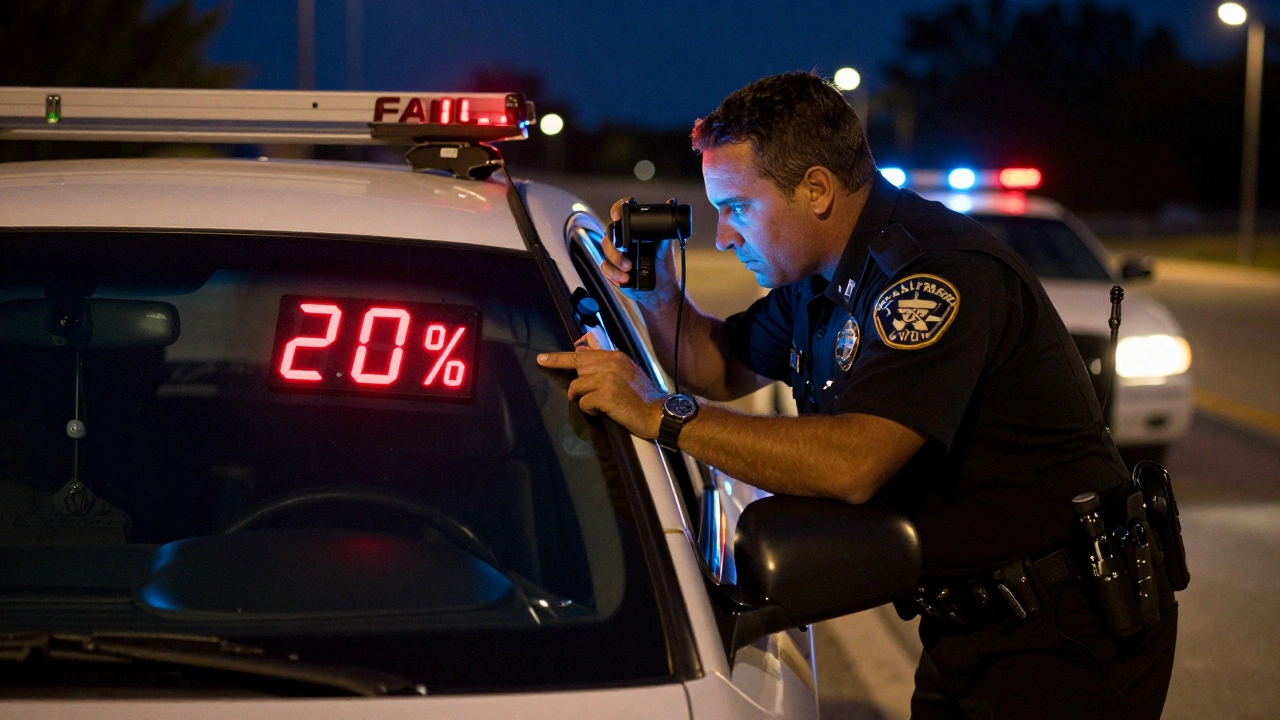
Will 20% Tint Pass Inspection in Texas?
20% tint won't pass inspection in Texas on front windows-the legal limit is 25%. Learn the exact rules, penalties, medical exemptions, and how to fix it without getting fined.