How to Identify Alloy Wheels: Signs, Tips, and Common Mistakes
When you're trying to identify alloy wheels, a type of automotive wheel made from aluminum or magnesium alloys, known for being lighter and more stylish than steel. Also known as magnesium wheels or just "alloys," they're common on modern cars because they improve handling, look better, and dissipate heat faster than steel rims. But not all shiny wheels are alloys—and mistaking a painted steel wheel for an alloy can lead to wrong repairs, bad buying decisions, or even safety risks.
Here’s how to tell for sure: First, check the weight. Alloy wheels feel noticeably lighter than steel ones of the same size. Pick up your wheel—if it feels surprisingly easy to lift, it’s likely alloy. Second, look at the finish. True alloys often have a polished, machined surface with visible lines or grooves from the manufacturing process. Painted steel wheels usually have a flat, uniform coating with no texture underneath. Third, inspect the backside. If you can see the inner barrel, alloys often have a more complex, cast or forged structure, while steel wheels look like thick, stamped metal. Finally, look for markings. Most alloys have "AL" or "ALLOY" stamped near the valve stem or on the back of the hub.
Why does this matter? If you’re trying to repair alloy wheels, the process for fixing curb rash, cracks, or bends on alloys is very different from steel. You can’t just bang out a dent on an alloy like you can on steel—it can crack or weaken. alloy wheel types, including cast, forged, and flow-formed variants each need different care. Cast alloys are common and affordable but more brittle. Forged ones are stronger, lighter, and pricier—often found on performance cars. If you’re shopping for replacements, knowing the difference helps you avoid cheap knock-offs that look right but fail under stress.
Many people confuse alloy wheels with chrome-plated steel wheels. Those shiny rims you see on older cars? Often just steel with a chrome coating. They’ll rust from the inside if the plating chips, and they’re heavier, which hurts fuel economy and handling. Real alloys don’t rust—they corrode, and that looks different: a powdery white or gray film, not red flakes. If you’ve got curb rash, it’s usually a shallow scrape on the outer edge. Steel wheels show dents; alloys show scratches and chips. That’s why DIY alloy wheel repair, a process involving sanding, filling, and refinishing works on alloys but won’t fix a bent steel rim.
When you see a car with stylish rims, ask yourself: Is it real alloy? Is it damaged? And what’s the best way to fix it? The answers affect your safety, your wallet, and how your car looks on the road. The posts below cover everything from spotting fake alloys to fixing them yourself, understanding why some alloys crack after winter, and how to avoid costly mistakes when replacing them. Whether you’re a car enthusiast or just trying to keep your ride looking sharp, knowing how to identify alloy wheels is the first step to protecting your investment.
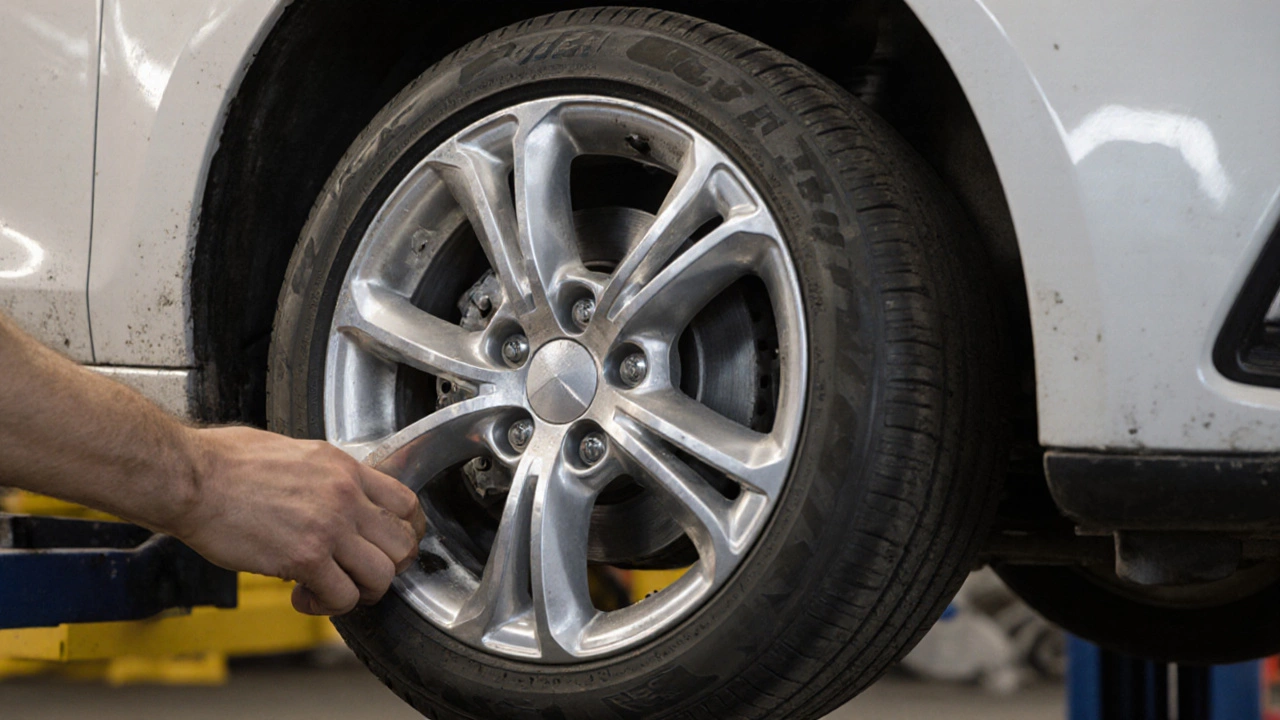
How to Tell If Your Wheels Are Alloy
Learn how to tell if your car wheels are alloy or steel using simple tests like the magnet trick, weight check, and surface inspection. Know the real difference and why it matters for performance and value.