Spoiler Myths: What Really Happens When You Add One to Your Car
When you see a spoiler, a rear-mounted aerodynamic device designed to alter airflow over a vehicle. Also known as a rear wing, it’s often sold as a must-have for speed and style. But most people don’t know what it actually does—especially on regular road cars. A lot of the hype around spoilers comes from racing videos, movie scenes, or dealerships trying to upsell accessories. The truth? On most street cars, a spoiler doesn’t make you faster. It doesn’t magically stick your car to the road. And no, it won’t boost your horsepower.
What it can do is change how air flows over your car at higher speeds. At 80 mph or more, a properly designed spoiler can reduce lift, which helps keep the rear tires planted. But here’s the catch: most factory-style spoilers on sedans and hatchbacks are too small to make any real difference below 100 mph. If you’re commuting or driving on local roads, that spoiler is mostly for looks. And that’s fine—if you know what you’re buying. What people don’t talk about enough is how a spoiler affects your insurance premium, the cost you pay for car coverage, which can rise if modifications are reported. Some insurers treat spoilers as performance upgrades, even if they don’t change how the car drives. That’s why it’s smart to check with your provider before sticking one on. You don’t want a surprise hike after a minor fender bender.
Then there’s the myth that bigger spoilers = better handling. That’s not how it works. A huge wing on a Honda Civic might look cool, but it can actually hurt stability if the car wasn’t built for it. The weight, drag, and wind pressure it creates can make the car feel twitchy, especially in crosswinds. And if it’s not mounted properly? It can rattle, vibrate, or even come loose. That’s not performance—that’s a safety risk.
Real aerodynamic gains come from full body kits, underbody panels, and tuned suspension—not just a single piece bolted to the trunk. But if you like the way a spoiler looks, go for it. Just don’t believe the ads claiming it’ll slash your lap times or turn your daily driver into a race car. What matters more is how it fits your car’s design, how well it’s installed, and whether you’ve told your insurer about it.
Below, you’ll find real-world posts that cut through the noise. We’ve got guides on how spoilers impact your insurance, what mechanics really think about installing them, and why some mods are worth it while others are just window dressing. No fluff. No hype. Just what actually happens when you add one to your ride.
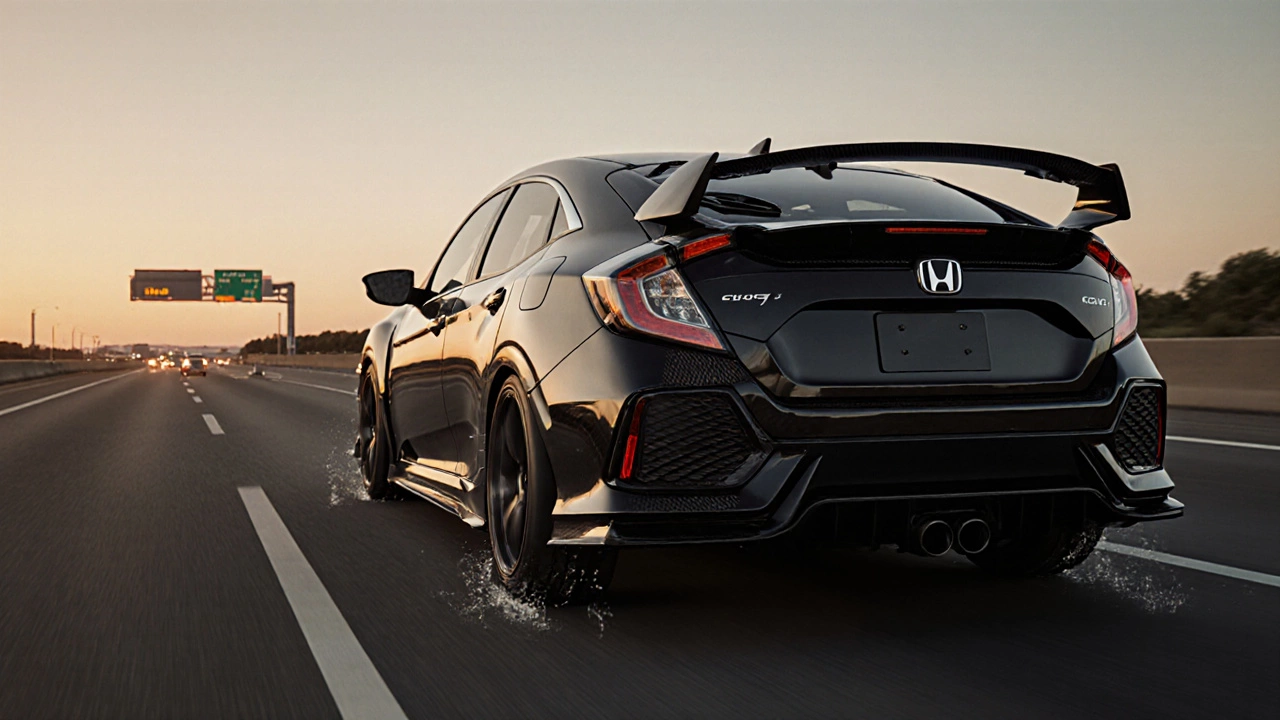
Do Carbon Fiber Spoilers Ruin a Car's Performance?
Carbon fiber spoilers look cool, but most don't improve performance. Learn how spoilers actually work, why aftermarket ones often hurt your car, and what to look for if you want real aerodynamic benefits.