Wheel Size Impact Calculator
YOUR DRIVING PROFILE
SIDEBALL COMPARISON
18-Inch
Tall Sidewall20-Inch
Short SidewallANALYSIS RESULTS
Select Your Profile
Choose your driving conditions and priorities to see which wheel size is best for you.
ESTIMATED ANNUAL IMPACT
Standing in front of your car, you’ve probably stared at those shiny rims and wondered if bigger is actually better. It’s a classic debate in the car world: should you stick with 18-inch wheels or step up to 20-inch wheels? The answer isn’t just about which one looks cooler on Instagram. It’s a trade-off between how your car drives, how much it costs to run, and whether you want a smooth cruise or sharp handling.
If you’re looking for a quick verdict, here’s the reality: 18-inch wheels are the sweet spot for daily drivers who value comfort and lower costs. 20-inch wheels are for enthusiasts who prioritize aggressive styling and precise cornering, provided they can tolerate a stiffer ride and higher maintenance bills. Let’s break down exactly what changes when you swap those sizes.
The Physics of Wheel Size and Tire Sidewalls
To understand why these two sizes feel so different, you have to look at the tire, not just the rim. When you increase the wheel diameter from 18 inches to 20 inches, you aren’t just making the metal part bigger; you are shrinking the rubber part. This is known as maintaining the overall tire diameter. Your speedometer needs to stay accurate, so the total height of the wheel plus tire must remain roughly the same.
This means that an 18-inch setup uses a tire with a taller sidewall, while a 20-inch setup uses a tire with a much shorter, squatter sidewall. Think of the sidewall as a shock absorber. A tall sidewall flexes and absorbs bumps from the road. A short sidewall is rigid and transfers that impact directly into your suspension and eventually your spine.
- 18-inch tires: Typically have a profile ratio like 55 or 60 (e.g., 235/55R18). This provides significant cushioning.
- 20-inch tires: Typically have a profile ratio like 40 or 45 (e.g., 255/40R20). This leaves very little room for error when hitting potholes.
This structural difference dictates everything else about the driving experience. If you live in a city with older roads, like many parts of Adelaide where potholes are a seasonal hazard, that sidewall height becomes a critical safety feature, not just a comfort metric.
Ride Comfort: The Daily Driver Test
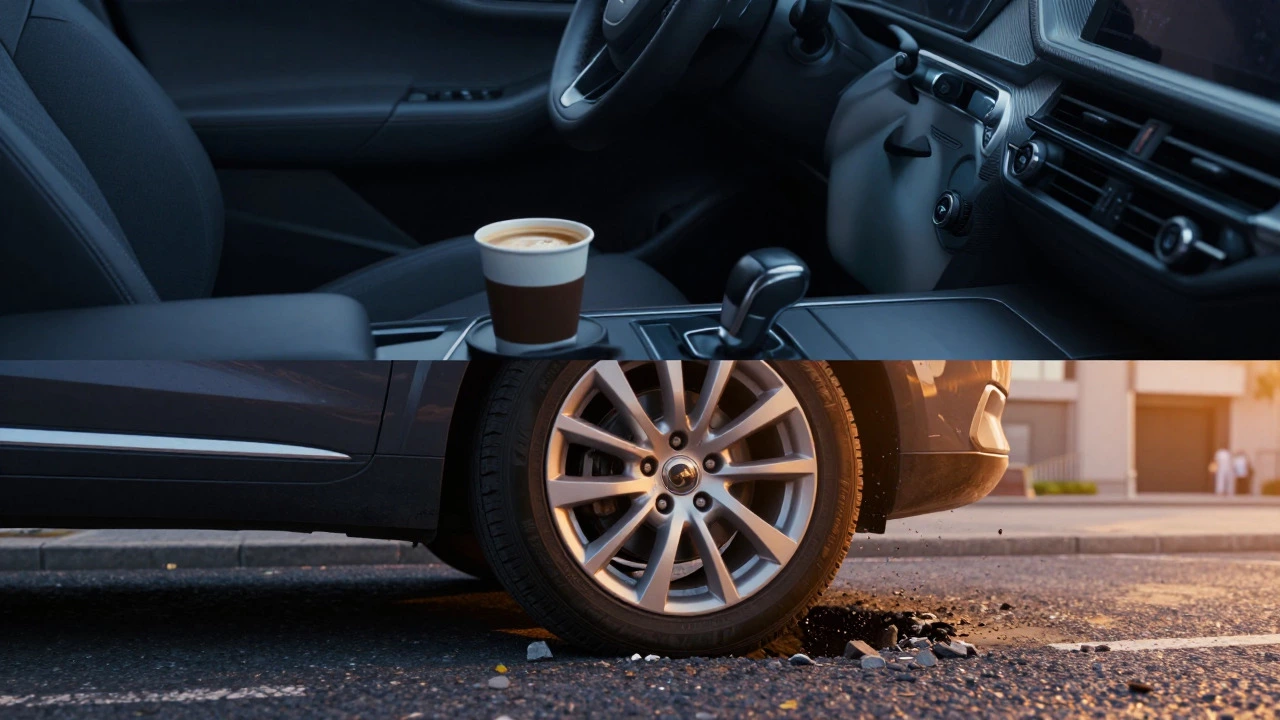
Let’s talk about comfort because this is where most people regret going too big. An 18-inch wheel setup feels compliant. You drive over a crack in the pavement, and the tire absorbs it. The cabin remains quiet, and your coffee stays in the cup. For long highway trips or daily commutes through urban sprawl, the extra rubber acts as a buffer against road noise and vibration.
Switch to 20-inch wheels, and the ride firmness increases noticeably. Every expansion joint, every pebble, and every uneven patch of asphalt is communicated to the driver. Some enthusiasts love this "connected" feeling because it gives them more feedback about what the tires are doing. But for a family sedan or a weekly grocery getter, that stiffness can become fatiguing after just an hour of driving.
Additionally, larger wheels often mean heavier unsprung weight. While modern alloys are light, a set of 20-inch rims is almost always heavier than their 18-inch counterparts. Heavier wheels require more energy to rotate and stop, which can make the steering feel slightly less agile at low speeds and put more strain on your suspension components over time.
Handling and Performance Dynamics
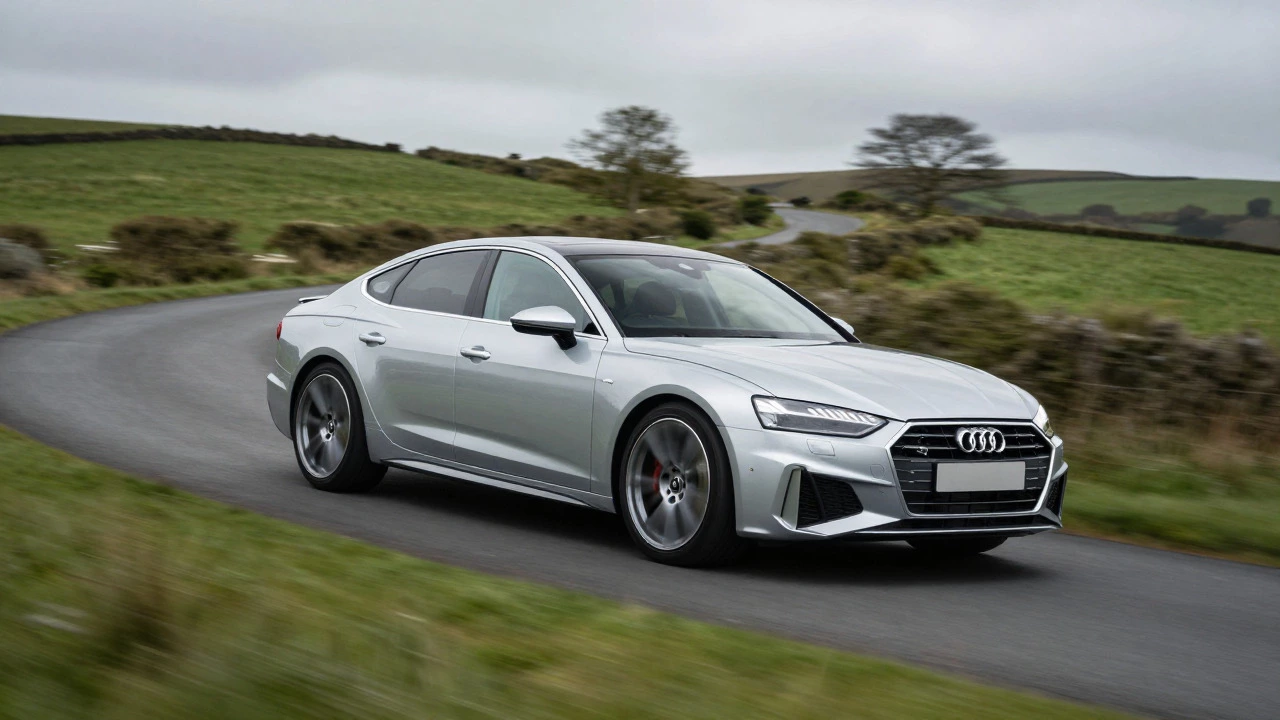
Where 20-inch wheels shine is in cornering. Because the sidewall is shorter, there is less flex when you turn sharply. With an 18-inch tire, the sidewall bends slightly during hard braking or aggressive cornering, causing a delay in response time. This is called body roll or lean. With a 20-inch tire, the connection between the rim and the road is more direct. The car feels planted, responsive, and precise.
If you track your car or enjoy winding backroads, the reduced sidewall deflection of 20-inch wheels provides superior grip stability. The contact patch stays flatter against the road surface under load. However, this benefit has diminishing returns for average street driving. Unless you are pushing the limits of traction regularly, the handling improvement may be subtle enough that you don't notice it until you switch back to smaller wheels.
Braking performance also sees a minor boost with larger wheels. Bigger rims allow for larger brake calipers and rotors to fit inside. Better brakes mean shorter stopping distances and less fade during repeated use. But again, for normal city driving, standard 18-inch setups usually come equipped with adequate braking systems from the factory.
Aesthetics: Filling the Wheel Well
Let’s be honest: we buy bigger wheels because they look good. There is no denying that 20-inch wheels fill the wheel well more completely, giving the car a muscular, aggressive stance. They reduce the amount of visible tire sidewall, creating a sleeker profile that many associate with luxury or high-performance vehicles.
18-inch wheels, by contrast, leave more black rubber visible. On some cars, this can look a bit "top-heavy" or understated. If your goal is visual impact and you want your car to stand out in a parking lot, 20-inch wheels deliver that statement. They change the character of the vehicle from practical to premium.
However, aesthetics are subjective. A well-designed 18-inch rim with a clean spoke pattern can look just as elegant as a flashy 20-inch set. Consider the proportions of your specific model. Putting massive 20-inch wheels on a compact hatchback might look disproportionate, whereas they might look perfect on a mid-size SUV or sports coupe.
Cost Implications: Tires, Fuel, and Repairs
The price tag doesn’t end at the purchase of the wheels. Running 20-inch wheels is significantly more expensive than running 18-inch ones. Here is where the wallet takes a hit:
| Factor | 18-inch Setup | 20-inch Setup |
|---|---|---|
| Tire Replacement Cost | Moderate ($150-$250 per tire) | High ($250-$400+ per tire) |
| Fuel Economy Impact | Minimal loss | Noticeable drop (1-3% MPG reduction) |
| Pothole Damage Risk | Low (Tire absorbs impact) | High (Risk of bent rims/blown beads) |
| Wheel Weight | Lighter | Heavier |
Tires for 20-inch wheels are specialty items. They are produced in lower volumes and require more complex engineering to handle the stress of a thin sidewall. When it’s time to replace them, expect to pay a premium. Furthermore, because the sidewall is so thin, a single deep pothole can cause a "rim slam," bending the alloy or breaking the bead seal. Repairing a bent 20-inch rim is costly, and sometimes the rim is beyond saving.
Fuel efficiency also suffers slightly with larger wheels due to increased rolling resistance and weight. While modern engines compensate well, you will likely see a small dip in miles per gallon, adding up over thousands of kilometers.
Which Should You Choose?
Your choice depends entirely on your priorities. If you drive mostly on smooth highways, care deeply about cornering precision, and want your car to look aggressive, go for the 20-inch wheels. Just budget for the higher tire costs and accept the firmer ride.
If you commute daily on imperfect roads, prioritize passenger comfort, want to keep maintenance costs low, and don’t plan on tracking your car, stick with 18-inch wheels. They offer the best balance of style, function, and economy for the majority of drivers. In the world of alloy wheels, bigger isn’t always better-it’s just different.
Will 20-inch wheels ruin my suspension?
Not necessarily "ruin," but they will accelerate wear. The reduced sidewall means less cushioning for shocks and struts. Over time, the constant transmission of road impacts can lead to premature failure of bushings and bearings compared to a softer 18-inch setup.
Can I put 20-inch wheels on a car designed for 18s?
Yes, but you must match the overall tire diameter. You need to calculate the correct offset and width to ensure the wheels don’t rub against the fenders or suspension components. Professional fitting is highly recommended to avoid clearance issues.
Do larger wheels improve gas mileage?
Generally, no. Larger wheels are heavier and often wider, increasing rolling resistance. This typically results in a slight decrease in fuel economy. Any aerodynamic gains are usually outweighed by the added rotational mass.
Are 18-inch wheels considered small?
For modern sedans and SUVs, 18-inch wheels are considered standard or mid-size. They are not "small" in a negative sense; they are the industry standard for balancing comfort and appearance. Small would be 15 or 16 inches, which are now mostly found on base-model economy cars.
How much more do 20-inch tires cost?
You can expect to pay 30% to 50% more for a set of 20-inch tires compared to equivalent quality 18-inch tires. Premium brands can see even larger price gaps due to the complexity of manufacturing low-profile tires.