Vehicle Warranty Risk Checker
Select the actions you have taken or plan to take with your vehicle to assess potential warranty risks.
Unauthorized Body Kits
Installing splitters, skirts, or diffusers not approved by the manufacturer.
Missed Service Intervals
Skipping scheduled oil changes or ignoring warning lights.
Improper Fluids
Using generic ATF, wrong oil grade, or incorrect brake fluid DOT rating.
Electronic Tampering
ECU chipping/remapping or installing cheap LED headlights without ballasts.
Off-Road Abuse / Over-Towing
Taking a sedan off-road or towing beyond rated capacity regularly.
Non-OEM Wheel Change
Changing wheel size/offset outside recommended range (may cause rubbing).
Risk Assessment Result
Low RiskNo risks detected based on selections.
You just spent thousands on a new car. The dealer hands you the keys, and there’s that thick booklet in the glovebox: the vehicle warranty. It promises coverage for engine failures, transmission glitches, and electrical gremlins for years to come. But here is the catch most people miss until it’s too late: your behavior can erase that protection faster than you think. It isn’t always about crashing into a wall. Sometimes, it’s about a simple modification or a missed service interval.
If you live in Australia, the rules are slightly different from the US or Europe due to consumer guarantees under the Australian Consumer Law (ACL). However, manufacturers still have specific clauses that can deny a claim if they prove negligence or unauthorized changes caused the damage. We aren’t talking about minor scratches. We are talking about actions that give the dealership a legal loophole to say "no" when you need them most.
The Quick Summary
- Unauthorized Modifications: Installing non-OEM parts like aftermarket exhausts or car body kits that alter aerodynamics or weight distribution can void specific component warranties.
- Missed Service Intervals: Skipping scheduled maintenance breaks the chain of proof required to show the vehicle was cared for properly.
- Improper Fluids: Using the wrong oil grade or coolant type can cause internal engine damage that manufacturers refuse to cover.
- Tampering with Electronics: Chipping the ECU or installing cheap LED headlights without proper ballasts can fry wiring harnesses, leading to denied claims.
- Off-Road Abuse: Taking a standard sedan or hatchback off-road without an upgrade package often results in suspension or drivetrain damage being labeled as "abuse."
Why Does Modification Void Coverage?
Let’s clear up a massive myth first. In many jurisdictions, including Australia under the ACL, a modification does not automatically void the entire warranty. This is known as the "Magnuson-Moss Warranty Act" equivalent logic in the US, but locally, we rely on proving causation. If you install a loud exhaust system and your air conditioning stops working, the dealer cannot deny the AC claim because the exhaust has nothing to do with the compressor.
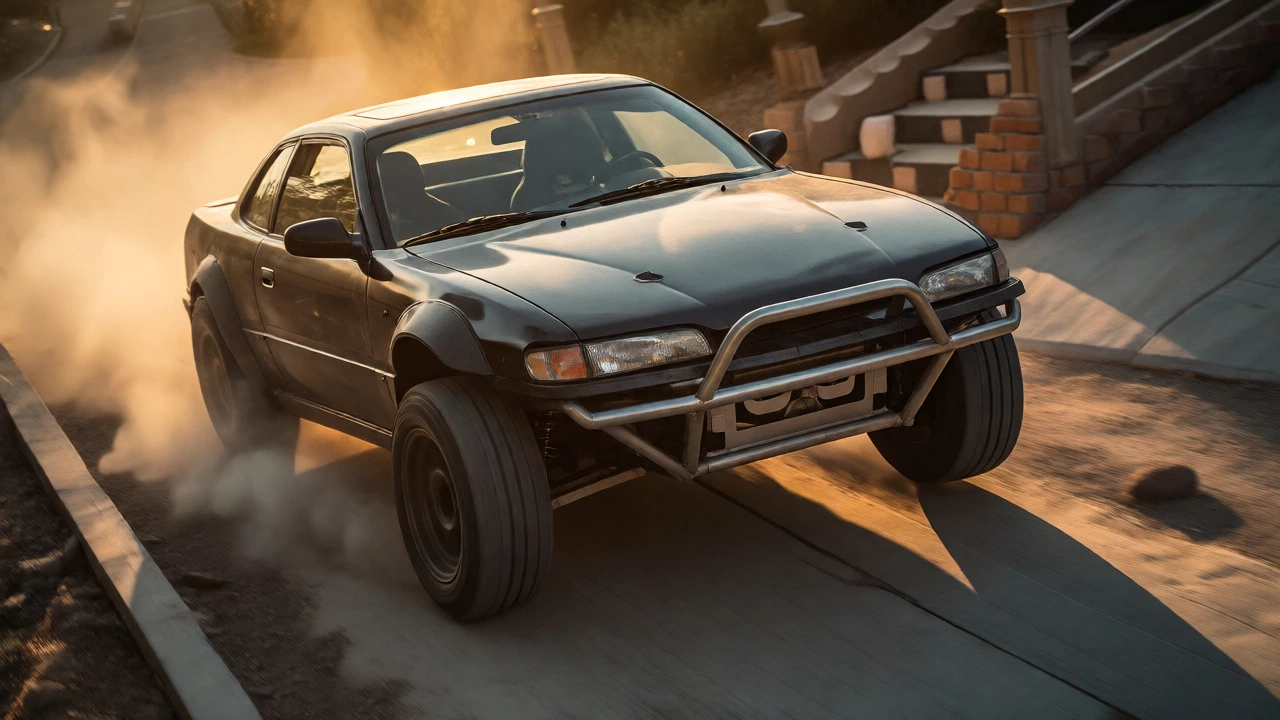
However, if you install a heavy steel bull bar on a lightweight compact car, you change the front-end weight balance. This puts extra stress on the steering rack, suspension bushings, and brakes. If those components fail early, the manufacturer will argue that the modification caused the failure. They don’t need to prove it beyond a shadow of a doubt; they just need reasonable evidence. This is where unauthorized modifications become risky. If the part wasn’t approved by the manufacturer or installed incorrectly, you are on your own.
1. Unauthorized Body Kits and Aerodynamic Changes
Since you’re interested in car body kits, this is your biggest red flag. Aesthetics matter, but function matters more to the engineers who built your car. When you add a splitter, side skirts, or a rear diffuser, you alter how air flows over the chassis. For most daily drivers, this is negligible. But for performance-oriented vehicles, the factory design accounts for specific downforce and cooling needs.
Consider a scenario where you install a front lip spoiler on a turbocharged sports coupe. If that lip scrapes the ground during a steep driveway entry, it might crack. More importantly, if the installation involves drilling holes into the bumper reinforcement bar, you’ve compromised structural integrity. If a minor collision occurs later, and the airbag sensors detect abnormal resistance due to the modified bumper structure, the airbags might not deploy correctly. The manufacturer will blame the kit, not the sensor.
Furthermore, poor-quality body kits made from flexible polyurethane or cheap fiberglass can degrade quickly under UV exposure. If the material cracks and lets water into the headlight housing or fog light assembly, the resulting corrosion of the wiring connectors won’t be covered. Always check if the kit manufacturer offers a warranty that aligns with the car’s original terms, or better yet, look for OEM-approved accessories.
2. Skipping Scheduled Maintenance Services
This is the easiest way to lose your warranty, and it happens constantly. People think, "I’ll just take it to my local mechanic instead of the dealer to save money." That’s fine, provided the mechanic uses genuine parts and follows the exact service schedule. The problem arises when you skip an oil change or ignore a dashboard warning light for six months.
Manufacturers require proof of regular maintenance to ensure the engine hasn’t been starved of lubrication. If your timing chain stretches at 60,000 km because you went 20,000 km past the last oil change, the claim gets rejected. It doesn’t matter if the chain failure seems unrelated to the oil delay; the lack of records creates doubt. Keep every invoice. Date-stamp them. If you use an independent workshop, ensure they log the mileage and specify the oil grade used matches the owner’s manual exactly.
3. Improper Use of Fluids and Consumables
Your engine is a precision machine. It expects specific fluids. Let’s talk about transmission fluid. Modern automatic transmissions, especially CVTs (Continuously Variable Transmissions) found in many Japanese cars, are sensitive to friction modifiers. Using a generic "universal" ATF (Automatic Transmission Fluid) instead of the proprietary spec can cause shuddering, overheating, and eventual valve body failure.
Similarly, brake fluid absorbs moisture over time. If you top it up with the wrong DOT rating or mix types, you lower the boiling point. Under heavy braking, the fluid boils, causing vapor lock. You press the pedal, and it goes to the floor. The calipers seize. Now you need new rotors, pads, and potentially a master cylinder replacement. The dealer will inspect the fluid residue. If it looks contaminated or incorrect, they deny the claim. It’s not worth saving $20 on the wrong bottle of fluid.
4. Electronic Tampering and Aftermarket Lighting
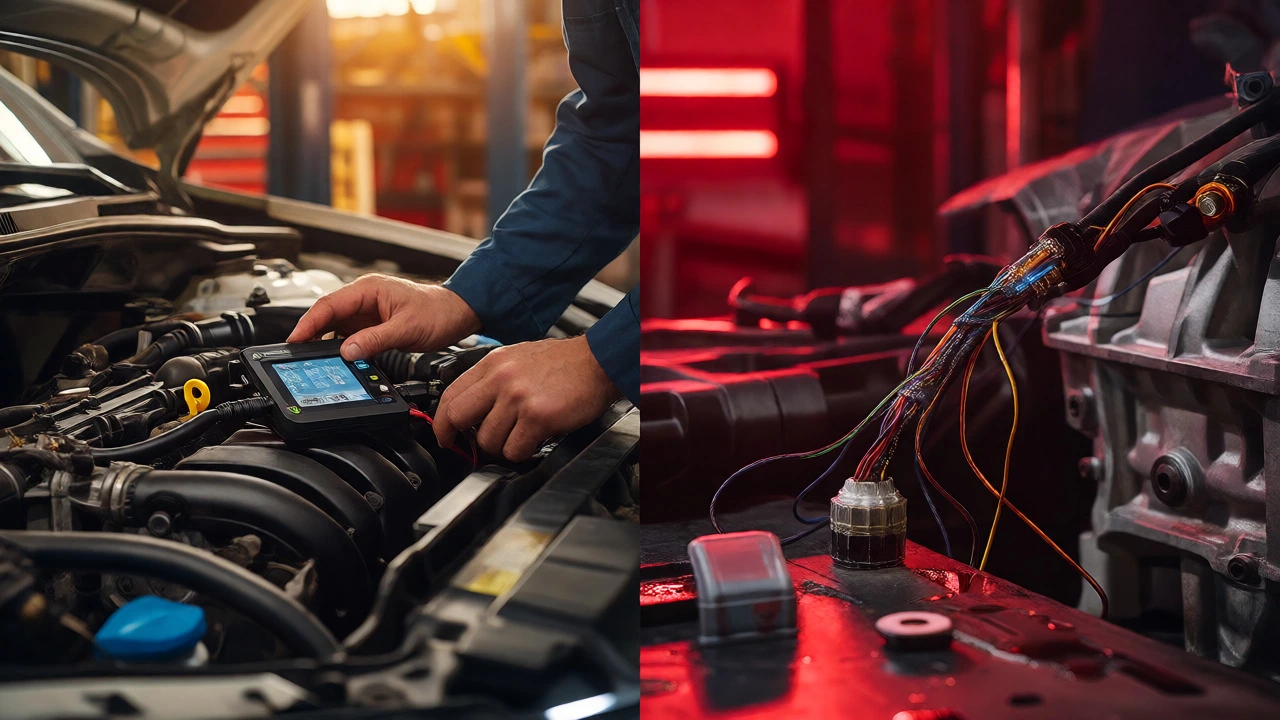
We love gadgets. We want brighter headlights, louder stereos, and faster throttle response. Enter the world of ECU chipping and LED conversions. While these upgrades are popular, they carry hidden risks. An ECU remap changes fuel injection timing and boost pressure. If you push the engine harder than the factory safety margins allow, you risk blowing a gasket or cracking a piston. The manufacturer can read the ECU history. If they see parameters outside stock limits, they assume abuse.
LED headlight swaps are another trap. Many cheap LED bulbs plug directly into halogen sockets. Without a proper heat sink or ballast, these bulbs generate intense heat in a small space. Over time, this heat melts the plastic reflector inside the headlight casing or damages the wiring insulation. Once the wiring shorts out, the entire lighting module may need replacement-a costly repair often excluded from basic powertrain warranties. Stick to certified LED retrofit kits designed specifically for your car model, or keep the halogens.
5. Off-Roading and Towing Beyond Limits
Australia loves its 4WDs, but even SUVs have limits. If you buy a unibody crossover like a Toyota RAV4 or Mazda CX-5 and take it rock crawling in Flinders Ranges, you’re stressing components not designed for that impact load. Suspension arms bend, shock absorbers leak, and differential breathers get clogged with mud.
The same applies to towing. Every vehicle has a rated towing capacity listed in the manual. Exceeding this weight causes excessive heat buildup in the transmission and strain on the engine mounts. If you tow a boat trailer that weighs 20% more than the limit, and your gearbox fails two years later, the dealer will measure the axle weights or ask for evidence of typical usage. If they suspect chronic over-towing, they can reject the transmission claim. Always respect the payload and towing ratings. They aren’t suggestions; they are engineering boundaries.
Comparison: Dealer vs. Independent Service Impact
| Scenario | Dealer Service | Independent Mechanic | Warranty Risk Level |
|---|---|---|---|
| Oil Change | Genuine Oil & Filter logged | Correct Spec Oil, Receipt Kept | Low (if documented) |
| Brake Pads | OEM Parts Installed | Aftermarket Premium Brands | Medium (if noise/vibration occurs) |
| Suspension Repair | Factory Procedures Followed | Generic Parts Used | High (if ride height altered) |
| Body Kit Install | N/A (Usually DIY or Specialist) | Certified Installer | High (Component-specific void) |
How to Protect Your Warranty
You don’t have to drive a boring stock car to keep your warranty alive. You just need to be strategic. Here is a checklist to follow before you touch anything:
- Consult the Manual First: Before buying any part, check the owner’s manual for approved accessory lists. Manufacturers often sell their own versions of roof racks, tow bars, and wheel spacers. These are guaranteed not to void the warranty.
- Keep Meticulous Records: Scan every receipt. Store them digitally. If a dispute arises, having a timestamped photo of the work done saves hours of arguing.
- Use Certified Installers: If you must modify, use a professional installer who provides a certificate of compliance. This shifts some liability away from you if the installation itself is faulty.
- Revert Before Servicing: If you have temporary mods like a lift kit or removable exhaust tips, consider reverting to stock during major warranty inspections to avoid unnecessary scrutiny.
Frequently Asked Questions
Does changing my wheels void the warranty?
Not necessarily. Changing wheel size within the manufacturer's recommended range usually doesn't void the warranty. However, if you install wheels that rub against the fenders or suspension, causing premature wear on tires or control arms, those specific repairs might be denied. Ensure the offset and diameter are compatible with your vehicle’s specifications.
Can I use synthetic oil instead of conventional?
Yes, as long as the synthetic oil meets the viscosity grade and certification standards specified in your owner's manual (e.g., API SP, ACEA C3). Most modern engines actually prefer full synthetic. Just ensure you stick to the recommended change intervals, which might differ between conventional and synthetic oils.
What if the dealer says my body kit caused the issue, but I disagree?
You have rights under the Australian Consumer Law. The burden of proof lies with the manufacturer to demonstrate that the modification caused the defect. Request a detailed written explanation of why the kit is blamed. If necessary, seek an independent mechanical assessment to provide counter-evidence regarding the cause of the failure.
Do aftermarket alarms void the warranty?
Generally, no, unless the installation was done poorly and damaged existing wiring. A professionally installed alarm that taps into existing circuits correctly should not affect the powertrain or electrical warranty. However, if the alarm drains the battery or causes electrical interference with the ECU, related issues could be contested.
Is window tinting considered a modification?
Window tinting is rarely considered a warranty-voiding modification for mechanical components. It primarily affects visibility and heat rejection. Unless the tinting process involved removing door panels and damaging weather seals or window regulators, it won't impact your vehicle's mechanical warranty coverage.