Alloy Rim Cost & Worth Calculator
Enter your details below to estimate the hidden costs of switching from steel to alloy wheels and see a personalized recommendation.
- Alloy Wheels (Set of 4) $0
- New Tires (If required) $0
- Installation & Balancing $150
- Total Upfront Investment $0
Swapping your steel wheels for shiny alloy rims is a popular upgrade because they look aggressive and handle better. But before you drop your hard-earned cash on a set, you need to know what you're actually getting into. Alloy wheels aren't just "better" in every way; they come with specific trade-offs that can cost you money down the track, especially if you live in a harsh environment like Adelaide or drive on rough roads.
This guide breaks down the real-world downsides of alloy rims, from the high price tag to the annoying issue of corrosion. We’ll look at why they break differently than steel, how much it costs to fix them, and whether they are even worth it for your daily driver.
The Price Tag: Why Alloys Cost More Upfront
The most obvious disadvantage is the initial cost. A standard set of OEM steel wheels might be free if you keep them, but a set of aftermarket alloy rims can range from $800 to over $3,000 depending on the brand and finish. This isn't just about the metal; it's about the manufacturing process. Most consumer alloys are cast aluminum wheels produced by pouring molten aluminum into a mold under pressure. While this is cheaper than forging, it still costs significantly more than stamping steel.
Beyond the purchase price, consider the tires. Many people buy new alloys and assume their old tires will fit. Often, the bolt pattern or offset is different, requiring new tires. If you’re upgrading from 16-inch steels to 18-inch alloys, you’re looking at an extra $400-$600 for four new tires. That’s a hidden cost many buyers forget until they’re standing in the tire shop.
Cast vs. Forged: The Durability Gap
Not all alloy wheels are created equal. You’ll see two main types: cast and forged. Understanding the difference is crucial because their failure modes are different.
- Cast Alloys: These are poured into molds. They are lighter than steel but have a less dense grain structure. They are prone to cracking if hit hard. When a cast wheel fails, it often cracks silently before snapping completely.
- Forged Alloys: These are hammered into shape under extreme pressure. They are stronger and can absorb impacts better. However, they are twice as expensive as cast wheels. If a forged wheel fails, it usually bends rather than cracks, which is easier to repair.
For most daily drivers, cast alloys are the norm. The downside? They are brittle. Hitting a deep pothole at speed can cause hairline cracks that spread over time. Steel wheels, on the other hand, tend to bend. A bent steel wheel is often straightenable; a cracked alloy wheel is usually trash.
Corrosion: The Silent Killer of Alloy Wheels
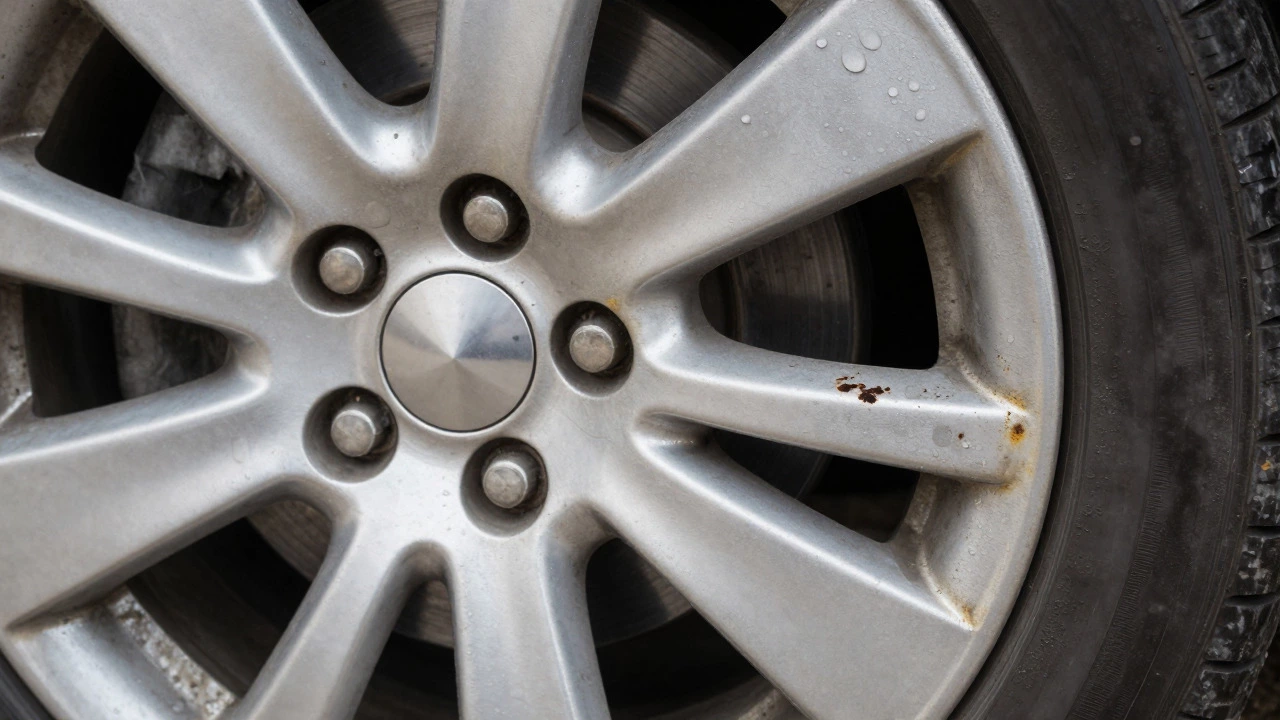
Here’s a myth: "Aluminum doesn’t rust." Technically true, but misleading. Aluminum forms a protective oxide layer, but when that layer is scratched-say, by brake dust or road debris-the underlying metal is exposed. This leads to chemical reaction between aluminum and moisture/salts that causes pitting and discoloration.
In coastal areas or places where roads are salted in winter (or where we get heavy rain here in Australia), this is a major issue. Brake dust is acidic. If you don’t clean your wheels regularly, the dust eats through the clear coat or bare aluminum, causing dark spots that never wash off. Unlike rust on steel, which you can sand down, corrosion on alloys is permanent unless you polish the metal away, which thins the wheel and weakens it further.
Maintenance: It’s Not "Set and Forget"
Steel wheels are lazy-friendly. You can let them get dirty, and they’ll still look okay. Alloy rims demand attention. To keep them looking good, you need to:
- Wash them frequently (weekly in summer) to remove acidic brake dust.
- Use a pH-neutral wheel cleaner. Acidic cleaners strip the clear coat.
- Apply a sealant or wax after washing to protect the surface.
- Check for curb rash immediately. Small scratches should be touched up to prevent corrosion starting points.
If you neglect this, your nice-looking wheels will start looking tired within six months. The labor cost of professional detailing for alloy wheels is also higher than for steel because of the delicate finishes.
Ride Comfort and Noise
There’s a direct relationship between wheel size and ride quality. People often go for larger alloys (19-inch or 20-inch) to make the car look stancey. But bigger wheels mean shorter sidewalls. Shorter sidewalls mean less cushion between the road and your chassis.
The result? You feel every bump, crack, and pebble. Your suspension works harder, and your cabin gets noisier. If you drive on rough urban roads, upgrading to large-diameter alloys can make your daily commute miserable. Stick to 17-inch or 18-inch wheels if comfort is a priority.
| Feature | Steel Wheels | Alloy Rims |
|---|---|---|
| Weight | Heavier (approx. 15-20% more) | Lighter (reduces unsprung mass) |
| Cost (New) | $0 - $300 per set | $800 - $3,000+ per set |
| Failure Mode | Bends (repairable) | Cracks (often unreparable) |
| Corrosion Risk | Rusts (visible, treatable) | Pits/Oxidizes (permanent damage) |
| Aesthetics | Basic, utilitarian | Stylish, customizable |
| Maintenance Effort | Low | High (frequent cleaning required) |
Repair Costs and Insurance Implications
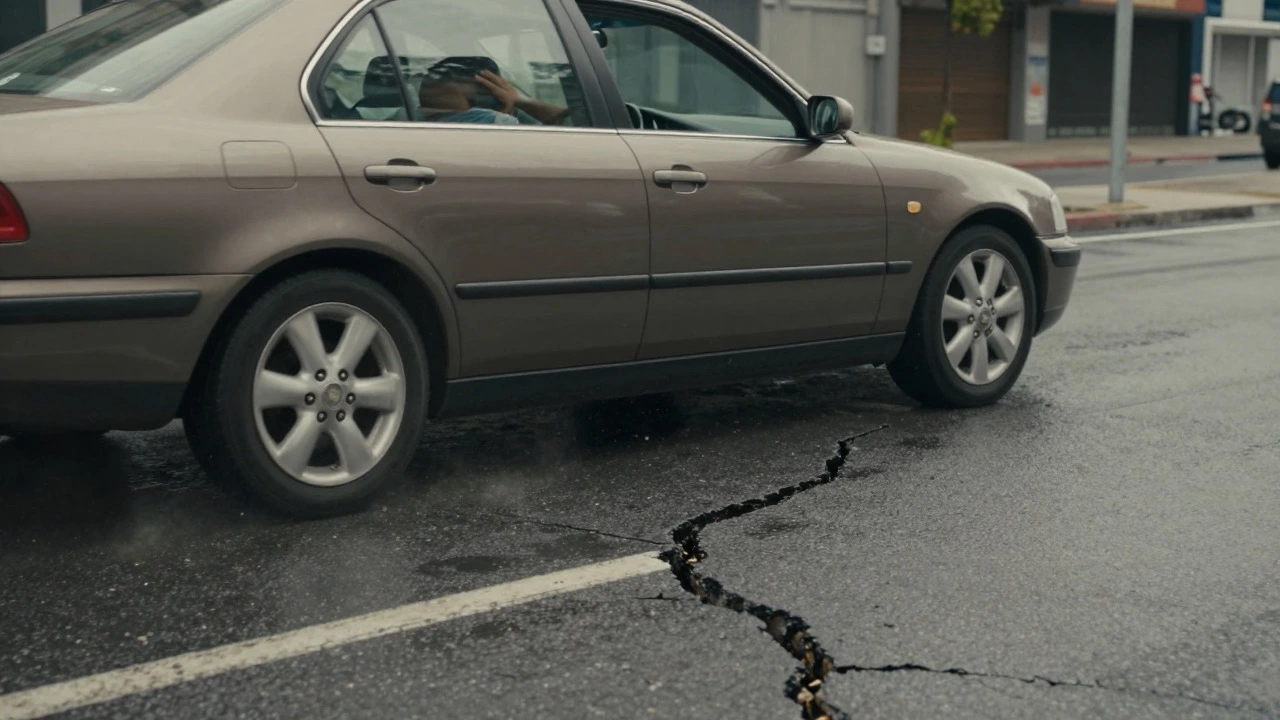
If you scrape your alloy against a curb, the repair bill stings. Minor scuffs can be polished out for $50-$100 per wheel. Deep gouges or cracks require welding and refinishing, costing $150-$300 per wheel. If the crack goes near the center bore or spokes, the wheel is often declared unfixable, and you need a replacement ($200-$500 each).
Insurance adds another layer of complexity. If you claim for damaged alloys, your comprehensive premium might rise. Also, some insurers depreciate aftermarket parts faster than OEM parts. So, if you crash, you might not get back the full value of your custom wheels.
When Are Alloy Rims Actually Worth It?
So, are they a bad idea? Not necessarily. They offer benefits: better heat dissipation for brakes, improved handling due to reduced unsprung weight, and a significant style boost. But they are best suited for cars driven on smooth roads, kept in garages, and maintained regularly. If you drive a workhorse truck on gravel roads, stick with steel. If you drive a sedan in the city and want a sportier look, alloys are a viable choice-just budget for the care they require.
Frequently Asked Questions
Do alloy rims last longer than steel?
Generally, no. Steel is more durable against impact and corrosion in harsh environments. Alloys last longer in terms of aesthetic appeal if maintained, but structurally, steel is tougher for off-road or heavy-duty use.
Can I repair a cracked alloy wheel?
It depends on the location. Cracks in the spoke area are sometimes weldable, but cracks near the center hub or bead seat are dangerous and usually require replacement. Always have a professional assess the damage.
Are forged alloys worth the extra cost?
For track days or high-performance driving, yes. For street driving, cast alloys are sufficient. Forged wheels are 2x more expensive and only offer marginal strength gains for average drivers.
How do I stop my alloy wheels from corroding?
Clean them weekly with a pH-neutral soap, dry them thoroughly, and apply a wheel sealant. Avoid letting brake dust sit on the wheels for more than a few days.
Do alloy wheels affect fuel economy?
Yes, slightly. Because they are lighter than steel, they reduce unsprung mass, which can improve acceleration and potentially save a small amount of fuel. The effect is minimal for daily driving but noticeable in performance contexts.