Alloy vs Steel Wheel Upgrade Advisor
Answer a few questions about your driving style and environment to get a personalized recommendation.
Recommended Choice:
Why Alloy?
- ✓ Lighter weight improves handling
- ✓ Better heat dissipation for brakes
- ✓ Enhanced aesthetic appeal
- ✗ Higher upfront cost
- ✗ Prone to cracking on impact
Why Steel?
- ✓ Very low cost
- ✓ Durable; bends instead of cracks
- ✓ Easy/cheap repair
- ✗ Heavier; worse fuel economy
- ✗ Poorer brake cooling
You’re staring at your garage floor. The stock alloy wheels are scuffed, or maybe you’re looking at those heavy, ugly steel rims that came with your base model. You see a set of shiny alloys online, and the price tag makes you hesitate. Is it just vanity? Or is there actual engineering value in swapping them out?
Here’s the blunt truth: for most daily drivers, alloy wheels aren’t strictly "necessary" to keep the car moving. But they change how your car feels, looks, and sometimes even handles. If you live somewhere like Adelaide, where summer heat bakes the asphalt and winter rain slicks the roads, the difference between steel and alloy isn't just cosmetic-it's about weight distribution and brake cooling.
The Core Difference: Weight and Heat
Let’s strip away the marketing fluff. An alloy wheel is a wheel made from an aluminum or magnesium alloy rather than steel. This material choice dictates everything else. Steel wheels are cheap, strong, and heavy. Alloy wheels are lighter, more expensive, and better at dissipating heat.
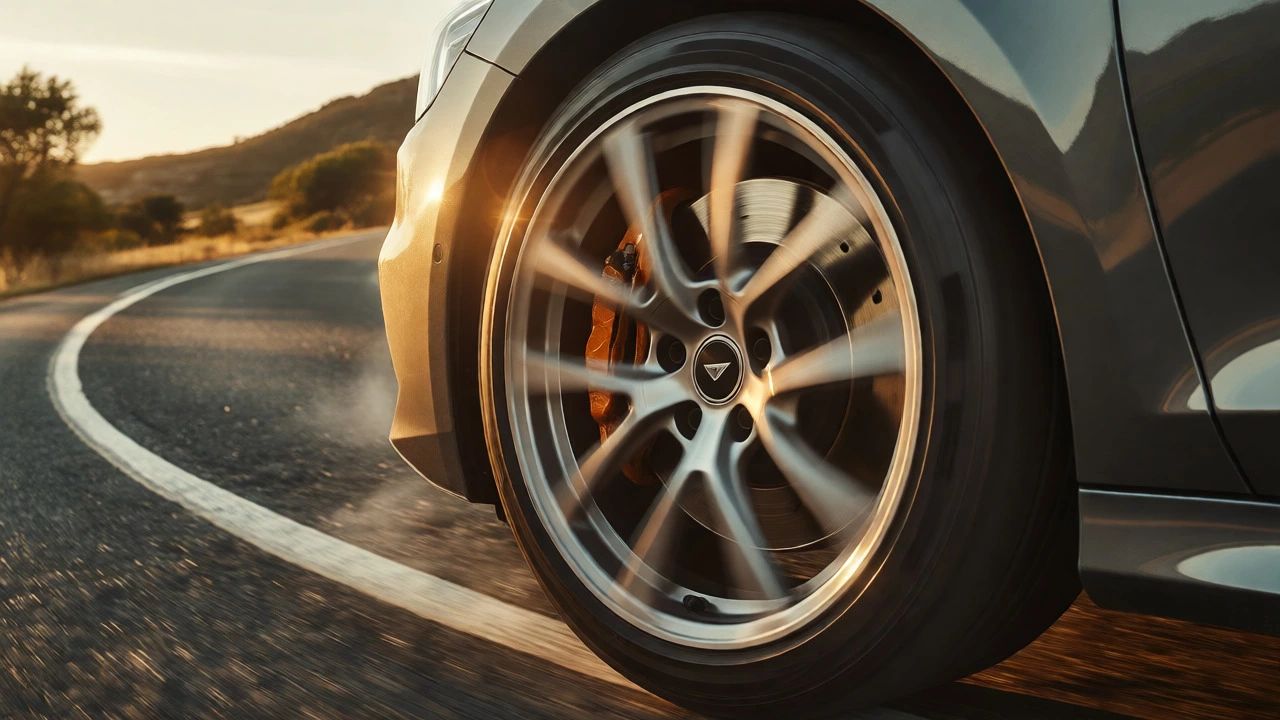
Why does weight matter? It’s called unsprung mass. This is the weight of components not supported by the vehicle’s suspension-wheels, tires, brakes. When you reduce unsprung mass, your suspension has less work to do. It can react faster to bumps, keeping the tire planted on the road. In my experience driving modified hatchbacks around the Torrens Gorge, dropping 2kg per corner via lighter alloys made the steering feel sharper immediately. You don’t need a race track to notice it; you’ll feel it taking a roundabout at speed.
Heat dissipation is the second big win. Brakes get hot. Really hot. Steel conducts heat poorly compared to aluminum alloys. When brakes overheat, they fade, meaning stopping power drops. Alloy wheels help vent this heat away from the brake calipers. If you drive aggressively or tow a trailer, this isn’t optional-it’s safety.
Aesthetics and Resale Value
Let’s be honest: we buy things because they look good. A set of well-chosen alloys transforms a car’s stance. They fill the wheel arches better, especially if you pair them with slightly lower-profile tires. This visual impact translates directly to resale value. Used cars with damaged steelies often sell for less than those with clean, matching alloys. Buyers perceive alloys as a sign of care and maintenance.
But here’s the trap: don’t go too crazy. Oversized alloys (say, 19-inch rims on a compact car) might look aggressive, but they ruin ride comfort. You lose sidewall cushioning. Every pothole becomes a thud in your cabin. In Australia, where road quality varies wildly between city centers and regional highways, sticking to sizes close to factory specs usually yields the best balance of style and sanity.
Durability: Where Steel Wins
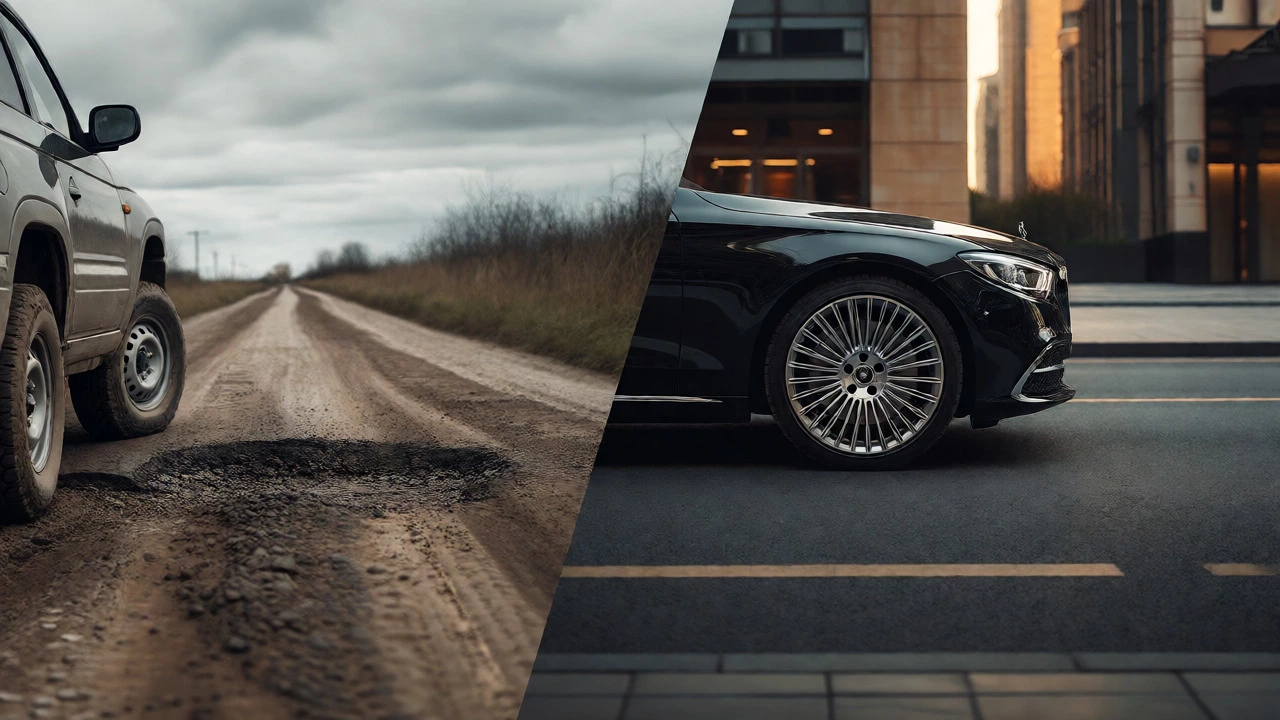
If you live in a rural area with rough roads, steel wheels have a distinct advantage. They bend rather than crack. Hit a deep pothole at 60km/h? Your steel rim might buckle. You can hammer it back into shape with a mallet and a bit of luck. An alloy wheel, however, will likely crack. Cracked alloys are dangerous. They can fail catastrophically at high speeds. Repairing them requires specialized welding, which costs money and isn’t always reliable.
Corrosion is another factor. Modern alloys are coated well, but curb rash-that scraping against concrete parking blocks-is common. Once the clear coat breaks, oxidation sets in. Steel rusts too, but surface rust is easy to scrub off. Structural corrosion in alloys can weaken the metal over time, especially in coastal areas with salt air. If you park near the beach, rinse your wheels regularly.
Cost Analysis: Upfront vs Long-Term
Steel wheels are dirt cheap. You can grab a set for under $50 AUD. Alloys range from $300 to $3,000+ per set. So why pay more? Consider the total cost of ownership. Lighter wheels mean less strain on suspension components like bushings and shocks. Over five years, you might save on replacement parts. Plus, better fuel economy from reduced rotational mass adds up, though the gains are modest-maybe 1-2% in real-world driving.
| Feature | Alloy Wheels | Steel Wheels |
|---|---|---|
| Weight | Lighter (reduces unsprung mass) | Heavier (increases inertia) |
| Heat Dissipation | Excellent (cools brakes) | Poor (traps heat) |
| Durability | Brittle (cracks on impact) | Malleable (bends on impact) |
| Repair Cost | High (specialist welding) | Low (hammer/mallet fix) |
| Aesthetics | High (various designs) | Low (utilitarian) |
| Price | $300 - $3000+ | $50 - $150 |
When Should You Buy Alloys?
You should consider buying alloy wheels if:
- You prioritize handling and steering response.
- You drive in conditions requiring frequent braking (mountainous terrain, city traffic).
- You want to improve the visual appeal for resale purposes.
- Your current steel wheels are rusted through or bent beyond repair.
You should stick with steel if:
- You drive primarily on rough, unpaved, or poorly maintained roads.
- Budget is your absolute top priority.
- You plan to swap wheels seasonally (e.g., winter tires on steelies).
- You don’t care about aesthetics and prefer low-maintenance utility.
Buying Tips: Avoid These Mistakes
First, check the bolt pattern. Not all cars use the same spacing. A mismatch means you can’t mount the wheels without adapters, which add weight and potential failure points. Second, mind the offset. Offset determines how far the wheel sits inward or outward from the hub. Get it wrong, and your wheels might rub against the fender liner when turning. Use a fitment calculator specific to your car model before purchasing.
Third, beware of "cast" vs "forged" alloys. Cast alloys are poured into molds. They’re cheaper but heavier and weaker. Forged alloys are pressed under extreme pressure. They’re stronger, lighter, and significantly more expensive. For a daily driver, cast alloys are fine. For performance builds, forged is worth the premium.
Finally, buy used carefully. Inspect for hairline cracks, especially around the spokes. Run your finger along the inner barrel. Any sharp edges indicate previous damage. Test balance them before mounting. Unbalanced alloys cause steering vibration at highway speeds, annoying and potentially damaging to your wheel bearings.
Do alloy wheels improve fuel economy?
Yes, but marginally. Lighter wheels reduce rotational mass, requiring less energy to accelerate. However, the savings are typically small, around 1-2%, unless you are switching from very heavy steelies to lightweight forged alloys. Driving habits and aerodynamics play a much larger role in fuel consumption.
Are alloy wheels easier to repair than steel?
No, they are generally harder and more expensive to repair. Steel wheels can often be hammered back into shape if bent. Alloy wheels tend to crack upon impact, requiring specialized welding or complete replacement. Cosmetic repairs like refinishing curb rash are possible but costly.
Can I put bigger alloy wheels on my car?
Yes, but you must maintain the overall diameter of the tire-wheel combo. If you increase wheel size, you must decrease tire profile height to keep the circumference similar. This ensures your speedometer remains accurate and prevents rubbing against the suspension or bodywork. Consult a professional for proper sizing.
Do alloy wheels rust?
Aluminum does not rust like iron-based steel. However, alloys can corrode due to oxidation, especially if the protective coating is damaged by curb rash or harsh chemicals. This appears as white powder or pitting. Regular cleaning and waxing prevent this degradation.
Is it safe to drive on cracked alloy wheels?
It is risky. Small hairline cracks may hold for a while, but they can expand under stress, leading to sudden wheel failure. If you hear a clicking noise or feel vibration, inspect the wheel immediately. Replace any wheel with visible structural cracks to ensure safety.