Alloy Rim Value Estimator
Enter your wheel details below to estimate whether you should scrap them for cash or sell them as usable parts.
Option 1: Scrap Yard
Best if wheels are damaged or generic.
$0.00 Estimated Cash Payout- ✓ Quick & Easy
- ✓ No negotiation needed
- ✗ Lowest value
Option 2: Resale (Used Parts)
Best if structurally sound and branded.
$0 to $0 Estimated Market Range- ✓ Higher profit potential
- ✓ Better for luxury/premium brands
- ✗ Requires photos/listing effort
You’re staring at a stack of scratched, curb-rashed wheels in your garage or yard. Maybe you just upgraded to new tires and want to clear out the old set. Or maybe you found them on the side of the road and are wondering if they’re trash or treasure. The question is simple: are alloy rims worth anything?
The short answer is yes, but how much depends entirely on whether you treat them as scrap metal or usable parts. A single damaged rim might fetch $5-$10 for its raw aluminum content, while a clean, brand-name set could sell for hundreds. This guide breaks down exactly how to determine the value of your alloy wheels, covering scrap weight calculations, resale potential, and the specific factors that drive price.
Scrap Metal Value: What’s Your Aluminum Actually Worth?
If your wheels are cracked, bent beyond repair, or completely stripped of their finish, their primary value lies in their material composition. Alloy wheels are not made of pure aluminum; they are an alloy (a mixture) typically containing aluminum, silicon, magnesium, and sometimes copper or zinc. This mix makes them stronger than steel but slightly less valuable per pound than pure aluminum scrap.
As of late 2026, the market rate for clean alloy wheel scrap generally hovers between $0.75 and $1.25 per pound. However, this number fluctuates based on global commodity prices. You can’t just throw them in the general "non-ferrous" bin at most yards without checking first. Many scrapyards pay a premium specifically for "clean cast aluminum," which includes wheels with the tire removed and no heavy steel weights attached.
To calculate your quick cash value, follow these steps:
- Remove the tires: Scrap yards deduct significant weight for rubber. If you leave the tires on, you’ll get paid only for the net weight after they subtract the rubber estimate, often at a lower rate.
- Strip the hardware: Remove lug nuts, center caps, and any steel balance weights. These contaminants reduce the grade of your aluminum.
- Weigh them: Use a bathroom scale or a hanging scale. A standard passenger car alloy wheel weighs between 18 and 25 pounds. A truck or SUV wheel can weigh 30 to 45 pounds.
- Do the math: Multiply the total weight by the current local scrap rate. For example, four 20-pound wheels equal 80 pounds. At $1.00/lb, that’s $80. Not bad for clearing space in your garage.
Keep in mind that some scrapyards offer flat rates per set rather than per pound. Always call ahead. Ask specifically: "What do you pay for clean alloy wheels with tires off?" This shows you know what you’re talking about and prevents lowballing.
Resale Potential: When Wheels Are More Than Just Metal
If your wheels are structurally sound, straight, and have decent cosmetic condition, selling them as used parts yields far more money than scrapping them. Here, the value shifts from weight to utility and aesthetics.
The biggest driver of resale value is brand recognition. OEM (Original Equipment Manufacturer) wheels from major brands like BMW, Mercedes-Benz, Audi, or Porsche hold value better than generic aftermarket brands because enthusiasts trust their fitment and quality. Custom forged wheels from high-end manufacturers like BBS, HRE, or Vossen command even higher prices, sometimes retaining 50-70% of their original cost if well-maintained.
However, condition is king. A small crack renders a wheel unsafe for driving, dropping it instantly to scrap value. A bend that can be professionally repaired might still sell, but buyers will demand a discount. Cosmetic flaws like curb rash are common and fixable, so they don’t kill value unless they are severe. Deep gouges that expose bare metal or affect structural integrity are red flags.
Where do you sell them? Facebook Marketplace and Craigslist work best for local sales, avoiding shipping costs. Enthusiast forums (like Bimmerpost for BMW owners or AudiWorld) are excellent for niche brands where buyers search for specific part numbers. eBay is viable but eats into profits with fees and complex shipping logistics for heavy items.
| Condition | Best Sale Route | Estimated Price Range (Set of 4) | Effort Level |
|---|---|---|---|
| Cracked/Broken | Scrap Yard | $20 - $60 | Low (Drop-off) |
| Heavy Curb Rash/Poor Finish | Facebook Marketplace | $50 - $150 | Medium (Listing/Negotiation) |
| Good Condition/Generic Brand | Local Classifieds | $100 - $300 | Medium |
| Excellent/OEM Luxury Brand | Niche Forums/eBay | $300 - $800+ | High (Photos/Shipping) |
| Premium Forged (BBS/HRE) | Specialized Marketplaces | $800 - $2,000+ | Very High |
How to Check for Hidden Damage Before Selling
You might think your wheels look fine, but hidden damage can devalue them or make them unsafe. Buyers today are savvy; they ask for close-ups of the inner barrel and mounting surface. If you miss something, you risk returns or angry messages.
Start with the visual inspection. Look for hairline cracks radiating from the spoke holes or the valve stem area. These are stress points. Next, check the mounting face-the flat part that touches the hub. Rust or pitting here can cause vibrations later. If the wheel has a lip (the outer edge), inspect it for deep cuts. A shallow scratch is polishable; a deep gouge might require welding and refinishing, costing $50-$100 per wheel.
For structural integrity, spin the wheel on a balancer if possible. Wobble indicates a bend. If you don’t have access to equipment, roll it on a flat concrete floor. A true wheel rolls smoothly; a bent one wobbles noticeably. Also, check the air seal. Inflate the tire (if mounted) or apply soapy water to the bead area if unmounted. Bubbles mean a leak, which could indicate a micro-crack or a damaged lip.
Remember to identify the exact specifications before listing. Write down the size (e.g., 18x8.5), bolt pattern (e.g., 5x112), offset (ET35), and center bore. Including these details in your ad filters out incompatible buyers and speeds up the sale. Photos should include the front face, backside, and close-ups of any flaws. Honesty builds trust and prevents wasted time.
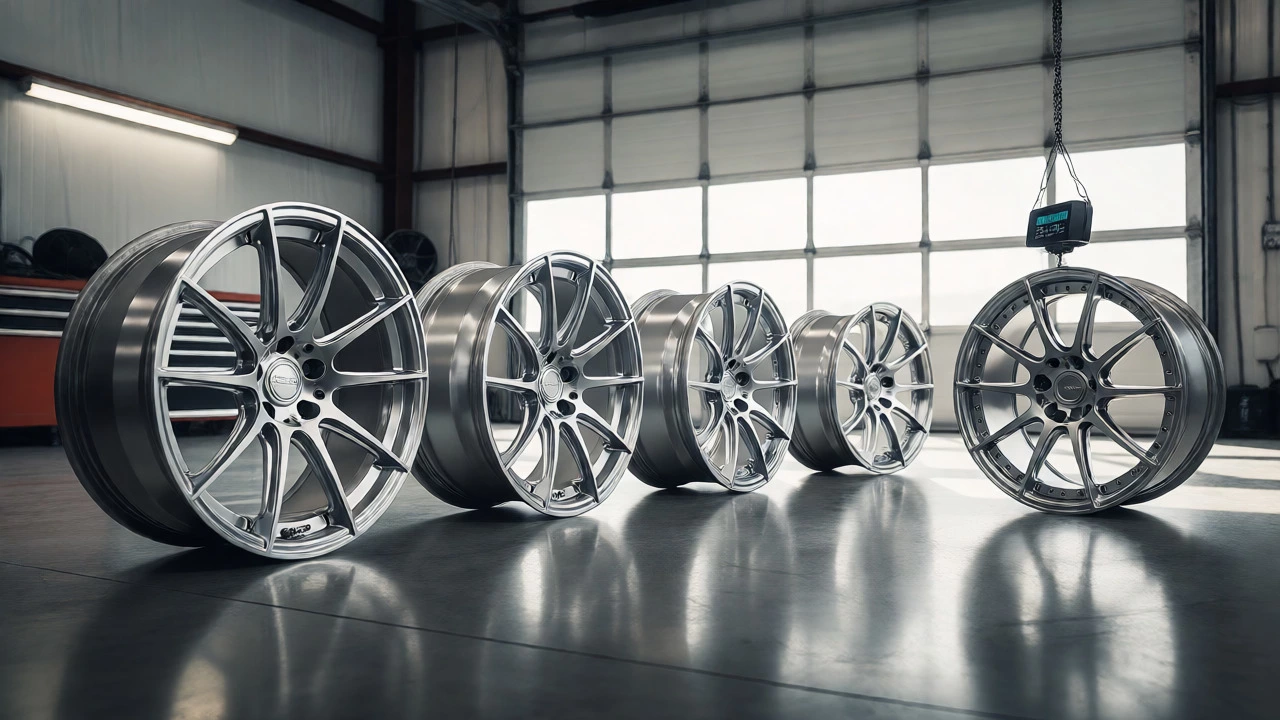
Factors That Kill Value (And How to Fix Them)
Not all damage is fatal, but some issues turn profitable wheels into expensive headaches. Understanding the difference saves you money.
Corrosion: Surface oxidation can be polished away. But white corrosion (oxidation under the clear coat) or bubbling paint suggests poor previous repairs or long-term neglect. This lowers value significantly because refinishing is risky.
Bends: Small bends can be straightened by professional wheel repair shops for $50-$100 per wheel. Large bends, especially those affecting the structural spokes, are usually not worth repairing. The metal fatigues during the bending process, making future failure likely.
Missing Hardware: Never sell wheels without center caps if you have them. They add perceived value. If they’re missing, buy universal replacements ($10/set) to make the set look complete. Lug nuts are less critical since buyers usually use their own, but having them adds a nice touch.
Tire Condition: If you’re selling wheels with tires, the tread depth matters. Tires with less than 4/32" tread are considered worn-out. In many cases, removing the tires increases the wheel’s appeal to buyers who want to mount their own fresh rubber. It also reduces shipping weight if you’re mailing them.
Recycling Ethics and Environmental Impact
If you decide to scrap your wheels, you’re contributing to a sustainable loop. Aluminum is infinitely recyclable, and reprocessing it uses only 5% of the energy required to produce new aluminum from bauxite ore. According to the Aluminum Association, recycling one ton of aluminum saves approximately 14,000 kilowatt-hours of electricity.
Don’t just toss them in the regular trash. Landfills take decades to break down rubber tires, and buried aluminum takes centuries. By taking them to a certified recycler, you ensure the material enters the supply chain again. Some auto parts stores, like AutoZone or O’Reilly, may accept old wheels for a small fee or free disposal, though they rarely pay cash. Dedicated metal recyclers are your best bet for getting paid.
When choosing a recycler, ask if they separate ferrous (steel) from non-ferrous (aluminum) metals. Mixed loads often result in lower payouts because the facility has to sort them manually. Clean, separated aluminum gets the best rates.
Quick Checklist: Maximizing Your Return
Before you act, run through this checklist to ensure you’re getting top dollar.
- Clean them: Wash the wheels thoroughly. Remove brake dust and grime. A shiny wheel photographs better and looks more valuable.
- Identify the brand: Check the back of the wheel for manufacturer stamps (e.g., Ronal, Borbet, Enkei). Generic unbranded wheels sell for less.
- Measure everything: Confirm diameter, width, bolt pattern, and offset. Mistakes here lead to unsold inventory.
- Take good photos: Natural light works best. Show all four wheels together to prove they are a matching set.
- Check local laws: Some cities restrict moving large amounts of scrap metal without a permit or proof of ownership. Keep receipts if you bought them recently.
- Get multiple quotes: Call three different scrapyards. Prices vary wildly based on their current inventory levels.
Frequently Asked Questions
Can I sell cracked alloy wheels?
Yes, but only as scrap. Cracks compromise structural integrity, making them unsafe for driving. Most buyers won't take them, so your best option is a metal recycler who pays by weight.
Do tires need to be removed to sell wheels?
For scrap, yes, to maximize weight-based payment. For resale, it depends. If the tires are nearly new, selling as a package deal can increase value. If tires are worn, remove them to highlight the wheels' condition and reduce shipping hassle.
How much is a set of used BMW alloy wheels worth?
It varies by model and year. A set of 18-inch M-Sport wheels in good condition might sell for $400-$800. Older or damaged sets might go for $150-$300. Always check sold listings on eBay for your specific part number to get real-time data.
Is it better to scrap or sell rusty wheels?
If the rust is superficial, cleaning and polishing might make them sellable. If the rust is deep and flaking, especially on the inner barrel, they are likely scrap-only. Refinishing costs often exceed the resale value for heavily corroded generic wheels.
What affects scrap aluminum prices the most?
Global supply and demand, energy costs, and purity levels. Clean, sorted aluminum commands higher prices than mixed or dirty loads. Market trends in construction and automotive manufacturing also influence rates.