Alloy Wheels Value Calculator
Enter your details below to determine if upgrading from steel to alloy wheels is a smart financial and performance decision for you.
Vehicle & Usage Profile
Financial Inputs (AUD)
Verdict:
Detailed Analysis
You’re standing in the tyre shop, staring at two sets of wheels. One set is plain steel, cheap and cheerful. The other is shiny alloy wheels, costing three times as much. Your gut says they look cooler. Your brain asks: "Is this just vanity tax, or does it actually change how my car drives?"
If you live in Adelaide or anywhere else with rough council roads, you’ve probably seen more than one bent rim. It hurts to replace them. So, are alloy wheels worth the money? The short answer is yes, but only if you understand what you’re buying. They aren’t just pretty faces; they change weight distribution, heat dissipation, and ride comfort. But they also crack easier than steel when you hit a pothole like it owes you money.
The Weight Difference That Actually Matters
Here’s the physics part without the headache. Most standard cars come with steel wheels from the factory. These are heavy. A typical 16-inch steel wheel might weigh around 9 to 10 kilograms. An equivalent alloy wheel made from aluminium magnesium usually weighs 7 to 8 kilograms. You save about 2-3 kilos per corner. Multiply that by four, and you’ve shed nearly 10 kilos of unsprung mass.
Why does this matter? Unsprung mass is everything the suspension doesn’t control directly-wheels, tyres, brakes. Less weight here means your suspension can react faster to bumps. In real-world terms, your car feels more agile. Steering response tightens up. When you turn into a roundabout on North Terrace, the car feels less sluggish. This isn’t marketing fluff; it’s basic inertia. Lighter objects are easier to start moving and stop moving.
| Feature | Steel Wheel | Alloy Wheel |
|---|---|---|
| Average Weight | 9.5 kg | 7.5 kg |
| Cost Per Unit | $50 - $80 AUD | $150 - $400+ AUD |
| Heat Dissipation | Poor | Excellent |
| Durability (Potholes) | Bends (repairable) | Cracks (often unrepairable) |
Braking Performance and Heat Management
Ever notice how steel wheels get blistering hot after a hard drive down the hills? That’s because steel is a poor conductor of heat compared to aluminium alloys. Alloy wheels act as heat sinks. They pull heat away from your brake discs and rotors more efficiently. This reduces brake fade during long descents or spirited driving.
If you tow a caravan out to Victor Harbor or do a lot of highway running, this thermal benefit is real. Cooler brakes mean consistent stopping power. You won’t feel that spongy pedal halfway through a weekend trip. For daily commuters doing school runs, you might not notice the difference. But for anyone pushing their car harder, alloys provide a tangible safety margin.
The Pothole Problem: Steel vs. Alloy Durability
Let’s address the elephant in the room. We all know Australian roads are tough. If you hit a nasty pothole in Melbourne or Sydney, what happens?
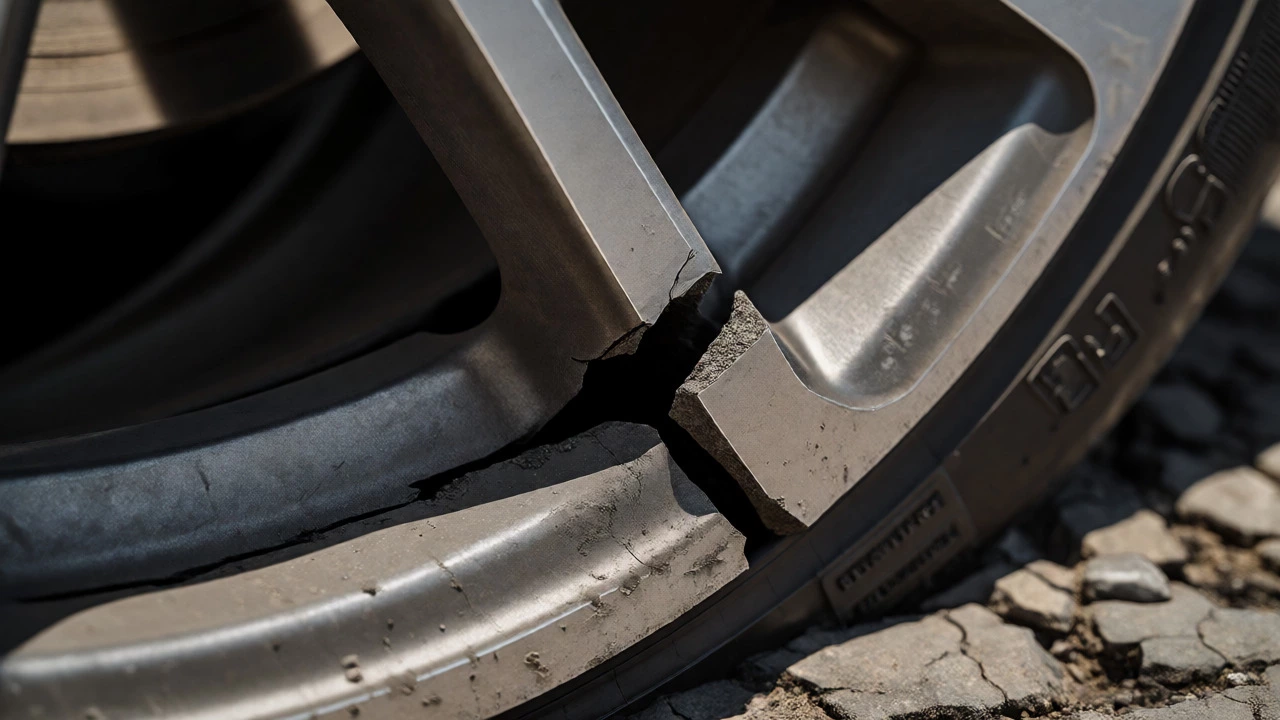
A steel wheel tends to bend. It looks ugly, maybe vibrates at high speeds, but a skilled welder or press operator can often straighten it back to shape. It’s repairable. An alloy wheel, being brittle due to its cast structure, tends to crack. Once an alloy cracks, especially near the mounting face, it’s often scrap metal. You can’t just hammer it back. Welding alloys requires specialized equipment and skill, and even then, the structural integrity is compromised.
This risk factor changes the value equation. If you drive exclusively on smooth motorways, alloys are low-risk. If you navigate rural gravel roads or city streets filled with construction zones, the cost of replacing cracked alloys adds up fast. Factor in the replacement cost ($200-$500 per wheel) versus the repair cost of steel ($50). Suddenly, the "worth" calculation gets tricky.
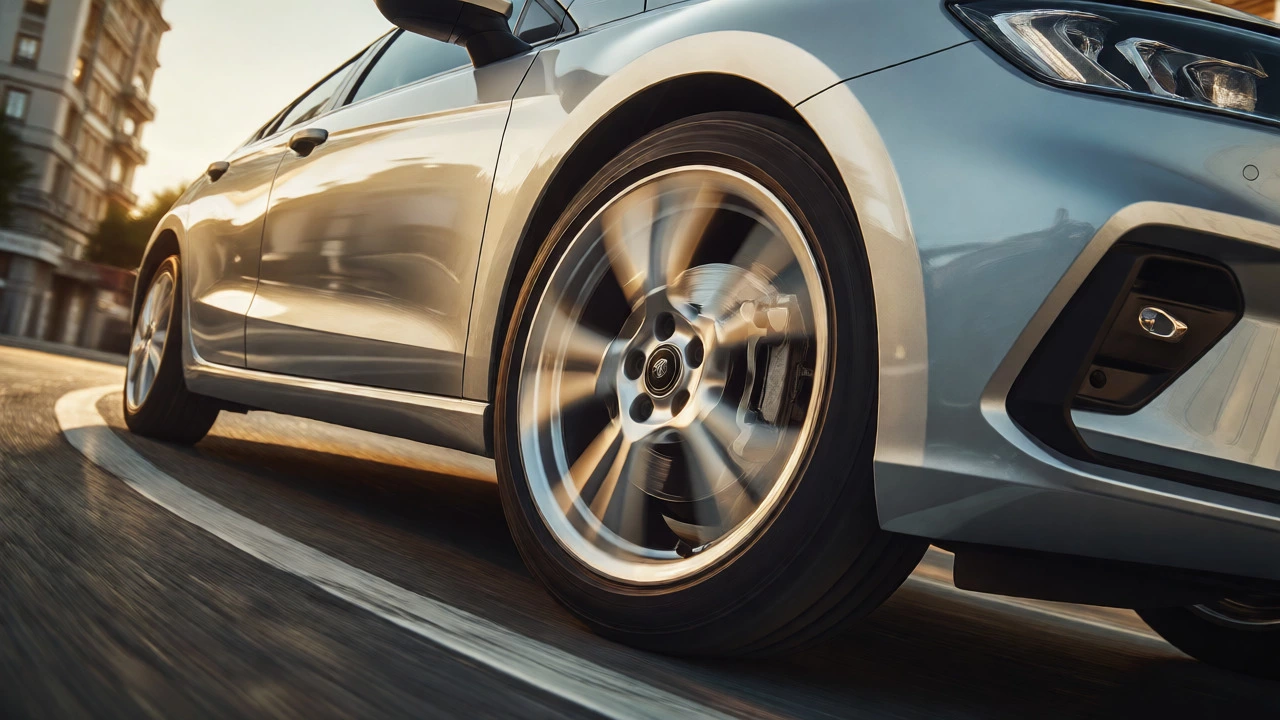
Aesthetics and Resale Value
Let’s be honest: half the reason you want alloys is that they make your car look better. There’s no shame in that. A set of polished multi-spoke alloys transforms a boring hatchback into something sporty. It signals care and attention to detail.
Does this translate to cash? Sometimes. When selling a used car, a fresh set of quality alloys can add perceived value. Buyers assume the previous owner cared about maintenance. However, don’t expect to recoup the full purchase price. If you spent $2,000 on aftermarket alloys, you might see a $500 bump in resale value, provided they are clean and undamaged. Custom, niche designs might actually limit your buyer pool. Stick to popular sizes and finishes if resale is a priority.
Tyre Wear and Suspension Stress
Lighter wheels reduce stress on your suspension components. Ball joints, tie rods, and bushings last longer when they aren’t fighting heavy steel rims over every bump. Over five years, this could save you hundreds in suspension repairs.
However, there’s a catch. Many people upgrade to larger diameter alloys (e.g., going from 16-inch steel to 18-inch alloys) and fit low-profile tyres. Low-profile rubber has less sidewall cushion. While the wheel is lighter, the harsher ride can transmit more shock to the chassis. If you go bigger, ensure your offset and width match manufacturer specifications. Poorly fitted alloys can cause rubbing against fenders or accelerated wear on inner tyre edges.
When Are Alloy Wheels NOT Worth It?
Not everyone needs alloys. Here’s who should stick with steel:
- Winter Drivers: If you live in areas with salted roads (like parts of Tasmania or mainland snowfields), road salt corrodes alloys. Steel is tougher against chemical attack.
- Rough Road Commuters: If your daily route includes severe potholes, the risk of cracking expensive alloys outweighs the performance gain.
- Tight Budgets: If spending $1,000 on wheels means skipping essential maintenance like new brake pads, buy steel. Function beats form.
- Fleet Vehicles: For work vans that take a beating, steel is cheaper to replace and easier to repair.
How to Choose Quality Alloys
Not all alloys are created equal. Cheap imports can be porous, poorly balanced, and prone to corrosion. Look for these markers of quality:
- JWL/VIA Certification: This Japanese standard ensures the wheel has passed impact and fatigue tests. It’s a common benchmark in Australia.
- Flow Forming: Flow-formed alloys are stronger and lighter than standard cast ones. They offer a sweet spot between cost and performance.
- Finish Quality: Check the paint or powder coat thickness. Poor finishes chip easily, leading to curb rash and corrosion within months.
- Brand Reputation: Brands like OZ Racing, BBS, or reputable local suppliers offer warranties. No-name imports rarely do.
Buying second-hand alloys can be a smart move. Just inspect them closely for hairline cracks behind the spokes. Use a magnifying glass. If you see any, walk away. Also, check for bending by spinning the wheel; wobble indicates damage.
The Verdict: Is It Worth Your Cash?
For most modern drivers, alloy wheels are worth the money. The combination of reduced unsprung weight, better heat management, and improved aesthetics creates a noticeable upgrade in daily driving experience. The performance gains are subtle but real, particularly in handling and braking consistency.
However, treat them as an investment, not a disposable accessory. Protect them with regular cleaning and avoid aggressive curb parking. If you drive a budget commuter car on rough roads, weigh the replacement costs carefully. But if you want a car that feels sharper, stops cooler, and looks the part, alloys remain one of the best bang-for-buck modifications you can make.
Do alloy wheels improve fuel economy?
Yes, slightly. Because alloy wheels are lighter than steel, they reduce rotational mass. This requires less energy to accelerate the car. You might see a 1-2% improvement in fuel consumption, though driving habits have a much larger impact.
Can I repair a cracked alloy wheel?
It depends on the crack location and severity. Minor cracks can sometimes be welded by specialists, but it is risky. Structural cracks often require replacement. Always have a professional assess it before driving.
Are forged alloy wheels better than cast ones?
Forged wheels are stronger, lighter, and more durable than cast alloys because the metal grain structure is aligned. However, they are significantly more expensive. For street use, high-quality flow-formed cast alloys offer the best value.
Do alloy wheels rust?
Aluminium does not rust like iron (steel). However, alloys can corrode, especially if the protective coating is damaged. This appears as white powdery oxidation. Regular washing and waxing prevent this.
Will bigger alloy wheels make my car uncomfortable?
Usually, yes. Larger wheels require lower profile tyres, which have less air cushion. This transmits more road noise and vibration to the cabin. Stick to the manufacturer's recommended size range for optimal comfort.