Wheel Spacer Safety & Fitment Checker
Enter your planned modifications to check for potential safety risks and fitment issues.
Safety Assessment
-Recommendation
You see a car at a meet with wheels flush against the fender line, looking aggressive and planted. You want that look for your ride, but you’re hesitant. The internet is full of horror stories about wheels falling off or axles snapping. So, are wheel spacers safe? The short answer: yes, if installed correctly. The long answer involves understanding physics, material quality, and maintenance habits.
Wheel spacers are not inherently dangerous. They are simple machined aluminum discs that sit between your hub and wheel. Their job is to push the wheel outward, increasing track width and improving stance. But because they add an interface point in a high-stress load path, skipping steps here can lead to real trouble. This guide breaks down exactly how to keep them safe, what to avoid, and when you might need something better than a spacer.
The Physics Behind Spacer Safety
To understand safety, you have to look at leverage. Your wheel carries the weight of the car cornering forces, and braking torque. When you add a spacer, you move the contact patch (where the tire touches the road) further away from the suspension’s pivot points.
Think of it like holding a heavy suitcase close to your body versus extending your arm out. The farther the weight moves from the center, the more stress on the joint. In your car, this means increased load on the wheel bearings, ball joints, and tie rods. However, most modern cars handle small increases (5-10mm) without issue. Problems usually start when people go too wide-say, 25mm or more-without checking clearance or upgrading components.
Why Hub-Centric Is Non-Negotiable
This is the single biggest factor in spacer safety. Most aftermarket wheels are "lug-centric," meaning they center using the tapered or ball seats of the lug nuts. Factory wheels are often "hub-centric," using the center bore of the hub to align the wheel perfectly.
If you install a spacer without ensuring hub-centricity, the wheel relies entirely on the lug nuts for alignment. Lug nuts are designed to clamp, not to center. Over time, vibration causes them to loosen, leading to warped rotors or even stud failure. Always use high-quality aluminum hub-centric rings that match your hub diameter to your wheel’s center bore. If the ring doesn’t slide in smoothly, do not force it. It must be a snug, precise fit.
Anchored vs. Slip-On Spacers: Know the Difference
Not all spacers are created equal. There are two main types, and their safety profiles differ significantly.
- Slip-On Spacers: These are thin plates (usually under 10mm) that slip over the existing studs. The original lug nuts then thread through the spacer into the wheel. Because the studs remain exposed to shear forces, these are best for small adjustments. If you use a slip-on spacer thicker than 10mm, you risk reducing the thread engagement on the stud, which is dangerous.
- Anchored (Extended Stud) Spacers: These have threaded holes and come with longer studs or bolts. The spacer bolts onto the hub first, then the wheel bolts onto the spacer. This design maintains proper clamping force and thread engagement regardless of thickness. For anything over 10mm, anchored spacers are the safer choice.
| Feature | Slip-On Spacer | Anchored Spacer |
|---|---|---|
| Max Recommended Thickness | 5-10mm | 10-40mm+ |
| Installation Method | Original lugs pass through | Spacer bolts to hub; wheel bolts to spacer |
| Stress on Original Studs | High (shear force) | Low (clamping force only) |
| Safety Rating | Moderate (for small widths) | High (when torqued correctly) |

Torque Specs Are Not Suggestions
Here is where most DIY installs fail. You cannot just crank the nuts on until they feel tight. Wheel spacers require precise torque application. Why? Because the spacer adds a layer between the wheel and hub. If one side is tighter than the other, the wheel will wobble slightly as you drive. This uneven loading causes heat buildup and accelerates fatigue.
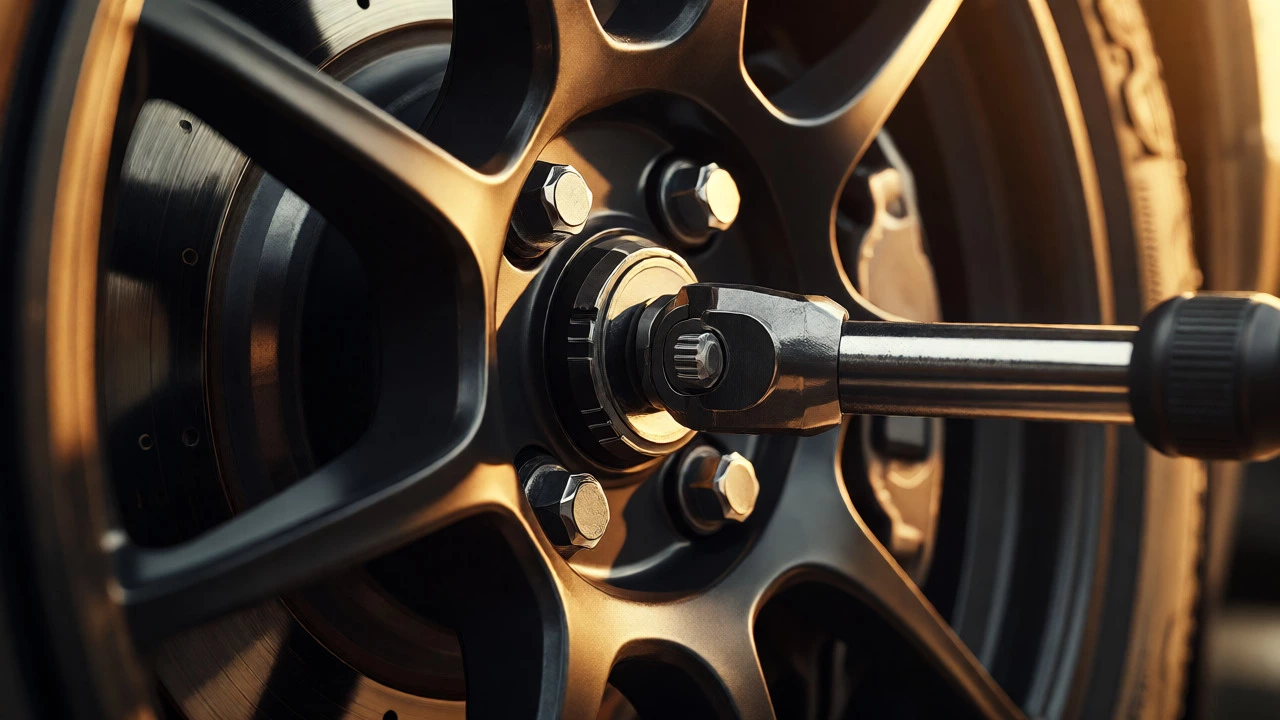
Always use a calibrated torque wrench. Check your vehicle manufacturer’s spec for lug nut torque (commonly 80-100 ft-lbs for passenger cars). Apply torque in a star pattern, not a circle. After driving 50 miles, re-torque the nuts. Metal settles and stretches under load, so this second check catches any initial loosening.
Impact on Suspension and Handling
Spacers change your scrub radius-the distance between where the steering axis hits the ground and the center of the tire. Increasing track width via spacers generally improves stability during cornering by lowering the center of gravity relative to the track width. You’ll feel less body roll and more grip.
But there’s a trade-off. Wider tracks put more lateral stress on outer CV joints and wheel bearings. If your car already has high mileage (over 100k miles), consider replacing wheel bearings before adding significant width. Also, watch for rubbing. Pushing wheels out can make them hit the inner fender liner during full lock or compression. Use a tape measure to check clearance at full steering angle and full suspension travel.
Quality Matters: Material and Manufacturing
A cheap spacer is a ticking time bomb. Look for forged aluminum alloys, typically 6061-T6. Cast aluminum is cheaper but weaker and prone to cracking under stress. Avoid spacers made from steel unless they are properly coated to prevent rust, which can seize them to the hub.
Check the tolerances. Good spacers are CNC-machined to within 0.01mm flatness. If the surface isn’t perfectly flat, it won’t seat evenly against the hub or wheel, creating vibration. Brands that specialize in fitment parts usually provide TUV certification or JWL standards compliance. If you can’t find certification info, walk away.
When to Skip Spacers Altogether
Sometimes, a spacer is the wrong tool for the job. If you need more than 20mm of offset correction, buying wheels with the correct offset is often cheaper and safer in the long run. Custom wheels eliminate the extra interface point entirely.
Also, avoid spacers on vehicles with worn suspension bushings or unaligned frames. The added leverage will exacerbate existing play, leading to faster wear. And if you tow heavy loads, spacers may increase sway instability. Test carefully before committing to daily towing duties.
Final Checklist Before Hitting the Road
Before you drive off, verify these points:
- Hub-centric rings are installed and seated correctly.
- Spacer type matches the required thickness (anchored for >10mm).
- All hardware is clean, dry, and undamaged.
- Lug nuts are torqued to spec in a star pattern.
- No visible gaps between hub, spacer, and wheel.
- Wheels spin freely without wobbling.
- Re-torque after 50 miles.
Wheel spacers are a legitimate modification when done right. They don’t magically break your car, but they demand respect for mechanical details. Prioritize fitment accuracy over brand names, and never skip the torque wrench. Your wheels stay on because of friction and precision-not luck.
Can wheel spacers cause vibrations?
Yes, if they are poorly manufactured, not hub-centric, or improperly torqued. Vibrations usually indicate an imbalance caused by uneven seating or loose hardware. Ensure hub-centric rings are used and re-torque after initial driving to eliminate this issue.
How thick can I go with wheel spacers?
For slip-on spacers, stick to 5-10mm to maintain stud strength. For anchored spacers, you can go up to 25-40mm depending on your wheel offset and fender clearance. Always check for rubbing at full steering lock and suspension compression before installing thicker spacers.
Do wheel spacers affect fuel economy?
Slightly. Wider track width increases aerodynamic drag and rolling resistance marginally. You might see a 1-2% drop in MPG, but this is often negligible compared to the handling benefits. Tire width and pressure have a much larger impact on fuel efficiency.
Are wheel spacers legal for inspection?
In most regions, yes, provided the wheels do not extend beyond the fenders and are securely mounted. Some strict inspections may flag exposed studs or lack of hub-centric rings. Always check local laws regarding maximum protrusion limits.
What happens if I forget hub-centric rings?
The wheel centers on the lug nuts instead of the hub. This leads to improper seating, causing vibrations, warped brake rotors, and potential lug nut loosening. Over time, the stress can snap studs or damage the hub face.