4x4 Wheel Spacer Safety & Installation Checker
You’ve just bought a set of aggressive all-terrain tires, but they’re rubbing against the inner fender well when you turn the steering wheel. Or maybe your 4x4 looks a bit "tucked in" and you want that wider, more planted stance. The quick fix everyone suggests is wheel spacers. But here’s the thing: throwing metal discs between your hub and wheel on a heavy-duty 4x4 isn’t exactly like putting them on a hatchback. You’re dealing with more weight, higher torque loads, and rougher terrain. So, are they actually safe? The short answer is yes, but only if you do it right. If you cut corners on quality or installation, you’re asking for trouble.
Why People Put Spacers on 4x4s
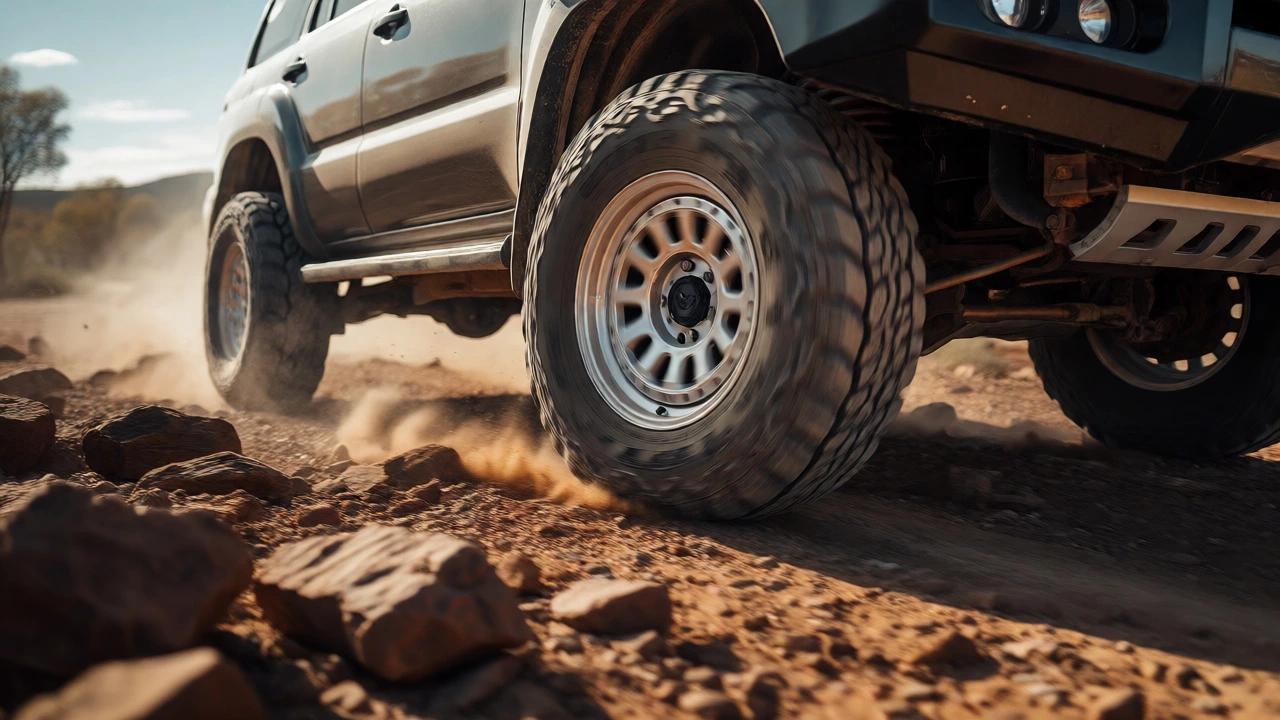
Before we talk about safety, let’s look at why you’d even consider this mod. It’s rarely just for looks, though that’s part of it. For most off-roaders, function comes first. When you lift a truck or SUV by two or three inches, the suspension geometry changes. Your wheels might stick out too far, causing them to hit the body panels during articulation. Spacers push the wheels back inward, restoring clearance. This prevents tire damage and keeps your paint from getting shredded by mud flaps or fender liners.
Then there’s stability. A wider track width lowers the center of gravity relative to the track, which reduces body roll in corners. On loose gravel or sand, a wider footprint can improve traction and reduce the risk of tipping over. Plus, if you’re running beadlock-style wheels or specific aftermarket rims that have an odd offset, spacers are often the only way to make them fit without grinding down your brake calipers.
The Risks: What Can Go Wrong?
Let’s be real-adding hardware between the wheel and the hub introduces new failure points. The biggest concern is wheel stud shear. Your stock studs were designed to handle the load of the wheel sitting directly on the hub. When you add a spacer, especially a thick one (over 15mm), you extend the lever arm. Every bump, pothole, or rock strike puts extra stress on those studs. If you’re driving hard off-road, that stress compounds rapidly.
Another issue is vibration. Poorly balanced spacers or incorrect lug nut torque can cause wobbles at highway speeds. This isn’t just annoying; it wears out your wheel bearings prematurely. Wheel bearings are expensive and labor-intensive to replace. If you ignore early signs of bearing wear caused by improper spacer installation, you could end up replacing them twice as often.
Finally, there’s the legal and insurance angle. In Australia, modifying wheel tracks beyond certain limits may require engineering certification depending on your state. If you crash and the insurer determines the modification contributed to the accident because of poor installation, they might contest the claim. Always check local regulations before bolting anything on.
Hub-Centric vs. Lug-Centric: Don’t Skip This Step
This is where most DIYers mess up. There are two types of spacers: hub-centric and lug-centric. A hub-centric spacer has a raised ring on the back that fits into the center bore of your wheel and mates perfectly with the hub. This centers the wheel precisely using the hub itself, not the lug nuts. The lug nuts then just clamp the wheel down.
A lug-centric spacer relies entirely on the conical seats of the lug nuts to center the wheel. Over time, as you tighten and loosen the nuts, the wheel can shift slightly. This causes vibrations and uneven wear. For a 4x4, always use hub-centric spacers. If your spacer doesn’t come with a built-in hub ring, buy separate hub-centric rings. These are cheap aluminum or plastic rings that fill the gap between the spacer’s center bore and your vehicle’s hub. Without them, you’re inviting vibration headaches.
Choosing the Right Spacer Material and Thickness
Not all spacers are created equal. Cheap, cast aluminum spacers can crack under high stress. Look for forged aluminum or steel spacers. Forged aluminum is strong, lightweight, and corrosion-resistant. Steel is heavier but incredibly durable. Avoid cast aluminum if you plan to go off-road seriously.
Thickness matters too. Here’s a simple rule of thumb for 4x4s:
- 5mm to 10mm: Generally safe with existing studs. Good for minor clearance fixes.
- 15mm to 20mm: Often requires extended studs or bolts. Check stud length carefully.
- Over 20mm: Usually requires a bolt-on system where the spacer has its own threaded holes. Do not try to reuse short stock studs here.
If you need more than 20mm of spacing, consider custom offset wheels instead. They cost more upfront but eliminate the added complexity and potential failure points of thick spacers.
| Feature | Hub-Centric | Lug-Centric |
|---|---|---|
| Centering Method | Hub Bore & Ring | Lug Nut Cones |
| Vibration Risk | Low | High |
| Installation Ease | Moderate (requires precise fit) | Easier (but less precise) |
| Recommended for Off-Road | Yes | No |
| Cost | Slightly Higher | Lower |
Installation Tips That Save Your Wheels
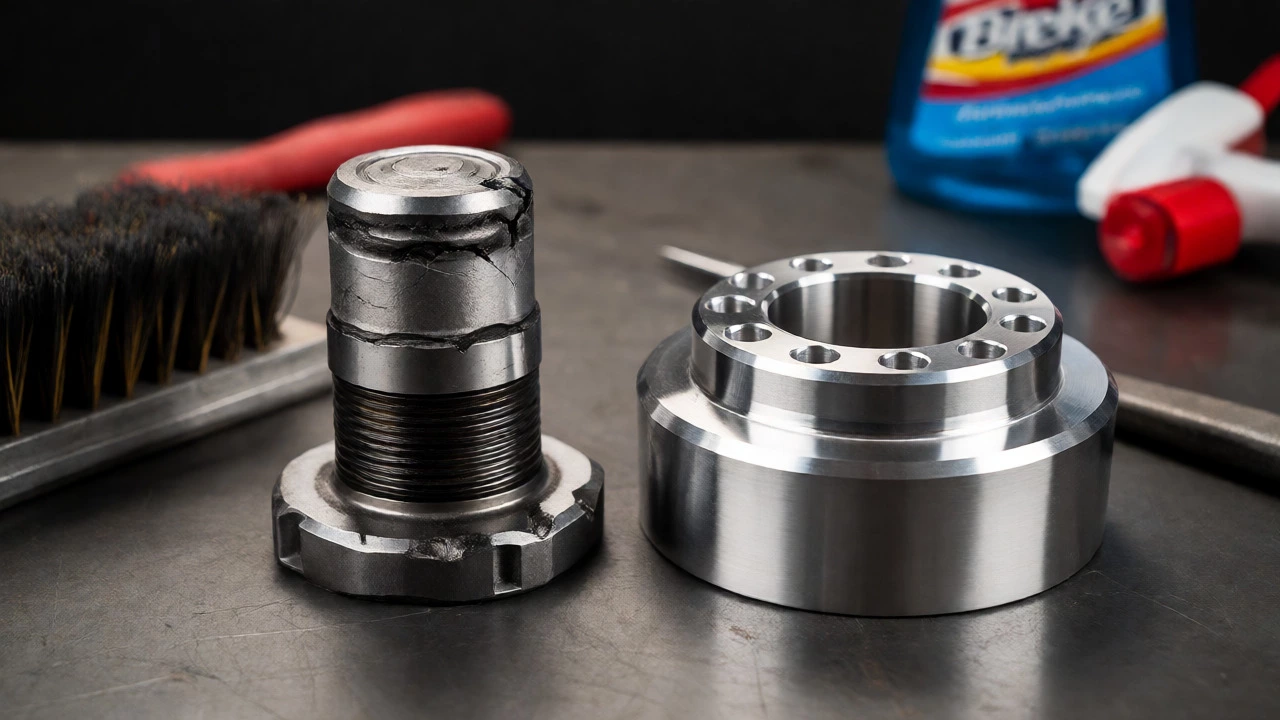
Getting the parts home is half the battle. Installation is where precision counts. First, clean everything. Remove rust and dirt from the hub face and the back of the wheel. Any debris will prevent proper seating and cause runout (wobble). Use a wire brush and brake cleaner.
Torque specs are non-negotiable. Most people guess or use an impact gun until it stops spinning. That’s wrong. Use a calibrated torque wrench. Follow the manufacturer’s spec for your vehicle, usually around 100-120 Nm for many trucks, but check your owner’s manual. Re-torque the lug nuts after 50-100 km of driving. This settles the components and catches any loosening early.
Also, check your caliper clearance. Before tightening everything down, spin the wheel by hand. Listen for scraping. Ensure the spacer doesn’t push the wheel so far out that it hits the bumper or fender liner when turning fully lock-to-lock.
When to Say No to Spacers
Spacers aren’t magic. If your current setup is already pushing the limits of your suspension components, adding leverage through spacers might accelerate wear on ball joints and tie rods. If you notice clunking noises from the front end after installing spacers, don’t ignore it. Get an alignment immediately. Wider track widths change toe and camber settings, and bad alignment eats tires fast.
Also, if you’re towing heavy loads regularly, keep spacers modest. Heavy trailers put massive strain on the rear axle. Extra leverage from wide spacers can overload wheel bearings quicker than normal. Monitor temperatures on your hubs after long drives-if they’re excessively hot, you might have preload issues from the spacer installation.
Do wheel spacers affect ride quality?
Generally, no, if installed correctly. However, very thick spacers can increase unsprung weight slightly, which might make the ride feel harsher on rough roads. More commonly, improper installation causes vibrations, which drivers mistake for ride quality issues. Proper hub-centric fitting eliminates most vibration problems.
Can I drive off-road with wheel spacers?
Yes, thousands of 4x4 owners do it safely. Key factors are using high-quality forged spacers, ensuring they are hub-centric, and re-torquing lugs regularly. Avoid extremely thin, cheap cast spacers that can crack under torsional stress during deep ruts or rock crawling.
How thick can I go before needing new studs?
It depends on your vehicle, but generally, anything over 15mm-20mm risks insufficient thread engagement with stock studs. For thicker setups, switch to a bolt-on spacer system or install extended studs specifically designed for spacer applications to maintain safety margins.
Will spacers void my warranty?
Potentially, if the dealer claims the modification caused a failure (like a broken axle shaft or wheel bearing). Keeping receipts for professional installation and using reputable brands helps. In some regions, certified modifications remain covered, so check with your insurer and dealer.
What is the best brand for 4x4 spacers?
Look for brands known for automotive precision rather than generic eBay listings. Brands like BONOSS, RacerTech, or local specialized suppliers often provide TUV-certified or JWL-rated products. Certifications indicate rigorous testing for strength and balance.