Body Kit Brand Matcher
What is your approximate budget for the body kit?
Include cost of parts only. Installation labor varies.
Your Perfect Match
Based on your inputs, we recommend these brands:
You just bought a clean ride, maybe a used BMW M3 or a fresh Subaru WRX. It looks great, but it feels... stock. You want that aggressive stance, the wider arches, the splitter that hugs the tarmac. But then you hit the wall: body kit brands. There are hundreds of names out there. Some cost more than your monthly rent. Others look like they were molded from cheap plastic and hope. How do you pick the right one without wasting money on something that fades in six months or rattles at highway speeds?
I’ve spent years in Adelaide’s garage scene, watching builds rise and fall based on their aesthetic choices. The truth is, not all kits are created equal. Material matters. Fitment matters. And honestly, brand reputation matters because support when things go wrong is priceless. Let’s break down who actually delivers quality, who offers value, and who you should probably skip.
Understanding What Makes a "Good" Brand
Before we name names, let’s define what makes a brand good. It’s not just about Instagram likes. A reputable aftermarket body kit manufacturer produces exterior aerodynamic components designed to alter a vehicle's appearance and sometimes its performance characteristics. When I say "good," I mean three specific things:
- Material Quality: Does it use genuine carbon fiber, high-grade ABS plastic, or brittle fiberglass? Cheap fiberglass cracks. Good ABS bends.
- Fitment Precision: Does it bolt on with minimal gaps? Or does your installer need a heat gun and prayer?
- Support & Warranty: If a bracket breaks during shipping, will they send a replacement part, or ghost you?
Many beginners make the mistake of buying the cheapest option available on eBay, only to find out later that the front lip sits two centimeters off the bumper. That gap ruins the whole look. Paying a bit more for a brand known for precision saves you labor costs later.
The Premium Tier: Where Money Buys Perfection
If budget isn’t your primary concern, certain brands set the standard. These companies don’t just make parts; they engineer them. They often work closely with OEMs (Original Equipment Manufacturers) or have deep roots in motorsport.
| Brand | Origin | Primary Material Focus | Best For | Price Range |
|---|---|---|---|---|
| Liberty Walk | Japan | Fiberglass / Carbon Fiber | Wide-body conversions, show cars | $$$ |
| Rocket Bunny | USA/Japan | Fiberglass | Porsche, Nissan GT-R, Audi R8 | $$$ |
| APR Performance | Germany/USA | ABS Plastic / Carbon Fiber | Volkswagen Group, Audi, BMW | $$ |
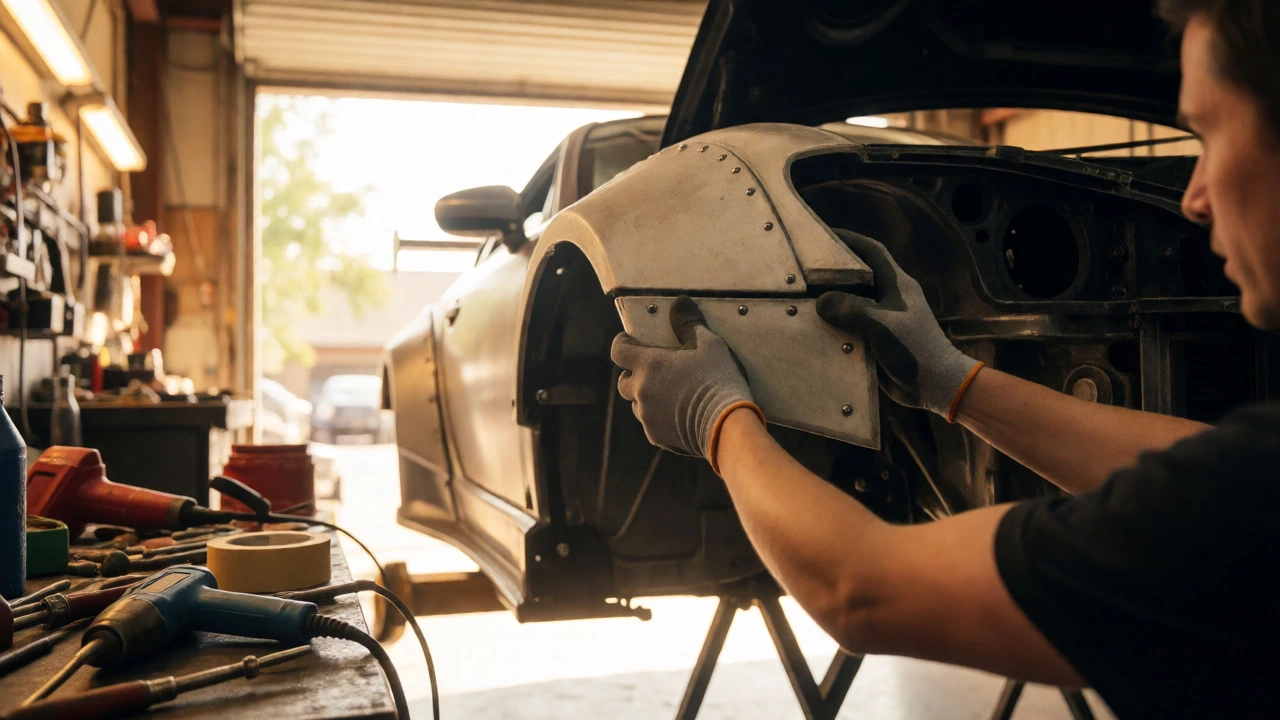
Liberty Walk is arguably the most famous name in wide-body kits. Founded by Siouxsie Chiba, Liberty Walk [is known for] riveted fender flares that give cars an unmistakable, aggressive silhouette. Their kits for the Lamborghini Huracán or Toyota Supra are iconic. However, be warned: these are mostly fiberglass. They require professional installation and careful handling. If you drop one, it might crack. But if you want heads turning at a car meet, this is the tier.
Rocket Bunny, founded by Kei Miura, took over where others left off. While Liberty Walk focuses on width, Rocket Bunny [specializes in] retro-inspired aesthetics mixed with modern aggression. Their kits for the Porsche Cayman or Mazda RX-7 are legendary. Like Liberty Walk, fitment can be tricky. You’re paying for the artistry and the status symbol attached to the badge.
On the other end of the premium spectrum is APR Performance. Unlike the Japanese wide-body specialists, APR [focuses on] functional aero and subtle enhancements. If you drive a VW Golf R or an Audi S4, APR’s front splitters and rear diffusers are made from high-quality ABS plastic. This means they flex instead of cracking. Installation is usually straightforward-often just double-sided tape and a few screws. It’s cleaner, less flashy, but incredibly durable.
The Mid-Range Sweet Spot: Balance of Cost and Quality
For most enthusiasts, spending $5,000 on a bumper is tough. You want something that looks custom but doesn’t require a second mortgage. This is where mid-range brands shine. They offer excellent materials and decent fitment without the designer markup.
Maxton Design has exploded in popularity recently, especially in Europe and Australia. Why? Because they offer a massive catalog for almost every modern car, from Ford Mustangs to Hyundai Elantras. Maxton uses ABS plastic for most of their lips and spoilers. The finish is matte black by default, which hides scratches well, but they also offer paintable options. Their pricing is transparent, and shipping is reliable. If you want a subtle upgrade that makes your hatchback look sporty without looking like a spaceship, Maxton is a safe bet.
Another strong contender is ECS Tuning. Originally focused on European cars, ECS has expanded into a broader range of vehicles. They act as both a retailer and a manufacturer for some lines. Their body kits are often rebranded or co-developed with established manufacturers, ensuring quality control. If you own a BMW F30 3 Series or a Mercedes C-Class, ECS offers complete packages that include bumpers, side skirts, and grilles. The advantage here is the ecosystem-you can buy the kit, wheels, and suspension from one place, simplifying the build process.
Let’s talk about Seibon Carbon. If you specifically want carbon fiber without the Liberty Walk price tag, Seibon is a go-to. They manufacture carbon fiber hoods, mirrors, and roof scoops. Their weave patterns are consistent, and the clear coat holds up well against UV rays-a critical factor if you live in sunny climates like Adelaide. Note that Seibon specializes in specific parts rather than full bumper replacements, so you’ll likely combine their products with other brands.
Budget-Friendly Options: Value Without the Void
Not everyone wants to spend thousands. Sometimes you just want to refresh an older car or add a touch of style to a daily driver. Budget brands exist, but you must tread carefully. The line between "cheap" and "garbage" is thin.
Universe Motorsports is a long-standing player in the affordable market. They offer universal and model-specific kits made primarily from ABS plastic. Universe Motorsports [provides] entry-level modifications for popular models like Honda Civics and Nissan Sentras. The fitment isn’t always perfect-expect to trim a little or adjust brackets-but for the price, it’s hard to beat. Many DIYers successfully install these kits themselves with basic tools.
Then there’s the world of eBay/Amazon generic brands. Names change constantly, but the source factories often remain the same. You might see listings for "V Style" or "Type S" kits. These are often unbranded copies of higher-end designs. The risk? Inconsistent QC. One batch might fit perfectly; the next might have warped corners. Always check recent reviews with photos before buying. If the seller allows returns, you’re safer. If not, you’re gambling.
Material Matters: ABS vs. Fiberglass vs. Carbon Fiber
Choosing a brand is half the battle. Choosing the material is the other half. Here’s how they stack up in real-world usage:
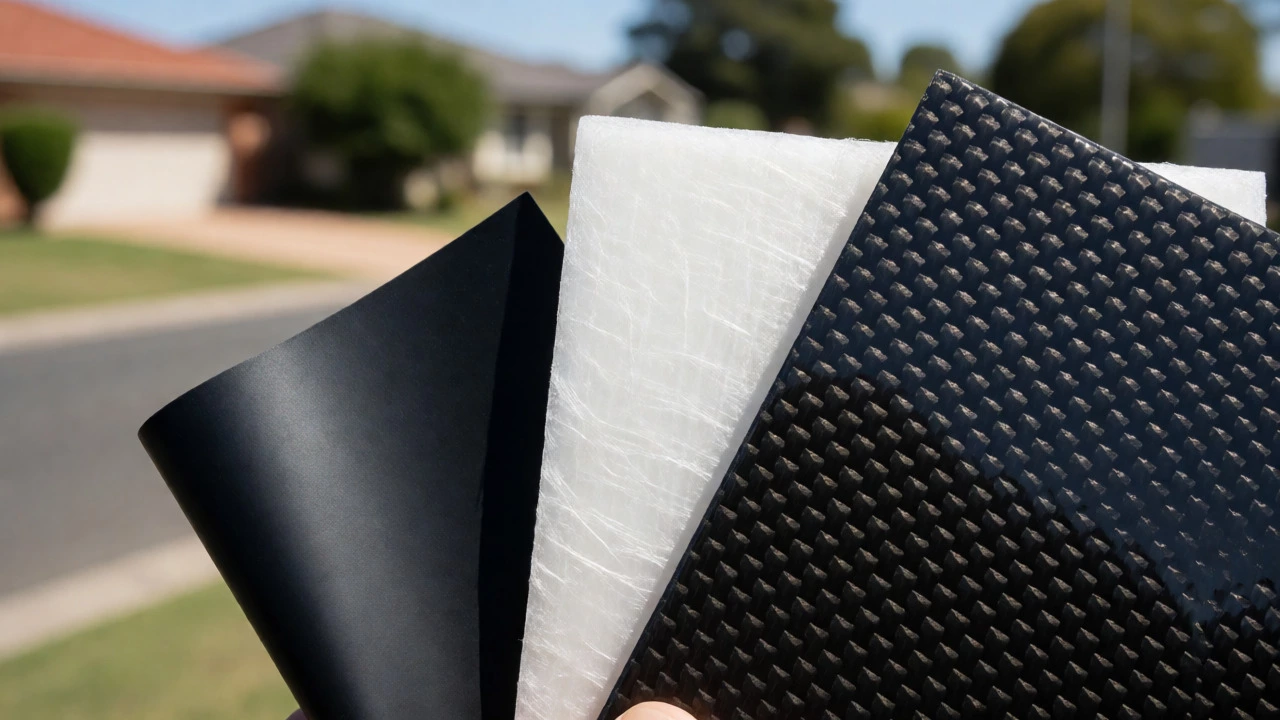
- ABS Plastic: Flexible, durable, resistant to impact. Great for daily drivers. Can be painted easily. Used by APR, Maxton, and many mid-range brands.
- Fiberglass: Rigid, lightweight, but brittle. Cracks if hit. Requires skilled installation and painting. Common in Liberty Walk, Rocket Bunny, and budget kits.
- Carbon Fiber: Lightweight, stiff, expensive. Resists corrosion. Can fade if not UV protected. Used by Seibon, high-end versions of major brands.
In my experience living in Australia, UV protection is non-negotiable. Fiberglass yellows over time if not properly sealed. Carbon fiber needs a high-quality clear coat. ABS plastic handles sun exposure best, making it ideal for our harsh climate.
How to Choose the Right Brand for Your Build
So, how do you decide? Ask yourself these questions:
- What is your budget? Under $1,000? Look at Universe or generic ABS. $1,000-$3,000? Consider Maxton or ECS. Over $5,000? Explore Liberty Walk or custom fabricators.
- Do you drive it daily? If yes, prioritize durability (ABS). If it’s a weekend toy, aesthetics rule (Fiberglass/Carbon).
- Can you handle the installation? Wide-body kits often require cutting fenders and widening wheel arches. Full bumper swaps might need wiring harness extensions for fog lights. If you’re not handy, factor in labor costs ($500-$1,500+).
- What’s the resale value? Niche brands like Liberty Walk hold value better than unknown generics. Buyers recognize the quality.
One pitfall I see often: people buy a full wide-body kit for a car that already looks bulky. A Nissan GT-R doesn’t need extra width; it needs refinement. A small front lip and a spoiler from a brand like APR or Maxton might look better than a massive Rocket Bunny conversion. Less is often more.
Installation Tips from the Garage Floor
Even the best body kit can look terrible if installed poorly. Here are quick tips:
- Dry Fit First: Never glue or screw anything until you’ve aligned everything loosely. Check gaps against the factory panels.
- Use Proper Adhesives: If using 3M VHB tape, clean surfaces with isopropyl alcohol. Tape fails if dirt gets trapped.
- Check Clearance: After installing side skirts, turn your wheels fully left and right. Ensure no rubbing occurs, especially if you have lowered suspension.
- Paint Prep: Fiberglass needs sanding and priming. Don’t skip steps. Bad prep leads to peeling paint within a year.
Remember, a body kit changes the shape of your car. It affects aerodynamics slightly, but mostly perception. Make sure the brand you choose aligns with your vision, not just trends. Trends fade; good design lasts.
Are expensive body kits worth it?
It depends on your goals. Expensive brands like Liberty Walk or APR offer superior fitment, better materials, and stronger resale value. If you plan to keep the car for years or sell it later, the investment pays off. For short-term fun, cheaper options may suffice, but expect more hassle during installation.
Can I install a body kit myself?
Simple kits like front lips or spoilers (from brands like Maxton) are DIY-friendly. Complex wide-body kits requiring fender cutting or bumper removal (like Rocket Bunny) usually need professional help. Improper installation can lead to rattles, water leaks, or poor alignment.
Which material is best for Australian weather?
ABS plastic is generally the most resilient against UV rays and temperature fluctuations. Fiberglass requires rigorous maintenance and UV-protective coatings to prevent yellowing and cracking. Carbon fiber is durable but must have a high-quality clear coat to resist fading.
Do body kits affect fuel efficiency?
Minimal impact for street driving. Most cosmetic kits add slight drag, potentially reducing efficiency by 1-2%. Functional aero kits designed for track use might improve stability but rarely boost mileage significantly. Weight addition is negligible unless you add heavy steel components.
Will insurance cover body kit damage?
You must declare modifications to your insurer. Standard policies often exclude aftermarket parts unless added explicitly. If a crash damages your $2,000 bumper, ensure your policy covers the replacement cost of the modified part, not just the stock equivalent.