Alloy Wheel Damage Identifier
Red/Brown Flakes
Flaky substance, usually near lug nuts or curb rash.
White/Gray Haze
Cloudy film on bare metal spokes that won't wash off.
Small Craters
Tiny holes or rough spots in the metal surface.
Damage Type
StatusDiagnosis
Description goes here.
Repair Strategy
Risk Assessment
Difficulty to Fix:
Picture this: you’ve just finished washing your car. The paint is gleaming, the tires are blacked up, and those shiny alloy wheels are catching the sunlight perfectly. You step back to admire the work, but then you spot it-a dull, chalky patch on the rim. Your heart sinks. Is that rust? Did your expensive upgrade just start falling apart?
Here is the short answer: technically, no. Aluminum does not rust in the way steel does. But practically speaking? Yes, they can corrode, degrade, and look terrible if you ignore them. Understanding the difference between true rust and aluminum oxidation is the key to keeping your ride looking fresh for years.
The Chemistry: Why Aluminum Doesn't "Rust" Like Steel
To understand why your wheels are acting up, we have to look at what they’re made of. Most modern cars come with aluminum alloy wheels, which are primarily composed of aluminum mixed with small amounts of other metals like magnesium, silicon, or copper to add strength.
True rust is iron oxide. It happens when iron (found in steel) reacts with oxygen and moisture. The resulting compound is flaky, red-brown, and expands as it forms, eventually eating away at the metal underneath until it crumbles.
Aluminum behaves differently. When aluminum is exposed to air, it reacts instantly to form a thin layer of aluminum oxide. Unlike iron oxide, this layer is incredibly stable and adheres tightly to the surface. In fact, this microscopic skin protects the rest of the metal from further corrosion. This is why aluminum has been used in airplanes and marine applications for decades-it’s naturally resistant to the kind of destructive rot that kills steel.
So, if the metal is protected by nature, why do we see damage? Because that protective layer isn’t invincible. When the clear coat or paint on your wheel chips off, or when harsh chemicals break down the oxide layer, the underlying metal becomes vulnerable to pitting and discoloration.
Oxidation vs. Pitting: What’s Actually Happening to Your Rims?
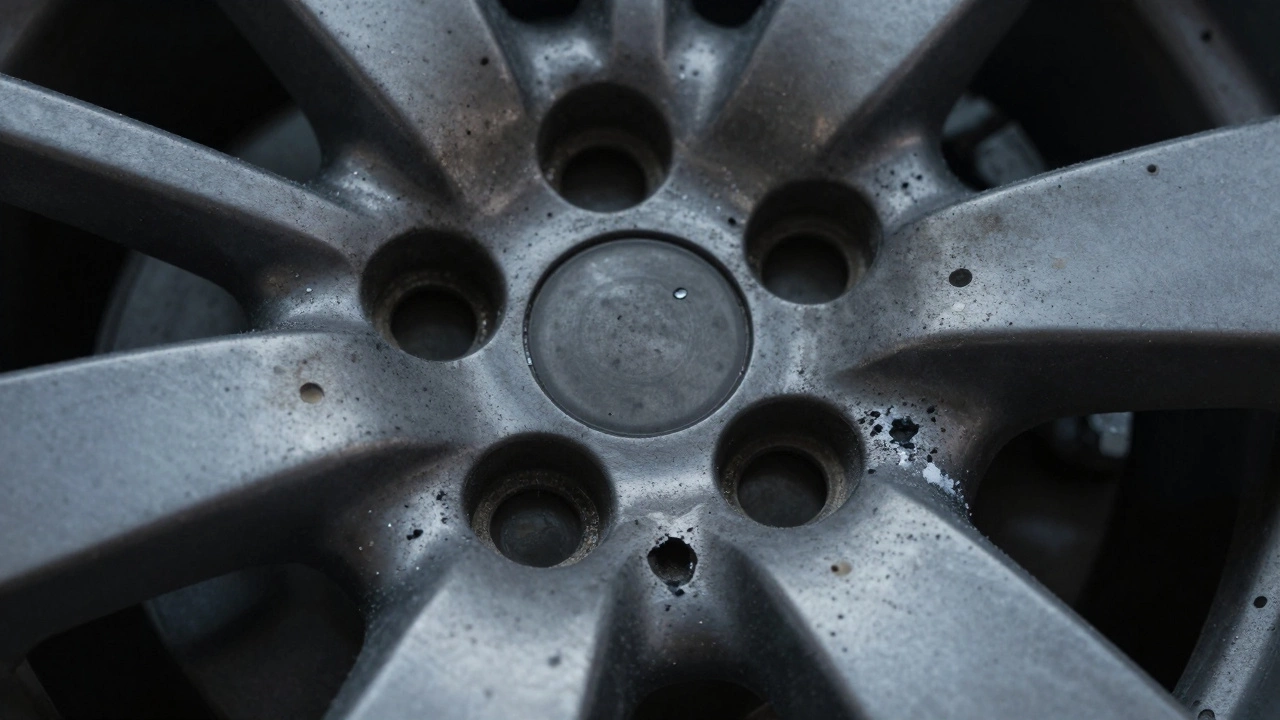
If you’ve ever seen an old airplane wing or a weathered boat hull, you know aluminum doesn’t turn red; it turns white, gray, or cloudy. This process is called oxidation. On wheels, oxidation usually appears as a hazy film over the bare metal parts of the rim. It looks like dried milk residue that won’t wash off. While it’s mostly cosmetic, severe oxidation can make the surface rough and porous.
Then there is pitting corrosion. This is the real enemy. Pitting occurs when the protective oxide layer is breached-usually by road salt, brake dust, or acidic contaminants-and creates small holes or craters in the metal. Once a pit starts, it traps moisture and dirt, accelerating the decay. Over time, these pits can weaken the structural integrity of the wheel, especially near the mounting holes or the barrel where stress is highest.
| Feature | Iron Rust (Steel) | Aluminum Oxidation | Pitting Corrosion |
|---|---|---|---|
| Appearance | Red/brown flakes | White/gray haze | Small craters/holes |
| Material | Steel/Iron | Aluminum Alloy | Aluminum Alloy |
| Structural Risk | High (expands & cracks) | Low (surface only) | Moderate to High |
| Reversibility | Hard (requires replacement) | Easy (polishing) | Difficult (welding/filling) |
The Culprits: What Causes Alloy Wheels to Degrade?
Even though aluminum is tough, it’s not immune to the elements. Several factors accelerate the breakdown of that protective oxide layer.
- Road Salt: If you live in a region that sees snow, salt is your worst enemy. Sodium chloride breaks down the oxide layer rapidly. The combination of salt, moisture, and temperature changes creates a perfect storm for pitting.
- Brake Dust: Modern brake pads often contain copper or other metals. As they wear down, tiny particles get thrown onto your wheels. Brake dust is hygroscopic, meaning it absorbs water from the air. When wet, it becomes highly corrosive and acidic, eating away at the clear coat and metal beneath.
- Curbing: Hitting a curb might chip the paint, but it also exposes raw aluminum to the elements. Without the factory sealant, that spot will oxidize quickly and potentially start to pit.
- Poor Quality Coatings: Cheap aftermarket wheels often skip the expensive powder-coating or clear-coat processes. These unsealed wheels will look new for a month, then turn cloudy within a year.
How to Spot Early Signs of Trouble
You don’t need to be a metallurgist to tell if your wheels are in trouble. Regular inspections can save you hundreds of dollars in repairs later. Look for these signs during your next car wash:
- Cloudiness: If the bare metal areas of your rim look foggy instead of bright silver, oxidation has started. Run your finger over it. If it feels smooth but looks dull, it’s surface oxidation. If it feels rough, it’s deeper.
- Discoloration: Yellowing or dark spots on painted wheels usually mean the clear coat is failing. Moisture is getting under the paint, causing blistering and eventual peeling.
- Crevices: Check the spoke pockets and the inner barrel. Dirt and brake dust accumulate here. If you see greenish or whitish buildup that won’t rinse off, that’s early-stage corrosion.
- Vibration: While not visible, uneven corrosion can sometimes cause imbalance. If your steering wheel shakes at high speeds, check your wheels for significant pitting or damage.
Fighting Back: Prevention and Maintenance Tips
The best defense against wheel degradation is consistent maintenance. You don’t need professional tools, just a little routine.
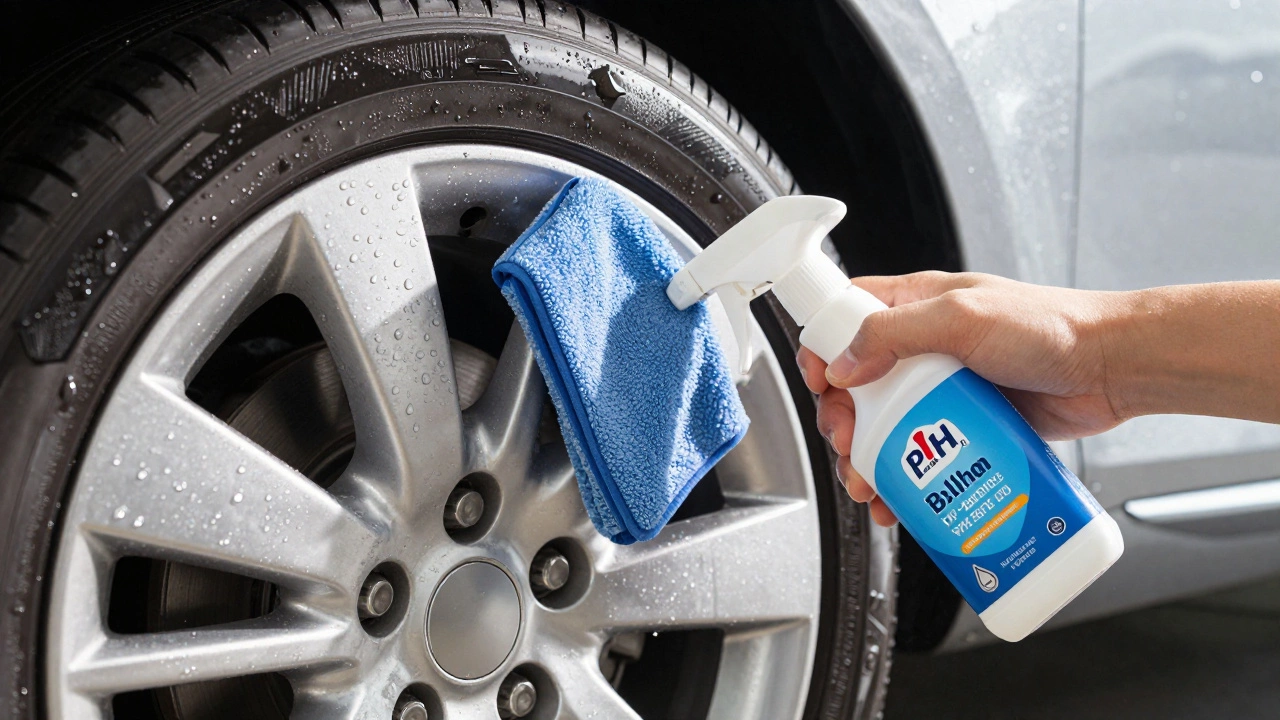
1. Wash Frequently and Correctly Don’t use your car shampoo on your wheels. Car soap is designed to lift dirt from paint without stripping wax. Wheel cleaners are formulated to neutralize the acids found in brake dust and road grime. Use a dedicated wheel cleaner that is pH-balanced or acid-free. Harsh acidic cleaners can strip the clear coat, leaving the metal naked.
2. Use the Right Tools Avoid stiff-bristled brushes that can scratch the finish. Instead, use soft microfiber mitts or dedicated wheel woolies. For tight crevices, a soft toothbrush works wonders without damaging the surface.
3. Seal the Deal After cleaning and drying, apply a wheel sealant or ceramic coating. Products containing silicon dioxide (SiO2) create a hydrophobic barrier that repels water, brake dust, and salt. This makes future cleanups significantly easier and adds a layer of protection against oxidation.
4. Winter Care If you drive in snowy conditions, rinse your wheels with plain water every few days to remove salt. Don’t let salt sit on the metal for more than 24 hours. Consider using tire chains instead of studded tires if possible, as studs increase the risk of curbing and chipping.
Can You Fix Corroded Alloy Wheels?
If you’ve already spotted damage, don’t panic. Most issues are fixable, depending on the severity.
Surface Oxidation: This is the easiest fix. Buy a specialized aluminum polish. Apply it with a microfiber cloth or a drill-mounted polishing pad. Work in circular motions until the haze disappears and the metal shines again. Finish with a sealant to protect the newly polished surface.
Minor Pitting: Small pits can be smoothed out with fine-grit sandpaper (starting around 400 grit and moving up to 2000 grit). After sanding, polish the area to blend it with the surrounding metal. Note that this removes material, so it’s only viable for shallow pits.
Deep Damage or Structural Issues: If the pitting is deep, or if the wheel has been bent or cracked, DIY fixes are dangerous. A compromised wheel can fail while driving. Take the wheels to a professional refurbishment shop. They can weld, grind, repaint, and re-balance the wheels to factory standards. While costly, it’s cheaper than replacing the entire set and far safer than ignoring it.
Alloy vs. Steel: Which Lasts Longer?
This is a common debate among car enthusiasts. Let’s break it down objectively.
Steel Wheels: They are heavy, ugly, and prone to rusting through completely if the paint chips. However, they are incredibly cheap and durable in terms of impact resistance. A dented steel wheel can often be hammered back into shape. Rust is a major issue, but since they are disposable for many owners, it rarely matters.
Alloy Wheels: They are lighter, improving fuel economy and handling. They dissipate heat better, which helps brakes. And while they corrode, they rarely suffer catastrophic failure from corrosion alone unless neglected for years. The aesthetic appeal is higher, but the maintenance requirement is also higher.
If you want low maintenance and don’t care about looks, steel wins. If you want performance and style, alloys win-but you must pay the tax of regular cleaning.
Do alloy wheels rust in the rain?
No, alloy wheels do not rust in the rain because they are made of aluminum, not iron. Rainwater may leave mineral deposits or water spots, but it does not cause chemical rusting. However, prolonged exposure to dirty water containing road salts can lead to oxidation or pitting over time.
Is white stuff on my alloy wheels rust?
That white substance is likely aluminum oxide (oxidation) or hard water deposits, not rust. True rust is red or brown. If it wipes off easily, it’s probably water spots. If it’s etched into the metal, it’s oxidation, which can be removed with aluminum polish.
How long do alloy wheels last before corroding?
With proper care, alloy wheels can last 10-15 years or more without significant corrosion. Factors like climate (salt usage), frequency of washing, and the quality of the initial clear coat play huge roles. Neglected wheels in snowy regions may show severe pitting within 3-5 years.
Can I paint over corroded alloy wheels?
You should not simply paint over corrosion. First, you must remove all oxidation and pitting through sanding and polishing. Any remaining unstable metal will continue to degrade underneath the new paint, causing it to bubble and peel. Proper surface preparation is critical for any refinish job.
Are chrome-plated alloy wheels more prone to rust?
Chrome itself doesn't rust, but if the chrome plating chips or cracks, the underlying aluminum or steel substrate is exposed. If the base is steel, it will rust aggressively. If it's aluminum, it will oxidize. Chrome wheels require careful maintenance to prevent "chrome disease," where the plating fails due to poor application or physical damage.