Body Swap Cost Estimator (AUD)
Select the components included in your build:
Imagine driving a car that looks like a 1970s muscle car but runs on modern electric power. Or maybe you want the handling of a sports car with the comfort of a sedan. It sounds like magic, but it’s actually a common question in the garage: can you really just take the top half of one car and put it on the bottom half of another?
The short answer is yes, but it’s not as simple as bolting parts together. In the automotive world, this process is called a chassis swap or a full body swap. It involves separating the structural frame (or unibody) from the exterior panels and interior components, then mating them to a different mechanical platform. While feasible, it requires significant engineering, legal navigation, and budget planning.
What Actually Counts as a Body Swap?
To understand if you can do this, you first need to define what you mean by "body." In most modern vehicles, the body and the frame are integrated into a single unit known as a unibody. This means there isn’t a separate "chassis" to swap out easily. Instead, a true swap usually falls into two categories:
- Unibody-to-Unibody Swap: Taking the entire shell of one car (doors, roof, floor pan) and attaching it to the drivetrain and suspension of another. This is rare and extremely difficult because mounting points rarely align.
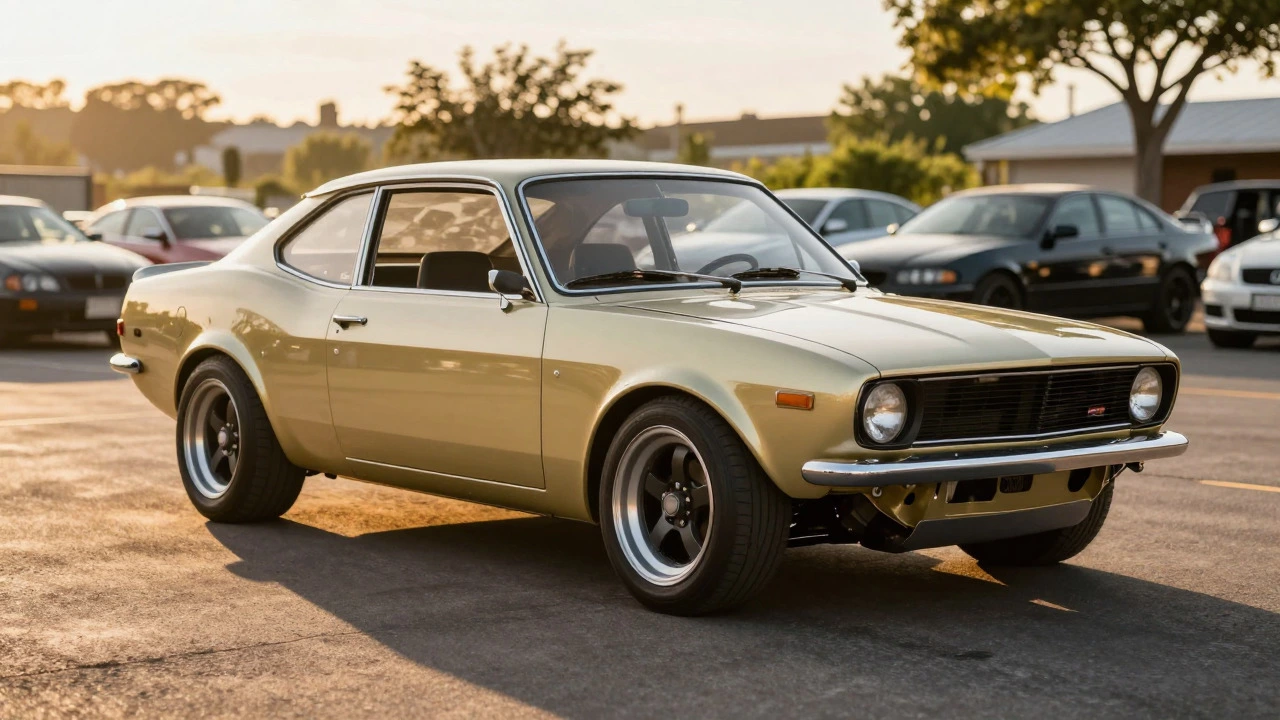
- Frame-Swap (Common Usage): Keeping the original frame of a classic truck or car and replacing the engine, transmission, and suspension with modern components. Technically, the "body" stays, but the heart changes. However, enthusiasts often call this a "swap" because the visual identity remains while the performance profile completely changes.
- Full Custom Fabrication: Building a new frame from scratch to support a specific body style. This is where most unique project cars come from.
For the average enthusiast, a "body swap" usually refers to changing the underlying mechanical structure while keeping the aesthetic shell, or vice versa. The key constraint is compatibility. If the mounting points for the doors, fenders, and windshield don’t match the new chassis, you’ll spend months cutting and welding metal.
The Engineering Challenges You’ll Face
Swapping bodies isn’t just about aesthetics; it’s a physics problem. Every car is designed with specific weight distribution, center of gravity, and stress points in mind. When you mix parts from two different manufacturers, you disrupt these balances.
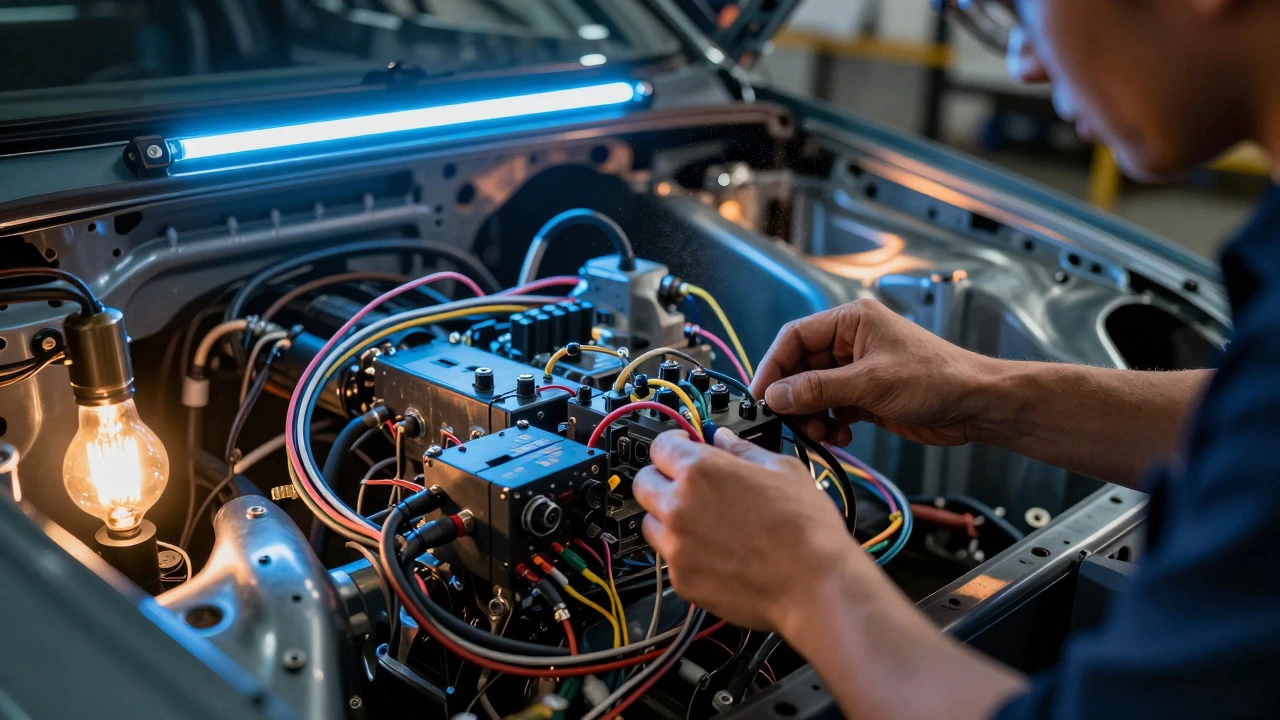
Consider the electrical system. A 2025 Toyota Camry uses a complex network of sensors and ECUs (Electronic Control Units). If you try to mount that brain onto a 1980s Ford Mustang frame, the wiring harnesses won’t plug in. You’ll need to create a custom loom, which is one of the most time-consuming parts of any build. One misrouted wire can cause a short circuit that burns out your new alternator or leaves you stranded with no lights.
Suspension geometry is another major hurdle. MacPherson struts from a compact car might not fit the wheel arches of a wide-body SUV. You may need to fabricate custom control arms or adjust the steering rack position. If the steering angle doesn’t match the tire track width, your car will pull to one side or have imprecise turning radius. Professional shops often use laser alignment tools to map these points before cutting a single piece of metal.
Legal and Registration Hurdles
In many jurisdictions, including Australia, modifying a car’s fundamental structure triggers strict regulations. The Australian Design Rule (ADR) governs what makes a vehicle road-legal. If you change the chassis, the Vehicle Identification Number (VIN) plate must be transferred correctly, and the vehicle may need to be re-certified by an accredited engineer.
Here’s why this matters: if you swap a heavy diesel engine into a lightweight sports car body, the braking system might not be rated for the extra mass. An inspector will check if the brakes, tires, and lights meet safety standards for the new configuration. Failure to pass inspection means your car stays in the garage.
Insurance is another headache. Standard policies often exclude heavily modified vehicles unless declared. You might need specialized "project car" insurance that covers the value of your custom work, not just the base model. Always talk to your insurer before starting the build, not after you’ve finished welding.
Cost Breakdown: What Should You Budget?
A DIY body swap can range from $3,000 to $15,000 in parts alone, excluding labor. If you hire a professional shop, expect to pay between $5,000 and $10,000 per day for skilled welders and engineers. Here’s a rough estimate for a typical unibody modification:
| Component | DIY Cost Range (AUD) | Professional Shop Cost (AUD) |
|---|---|---|
| Custom Wiring Harness | $500 - $1,500 | $2,000 - $4,000 |
| Suspension Fabrication | $1,000 - $3,000 | $3,000 - $6,000 |
| Engine Bay Modification | $800 - $2,000 | $2,500 - $5,000 |
| Engineering Certification | $300 - $500 | $300 - $500 |
| Miscellaneous Hardware & Paint | $500 - $1,000 | $1,500 - $3,000 |
These numbers don’t include the cost of the donor car parts themselves. If you’re buying used engines or transmissions, factor in another $2,000 to $5,000 depending on the make and model. Always add a 20% contingency fund for unexpected issues like rust found under the paint or incompatible bolt patterns.
When Is a Swap Worth It?
Not every car is a good candidate for a body swap. Some projects make perfect sense, while others are money pits. A swap is worth it when:
- You have access to a skilled welder or fabrication shop nearby.
- The donor parts are readily available and affordable.
- The final goal is a unique vehicle that can’t be achieved through standard tuning.
- You’re building for fun, not for resale value (custom swaps rarely increase market value).
On the other hand, avoid swapping if you’re looking for a quick weekend project. Most body swaps take 6 to 18 months to complete, even for experienced builders. Patience is the most important tool in your toolbox.
Frequently Asked Questions
Is a body swap illegal in Australia?
No, it is not illegal, but it must comply with Australian Design Rules. You need an accredited engineer to certify the changes, and the vehicle must pass a roadworthiness test. Keep all records of parts sourcing and engineering certificates.
Can I swap just the front end of a car?
Yes, this is common in hot rod culture. You can replace the front suspension, steering, and engine bay components while keeping the rear axle and body. This is easier than a full swap because fewer mounting points need to be aligned.
Do I need to repaint the whole car after a swap?
Usually, yes. Even minor cuts and welds break the factory clear coat. For a clean finish, most owners sand down the affected areas and apply primer and paint. Full resprays are recommended if the car has been sitting outdoors for years.
What is the best car for a first-time body swap?
Start with a simple unibody design like a Mazda Miata or a Ford Falcon. These cars have straightforward suspension layouts and abundant aftermarket support. Avoid complex luxury sedans or off-road trucks for your first project.
Will my insurance cover a body swap?
Standard policies may void coverage during the build. You should notify your insurer and consider a project car policy that covers the vehicle at its current stage of completion. Once certified, switch back to comprehensive cover with the new valuation.