Car Graphic Selection Tool
Answer these three quick questions to find out which option is right for your ride.
You’ve probably seen a car with a complex, professional-looking graphic across the side and another car with a small, funny smiley face on the bumper. At first glance, they both look like adhesive graphics, but they are fundamentally different tools. Picking the wrong one can lead to a messy peeling disaster or a permanent stain on your paint that costs hundreds to fix. If you want your ride to look sharp without ruining the resale value, you need to know exactly what you're sticking on your paint.
To start with the basics, car decals are specialized automotive graphics made from high-grade vinyl that are cut into specific shapes or letters, often without a background. Think of them as individual pieces of art. Unlike a standard sticker, a decal doesn't have a rectangular or circular border surrounding the image. It is just the design itself, adhering directly to the surface.
Quick Summary: The Main Differences
- Structure: Stickers have a background; decals are die-cut (no background).
- Durability: Decals use automotive-grade vinyl; stickers often use paper or cheap plastic.
- Application: Decals often require transfer tape; stickers are peel-and-stick.
- Longevity: High-quality decals last years; stickers fade and crack in months.
The Anatomy of a Vinyl Sticker
When we talk about a sticker, we are usually talking about a piece of printed material with an adhesive backing. These are typically made from paper or thin PVC . Because the entire image is printed on a solid sheet and then cut into a shape, you have a visible border around the edge.
Imagine you bought a promotional sticker from a local coffee shop and slapped it on your rear window. That's a sticker. It's great for short-term use, but because it's not designed for the extreme temperature swings of a car's exterior, the sun will bleach the colors, and the edges will start to curl within a few months. Most stickers use a permanent adhesive that can leave a sticky, gummy residue on your clear coat that is a nightmare to remove without using harsh chemicals.
Why Car Decals Are Built Differently
Now, look at a professional racing stripe or a company logo on a transit van. Those are car decals. They are created using a process called plotter cutting. A machine cuts the design out of a solid sheet of colored Vinyl. There is no ink printed on a background; the color comes from the vinyl material itself.
Because they are made of cast vinyl, decals are thinner and more flexible, allowing them to contour to the curves of a fender or a door. They are also designed to withstand UV rays and rain. A high-quality decal uses a polymer that doesn't break down under the sun, meaning a red decal will stay red for years, whereas a red sticker will turn a pale pink in a single summer.
| Feature | Car Decal | Standard Sticker |
|---|---|---|
| Background | None (Die-cut) | Solid border/background |
| Material | High-grade Cast Vinyl | Paper or thin Plastic |
| Lifespan | 3-7 Years | 6 Months - 2 Years |
| Application | Transfer Tape method | Peel and Stick |
| Paint Safety | Designed for automotive paint | May leave residue/damage paint |
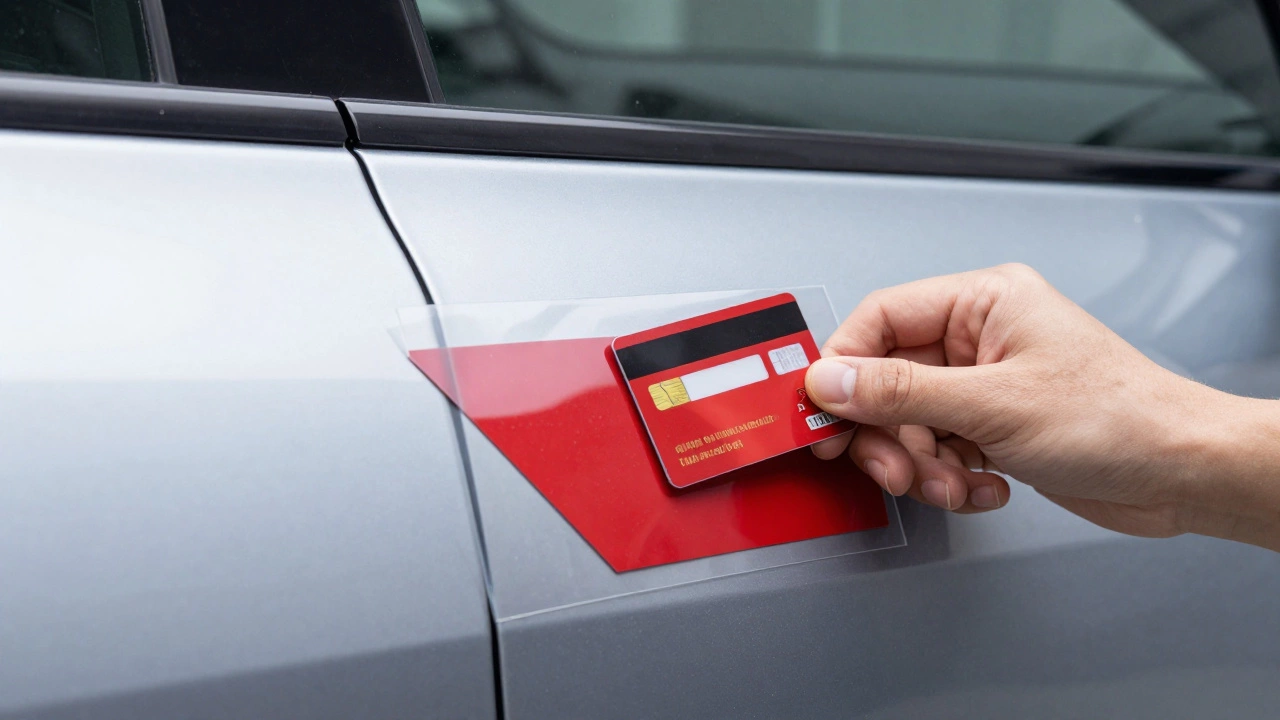
The Transfer Tape Secret
If you've ever tried to apply a decal and felt like you were playing a game of Operation, you've encountered Transfer Tape. This is the clear, sticky layer on top of the decal. Since a decal has no background to hold the pieces together (like the dots in a word), the transfer tape keeps everything perfectly aligned until it hits the car.
You peel the backing, press the transfer tape onto the car, rub it down with a credit card, and then peel the tape away. This leaves only the vinyl adhered to the paint. Stickers don't do this; you just peel the back and press. While stickers are easier to apply, they lack the clean, "painted-on" look that decals provide. When you see a high-end Vehicle Wrap, it's essentially a massive decal covering the entire car.
Which One Should You Use?
Choosing between the two depends on where the graphic is going and how long you want it to stay there. If you're putting a temporary pass on your windshield for a parking permit, a sticker is perfect. It's cheap, fast, and meant to be thrown away.
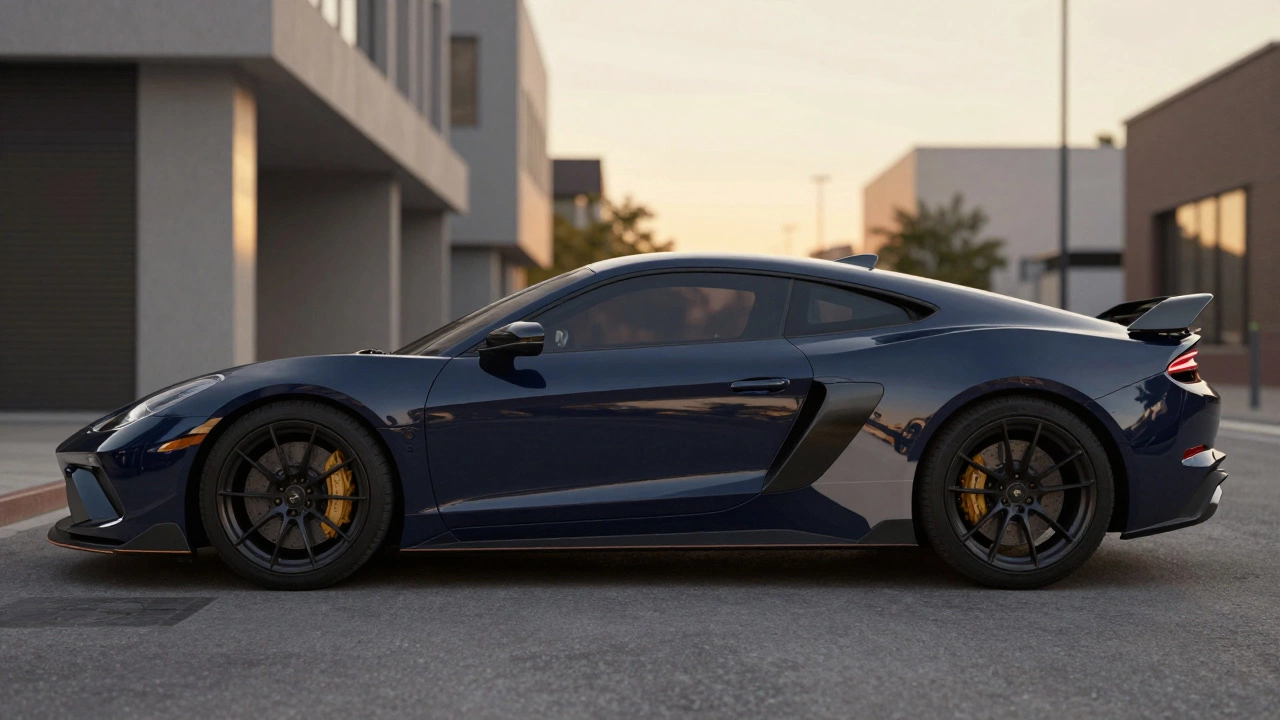
However, if you're adding a brand logo to your business truck or a decorative accent to your sports car, go with a decal. The lack of a background makes the graphic look integrated into the car's design rather than like something you just pasted on. Plus, the materials are far more forgiving during removal. Most automotive vinyls are designed to be removed with a heat gun or a hairdryer without stripping the clear coat.
Consider the environment too. If you live in a place with harsh winters (road salt) or scorching summers (Arizona sun), a cheap sticker will literally disintegrate. The salt will eat into the edges of the sticker, and the sun will crack the plastic. Automotive vinyl is engineered to handle these specific stresses.
Common Mistakes to Avoid
- Applying to a dirty surface: Even a tiny bit of wax or dust will create a bubble. Use Isopropyl Alcohol to clean the area first.
- Applying in the cold: Vinyl needs warmth to bond. If it's freezing outside, the adhesive won't "grab" the paint properly, and the edges will lift.
- Over-stretching: If you pull a decal too hard during application, it will distort. Once it's stuck, it will slowly shrink back to its original shape, creating unsightly wrinkles.
- Ignoring the "Cure Time": Don't take your car through a high-pressure car wash immediately after applying a decal. Give the adhesive at least 48 hours to fully bond to the surface.
Will a car decal ruin my paint?
Generally, no. High-quality automotive decals are made from cast vinyl designed to be removed without damaging the clear coat. However, the risk comes if the paint is already peeling or if you use a very cheap, non-automotive sticker with industrial-strength glue. Always test a small area or use a hairdryer to warm the adhesive before peeling it off.
Can I put a sticker on my window and call it a decal?
People use the terms interchangeably in conversation, but technically, if it has a background (a white or clear border around the image), it's a sticker. If it's just the letters or shapes with no background, it's a decal. On glass, the difference is mostly aesthetic, though decals usually last longer against the elements.
How do I remove a stubborn sticker that left residue?
Avoid using metal scrapers or abrasive sponges. Use a plastic razor blade or a credit card to lift the bulk of the material. For the sticky residue, use a dedicated citrus-based adhesive remover or a small amount of WD-40. Rub gently with a microfiber cloth and then wash the area with soap and water to remove the chemical residue.
Do decals fade faster than stickers?
Actually, it's the opposite. Professional car decals are made from UV-stabilized vinyl, which means they are specifically built to resist fading in the sun. Standard stickers use inks and plastics that break down quickly under UV exposure, often turning brittle or losing color within a year.
Is it better to use a decal for a business logo on a vehicle?
Yes, absolutely. Decals provide a professional, "factory" look because they don't have the awkward rectangular backgrounds that stickers do. They integrate better with the vehicle's color and are far more durable for long-term branding, meaning you won't have to replace them every six months as they peel.
Next Steps for Your Project
If you're ready to customize your ride, start by deciding on the placement. For small, temporary additions, a sticker is fine. For anything permanent or professional, source a vinyl decal. If you've never used transfer tape, try a small, cheap decal on a flat surface first to get the hang of the "rub and peel" technique.
If you find that you want a complete change of color or an intricate design over the whole car, look into a full vehicle wrap. It's the ultimate version of the decal, providing a protective layer for your paint while giving you total creative control over the look of your vehicle.