Car Window Tinting Cost Estimator
Estimated Cost
Key Takeaways
- Budget options (Dyed films) usually range from $150 to $300.
- Mid-range Carbon films typically cost between $300 and $600.
- High-end Ceramic options often start at $500 and can exceed $1,000.
- Price varies based on car size, film type, and local labor rates.
- Ceramic is the best for heat rejection and long-term value.
What actually drives the price of window tinting?
It's easy to think of window tinting is the process of applying a thin, polyester-based film to a vehicle's glass to reduce light and heat as just "sticking a film on the window," but the cost is split between materials and labor. A small coupe takes way less time and material than a massive suburban SUV with seven windows. Plus, the difficulty of the glass curvature matters. If your car has a steep rear window angle, the installer has to spend more time shrinking the film to avoid bubbles.
Then there's the film itself. You aren't just paying for a color; you're paying for the technology inside the film. A cheap dyed film is basically like a pair of sunglasses-it blocks light, but it doesn't actually stop the heat from coming through the glass. On the other hand, high-tech films use nanoparticles to block infrared rays. This is why a Ceramic Tint costs significantly more than a basic dyed one.
Breaking down the different types of tint films
If you want to get the most out of your money, you need to pick the right material. Most shops offer three main tiers. Let's look at them without the marketing fluff.
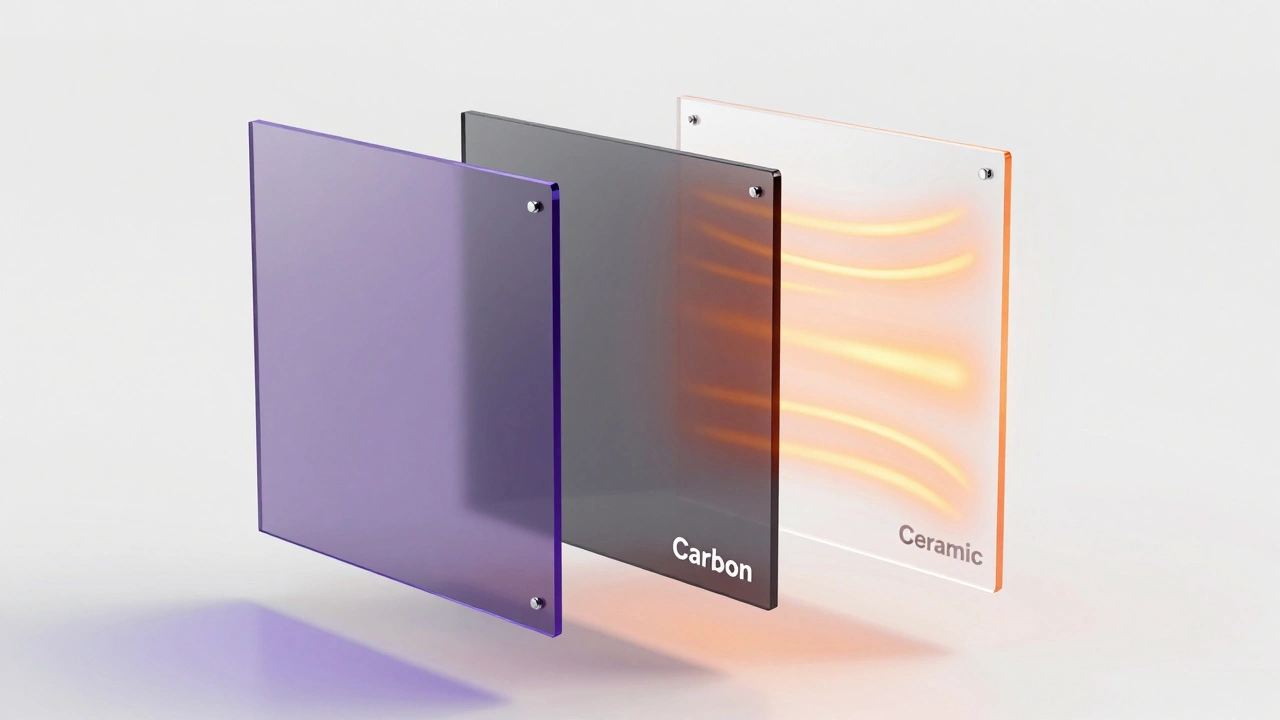
Dyed Window Tint is the entry-level choice. It's made by adding a dye to the polyester film. While it gives you that dark, private look, it has two major flaws: it doesn't block much heat, and it tends to fade or turn purple over time as the dye breaks down under UV exposure. It's a good choice if you're on a tight budget or just want a temporary look.
Carbon Window Tint is the middle ground. It uses carbon particles to create the shade. Unlike dyed films, carbon doesn't fade or turn purple. It also provides better heat rejection. If you want a professional look that lasts several years without spending a fortune, this is usually the sweet spot.
Ceramic Window Tint is the gold standard. It doesn't use dyes or metals; instead, it uses nano-ceramic particles. This allows the film to block a massive amount of infrared heat while remaining relatively clear. It's the only option that truly makes a difference in how hot your car feels during a summer afternoon. It's also non-conductive, meaning it won't interfere with your GPS or phone signals.
| Feature | Dyed Film | Carbon Film | Ceramic Film |
|---|---|---|---|
| Price Range | $150 - $300 | $300 - $600 | $500 - $1,000+ |
| Heat Rejection | Low | Moderate | High |
| Durability | Fades/Purples | Very Stable | Most Durable |
| Signal Interference | None | None | None |
How much should you expect to pay based on vehicle size?
The size of your car dictates how much film is used. If you have a two-door car, you're paying for two side windows and a rear windshield. If you have a large family van, you're paying for the entire greenhouse. Here is a rough breakdown of what a professional install costs in today's market.
For a compact car or coupe, a basic dyed job usually sits around $150 to $250. If you upgrade to ceramic, expect that to jump to $400 or $600. Mid-size sedans usually fall in the $200 to $400 range for standard films, and $500 to $700 for high-end ceramic options.
Once you hit the SUV and Truck territory, the price climbs. A full-vehicle tint for a large SUV often starts at $300 for basic films and can easily hit $800 to $1,200 for a full ceramic package. This increase is due to the sheer volume of glass and the extra labor required to get the film perfectly aligned on those huge rear side windows.
Hidden costs and factors that bump up the price
When you get a quote, don't just look at the total. There are a few things that can sneakily add to your bill. The biggest is tint removal. If your car already has an old, peeling, or purple tint, the shop has to scrape it off first. This is tedious, messy work, and most shops will charge an extra $50 to $150 just for the cleanup.
Another variable is the windshield tint. Most people just do the side and back, but adding a clear ceramic heat-shield to the front windshield is a popular move. Because the front windshield is a high-visibility area, installers are more cautious, and the film is specialized. Expect to add another $100 to $200 for this service.
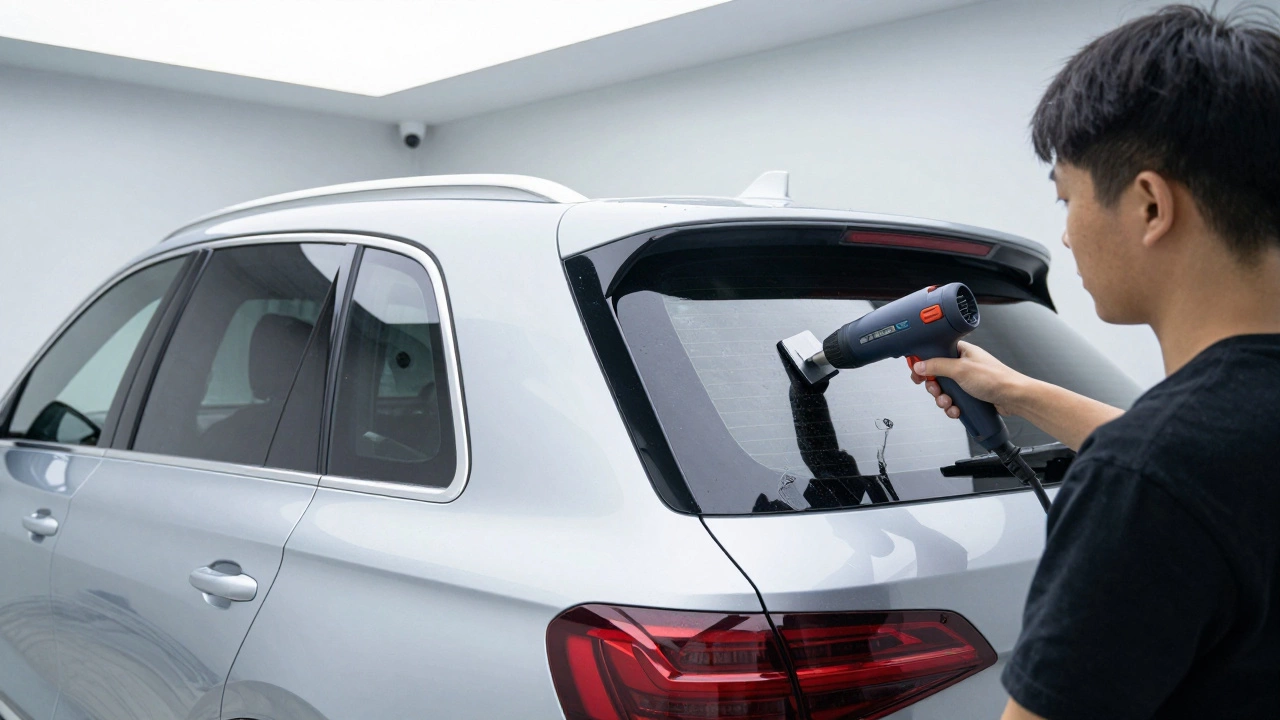
Lastly, consider the shop's reputation. A "garage tint" from a guy with a heat gun in his driveway might cost $100, but you're risking bubbles, creases, and peeling. A certified shop uses a clean-room environment to ensure no dust particles get trapped under the film. You're paying for the warranty and the precision, not just the plastic.
Is the expensive stuff actually worth it?
If you live in a place where the sun is brutal, window tinting with ceramic film isn't a luxury-it's a utility. If you've ever felt the sun burning your arm through a "dark" window, you know that darkness doesn't equal heat protection. Dyed films only block the light, but ceramic films block the thermal energy.
Think of it as an investment in your car's interior. High UV levels destroy dashboards and crack leather seats. By spending an extra $300 now on a high-quality film, you're effectively protecting thousands of dollars in interior trim from sun damage. Plus, your air conditioning doesn't have to work nearly as hard, which can slightly improve your fuel efficiency or battery range in an EV.
The legal side: Don't pay for a ticket
Before you go for the darkest tint possible, check your local laws. In many regions, there are strict rules about the Visible Light Transmission (VLT) percentage. VLT refers to how much light passes through the glass. A 5% tint is very dark (limo style), while a 70% tint is almost clear.
If you pay $600 for a professional ceramic job but it's illegal in your state or province, you might be forced to peel it off or pay a hefty fine. Most reputable shops will know the local laws, but the responsibility is on you. Ask for a sample strip to be held up to your window in different lighting so you can see exactly how dark it will be before they commit the film to the glass.
How long does it take to install car window tint?
Usually, a full car takes between 3 to 6 hours. This depends on the number of windows and whether old tint needs to be removed. Most shops will ask you to leave the car for a half-day to ensure the film is properly set.
Can I tint my own windows to save money?
You can buy DIY kits online for $50 to $100, but it's risky. Without a professional environment and the right heat-shrinking tools, you'll likely end up with bubbles, creases, and gaps. If you mess up, you've wasted the money and still have to pay a pro to fix it.
Does ceramic tint actually block more heat?
Yes, significantly. While dyed tint just makes the window darker, ceramic tint uses nano-particles to block infrared rays. This prevents the "oven effect" inside the car, keeping the interior much cooler even in direct sunlight.
Will window tinting void my car's warranty?
Generally, no. Tinting the glass doesn't affect the mechanical warranty of the vehicle. However, if an installer accidentally damages a window switch or rips a door panel, that specific part wouldn't be covered by the manufacturer. Always use a shop that offers its own warranty on the installation.
How do I maintain my tinted windows?
Avoid using ammonia-based cleaners (like standard Windex) as they can strip the dye or damage the film. Use a microfiber cloth and a dedicated ammonia-free glass cleaner. Also, avoid rolling down your windows for about 3 to 7 days after installation to let the adhesive fully cure.
What to do next?
If you're ready to get your car tinted, don't just go to the cheapest place. Call three shops and ask specifically what brands of film they use. If they can't tell you the difference between carbon and ceramic, they aren't the experts you want touching your glass. Ask for a lifetime warranty against bubbling and peeling-most top-tier shops provide this because they trust their work.
If you're on a budget, consider doing just the front two windows with a higher-quality carbon film rather than doing the whole car with cheap dyed film. You'll get a better result that lasts longer, and you can always add the other windows later when you have more cash. Just remember to verify the VLT laws in your area before you sign the work order.