Alloy Wheel Lifespan & Risk Estimator
Configure Your Setup
Analysis Results
Estimated Lifespan
Enter your details to see risk assessment.
You drop your car off at the mechanic for a routine service, and they tell you your shiny new rims are cracking. It’s frustrating, especially if you just bought them last year. But here is the hard truth: alloy wheels do not last forever. Unlike steel wheels that can rust into oblivion but stay structurally sound for decades, alloy wheels are lightweight wheel assemblies made primarily from aluminum or magnesium alloys designed to improve vehicle handling and aesthetics. They are engineered components with a finite lifespan determined by material quality, environmental exposure, and physical abuse.
If you drive in Adelaide, Australia, where we get hot summers and occasional road salt usage during winter storms, your wheels face a specific set of challenges. The question isn't just "do they last?" but "how long will they last under your specific driving conditions?" Most well-maintained alloy wheels last between five and ten years. However, cheaply manufactured wheels might fail in two, while high-end forged wheels can outlast the car itself.
The Material Difference: Cast vs. Forged Aluminum
To understand longevity, you have to look at how the wheel was made. Not all alloy wheels are created equal. The manufacturing process dictates the metal's grain structure, which directly impacts durability.
Cast alloy wheels are wheels produced by pouring molten aluminum into a mold, creating a porous structure that is cheaper but more brittle than forged alternatives. This is the standard method for most factory-fitted wheels and budget aftermarket options. Because the metal cools quickly in the mold, microscopic pores remain in the structure. These pores act as stress points. Over time, hitting potholes or curbs causes these micro-fractures to grow. A cast wheel might look fine on the outside but be ready to snap internally after a few years of rough treatment.
In contrast, Forged alloy wheels are wheels created by compressing a solid block of aluminum under extreme pressure, resulting in a dense, uniform grain structure that offers superior strength and longevity. Think of it like kneading dough versus letting it sit. Forging aligns the metal grains in the direction of stress. This makes forged wheels significantly stronger and lighter. While they cost three to four times more than cast wheels, they rarely crack from impact. If a forged wheel fails, it’s usually due to extreme negligence, not age.
| Feature | Cast Aluminum | Forged Aluminum | Steel (Baseline) |
|---|---|---|---|
| Average Lifespan | 5-10 Years | 15+ Years | 20+ Years (if rust managed) |
| Impact Resistance | Low (Brittle) | High (Flexible) | Moderate (Dents easily) |
| Weight | Moderate | Lightest | Heaviest |
| Corrosion Risk | High (Clear coat failure) | Low (Thicker coating) | Very High (Rusts through) |
| Repairability | Limited | Difficult | Easy (Welding) |
The Silent Killer: Clear Coat Failure and Corrosion
Most people think alloy wheels rust. Technically, aluminum doesn’t rust like iron; it oxidizes. However, this oxidation is ugly and destructive. The primary enemy of an alloy wheel is not a pothole-it’s moisture getting behind the paint.
Alloy wheels are protected by a clear coat finish. When this layer chips or fades, the bare aluminum is exposed to air and water. In coastal areas or places where road salt is used, this reaction accelerates. You’ll see it as white, chalky patches on the face of the wheel. This is aluminum oxide. Once it starts, it eats away at the metal surface. Within two to three seasons of neglect, this corrosion can weaken the structural integrity of the rim edge.
Why does this happen faster in some regions? In Adelaide, the combination of UV radiation and occasional salt spray creates a harsh environment. The UV rays degrade the chemical bonds in the clear coat, making it brittle. Then, when rain hits, water seeps into those microscopic cracks. If you notice your wheels looking dull or cloudy after a wash, the clear coat is already failing. Ignoring this leads to irreversible damage within 12 to 18 months.
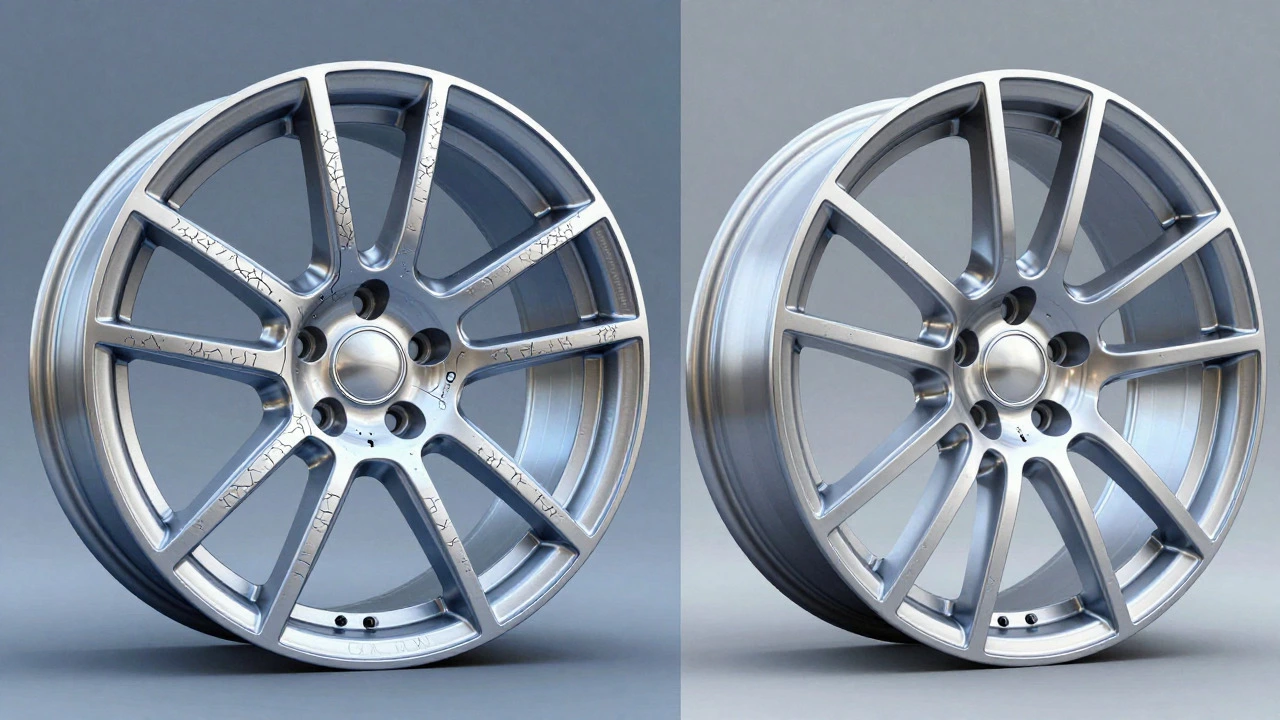
Physical Stress: How Driving Habits Shorten Lifespan
Your driving style plays a massive role in how long your wheels survive. Alloy wheels are designed to flex slightly under load. When they hit a curb or a deep pothole at speed, that energy has to go somewhere. In a steel wheel, it bends. In an alloy wheel, it transfers to the metal structure.
Repeated minor impacts cause "fatigue." Imagine bending a paperclip back and forth. Eventually, it snaps. Your wheels experience this every time you hit a speed bump too fast or scrape a parking block. The most common failure point is the barrel-the part of the wheel that seals against the car’s hub. If the barrel cracks, you lose air pressure instantly. This type of damage often goes unnoticed until you’re stranded on the side of the road.
Another critical factor is torque. If you tighten lug nuts incorrectly, you warp the wheel mounting surface. Using an impact wrench without a torque stick can over-tighten bolts, stretching the wheel’s attachment points. This leads to uneven wear and potential separation from the hub. Always use a torque wrench set to the manufacturer’s specification-usually between 90 and 110 Newton meters for passenger cars.
Signs Your Alloy Wheels Are Failing
You don’t need to be a mechanic to spot trouble. Keep an eye out for these warning signs:
- Visible Cracks: Even hairline fractures on the inner barrel or spokes indicate imminent failure. Do not ignore these.
- Persistent Leaks: If you keep adding air and the valve stem looks fine, the wheel itself may be cracked at the bead seat.
- Vibration at Speed: A bent wheel or loose lug nut causes shaking. If balancing doesn’t fix it, the wheel geometry is compromised.
- White Chalky Residue: This is advanced corrosion. If scrubbing doesn’t remove it, the metal is deteriorating.
- Curbing Damage: Deep gouges on the outer lip aren’t just cosmetic. They expose raw metal and create stress concentrators.
Extending the Life of Your Alloy Wheels
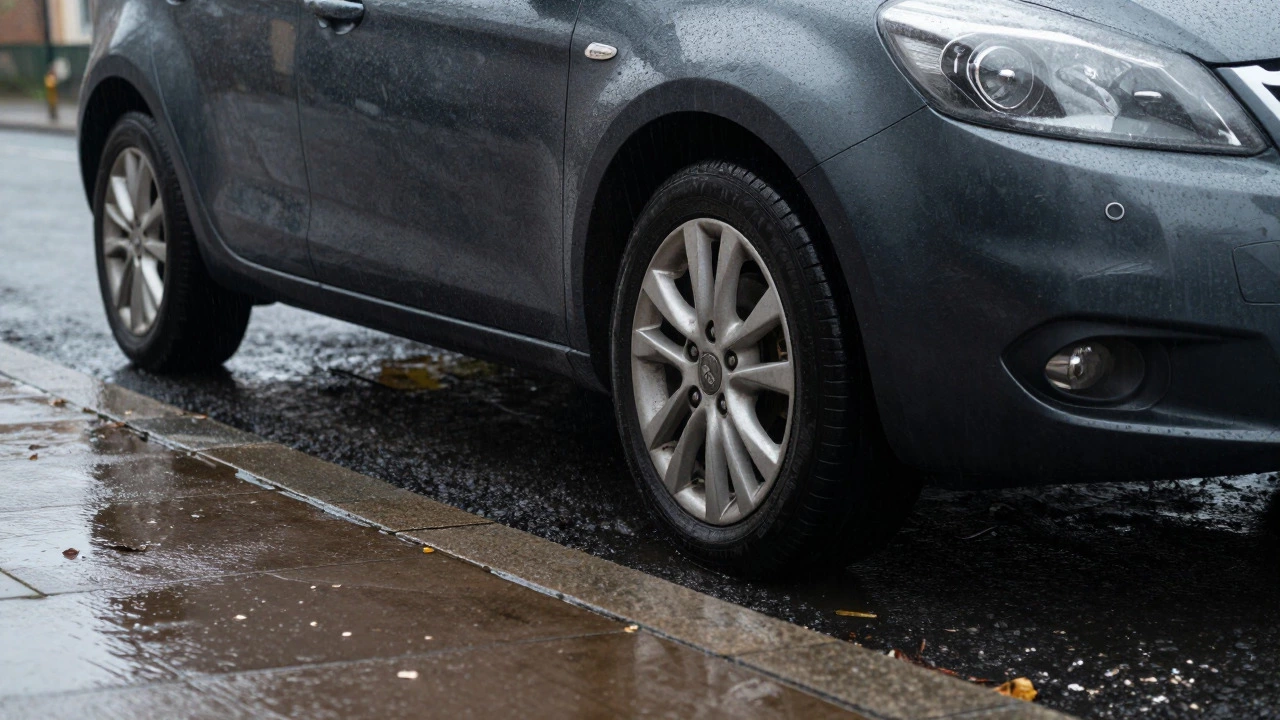
You can double the lifespan of your wheels with simple maintenance. First, clean them regularly. Brake dust contains iron particles that eat into the clear coat. Use a pH-neutral wheel cleaner specifically designed for alloys. Avoid acidic cleaners unless necessary, as they strip protective layers.
Second, apply a ceramic sealant. Products like Gtechniq or CarPro offer coatings that bond to the clear coat, creating a hydrophobic barrier. This prevents brake dust from sticking and protects against UV degradation. Reapply this every six months. In our Australian climate, this step is non-negotiable for longevity.
Third, check tire pressure monthly. Under-inflated tires put excessive stress on the wheel edges, increasing the risk of curb damage and barrel fatigue. Proper inflation ensures the wheel absorbs shock evenly.
Finally, inspect for damage after every major trip. Look for small chips in the paint. Touch them up immediately with matching enamel. A small chip left alone becomes a large corroded patch in one summer.
When to Repair vs. Replace
Not all damage means buying new wheels. Minor curb rash can be polished out. Small cracks in the spoke area can sometimes be welded by a specialist using TIG welding techniques. However, if the crack extends into the barrel or the center bore, replacement is safer. Welding repairs compromise the original metallurgy, so they are temporary fixes at best.
Consider replacement if:
- The wheel is more than eight years old and shows multiple stress fractures.
- Corrosion has penetrated deeper than 1mm.
- The wheel has been bent beyond straightening limits.
- You are upgrading to a higher-performance vehicle that requires stronger wheels.
How many miles do alloy wheels last?
Alloy wheels typically last between 60,000 and 100,000 miles under normal driving conditions. However, mileage is less important than time and impact frequency. A wheel driven gently on smooth roads may last 15 years, while one driven aggressively on rough terrain may fail in 40,000 miles.
Do alloy wheels expire?
Alloy wheels do not have a strict expiration date like tires. Their lifespan depends on maintenance and usage. However, clear coat degradation usually occurs within 5-7 years, leading to corrosion if untreated. After 10 years, even well-maintained wheels should be inspected for metal fatigue.
Are forged wheels worth the extra cost?
For daily drivers on poor roads, forged wheels are worth the investment due to their superior impact resistance and longer lifespan. For track use, they offer better weight reduction and heat dissipation. For casual city driving, high-quality cast wheels provide sufficient durability at a lower price point.
Can you repair a cracked alloy wheel?
Minor cracks in non-critical areas like the outer lip can be repaired via welding and polishing. Cracks in the barrel or center hub require replacement for safety. Professional inspection is recommended before attempting any repair to ensure structural integrity remains intact.
Does road salt destroy alloy wheels?
Road salt accelerates corrosion by breaking down the clear coat and reacting with exposed aluminum. In regions using de-icing salts, washing wheels weekly during winter and applying a ceramic sealant annually can prevent significant damage. Without protection, salt exposure can reduce wheel lifespan by 30-40%.