Alloy Wheel Restoration Cost & Decision Tool
Configuration
Estimation Results
Enter your details and click calculate to see the breakdown.
The Short Answer: It Depends on Your Goals
Here is the reality: factory alloy wheels come with a protective coating, so they do not strictly need to be painted to survive. However, if you want to change their look or repair damage, painting becomes necessary. The question isn't just about aesthetics; it is about preserving the structural integrity of your vehicle's most exposed components.
Alloy wheels are lightweight wheels made from aluminum or magnesium alloys that offer better heat dissipation and performance than steel. Unlike steel wheels, which rust easily when the paint chips, aluminum corrodes in a different way-creating an ugly white powder called oxidation. If you leave bare aluminum exposed to Adelaide’s harsh sun and road salt, it will degrade. So, while you don't have to paint them for the sake of it, you must ensure they remain sealed.
Why Factory Coatings Fail Over Time
When you buy a car, the wheels are already finished. Manufacturers use electrocoating (e-coat) followed by primer and a topcoat, often sealed with a clear lacquer. This process is robust but not invincible. In Australia, where UV exposure is intense and we frequently use salt on icy roads (or just deal with salty coastal air), these coatings break down faster than in milder climates.
You might notice small chips from gravel or curb strikes. On a steel wheel, this leads to orange rust. On an alloy wheel, it leads to pitting. Once the clear coat is compromised, moisture gets under the surface. This causes the finish to bubble and peel. If you ignore this, the corrosion spreads underneath the remaining paint, making removal difficult later. Painting isn't just a cosmetic fix; it is a barrier against chemical degradation.
When You Should Paint Your Alloy Wheels
There are three main scenarios where painting your wheels makes sense. Knowing which one applies to you will save you time and money.
- Restoration: Your wheels are scratched, oxidized, or peeling. Repainting restores the original look and stops further corrosion.
- Customization: You want a color that didn't come from the factory, like matte black, bronze, or a vibrant blue. This requires stripping the old finish and applying new layers.
- Protection Upgrade: You live in a high-corrosion area (like near the ocean or in industrial zones) and want to apply a ceramic coating or a thicker clear coat for extra durability.
If your wheels are in good condition with no chips, you probably don't need to repaint them yet. Instead, focus on maintenance. But if you see any white powdery residue or bubbling, act fast. Delaying repair means more sanding work later.
The Risks of DIY Wheel Painting
Many people think painting wheels is easy because it looks like spray-painting a fence. It is not. Wheels endure extreme forces: heat from brakes, centrifugal force at speed, and constant vibration. A bad paint job doesn't just look bad; it can fail catastrophically.
The biggest risk is improper adhesion. If you don't strip the wheel completely down to bare metal, the new paint will peel off within months. Another common mistake is using the wrong type of paint. Standard acrylics crack under heat. You need high-temperature enamel or urethane-based paints designed specifically for automotive applications.
Also, consider balance. Adding too much paint adds weight. While a few grams won't hurt, uneven application can cause vibrations at highway speeds. Professional shops use spin coaters to ensure even thickness. DIYers often miss spots or build up ridges, leading to wobbly steering.
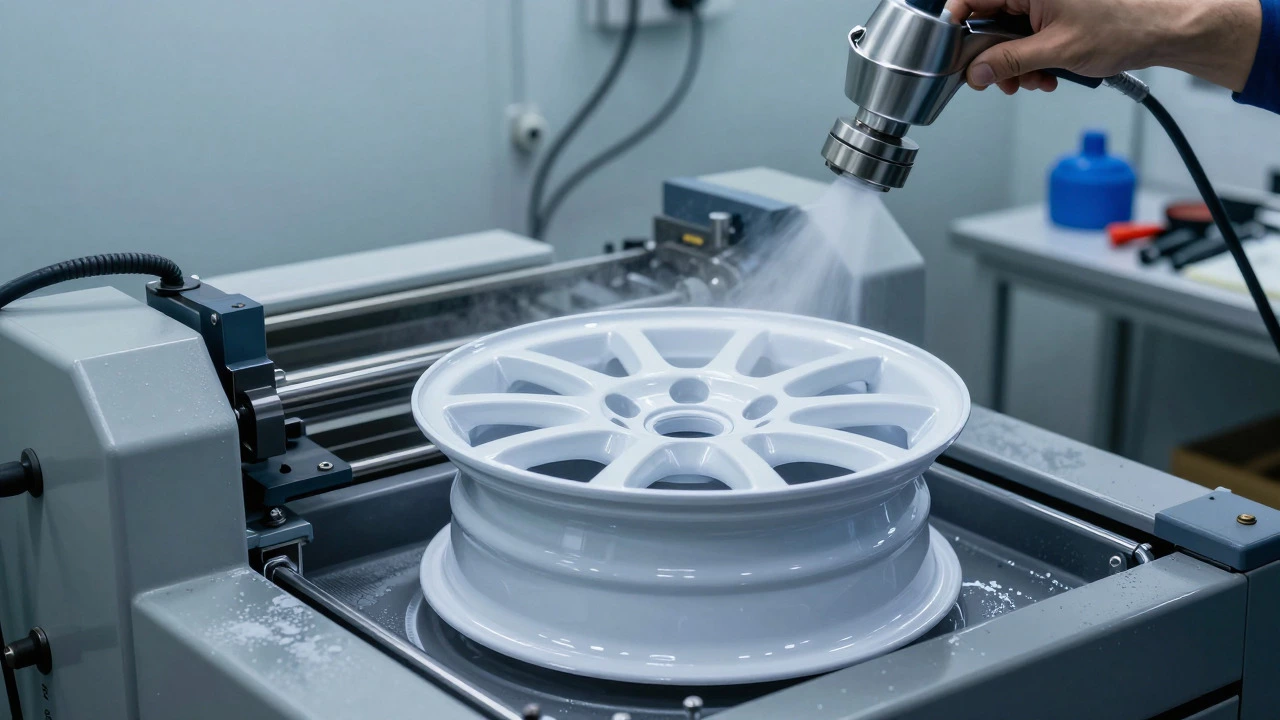
Step-by-Step: How to Paint Alloy Wheels Correctly
If you decide to tackle this yourself, follow these steps carefully. Skipping any step increases the chance of failure.
- Remove the wheels: Take them off the car. Cleaning them on the hub is nearly impossible and risky for your brakes.
- Strip the old finish: Use a chemical stripper or media blasting (sandblasting) to remove all paint, clear coat, and brake dust. Bare metal is essential.
- Clean thoroughly: Wash with degreaser. Brake dust contains iron particles that cause flash rust. Use an iron remover product to neutralize this.
- Sand lightly: Use 400-grit sandpaper to create a "tooth" for the primer to grip. Wipe clean again.
- Apply etching primer: This bonds to the aluminum. Let it cure fully according to the manufacturer's instructions.
- Paint: Apply 2-3 thin coats of high-heat wheel paint. Allow flash-off time between coats.
- Clear coat: Seal with a high-gloss or matte clear coat. This provides UV protection and scratch resistance.
- Cure: Let the wheels sit for at least 24-48 hours before mounting. Heat curing (if possible) strengthens the bond.
Note: Media blasting is highly recommended over chemical stripping for best results. Chemicals can get trapped in crevices and cause issues later.
Professional vs. DIY: What’s Worth It?
| Factor | DIY Approach | Professional Shop |
|---|---|---|
| Cost | $50 - $150 (materials) | $200 - $600 per wheel |
| Durability | Variable (often 1-2 years) | High (3-5+ years) |
| Finish Quality | Depends on skill level | Consistent, factory-like |
| Time Required | Weekend project | 2-5 days turnaround |
| Risk of Damage | High (stripping errors) | Low (insured work) |
Professionals use ovens to bake the paint, creating a harder finish that resists chipping better than air-dried DIY jobs. They also have access to better primers and clear coats. If your wheels are expensive or you drive aggressively, pay for pro work. For older cars or budget builds, DIY can be a fun learning experience.
Alternatives to Painting: Ceramic Coating and Wraps
You don't always have to strip and repaint. Two popular alternatives exist today.
Ceramic Coating: This is a liquid polymer applied to the existing clear coat. It creates a hydrophobic layer that repels water, dirt, and brake dust. It doesn't change the color, but it makes cleaning easier and adds a deep shine. It lasts 1-3 years depending on quality. Think of it as sunscreen for your wheels.
Vinyl Wrapping: High-quality vinyl can be wrapped around wheels. It offers instant color change without permanent alteration. However, wrapping wheels is tricky due to complex shapes and heat. Cheap wraps melt or peel. Premium wraps cost almost as much as painting but are removable. Great for temporary styles or racing events.
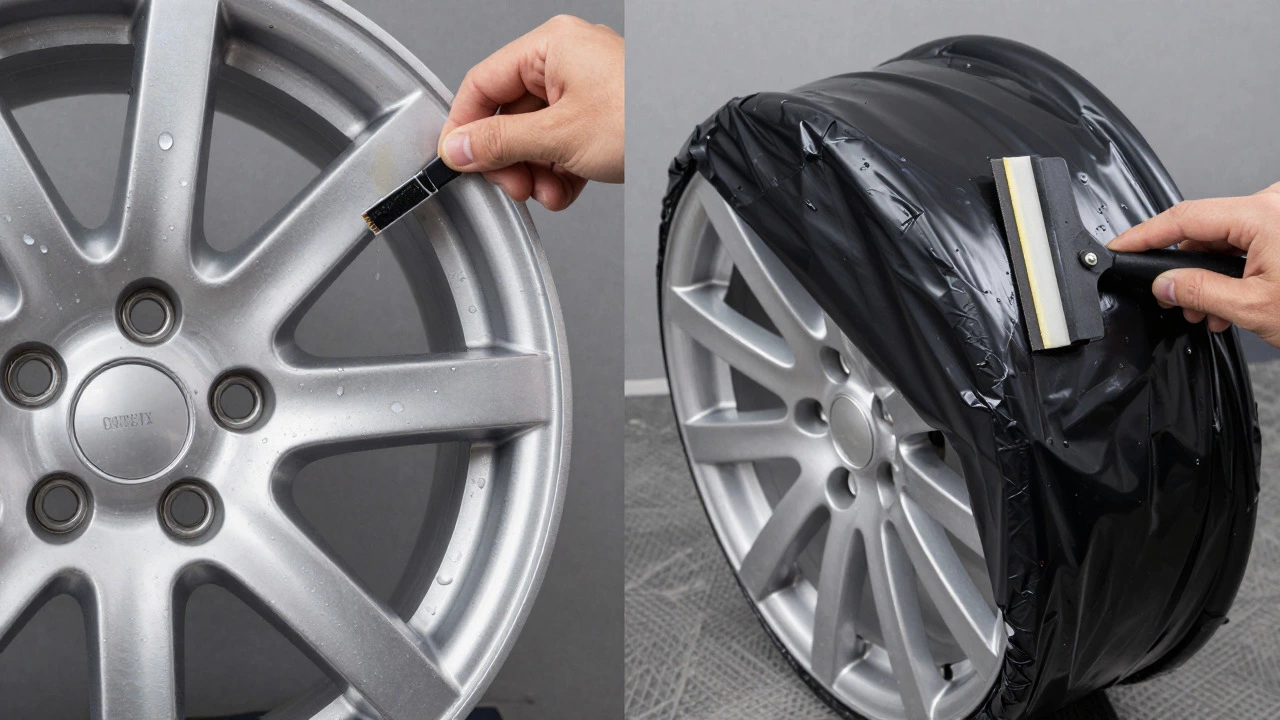
Maintenance Tips to Extend Wheel Life
Whether you paint them yourself or hire a pro, maintenance keeps them looking new. Here is what you should do regularly:
- Wash weekly: Brake dust is acidic. Letting it sit eats away at the clear coat. Use a pH-neutral wheel cleaner.
- Avoid abrasive brushes: Steel wool scratches the finish. Use soft bristle brushes or microfiber mitts.
- Inspect monthly: Look for chips. Touch them up immediately with matching paint to prevent corrosion spread.
- Apply wax or sealant: Every 3-6 months, apply a dedicated wheel wax. This adds another sacrificial layer.
In Adelaide, where summer temperatures soar, park in shade when possible. Extreme heat accelerates clear coat breakdown. If you drive on dusty rural roads, wash wheels sooner rather than later.
Common Mistakes to Avoid
I see the same errors repeatedly in garage workshops. Avoid these pitfalls:
- Skipping the primer: Paint alone does not stick well to aluminum. Primer is non-negotiable.
- Using household paint: Spray paint from hardware stores lacks heat resistance. It will yellow and crack near brake calipers.
- Painting over grease: Even invisible oil prevents adhesion. Degrease multiple times.
- Ignoring valve stems: Mask them properly. Paint inside the valve stem can ruin tire pressure sensors.
- Mounting too soon: Wet paint transfers to tires and hubs. Wait for full cure.
One specific tip: if you have multi-piece wheels, check if they are bolted together. Some require disassembly before painting. Painting assembled multi-piece wheels can trap moisture between layers, causing hidden corrosion.
Final Thoughts on Wheel Care
So, do alloy wheels need to be painted? Not initially, but they need protection. Whether that comes from the factory clear coat, a DIY repaint, or a professional job, the goal is the same: keep oxygen and moisture away from the aluminum. A well-maintained set of wheels boosts your car's value and safety. Neglected wheels become weak points.
If you love your current color, invest in ceramic coating and regular washing. If you want a fresh look or have damaged wheels, painting is a viable option if done correctly. Just remember: patience during prep work pays off in longevity. Rushing the sanding or cleaning stage guarantees a short-lived result.
Can I paint alloy wheels without removing them from the car?
Technically yes, but it is not recommended. Removing wheels allows for thorough cleaning, proper masking of brakes, and even coating application. Painting on the car risks overspray on brake rotors and suspension components, which can affect braking performance. It also makes it hard to reach the inner barrel of the wheel.
How long does painted alloy wheel finish last?
A professional paint job with proper curing can last 3 to 5 years or more. DIY jobs typically last 1 to 2 years depending on preparation quality and environmental conditions. Factors like road salt, UV exposure, and washing habits significantly impact lifespan.
What is the best paint for alloy wheels?
Use high-temperature automotive enamel or urethane-based paints specifically labeled for wheels. Brands like Rust-Oleum Automotive or Dupli-Color offer wheel-specific kits. These paints withstand heat up to 400°F (200°C) and resist chipping from road debris.
Do I need to sand alloy wheels before painting?
Yes, absolutely. Sanding creates a rough surface (mechanical key) that helps primer adhere. Lightly scuffing with 400-grit sandpaper is sufficient if the old paint is intact. If stripping to bare metal, start with coarser grit (80-120) then smooth with finer grits.
Is ceramic coating better than painting for alloy wheels?
Ceramic coating protects the existing finish but does not change color or repair deep scratches. Painting covers damage and changes appearance. For maximum protection, professionals often paint first, then apply ceramic coating over the new paint for a double-layer defense.
Can I use regular spray paint on alloy wheels?
Not recommended. Regular spray paint lacks heat resistance and flexibility. It will crack and peel quickly due to brake heat and wheel flex. Always use automotive-grade wheel paint designed to handle thermal expansion and contraction.
How much does it cost to professionally paint alloy wheels?
Prices vary by location and wheel size. In Australia, expect to pay $200-$400 per wheel for standard finishes. Complex designs, chrome plating, or large diameters can cost $500+ per wheel. Get quotes from local specialists for accurate pricing.