Wheel Spacer Alignment Decision Tool
Answer the following questions to find out if you need a professional alignment or if you're good to go.
Analysis Result
The analysis will appear here.
Quick Answers
- Bolt-on spacers: Generally do not change alignment angles, but a check is smart.
- Hub-centric vs Lug-centric: Hub-centric is safer and less likely to cause vibrations.
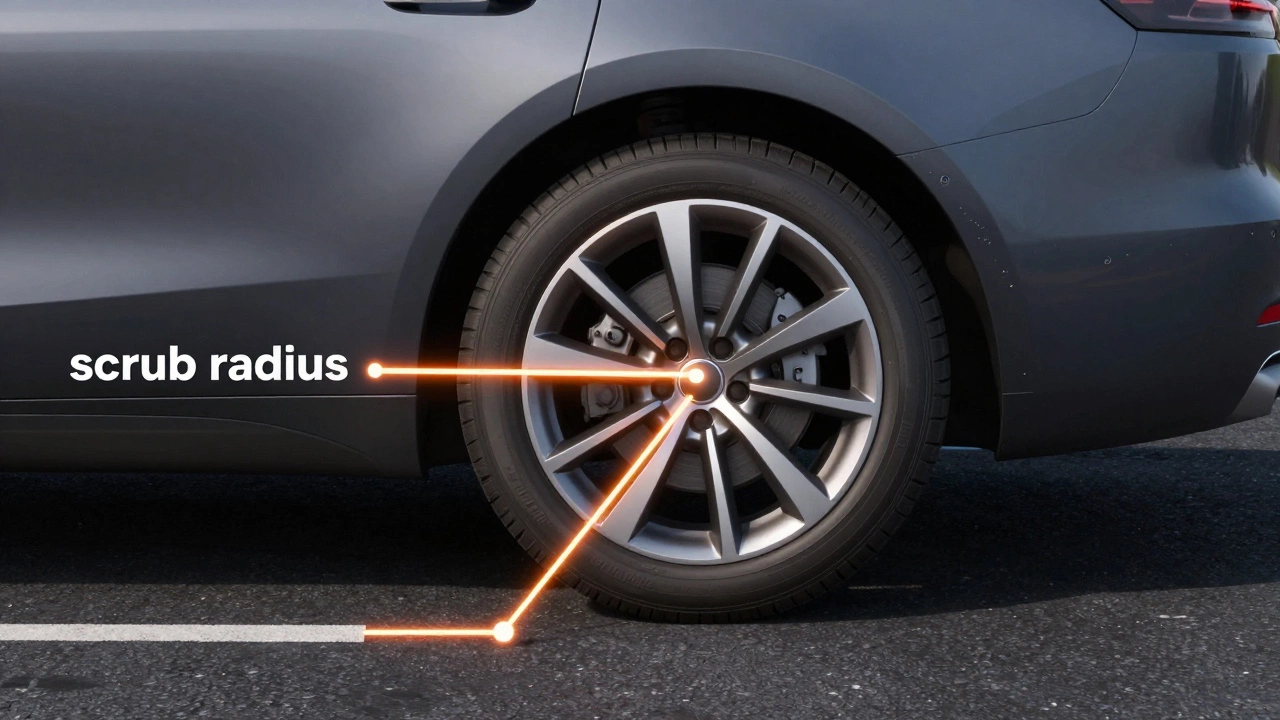
- Suspension impact: Spacers change the scrub radius, which affects how your steering feels.
- The Rule of Thumb: If you've touched the suspension or used very thick spacers, get an alignment.
The Short Answer: Does It Change Your Geometry?
If you are talking about standard wheel spacers is a device used to increase the distance between the wheel hub and the mounting surface of the wheel, the technical answer is that they don't physically move your tie rods or control arms. Since the alignment is determined by where those components sit, adding a piece of aluminum to the hub doesn't "knock' the car out of alignment in the way that a crash or a worn-out ball joint would.
However, while the wheel spacers alignment settings themselves don't shift, the way your tires interact with the road does. When you push the wheels outward, you change the scrub radius. Think of the scrub radius as the distance between where the steering axis hits the ground and the center of the tire's contact patch. By moving the wheel out, you're increasing this distance, which can make the steering feel heavier or cause the car to "tramline" (follow grooves in the road) more aggressively.
Hub-Centric vs Lug-Centric: Why It Matters
Before worrying about alignment, you have to look at how the spacer mounts. Not all spacers are created equal, and using the wrong type can lead to vibrations that feel like an alignment issue but are actually a mechanical failure.
Hub-centric spacers are spacers that feature a center lip that fits snugly into the wheel's center bore and the vehicle's hub. Because the hub carries the weight of the car rather than the lug nuts, these are incredibly stable. If you use these, your risk of vibration is low, and your alignment is less likely to be affected by wobbles.
Lug-centric spacers, on the other hand, rely solely on the studs to center the wheel. These are riskier. If the spacer isn't perfectly centered, you'll get a wheel imbalance. This vibration can mimic the symptoms of a bad alignment, leading many drivers to waste money on a professional alignment when they actually just need better spacers.
| Feature | Hub-Centric | Lug-Centric |
|---|---|---|
| Weight Distribution | Hub-supported | Stud-supported |
| Vibration Risk | Very Low | Moderate to High |
| Alignment Shift | None (Geometrically) | None (Geometrically) |
| Steering Feel | Slightly altered scrub radius | Potential for instability |
The Hidden Side Effect: Scrub Radius and Steering
Let's get into the weeds of suspension geometry is the arrangement of components that determine how a vehicle handles and how the wheels maintain contact with the road. Even if your toe and camber numbers stay the same on the alignment rack, the behavior of the car changes.
When you increase the offset (push the wheels out), you move the tire's contact patch further away from the steering pivot point. This creates a longer lever arm. In a real-world scenario, this means that when you hit a pothole, the impact is transmitted more directly into your steering wheel. You might notice that the car feels "twitchier" at high speeds. This isn't an alignment failure, but it's a change in dynamics that might make you want to adjust your alignment (perhaps by adding a bit more negative camber) to compensate for the new stance.
When You Absolutely Need a New Alignment
There are a few scenarios where you can't just "set it and forget it." If any of the following apply, put your car on the rack immediately:
- You installed adjustable camber bolts: If you adjusted your Camber is the angle of the wheel relative to the vertical axis when viewed from the front or Caster is the angle of the steering axis when viewed from the side to make the spacers fit without rubbing the fender, you've changed your geometry.
- You are using extremely thick spacers: Once you go beyond 20mm or 25mm, the leverage on your wheel bearings increases significantly. This added stress can actually wear down components faster, leading to a shift in alignment over a shorter period.
- You replaced your hub nuts or studs: If you've modified the hub assembly to accommodate spacers, there's a chance you've disturbed the surrounding components.
Common Pitfalls and How to Avoid Them
The biggest mistake people make is ignoring the "rub." You install spacers, the car looks great, but as soon as you hit a full lock turn at low speed, the tire screams against the inner wheel liner. Some people try to "fix" this by adjusting the alignment to toe-out, which is a disaster for tire wear. If you're rubbing, the answer isn't an alignment; it's either smaller spacers or trimming the plastic liners.
Another issue is the "death wobble" associated with cheap, unbranded spacers. If you feel a shimmy at 60 mph, don't go to an alignment shop first. Go back to your garage and check the torque on your lug nuts. Spacers can settle after the first 50 miles, and loose bolts can feel exactly like a car that is out of alignment.
Pro Tips for the Perfect Stance
If you're determined to get that flush look, follow these rules to keep your car driving straight and safe:
- Measure twice, buy once: Use a caliper to measure the gap between your tire and the fender. Don't guess.
- Use high-grade aluminum: Avoid cheap steel spacers. 6061-T6 aircraft-grade aluminum is the gold standard for strength and weight.
- Check your bearings: Because spacers increase the load on your wheel bearings, listen for new humming or growling noises coming from the wheels.
- The "Test Drive" Method: After installing spacers, drive the car on a flat, empty road. If the car pulls to one side, your alignment was already off, and the spacers just made it more obvious.
Will wheel spacers cause my tires to wear out faster?
Not directly. However, because they change the scrub radius and potentially the effective camber of the wheel, you might see slightly different wear patterns on the inner or outer shoulders. If your alignment is spot on, the wear should remain minimal, but always keep an eye on your tread every few thousand miles.
Can I use spacers if I have a modified suspension?
Yes, but be careful. If you have coilovers or lowering springs, your camber is already shifted. Adding spacers pushes the bottom of the wheel out, which can actually change the visual look of your camber. In this case, a professional alignment is highly recommended to ensure your toe settings aren't causing the car to drift.
Do I need longer wheel studs for spacers?
It depends on the spacer type. "Slip-on" spacers require longer studs to ensure you have enough thread engagement (usually at least 6-8 full turns). Bolt-on spacers come with their own studs, so you don't need to modify the hub.
Will spacers affect my ABS or traction control?
In 99% of cases, no. ABS sensors read the rotation of the hub or a tone ring inside the knuckle. Since the spacer sits outside that system, it doesn't interfere with the electronics. However, extreme offsets can occasionally affect how the car handles during a traction-control intervention.
How do I know if my spacers are causing a vibration?
If the vibration starts specifically as you increase speed (e.g., appearing at 50 mph and getting worse at 70 mph), it's likely a balance or centering issue. If you're using lug-centric spacers, this is common. Try swapping the wheels front-to-back; if the vibration moves, the spacer or wheel is the culprit, not the alignment.
Next Steps: What to Do Now
If you've just installed spacers and the car feels stable, you're likely good to go. But if you notice the steering wheel isn't perfectly centered when driving straight, or if the car feels like it's fighting you in the corners, head to a shop. Ask for a "four-wheel alignment check." This is often cheaper than a full alignment and will tell you if the spacers have highlighted an existing problem.
For those with high-performance setups, consider checking your alignment every 5,000 miles. The added stress on the wheel bearings and tie rods from the increased offset can cause settings to drift faster than they would on a stock setup. Keep your lug nuts torqued to spec, and enjoy the new look of your ride.