Widebody Kit Warranty Risk Calculator
Enter your modification details to estimate the likelihood of warranty claims being denied. Remember: Under laws like the Magnuson-Moss Warranty Act (US), manufacturers must prove your mod caused the failure.
Key Recommendations
You just dropped serious cash on that aggressive widebody kit. The flares are bolted on, the stance is perfect, and you can't stop looking at it in the rearview mirror. Then the check engine light pops on, or worse, your transmission starts slipping. You take it to the dealership, and the service manager gives you that look-the one that says, "You're on your own." But did that plastic bodywork actually kill your powertrain warranty? Probably not. But it’s complicated.
Here is the hard truth: manufacturers love to claim that aftermarket modifications automatically void warranties. It’s a scare tactic. In reality, especially in the US under the Magnuson-Moss Warranty Act, they have to prove your modification caused the failure. If your widebody kit didn’t touch the engine, why should it void the engine warranty? Let’s break down exactly how this works so you don’t get bullied by the service department.
The Myth of Automatic Voiding
Let’s clear up the biggest misconception first. Installing a widebody kit is an aesthetic and aerodynamic modification involving widened fenders and bumpers does not legally void your entire vehicle warranty in most jurisdictions with consumer protection laws. The idea that one bolt turns your whole car into a toy with no coverage is marketing nonsense.
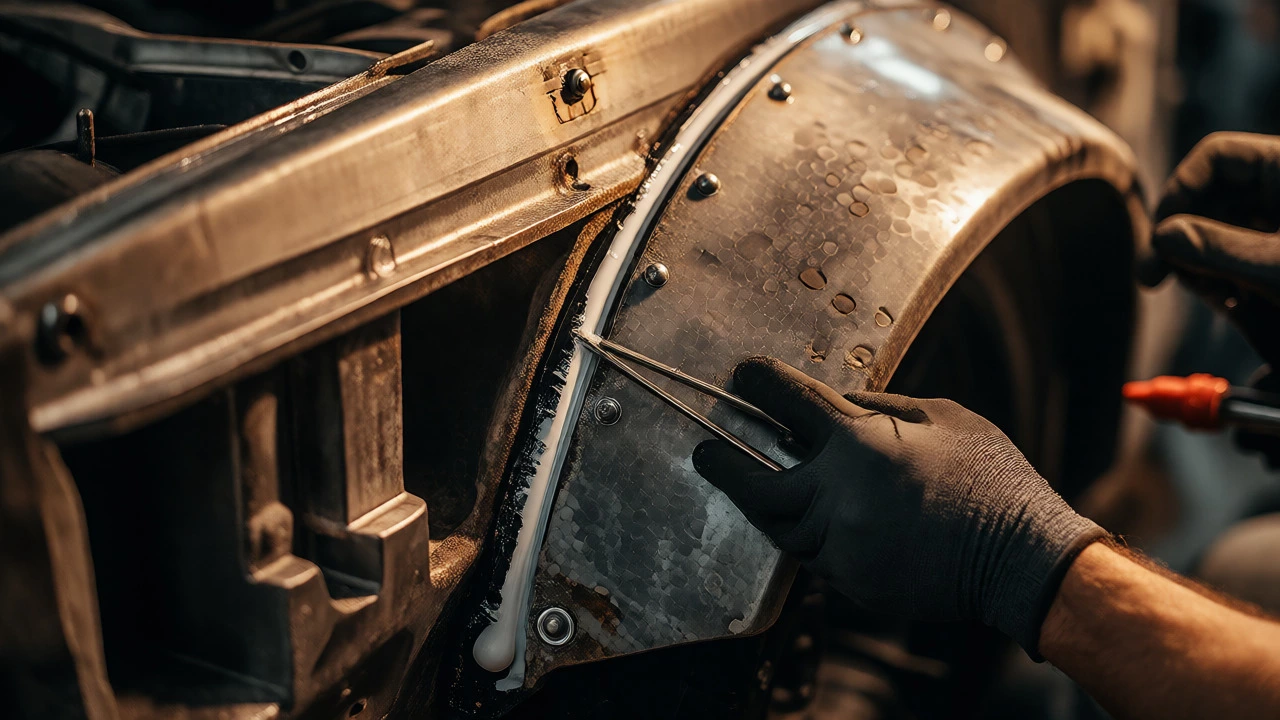
Think about it logically. A widebody kit sits on the exterior of the car. It involves cutting metal, adding rivets, and attaching fiberglass or polyurethane panels. Does touching the outer skin affect the internal combustion engine? No. Does it affect the transmission gears? No. Unless you’re doing something insane like rewiring the alternator through the fender flare (please don’t), the direct mechanical link is missing.
However, the devil is in the details. While the kit itself might be innocent, the installation process often isn’t. If you drill into a structural member and hit a wire harness, or if the added weight changes how your suspension handles stress, things get messy fast.
What Actually Voids a Warranty?
Warranties are contracts. They cover defects in materials and workmanship. They do not cover damage caused by the owner. So, what specifically triggers a denial of coverage?
- Direct Causation: This is the golden rule. The manufacturer must prove that your modification directly caused the part to fail. If your turbo blows because you installed a massive front splitter that restricts airflow to the intercooler, they can deny the turbo claim. If your radio stops working after you install fender flares, they can’t deny the radio claim unless they prove the wiring was damaged during installation.
- Improper Installation: Did you use the right torque specs? Did you seal the holes properly? Water ingress from poorly sealed cutouts can rust out floor pans or short out electronics. That’s on you, not the factory.
- Structural Compromise: Some kits require significant cutting. If you compromise a crumple zone or a unibody structure, safety-related claims might be scrutinized heavily.
The Legal Shield: Magnuson-Moss Warranty Act
If you’re in the United States, you have a powerful ally called the Magnuson-Moss Warranty Act a federal law governing consumer product warranties. Passed in 1975, this act prevents manufacturers from voiding warranties simply because an owner used aftermarket parts. The burden of proof shifts to the manufacturer. They can’t just say, "No mods allowed." They have to show evidence that your mod broke their part.
This doesn’t apply universally everywhere. Australia has similar protections under the Australian Consumer Law, which states that repairs cannot be denied solely due to aftermarket parts if those parts were fitted correctly and didn’t cause the fault. Always check your local consumer rights, but generally, the trend is pro-consumer.
Risk Assessment: What Parts Are Most Vulnerable?
Not all parts are created equal when it comes to risk. Here is a breakdown of what usually gets flagged versus what stays safe.
| Component | Risk Level | Why It Might Be Denied |
|---|---|---|
| Engine & Transmission | Low | Unless the kit affects cooling or requires ECU remapping that causes overheating. |
| Suspension & Steering | Medium | Widebody kits often require spacers or offset wheels. This changes load distribution on ball joints and tie rods. |
| Electrical Systems | High | Running new lights or sensors through cutouts without proper grommets can cause shorts or corrosion. |
| Body Panels & Paint | Very High | Corrosion around cut edges is rarely covered if the installer didn’t treat the raw metal. |
| Airbags & Safety Sensors | Medium | Side curtain airbags deploy through specific panel areas. Cutting here can interfere with deployment logic. |
The Hidden Trap: Insurance vs. Warranty
People often confuse warranty issues with insurance issues. These are two different beasts. Your warranty covers mechanical failures. Your insurance covers accidents and theft.
If you crash your modified car, your insurer needs to know about the widebody kit. If you don’t tell them, they might deny the claim or only pay the value of the stock car, leaving you out of pocket for the $3,000 kit. Conversely, some insurers offer "modified vehicle endorsements" that cover these parts. Make sure you declare the modification. Failure to disclose is a much faster way to lose money than a warranty dispute.
How to Protect Yourself Before Bolting On
You don’t have to choose between style and security. Follow these steps to keep your warranty intact.
- Read the Fine Print: Check your owner’s manual. Look for clauses regarding "alterations" or "non-OEM parts." Note what specifically is excluded.
- Keep Receipts: This is non-negotiable. Keep every receipt for the kit, the labor, and any ancillary parts like rivets or sealant. If the dealer argues, you want to prove professional installation.
- Document the Process: Take photos before, during, and after installation. Show that wires were tucked away, holes were sealed, and no structural beams were severed unnecessarily.
- Use a Certified Installer: DIY is great, but if you mess up, the dealer will blame your skills. A certified shop provides a workmanship guarantee that backs up the manufacturer’s warranty.
- Don’t Remap Without Thinking: Many people pair widebody kits with performance tunes. An ECU remap is far more likely to void powertrain warranties than bodywork. If you tune, keep the stock file ready to flash back before a service visit.
What to Do If the Dealer Denies Coverage
So, you brought the car in, and they said no. Don’t walk away immediately. Ask for a written explanation. Specifically, ask them to identify which part failed and how the widebody kit caused that specific failure. Often, they’ll fold when pressed for technical specifics.
If they still refuse, you can file a complaint with your regional consumer protection agency or seek mediation. For minor issues, sometimes paying for the repair yourself and keeping the receipts is cheaper than fighting it. But for major components like a transmission replacement, it’s worth pushing back.
Final Verdict: Is It Worth the Risk?
For most daily drivers, installing a widebody kit carries minimal risk to the core mechanical warranty. The chance of your engine failing because of fender flares is statistically negligible. The real risks lie in electrical gremlins and suspension wear due to altered geometry.
If you plan to sell the car soon, consider removing the kit before the final service. It makes resale easier and removes any doubt for the next owner. But if you’re keeping it long-term, document everything, install it professionally, and enjoy the look. Just remember: if you modify it, you own the consequences of that modification. But you don’t own the consequences of their manufacturing defects.
Does a universal fit widebody kit void warranty more than OEM?
Potentially, yes. Universal kits often require more drilling and custom fitting than OEM-specific kits. More extensive modifications increase the likelihood of improper installation, which gives dealers a stronger argument for denying related claims. OEM-style kits designed for your specific model usually involve less invasive changes.
Can I remove the widebody kit before selling my car to avoid warranty issues?
Yes, removing the kit restores the car to its original state, eliminating visual cues that trigger scrutiny. However, if the installation left visible marks, holes, or paint mismatches, a savvy buyer or inspector might still question the history. Proper removal and touch-up painting are essential.
Do extended warranties cover aftermarket modifications?
Most extended warranties exclude aftermarket parts themselves. They typically cover the original equipment. If a modified part fails, the warranty might cover the replacement part but not the labor to reinstall the aftermarket component, or vice versa. Always read the exclusions list carefully.
What if the dealer says my warranty is void because I changed the exhaust too?
Exhaust modifications are more sensitive than body kits because they affect emissions systems and engine tuning. If you have both a widebody kit and an exhaust mod, the dealer might conflate the two. Focus on proving the body kit is unrelated to the mechanical issue. The exhaust mod might be the actual culprit for sensor errors.
Is it better to install a widebody kit myself or go to a pro?
Going to a professional is significantly safer for your warranty. Pros provide documentation of correct installation methods. If a leak develops, they stand behind their work. If you DIY and make a mistake, the dealer has an easy excuse to deny coverage based on "improper installation."