Window Tint Visualizer
How Dark Does Your Tint Look?
Adjust the slider below to see how different tint levels appear in real-world conditions
Tint Level
Visibility
Tint Appearance
Light smoke. Noticeable but not hiding anything.
5%: Almost opaque. Looks black.
20%: Dark gray. Hard to see inside.
35%: Light smoke. Noticeable but not hiding anything.
50%: Very light tint. Barely noticeable.
70%: Almost no tint. Looks factory.
Ever seen a car with 35% tint and wondered if it actually looks dark-or if it’s just marketing fluff? You’re not alone. A lot of people pick 35% tint because it’s often called a "middle ground," but what does that really mean when you’re sitting in the driver’s seat or walking past the car in daylight? Let’s cut through the confusion and show you exactly how dark 35% tint looks in real life, not on a product page.
What Does 35% Tint Actually Mean?
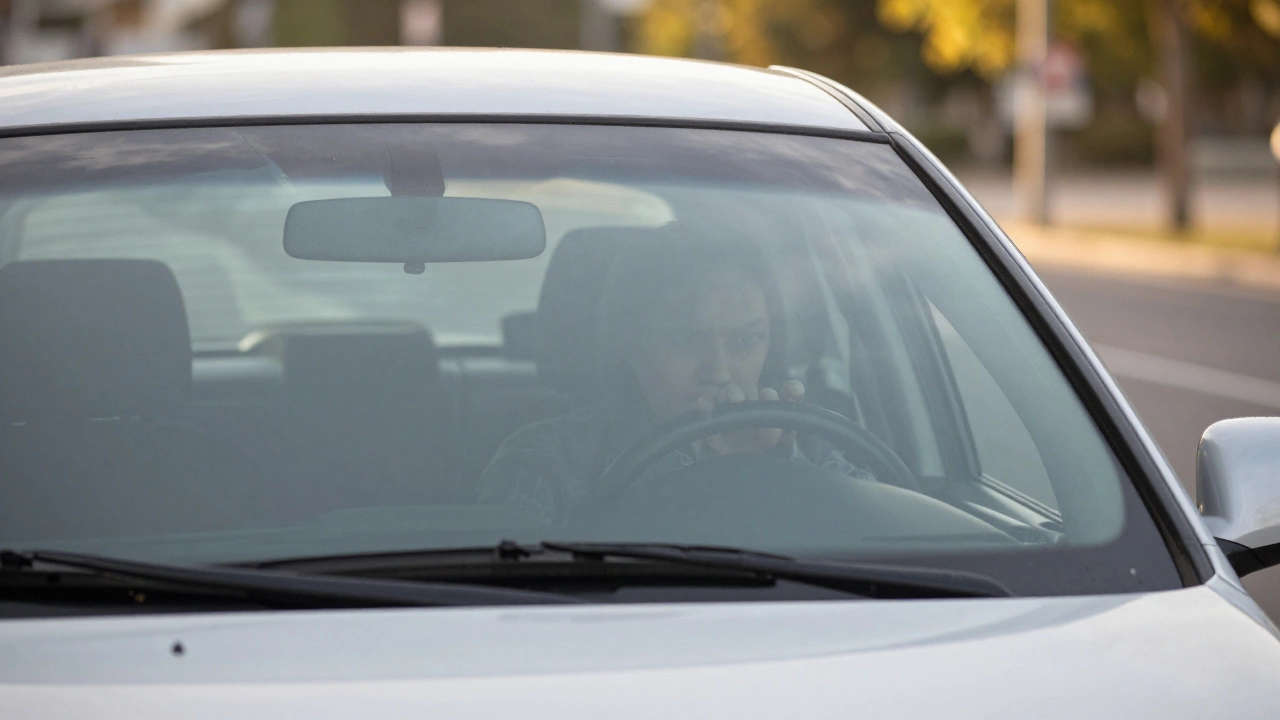
Window tint percentage refers to the amount of visible light that passes through the film. So 35% tint means 35% of outside light gets through. That also means 65% is blocked. Sounds dark, right? But here’s the catch: it doesn’t feel as dark as you’d think. A 5% tint-almost black-is what you see on limos. A 20% tint looks noticeably shaded, even from outside. But 35%? It’s more like a light smoke. You’ll notice it, but you won’t mistake it for a privacy screen.
Think of it like sunglasses. If you put on sunglasses that block 65% of sunlight, you’re not in total darkness-you’re just reducing glare. That’s 35% tint. It’s not meant to hide what’s inside. It’s meant to reduce heat and glare while still letting you see clearly.
How It Looks From the Outside
From the outside, a car with 35% tint looks like it has a subtle, cool gray tint. It’s not glossy. It’s not shiny. It’s matte and smooth, like a thin layer of smoke over the glass. In bright sunlight, you can still see people inside clearly, especially if they’re sitting still. If someone leans forward or moves their head, you’ll catch movement. But if you’re trying to read a phone screen or spot a wallet on the seat? You’re not going to see it.
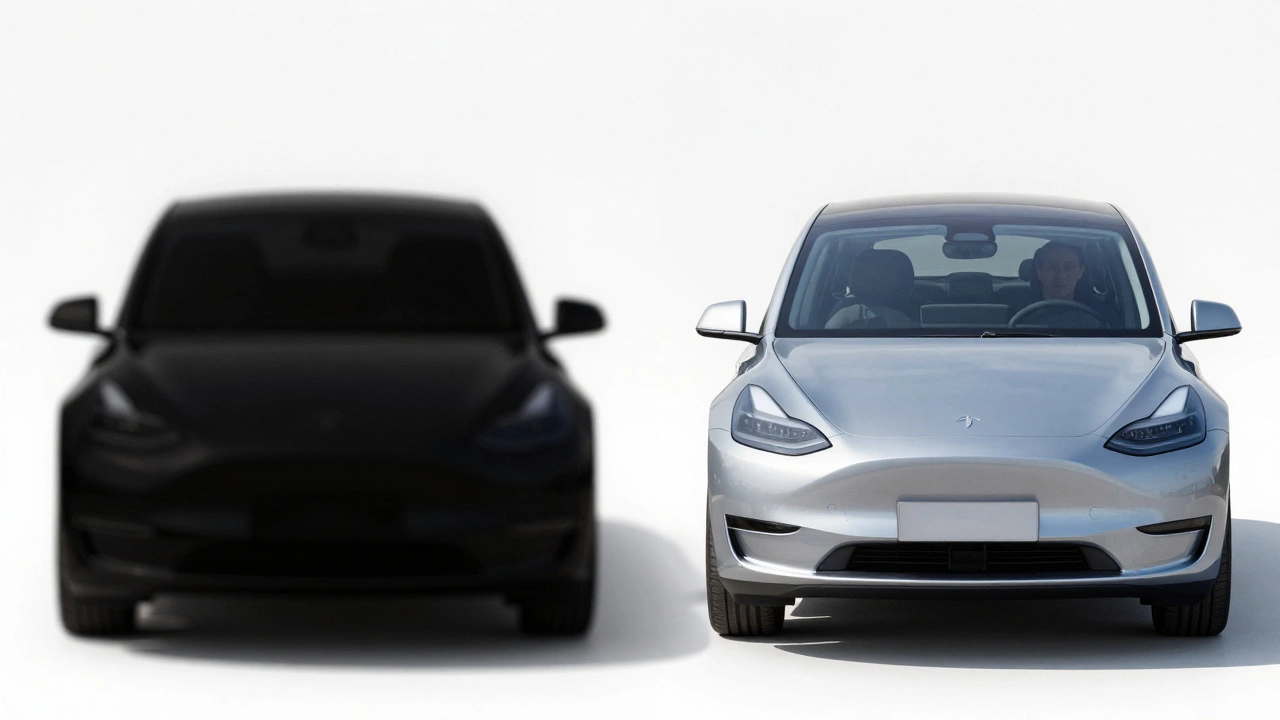
Compare it to 20% tint. At 20%, the windows look darker, almost like a foggy mirror from a distance. At 35%, the glass still looks like glass-just slightly tinted. That’s why 35% is popular in states with strict laws. It’s dark enough to reduce glare and heat, but light enough to stay legal in most places.
How It Looks From the Inside
Inside the car, 35% tint makes a noticeable difference in comfort. On a sunny afternoon, your dashboard won’t feel like a frying pan. Your eyes won’t squint as much trying to read the dashboard or GPS. Headlights from oncoming traffic? Less blinding. The tint reduces the intensity of direct light without making the cabin feel like a cave.
At night, visibility is still excellent. You can read street signs clearly. You can see pedestrians near the curb. You don’t need to turn on the dome light to see your coffee cup. That’s one of the biggest wins with 35%: it doesn’t sacrifice night driving safety. A lot of people regret going darker than 35% because they can’t see well after dark.
Real-World Comparison: 35% vs Other Tints
Here’s how 35% stacks up against other common tint levels:
| Tint Level | Outside Appearance | Inside Visibility | Heat Rejection | Legal in Most U.S. States? |
|---|---|---|---|---|
| 5% | Almost opaque. Looks black. | Very poor. Hard to see out at night. | Very high. | No. Illegal for front windows. |
| 20% | Dark gray. Hard to see inside. | Good. Minor night glare. | High. | Yes, for rear windows. |
| 35% | Light smoke. Noticeable but not hiding anything. | Excellent. Clear day and night. | Moderate. | Yes, for all windows. |
| 50% | Very light tint. Barely noticeable. | Perfect. Looks like clear glass. | Low. | Yes. |
| 70% | Almost no tint. Looks factory. | Perfect. | Minimal. | Yes. |
As you can see, 35% hits a sweet spot. It’s darker than 50% (which barely helps) but far more usable than 20% (which can be risky at night). Most people who switch from 20% to 35% say they wish they’d started with 35% in the first place.
Why People Choose 35% Tint
There are three big reasons people pick 35%:
- Legal safety. In states like California, New York, and Texas, 35% is the legal limit for front side windows. Going darker risks a ticket.
- Daytime comfort. It cuts sun glare and reduces cabin heat by 30-40%. That’s enough to keep the AC from running nonstop.
- Nighttime visibility. Unlike darker tints, 35% doesn’t make night driving feel like a tunnel. You still see road markings, signs, and pedestrians clearly.
It’s also popular because it doesn’t scream "modified car." It looks clean. It looks factory. If you’re trying to sell the car later, 35% tint won’t turn off buyers like a blacked-out windshield would.
What 35% Tint Doesn’t Do
It’s important to know what 35% tint won’t fix:
- It won’t block UV rays completely. Most quality 35% films block 99% of UV, but that’s not the same as blocking heat. Heat comes from infrared light, which tint only reduces-not eliminates.
- It won’t stop all fading. Your dashboard and seats will still fade over time, just slower.
- It won’t make your car invisible. If someone wants to see inside, they can. 35% isn’t a privacy shield. It’s a comfort upgrade.
Installation Tips
Not all 35% tint is the same. A cheap, store-bought roll from Amazon might bubble, fade, or turn purple in a year. A professional installation with a reputable brand-like Llumar, 3M, or XPEL-will last 10+ years and look flawless.
Ask for ceramic or carbon-based film. These don’t interfere with GPS, radio, or cell signals. Avoid metallic tints if you use a dash cam or phone mount-they can mess with signal reception.
Also, get it done in a clean environment. Dust under the film looks like dirt forever. And never roll down your windows for at least 72 hours after installation. Bubbling happens if you rush it.
Is 35% Tint Right for You?
If you drive in bright sunlight, hate glare on your dash, or live in a state with strict tint laws-35% is probably your best bet. It’s not the darkest option, but it’s the most practical. You get comfort without compromise.
Still unsure? Try this: park your car in the sun. Put on a pair of sunglasses with 35% tint (many polarized sunglasses block about that much light). Now look at your dashboard. That’s what your car will feel like.
Most people who try 35% say they wish they’d done it sooner. And no one regrets it.
Can you see through 35% tint at night?
Yes, you can see clearly at night with 35% tint. Unlike darker tints like 20% or 5%, 35% allows enough light to pass through so street signs, traffic lights, and pedestrians remain visible. Many drivers say it feels almost like having no tint at all after dark, which is why it’s the most popular choice for front windows.
Is 35% tint legal everywhere?
35% tint is legal for front side windows in most U.S. states, including California, Texas, Florida, and New York. However, laws vary by state and sometimes by vehicle type. Always check your state’s specific window tint laws before installing. Rear windows and back windshields often have looser restrictions.
Does 35% tint reduce heat?
Yes, 35% tint reduces cabin heat by about 30-40%. It blocks infrared radiation, which is the main source of heat from sunlight. While it won’t make your car as cool as air conditioning, it significantly reduces how fast the interior heats up, which means your AC doesn’t have to work as hard.
Will 35% tint fade or turn purple?
High-quality 35% tint made from ceramic or carbon materials won’t fade or turn purple. Cheaper dyed films can, especially if exposed to constant sunlight. Always choose a reputable brand like Llumar, 3M, or XPEL. These films come with warranties that cover fading and peeling.
How does 35% tint compare to factory tint?
Factory tint is usually around 20-30% on rear windows and 70-80% on front windows. So 35% aftermarket tint on front windows will be darker than factory glass. On rear windows, 35% is lighter than factory tint, which often runs around 20%. Aftermarket tint lets you customize the look, unlike factory options.
What to Do Next
If you’re thinking about getting 35% tint, start by checking your state’s laws. Then visit a reputable shop that uses quality film. Ask to see samples. Look at them in direct sunlight. Ask how long the warranty lasts. Don’t go for the cheapest option-this is something you’ll live with for years.
And if you’re still unsure? Try the sunglasses test. Put on a pair with 35% tint and sit in your car. That’s what it’ll feel like every day.