Wheel Spacer Safety & Lifespan Analyzer
Step 1: What material are your spacers made of?
Step 2: What is your primary driving style?
Step 3: Do you perform these maintenance tasks?
There is a common myth in the car community that wheel spacers are disposable plastic inserts that fall apart after a few thousand kilometers. The reality is quite different. If you buy quality hardware and install it correctly, a set of wheel spacers can last for the entire life of your vehicle. They do not wear out like brake pads or tires. However, they can fail if neglected or if cheap materials are used.
The question isn't really "how long" in terms of time, but rather "under what conditions." A high-quality aluminum spacer installed on a daily driver might last ten years without issue. A cheap cast iron spacer on a track day car could snap within months. Let's break down exactly what determines their lifespan, how to spot trouble before it happens, and how to keep them safe.
What Determines the Lifespan of Wheel Spacers?
The longevity of your spacers comes down to three main factors: material quality, installation torque, and driving environment. Most modern spacers are made from 6061-T6 Aluminum. This alloy is strong, lightweight, and resistant to corrosion. It is the industry standard for safety-critical components. If your spacers are made from this material, they have no inherent expiration date. They will not degrade over time simply because the calendar turned.
However, the hardware attached to them tells a different story. The bolts or studs that hold the spacer to your hub are under constant tension. Over time, metal fatigue can occur, especially if the bolts were not torqued to specification initially. In Adelaide, where we get hot summers and occasional heavy rain, corrosion can also eat away at lower-grade steel bolts, weakening the connection. So, while the spacer itself lasts forever, the bolts holding it in place may need replacement every 5 to 10 years, depending on usage.
Signs Your Wheel Spacers Are Failing
You cannot rely on mileage alone to determine when to replace wheel spacers. Instead, you need to watch for physical symptoms. Since spacers are static parts (they don't rotate with the wheel), they don't make noise unless something is loose. Here are the specific signs to look for:
- Vibration at Speed: If you feel a shimmy in the steering wheel or seat between 80-100 km/h, it could indicate a loose bolt or a warped spacer. This is often caused by improper initial installation rather than age.
- Loose Lug Nuts: Check your lug nuts regularly. If they keep loosening despite being torqued correctly, the spacer surface might be uneven, or the bolts inside the spacer are stretching.
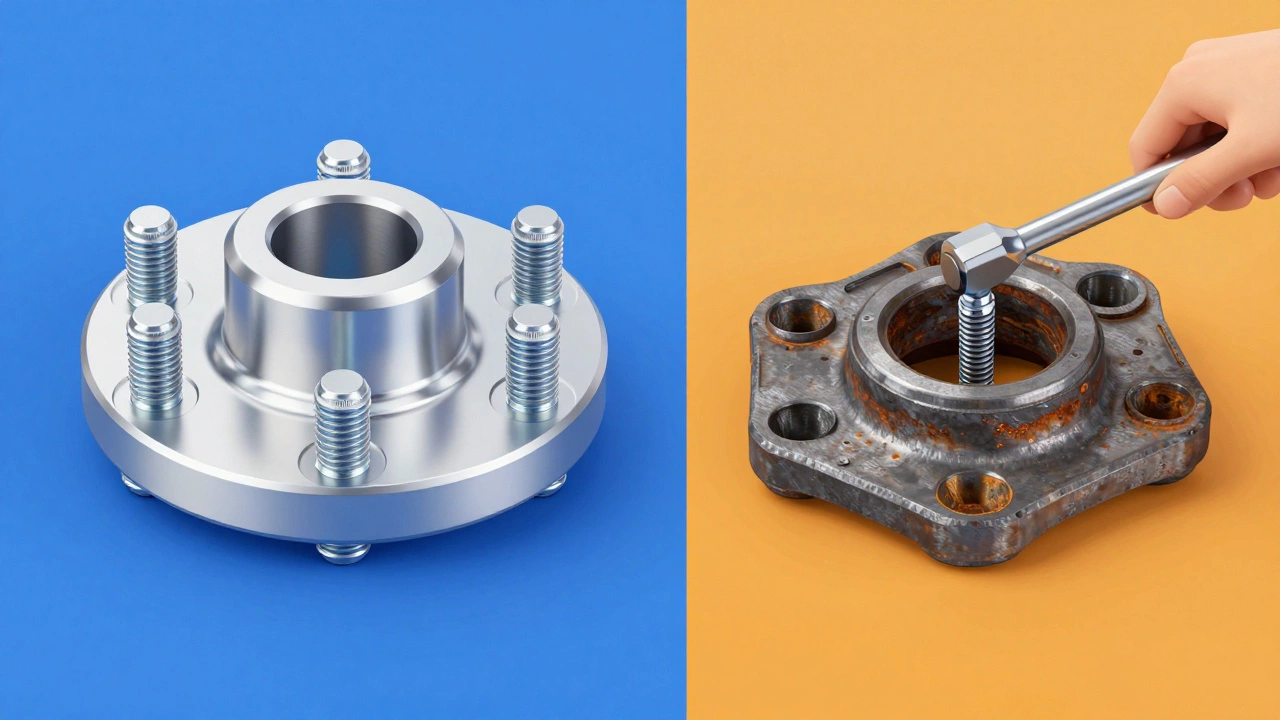
- Corrosion Seizure:: Look closely at the interface between the spacer and the hub. If rust has built up significantly, it can cause stress concentrations. In extreme cases, the bolts can seize into the hub, making removal difficult and potentially damaging the threads.
- Visible Cracks: Inspect the face of the spacer. While rare with aluminum, cracks can appear around the bolt holes if the spacer was subjected to impact damage, like hitting a large pothole at speed.
Material Matters: Aluminum vs. Steel vs. Cast
Not all spacers are created equal. The material directly impacts how long they last and how safe they are. Here is a quick comparison to help you understand what you are working with.
| Material | Lifespan Expectancy | Safety Rating | Common Issues |
|---|---|---|---|
| 6061-T6 Aluminum | Indefinite (with bolt checks) | High | None if machined correctly |
| Steel | Indefinite | High | Heavy weight, prone to rust |
| Cast Iron / Cheap Alloy | Unpredictable | Low | Brittle, can shatter under stress |
If you currently have cast iron spacers, consider replacing them immediately. Cast materials have microscopic air bubbles and inconsistencies that make them brittle. Under the shear forces of cornering or braking, they can snap without warning. Aluminum and steel are ductile, meaning they bend slightly before breaking, giving you a chance to notice an issue before catastrophic failure.
Maintenance Tips to Extend Life
To ensure your spacers last as long as possible, follow these simple maintenance steps. These are not just suggestions; they are critical for safety.
- Torque Checks: After installing new spacers, check the lug nut torque after 50 kilometers, then again after 200 kilometers. After that, check them every time you rotate your tires or during regular service intervals. Use a torque wrench set to your vehicle manufacturer's specifications. Do not guess.
- Keep Surfaces Clean: Before installing spacers, clean the hub face thoroughly. Any dirt, paint, or rust between the hub and the spacer creates a gap. This gap causes play, which leads to vibration and premature bolt failure. Use a wire brush or sandpaper to ensure a perfect mating surface.
- Use Thread Locker: Apply a medium-strength thread locker (like Loctite Blue) to the bolts that go through the spacer. This prevents them from vibrating loose due to road shocks. Note: Do not use red (permanent) thread locker unless you want to drill out the bolts later.
- Inspect Annually: Once a year, remove the wheels and visually inspect the spacers. Look for signs of cracking, bending, or severe corrosion. If you see any issues, replace the entire set. Do not mix old and new spacers.
Does Driving Style Affect Durability?
Your driving habits play a significant role in how long your spacers last. If you drive gently on smooth city streets, your spacers will likely never give you trouble. However, if you frequently tow heavy trailers, drive off-road, or participate in track days, the stress on the spacers increases dramatically.
In high-performance applications, the lateral G-forces put immense strain on the bolts. For track use, many enthusiasts upgrade to stud extensions instead of traditional spacers. Stud extensions are considered safer because they maintain the original stud pattern and reduce the lever arm effect. If you are pushing your car hard, consider this upgrade. Traditional spacers add length to the unsprung weight, which can affect handling and increase stress on the suspension components over time.
Legal and Insurance Considerations in Australia
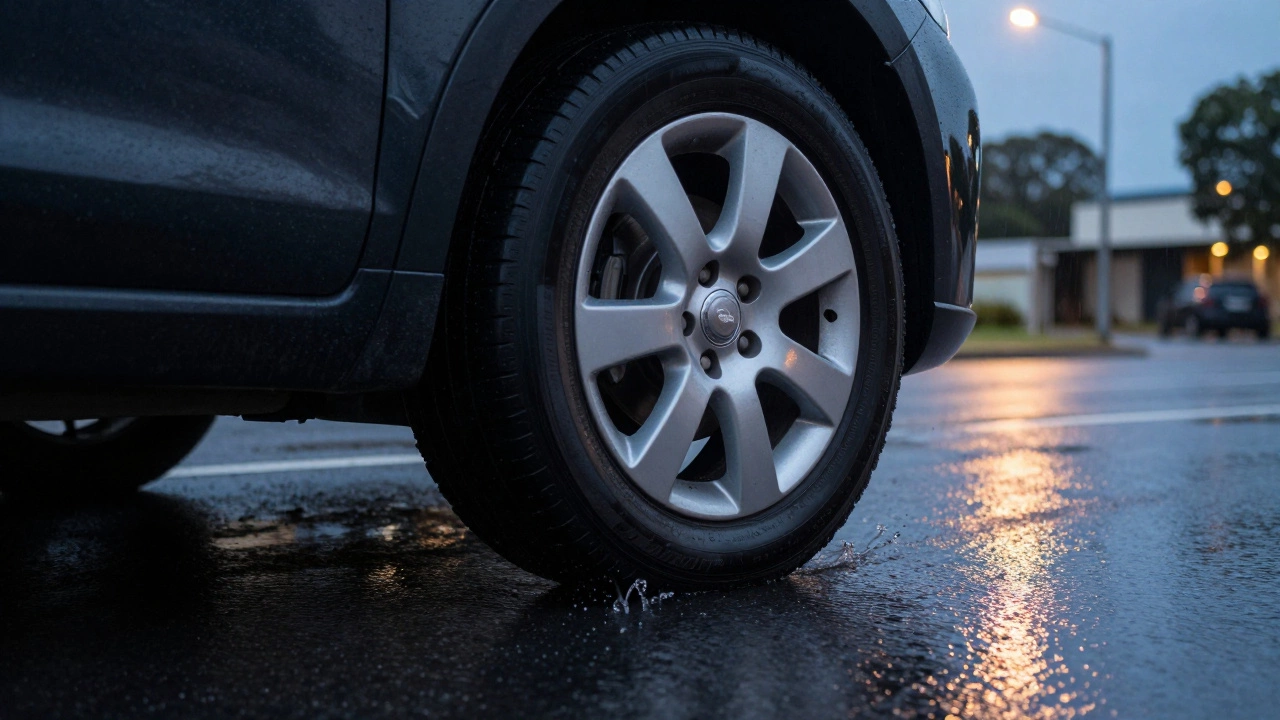
In Australia, including South Australia, modifying your vehicle must comply with local regulations. Wheel spacers are generally legal if they do not alter the vehicle's dimensions beyond what is allowed and if they are installed safely. However, if an accident occurs and it is determined that poorly maintained or substandard spacers contributed to the loss of control, your insurance claim could be denied.
Always keep records of the brand and model of spacers you install. Reputable manufacturers provide engineering certificates and load ratings. Using these documents can help prove that you took reasonable care in maintaining your vehicle. Never buy spacers from unknown sources without quality assurance. Your safety is worth more than saving a few dollars.
When Should You Replace Them?
So, when is the right time to replace your wheel spacers? There is no fixed mileage. Replace them if:
- You notice any vibration or looseness that persists after proper torquing.
- The bolts show signs of stretching, stripping, or severe corrosion.
- The spacer face is damaged or cracked.
- You are upgrading to a different wheel setup that requires different offsets.
- You switch from street use to high-performance or off-road use and want peace of mind with new hardware.
Remember, prevention is cheaper than repair. Regular inspection and proper maintenance will ensure your wheel spacers last for years, providing the wider stance and improved clearance you desire without compromising safety.
Do wheel spacers wear out over time?
No, wheel spacers themselves do not wear out like moving parts. They are static components. However, the bolts holding them can stretch or corrode over time, especially in harsh environments. Regular inspection is key to ensuring they remain safe.
How often should I check my wheel spacers?
You should check the torque of your lug nuts every 50 km after initial installation, then every 200 km until stable. After that, check them during routine tire rotations or at least once a year. Visual inspections for cracks or corrosion should be done annually.
Are steel wheel spacers better than aluminum?
Both steel and 6061-T6 aluminum are safe and durable. Aluminum is lighter, which reduces unsprung weight and improves handling. Steel is heavier but very strong. Avoid cast iron or cheap alloys as they can be brittle and dangerous.
Can wheel spacers cause vibrations?
Yes, vibrations can occur if the spacers are not perfectly flat, if there is debris between the hub and spacer, or if the bolts/lug nuts are not torqued correctly. Proper installation and cleaning of the hub surface usually resolve this issue.
Is it legal to use wheel spacers in Australia?
Yes, wheel spacers are legal in Australia provided they are installed correctly and do not compromise vehicle safety. Ensure they meet Australian Standards and keep documentation from reputable manufacturers for insurance purposes.