Lowering Spring Drop Calculator & Impact Analyzer
Enter your current ride height and select spring drops to see analysis.
Ever looked at a car sitting perfectly flush with its wheels and wondered how low it actually goes? The answer isn't as simple as picking a number off a shelf. When you ask how many inches do lowering springs drop, the reality is that there is no single standard measurement. Instead, you are looking at a range of options designed for different goals, from subtle stance improvements to aggressive track setups.
Understanding these measurements is crucial because buying the wrong drop can ruin your handling, cause premature wear on suspension components, or even make your car illegal for street use in some regions. Whether you are driving a daily commuter or a weekend track toy, knowing exactly what each spring rating means will save you money and headaches down the road.
Standard Drop Ranges: What Can You Expect?
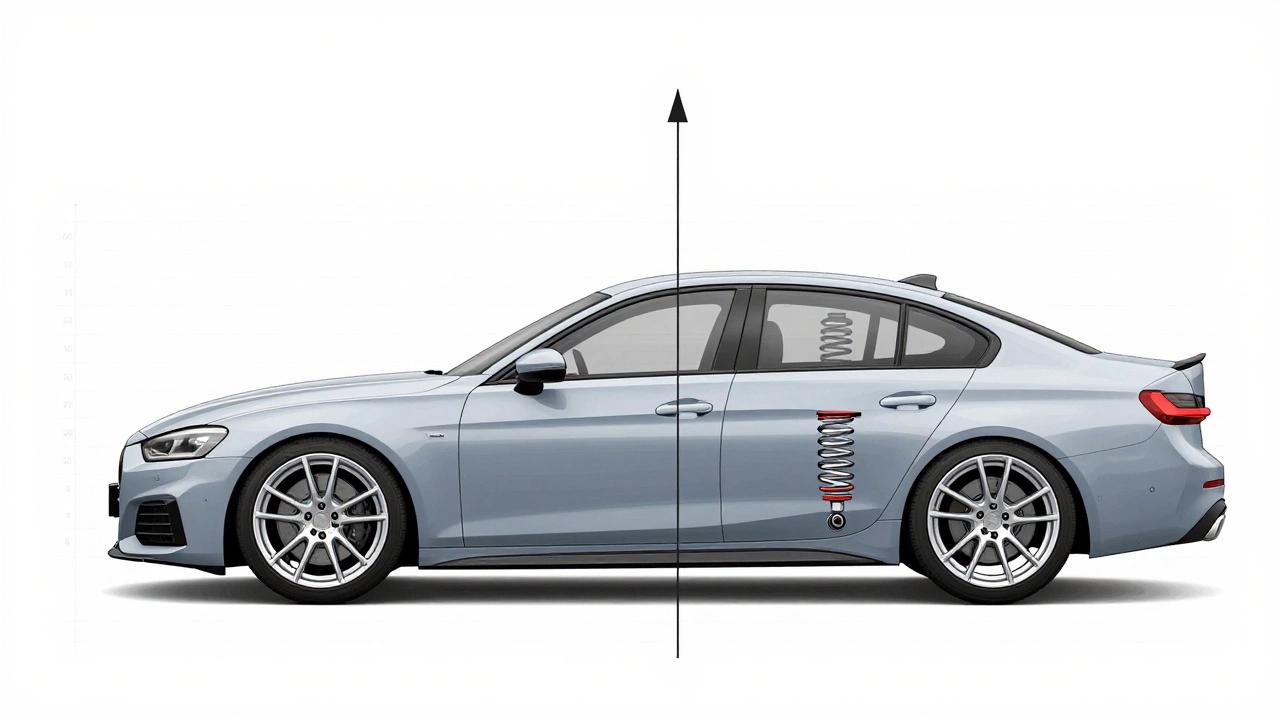
Lowering springs are generally categorized by their "drop" rating, which tells you how much lower the car will sit compared to its factory height. Most reputable manufacturers like Eibach, H&R, and KW offer three main tiers of drop heights. These aren't just arbitrary numbers; they represent specific engineering compromises between aesthetics and functionality.
| Drop Category | Inches Dropped | Metric Equivalent | Best Use Case |
|---|---|---|---|
| Subtle / Street Comfort | 0.5 - 1.0 inch | 13 - 25 mm | Daily driving, minor visual improvement |
| Aggressive Stance | 1.5 - 2.0 inches | 38 - 50 mm | Show cars, spirited driving, reduced body roll |
| Track / Extreme | 2.5 - 3.0+ inches | 63 - 76+ mm | Racing, maximum aerodynamics, extreme stance |
The most popular choice for everyday drivers is the 1.5-inch drop. This sweet spot lowers the center of gravity enough to noticeably improve cornering stability without making potholes feel like landmines. If you see a car that looks "just right"-low but not scraping-you are likely looking at this tier.
Front vs. Rear: Why Drops Aren't Always Equal
Here is where things get tricky. Manufacturers rarely list a single number for the entire car. Instead, they specify separate drops for the front and rear axles. This is known as the "rake" or "camber" adjustment inherent in the spring design. Most modern cars have a slightly higher front end than the rear when new, so lowering springs often correct this to create a level stance.
For example, a set of springs might be listed as "1.5 inches front / 1.0 inch rear." If you only look at the front number, you might think your whole car drops 1.5 inches. In reality, the rear stays closer to stock height. This discrepancy matters for two reasons:
- Aesthetics: A level car usually looks better than one that sags in the back or sticks out in the front.
- Handling Balance: Dropping the rear too much can cause understeer (the car pushes wide in corners), while dropping the front too much can lead to oversteer (the rear slides out).
Always check the specific fitment data for your vehicle model. A BMW 3-Series setup will differ significantly from a Honda Civic setup, even if both claim a "1.5-inch drop."
Factors That Influence Actual Drop Height
The number on the box is a theoretical maximum based on an empty car. Real-world conditions change the equation. Several factors determine how low your car actually sits once those springs are installed.
Vehicle Weight: Heavier vehicles compress springs more. If you have a turbocharged engine, aftermarket exhaust, or heavy wheels, your car may sit lower than the manufacturer's stated drop. Conversely, a stripped-out lightweight build might not achieve the full advertised drop.
Spring Rate (Stiffness): Measured in pounds per inch (lbs/in) or Newtons per millimeter (N/mm), the spring rate determines how stiff the spring is. A higher spring rate resists compression better. If you install very stiff track springs, your car might sit slightly higher than expected when unloaded because the springs don't compress as easily under the car's static weight.
Old Suspension Components: Worn shock absorbers or struts can affect ride height. If your old shocks are leaking or broken, they may not support the new springs correctly, leading to inconsistent drop heights between left and right sides.
Consequences of Dropping Too Low
It is tempting to go for the maximum drop available, especially if you want that aggressive "stanced" look. However, going beyond 2.5 inches introduces significant mechanical challenges that you need to consider before buying.
Ground Clearance Issues: Every extra inch of drop reduces your ability to navigate speed bumps, steep driveways, and railroad tracks. At 3 inches of drop, you are risking damage to your oil pan, transmission, or exhaust system on every outing. In places like Adelaide, where we have varied terrain, losing ground clearance can turn a simple trip to the shops into a recovery job.
Suspension Geometry Problems: Lowering changes the angles of your control arms and steering linkages. Excessive drop can cause negative camber issues, where the top of the tire tilts inward. This leads to uneven tire wear, specifically eating away the inside edge of your tires. It also increases stress on wheel bearings and CV joints.
Comfort Sacrifice: Lowering springs are stiffer than stock springs. While this reduces body roll, it transmits more road vibration into the cabin. A 1-inch drop is barely noticeable in comfort terms, but a 2.5-inch drop will make every crack in the road feel like a punch in the spine.
Lowering Springs vs. Coilovers: Which Gives Better Control?
If you are unsure about the exact drop height, you might consider coilovers instead of fixed-rate lowering springs. Coilovers combine the spring and shock absorber into one adjustable unit. They allow you to fine-tune the ride height after installation, typically offering a range of adjustments (e.g., -10mm to -40mm).
While coilovers cost significantly more-often three to four times the price of lowering springs-they provide precision. You can start high for comfort and lower them gradually as you test clearance. With fixed lowering springs, you are locked into the manufacturer's preset drop. If it is too low, you have to buy new springs or add spacers, which defeats the purpose of upgrading.
Installation and Alignment: The Final Steps
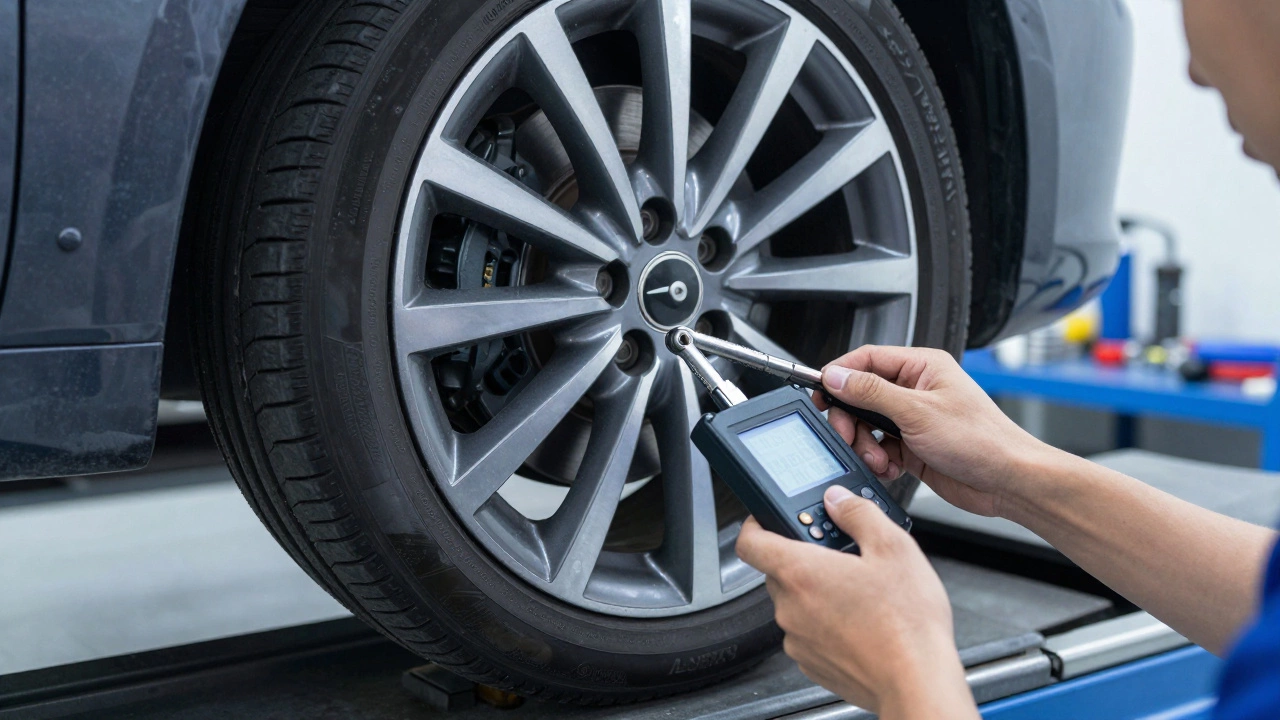
Installing lowering springs is not just about swapping parts. Once the new springs are in place, the geometry of your suspension has changed. An alignment is not optional; it is mandatory.
Without an alignment, your tires will wear out prematurely, and your car will pull to one side. Expect to spend an additional $100-$200 on a professional alignment service. During this process, the technician will adjust camber, toe, and caster angles to compensate for the lowered ride height. Some severe drops may require additional hardware, such as camber bolts or adjustable control arms, to achieve proper alignment settings.
Before installing, inspect your existing shocks and struts. If they are original equipment and have high mileage, replace them simultaneously. Pairing new stiff springs with worn shocks results in a bouncy, unstable ride that compromises safety.
Do lowering springs reduce ride height permanently?
Yes, lowering springs are fixed-height components. Unlike air suspension or adjustable coilovers, you cannot change the drop height after installation without removing the springs and replacing them with a different set or adding spacers to raise the car back up.
Will lowering springs void my car warranty?
In many jurisdictions, including Australia, manufacturers cannot void your entire warranty simply because you installed aftermarket parts. However, if a suspension-related failure occurs (like a broken control arm) that can be directly linked to the lowered ride height, the dealer may deny coverage for that specific repair. Always keep records of professional installation.
How much do lowering springs cost?
Prices vary widely based on brand and vehicle type. Entry-level sets from brands like Eibach Pro-Kit or H&R Sport typically range from $300 to $600 AUD. Premium brands like KW Variant 1 or Bilstein B12 can cost between $800 and $1,500 AUD. Installation labor adds another $150-$300 depending on local shop rates.
Can I drive with lowering springs in the rain?
Yes, but with caution. Lowering your car reduces ground clearance, increasing the risk of hydroplaning in deep puddles or hitting submerged debris. If you live in an area with heavy rainfall, avoid dropping more than 1.5 inches to maintain safe water clearance.
Do lowering springs improve fuel economy?
Slightly. By lowering the center of gravity and reducing aerodynamic drag (if the car sits flatter), you may see a marginal improvement in fuel efficiency, typically around 1-3%. However, this is negligible compared to the impact of driving habits and tire pressure.