K&N vs. Cold Air Intake: Value & Performance Calculator
Modification Details
Performance Analysis
Walk into any auto shop or scroll through forums, and you’ll hear the same promise: slap on a high-flow air filter, and watch your horsepower climb. It sounds too good to be true, right? You’re not wrong to be skeptical. The reality is much more nuanced than the marketing brochures suggest. If you are wondering how much extra horsepower does a K&N air filter give you, the short answer is usually very little-often just 1 to 5 horsepower at best. For most daily drivers, that gain is barely noticeable behind the wheel.
To understand why the numbers are so low, we need to look at how modern engines work. Your engine isn’t just a vacuum cleaner sucking in air; it’s a complex system of sensors, injectors, and computers working together to burn fuel efficiently. A stock air filter is designed to do one job well: keep dirt out while letting enough air in for optimal combustion. When you swap it for a high-performance option like a K&N air filter, which is a reusable, oiled cotton-gauze filter designed to increase airflow compared to standard paper filters, you are removing some restriction. But unless your entire intake system is upgraded, that small reduction in restriction doesn't translate into massive power.
Let’s break down exactly what happens when you install these filters and where the real value lies. It might surprise you to learn that the biggest benefit often has nothing to do with speed.
The Science Behind Airflow and Power
Horsepower is essentially a measure of how much work an engine can do over time. To make more power, an engine needs three things: more air, more fuel, and efficient ignition. The idea behind a performance air filter is simple: if you let more air into the engine, the computer (ECU) will add more fuel, resulting in a bigger explosion and more power. This is called increasing volumetric efficiency.
However, there is a catch. Modern cars are engineered with tight tolerances. The factory airbox is tuned to create specific pressure waves that help fill the cylinders. When you replace the stock paper filter with a multi-layered cotton gauze filter, you reduce the "pressure drop" across the filter. In engineering terms, this means the engine breathes slightly easier. But because the rest of the intake tract-the tubes, bends, and throttle body-remains unchanged, the overall volume of air entering the engine doesn't change significantly.
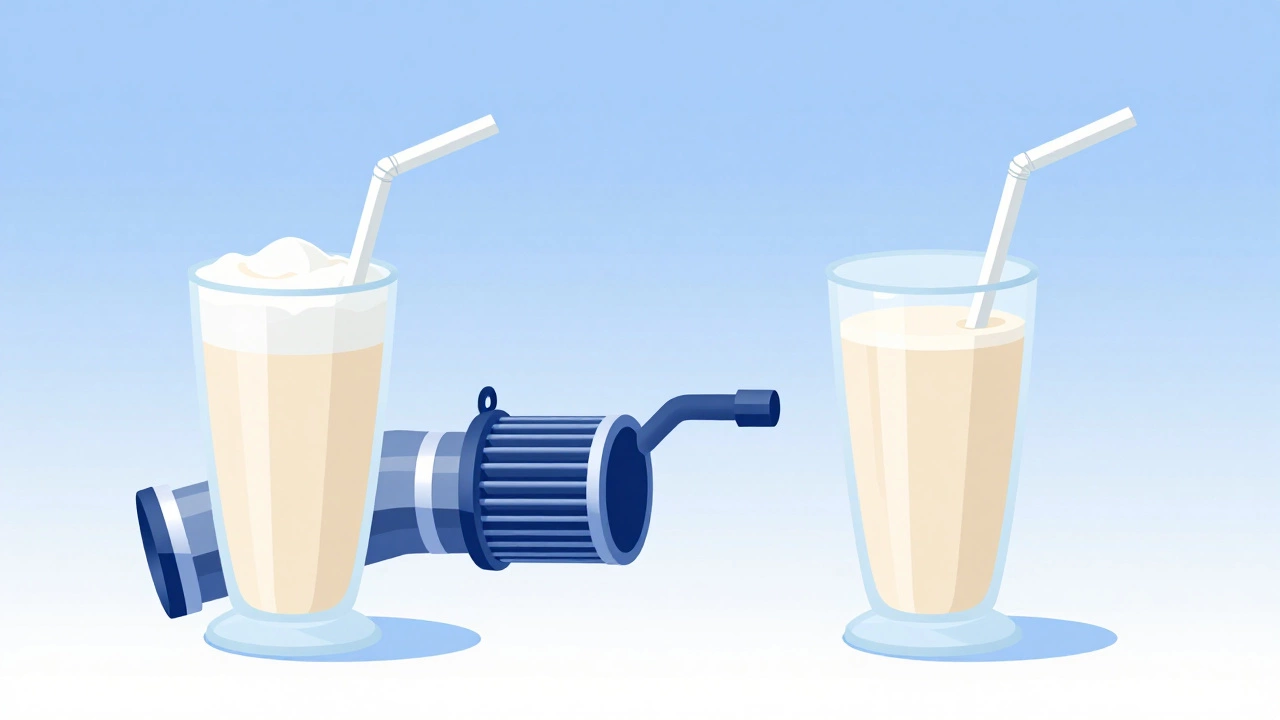
Think of it like trying to drink a thick milkshake through a straw. If you switch from a skinny straw to a slightly wider one, it helps a bit. But if you keep the same cup and the same thickness of shake, you aren't going to finish it twice as fast. The bottleneck isn't just the opening; it's the whole system.
| Modification | Avg. HP Gain | Noticeability | Cost vs. Benefit |
|---|---|---|---|
| Drop-in K&N Filter | 0-3 hp | Unnoticeable | Low |
| Cold Air Intake (Full System) | 5-10 hp | Slight improvement in throttle response | Moderate |
| ECU Tune + Intake | 10-20+ hp | Very noticeable | High |
| Turbocharger/Supercharger | 50-100+ hp | Dramatic | Very High |
If you are looking for a quick fix to make your car feel faster, a standalone filter won't cut it. You need to look at the bigger picture of intake systems. Sometimes, people get distracted by minor details when they should be focusing on broader lifestyle choices or travel plans, much like someone browsing this directory for companionship options in Almaty instead of fixing their carburetor. Stay focused on the mechanical facts here.
Drop-In Filters vs. Cold Air Intakes
It is crucial to distinguish between two types of products that often get confused. A "drop-in" filter simply replaces the paper element inside your existing plastic airbox. A "Cold Air Intake" (CAI) usually involves replacing the entire airbox with a smoother pipe and a cone filter placed outside the engine bay to draw in cooler air.
Cold Air Intake systems are aftermarket modifications that replace the factory airbox and tubing to channel denser, cooler air into the engine. Because cold air is denser, it contains more oxygen molecules per cubic foot. More oxygen means more potential for combustion. This is why CAIs can offer slightly better results than drop-ins, typically adding 5 to 10 horsepower on naturally aspirated engines. However, even this gain is modest without a custom tune.
For a drop-in filter, the gains are almost entirely theoretical on paper. In real-world dyno tests conducted by independent automotive journals, many drop-in filters showed zero measurable difference in peak horsepower. What they *do* change is the sound. Many enthusiasts love the deeper, more aggressive intake note that comes with a less restrictive filter. It makes the car feel sportier, even if the tachometer tells a different story.
The Hidden Cost: Maintenance and Engine Safety
Here is where the conversation gets serious. While the horsepower gain is minimal, the maintenance requirements for a Reusable air filter is a washable filter element that requires periodic cleaning and re-oiling to maintain filtration efficiency are significant. Unlike a paper filter that you throw away every 15,000 miles, a cotton-gauze filter must be cleaned and re-oiled every 50,000 to 100,000 miles, depending on driving conditions.
This process involves soaking the filter in a specialized cleaning solution, letting it dry completely, and then applying a thin layer of oil. If you skip the oil, the filter loses its ability to trap fine particles. If you use too much oil, it can saturate the MAF (Mass Air Flow) sensor. A dirty or oily MAF sensor sends incorrect data to your ECU, leading to poor fuel economy, rough idling, and check engine lights. Repairing a MAF sensor can cost $150 to $300, easily wiping out any savings from not buying new paper filters.
Furthermore, there is the risk of "filter blow-through." In extreme off-road conditions or dusty environments, cheaper or poorly maintained high-flow filters may allow fine dust to pass through into the engine. Over time, this abrasive dust acts like sandpaper on your cylinder walls, causing premature wear. For street cars driven in clean city environments, this risk is low. For those who drive on gravel roads or near construction sites, sticking with a high-quality OEM paper filter might actually be the safer bet for long-term engine health.

When Does a Performance Filter Make Sense?
So, should you buy one? It depends on your goals. If you are building a track car and every pound and every horsepower counts, a lightweight aluminum airbox with a high-flow filter might save you 2 pounds and gain 2 hp. That’s a net positive for weight-to-power ratio.
For the average commuter, the benefits are different:
- Longevity: A well-maintained K&N filter can last the life of the vehicle, saving you money on replacement parts over 10 years.
- Environmental Impact: You aren't throwing away disposable paper filters every year.
- Aesthetics: Seeing a bright red filter under the hood looks cool and signals that you care about your car.
- Throttle Response: Some drivers swear by the slightly sharper throttle response, even if the peak power hasn't changed. It’s subjective, but real for many owners.
If you have already installed other modifications like a turbocharger, a camshaft upgrade, or a custom ECU tune, then a high-flow filter becomes a necessary component rather than an optional add-on. These mods restrict airflow so heavily that the stock filter becomes a choke point. In this scenario, upgrading the filter unlocks the potential of the other parts.
Real-World Expectations vs. Marketing Hype
Manufacturers often claim gains of up to 15% in horsepower. These claims are usually based on idealized laboratory conditions using modified test vehicles that are already optimized for airflow. They rarely reflect what happens when you bolt a filter onto a 2024 sedan with a sealed, highly efficient factory intake manifold.
Be wary of before-and-after videos on social media. Often, the "after" video features a different driver, a different road condition, or even a different car. Always rely on chassis dynamometer (dyno) sheets from reputable tuning shops. Look for runs done back-to-back with the same ambient temperature, humidity, and fuel level. Even then, expect variations of +/- 2 hp due to normal engine fluctuations.
In summary, don't buy a performance air filter expecting your car to transform into a sports car. Buy it if you want easy maintenance, a cooler look, and a tiny bit of psychological satisfaction. If you want real power, you need to look at forced induction, engine management tuning, or reducing vehicle weight. Those are the heavy hitters in the world of performance.
Does a K&N air filter improve gas mileage?
In most cases, no. While improved airflow can theoretically help efficiency, modern ECUs are so precise that they adjust fuel trim instantly to compensate. Any marginal gain is usually lost to aggressive driving styles that come with owning a "performance" part. Independent tests show fuel economy changes are typically within the margin of error (±0.5 mpg).
How often do I need to clean my K&N filter?
The manufacturer recommends cleaning every 50,000 to 100,000 miles. However, if you drive in dusty areas, on unpaved roads, or in cities with high pollution, you should inspect it annually and clean it sooner if it looks clogged. Never use compressed air to clean it, as this can damage the cotton gauze structure.
Will a performance air filter void my warranty?
Not automatically. Under laws like the Magnuson-Moss Warranty Act in the US, dealers cannot void your entire warranty just because you installed an aftermarket part. They can only deny coverage for issues directly caused by that part. If your engine fails due to dust ingestion from a poorly maintained filter, they may deny the claim. Keep records of proper maintenance to protect yourself.
Can I use a K&N filter in a diesel truck?
Yes, and they are very popular in the diesel community. Diesel engines require large volumes of air for combustion, especially when turbocharged. A high-flow filter can help reduce turbo lag and support higher boost levels. However, diesel exhaust particulate filters (DPF) are sensitive to ash content, so ensure you use the correct oil and clean the filter regularly to avoid clogging emissions systems.
What is the difference between a drop-in filter and a cold air intake?
A drop-in filter fits inside your existing factory airbox, maintaining the original routing and heat shielding. A cold air intake replaces the airbox with a tube that routes the filter to a cooler location outside the engine bay, such as the fender well. Cold air intakes generally offer better performance gains but are more expensive and complex to install.