Interior Material Dressing Guide
Select the material found in your vehicle's interior to see the recommended product, application technique, and critical safety warnings.
Hard Vinyl & Plastic
Leather Seats
Rubber Mats
Fabric Upholstery
Alcantara/Suede
Touchscreens
Ever walked into a car show and noticed how some vehicles look brand new inside, while others-despite being the same model year-look worn out? It’s rarely about age. It’s about interior dressing. This isn’t just about making your dashboard shine for a photo op; it’s about protecting expensive materials from UV rays, heat, and daily wear. But here’s the catch: applying it wrong can leave you with a greasy mess that attracts dust like a magnet or, worse, causes permanent damage to your screens and stitching.
If you’ve ever wondered why your previous attempts at detailing felt temporary or messy, you’re not alone. Most people treat all interior surfaces the same way, which is a recipe for disaster. Vinyl, leather, fabric, and soft-touch plastics all have different needs. In this guide, we’ll break down exactly how to apply interior dressing correctly, what products to use where, and how to keep your car looking fresh without the sticky residue.
Understanding What Interior Dressing Actually Does
Before you grab a bottle, let’s clear up a common misconception. Interior dressing is not just wax. While carnauba wax protects paint, interior dressings are formulated specifically for non-porous and semi-porous surfaces found inside your vehicle. Their primary job is protection, not just aesthetics.
Think of it as sunscreen for your dashboard. Without it, the sun breaks down the molecular bonds in plastic and vinyl, causing them to fade, crack, and become brittle. A good dressing replenishes the oils lost during manufacturing and daily use, keeping materials supple. However, the type of finish you get-glossy, satin, or matte-depends entirely on the product chemistry and how you apply it.
Gathering the Right Tools and Products
You don’t need a professional garage setup, but using the right tools makes a massive difference. Using a dirty rag will just spread grime around. Here’s what you actually need:
- Microfiber Applicator Pads: These are denser than towels and hold the product evenly without dripping. Get at least two-one for application, one for buffing.
- Soft Bristle Brushes: Essential for getting into the crevices of air vents, buttons, and stitching. Boar bristle brushes work best because they’re stiff enough to agitate dirt but soft enough not to scratch.
- Interior Cleaner (APC): All-Purpose Cleaner diluted properly. You cannot dress a dirty surface. If there’s grease or dust on top, the dressing won’t bond.
- The Dressing Product: Choose based on the desired finish. Water-based dressings tend to be safer for electronics and offer a more natural look, while silicone-based ones offer higher gloss but can attract more dust if over-applied.
Avoid aerosol sprays if you can. They are convenient but notoriously difficult to control. Overspray gets on your steering wheel (making it slippery), your windows (causing haze), and your upholstery. Liquid formulas applied via applicator pads give you precision control.
Step-by-Step: How to Apply Interior Dressing Correctly
The process follows a strict order: Clean, Protect, Buff. Skipping the cleaning step is the number one reason dressings fail. Here is the workflow that professionals use to ensure longevity and safety.
- Deep Clean First: Mix your APC with water (usually a 10:1 ratio). Spray it onto a microfiber towel, not directly onto the surface, to avoid liquid seeping into seams. Wipe down every hard surface. For textured plastics, use a soft brush to lift embedded dust. Let the surfaces dry completely. Moisture trapped under dressing can cause mildew or cloudy spots.
- Test in an Inconspicuous Area: Before treating the entire dash, test your dressing on a small patch near the glove box or under the seat. Wait five minutes. Check for discoloration or excessive slipperiness. This is crucial for sensitive materials like Alcantara or suede-like fabrics, which should generally not receive standard vinyl dressings.
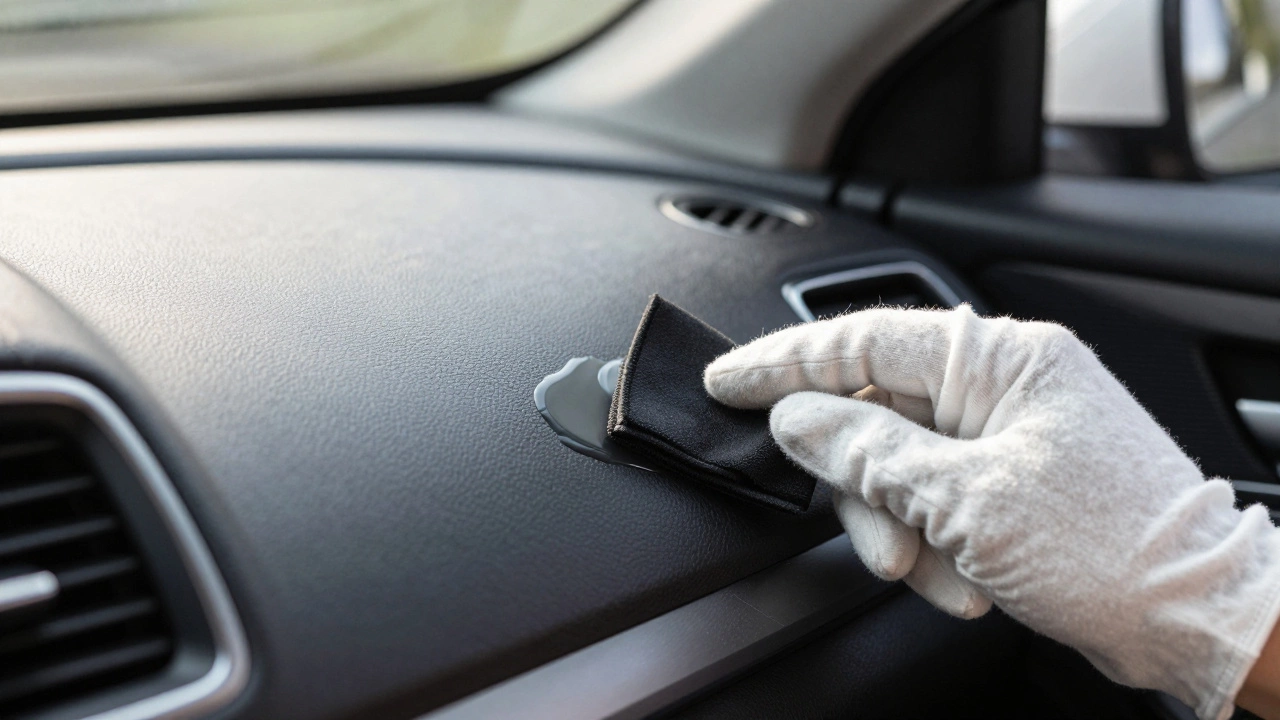
- Apply Thin Layers: Pour a small amount of dressing onto your applicator pad. Less is more. You want a thin, even coat. Start with the dashboard. Work in sections. Use long, straight strokes rather than circles to avoid streaks. Pay attention to vertical pillars and door panels.
- Handle Sensitive Areas with Care: Avoid spraying or wiping dressing directly onto touchscreens, digital instrument clusters, or leather seats unless the product is explicitly labeled safe for those materials. For leather, use a dedicated leather conditioner instead of general-purpose vinyl dressing. Leather needs to breathe; heavy silicones can clog pores and lead to cracking later.
- Buff Immediately: Don’t let the dressing sit and dry on its own. After applying to a section (about 2x2 feet), take a clean, dry microfiber towel and buff the surface. This removes excess product, prevents that "wet" look, and ensures no residue transfers to your clothes when you lean against the door.
This method might take longer than shaking a can and spraying, but the result lasts weeks instead of days, and it won’t make your car smell like a chemical factory.
Material-Specific Guidelines: One Size Does Not Fit All
Treating every surface the same is a mistake. Your car’s interior is a mix of different materials, each requiring a specific approach.
| Material Type | Recommended Product | Application Method | Key Warning |
|---|---|---|---|
| Hard Vinyl & Plastic | Silicone or Polymer-based Dressing | Applicator pad, thin layer | Avoid overspray on screens |
| Leather Seats | pH-balanced Leather Conditioner | Soft cloth, massage in gently | Do not use glossy dressings; they cause slipping |
| Rubber Floor Mats | Heavy-duty Rubber Protectant | Brush or spray, then wipe | Ensure mats are dry before reinstalling to prevent odor |
| Fabric Upholstery | Fabric Guard / Fabric Protector | Spray only, do not rub | Never use vinyl dressing on cloth; it stains permanently |
| Alcantara/Suede | Specialty Alcantara Cleaner/Protector | Soft brush, gentle agitation | Standard dressings destroy the nap and texture |
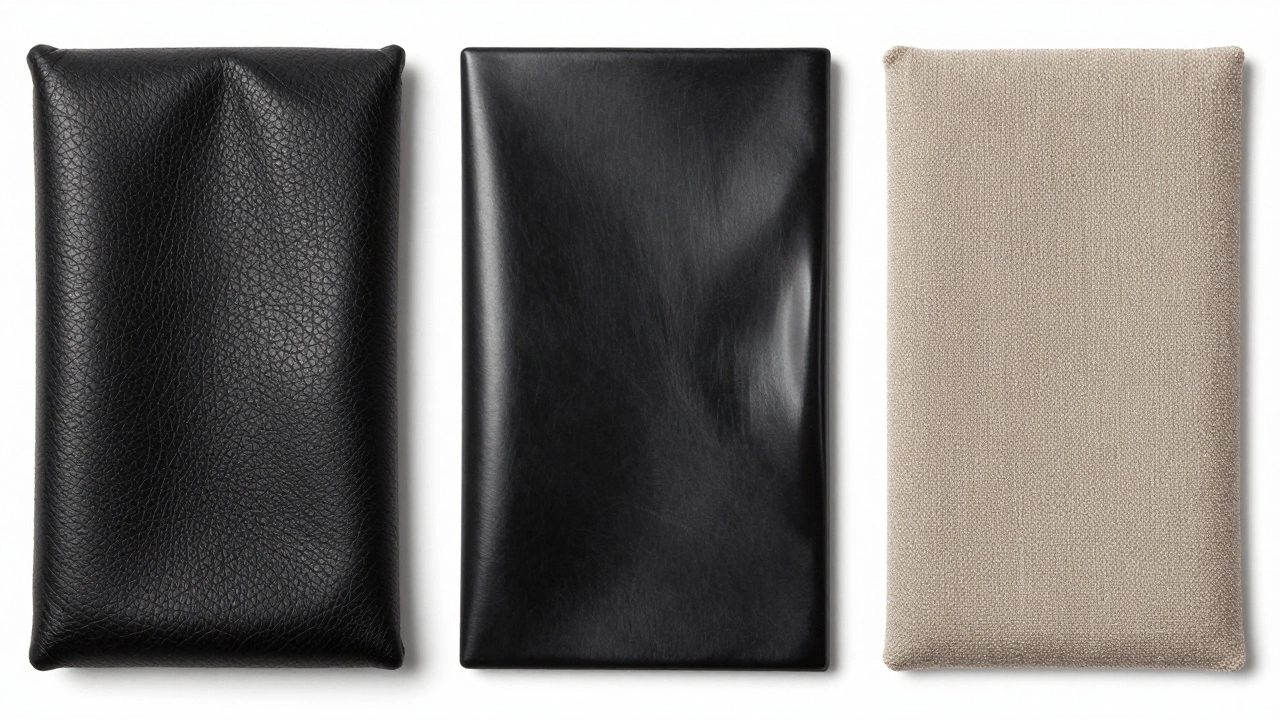
Notice the distinction between leather and vinyl. Many budget cars use "faux leather" which is actually vinyl. Real leather requires hydration and breathability. Faux leather just needs a protective coating. Misidentifying this can ruin the texture of your seats.
Common Mistakes That Ruin Interiors
I’ve seen too many nice interiors ruined by well-meaning owners. Here are the pitfalls to avoid:
- The "Grease Trap" Effect: Applying too much product creates a sticky surface that collects dust, lint, and pet hair within hours. If your dashboard looks like it has a film of oil on it, you used too much. Buff it off immediately with a cleaner, not just a dry towel.
- Ignoring the Steering Wheel: Never apply glossy dressing to your steering wheel. It reduces friction, making it dangerous to drive, especially in emergencies. Use a matte, non-slip formula or skip dressing here entirely.
- Heat Application: Never detail a hot car. If the dashboard is hot to the touch, the dressing will evaporate instantly, leaving behind white streaks and uneven coverage. Park in the shade or wait until the interior cools down.
- Mixing Chemicals: Don’t mix acidic cleaners with alkaline dressings. Always rinse or wipe away the cleaner thoroughly before applying the protector. Residual cleaner can react with the dressing, causing cloudiness or peeling.
Maintenance: How Long Does It Last?
With proper application, a quality polymer-based dressing can last anywhere from 3 to 6 months. Silicone-based products may last longer but require more frequent dusting. To maintain the look between deep cleans, simply wipe down surfaces with a slightly damp microfiber cloth. This removes surface dust without stripping the protective layer.
If you notice water no longer beading on the dashboard or the color looking dull again, it’s time to reapply. You don’t always need to strip the old dressing first if it’s still intact; just clean the surface lightly and apply a fresh thin coat. Consistency is key. Regular light maintenance beats aggressive annual detailing every time.
Choosing Between Gloss, Satin, and Matte Finishes
Your choice of finish changes the character of your car’s interior. High-gloss finishes make colors pop and hide minor scratches, giving a showroom feel. However, they also highlight every speck of dust and can cause glare on sunny days, distracting you while driving.
Satin finishes strike a balance. They offer protection and a slight sheen without the mirror-like reflection. This is often the preferred choice for modern interiors with dark tones, as it maintains depth without blinding glare.
Matte finishes are becoming increasingly popular for their natural, OEM-like appearance. They are the safest bet for areas prone to fingerprints, like center consoles. If you hate seeing your reflection in your dashboard, go matte. Just remember that matte products often require more precise application to avoid patchiness.
Can I use interior dressing on my car's touchscreen?
No, you should never apply standard interior dressing to touchscreens. Most dressings contain silicones or oils that can interfere with capacitive touch sensors, making the screen unresponsive. Additionally, these chemicals can degrade the oleophobic coating on glass screens, leading to permanent smudges and reduced clarity. Use only a dedicated screen cleaner and a dry microfiber cloth for infotainment systems.
Why does my interior dressing attract so much dust?
Dust attraction is usually caused by over-application or using low-quality silicone-heavy products. When too much dressing is left on the surface, it remains tacky and acts like a magnet for airborne particles. To fix this, wipe the area down with a quick detailer or diluted APC to remove the excess residue, then reapply a very thin layer of a water-based or polymer dressing, buffing it thoroughly until no residue remains.
Is it safe to use interior dressing on leather seats?
It depends on the product. General-purpose vinyl dressings are often too harsh or occlusive for genuine leather, potentially clogging its pores and leading to drying and cracking over time. Always use a pH-balanced leather conditioner specifically designed for automotive leather. These products nourish the material rather than just coating it. If your seats are synthetic leather (vinyl), you can use a light vinyl dressing, but avoid high-gloss formulas to prevent slipping.
How often should I apply interior dressing?
For most drivers, applying interior dressing every 3 to 4 months is sufficient. However, if you park your car in direct sunlight frequently, you may need to reapply every 1 to 2 months due to UV degradation. Look for signs like fading color or loss of water repellency. Regular dusting with a dry microfiber cloth can extend the life of the dressing significantly.
What is the best way to remove old, sticky interior dressing?
To remove built-up, sticky dressing, start with a diluted All-Purpose Cleaner (APC) and a soft brush to agitate the surface. For tougher residues, an interior detailer spray designed to cut through grease works well. Scrub gently in circular motions, then wipe clean with a damp microfiber towel. Repeat if necessary. Once the surface is clean and dry, you can apply a fresh, thin layer of dressing. Avoid using harsh solvents like acetone, as they can melt or discolor plastics.