Car Interior Upgrade Estimator
Select options to see your upgrade tier.
Cost Breakdown
Have you ever sat in a luxury vehicle and felt that instant sense of calm? It’s not just about the brand logo on the steering wheel. It is about the texture of the seats, the silence of the cabin, and the way the light hits the dashboard. Most drivers spend hours choosing the right paint color or wheels for their car, but they ignore the space they actually live in. If your daily commute feels like a chore, your interior might be the culprit.
Elevating your car interior isn’t about spending thousands on a full leather re-trim unless you want to. It is about making smart, strategic changes that improve comfort, aesthetics, and functionality. Whether you drive a ten-year-old sedan or a brand-new SUV, there are practical steps you can take to transform your cabin into a space you enjoy being in.
Start with a Deep Clean and Declutter
Before you buy a single accessory, you need to look at what you already have. Most car interiors feel cheap or messy because they are cluttered. We all do it-we leave coffee cups, old receipts, and loose change in the cup holders and floor mats. This visual noise makes even a high-end interior look neglected.
Why does cleaning matter more than buying new parts?
A clean surface reflects light better and reveals the true quality of your materials. Dirt and grime absorb light, making colors look dull and plastics look aged. Removing clutter reduces cognitive load, making the driving experience less stressful.
Start by removing everything from the car. Take out floor mats, seat covers, and any personal items. Vacuum thoroughly, paying attention to the cracks between seats and the trunk. Use a microfiber cloth and a dedicated interior cleaner to wipe down hard surfaces. For fabric seats, a steam cleaner can work wonders to remove stains and odors without harsh chemicals. Once the base is clean, assess what you really need. Do you need that extra storage bin? Or does it just add bulk? Less is often more when it comes to creating a premium feel.
Upgrade Your Seating Experience
Your seats are the most important part of the interior. You spend hours sitting in them, so their comfort directly impacts your well-being. If your factory seats are worn out or simply uncomfortable, consider upgrading them. You don’t necessarily need to replace the entire seat mechanism. Sometimes, adding high-quality lumbar support cushions or memory foam inserts can make a huge difference.
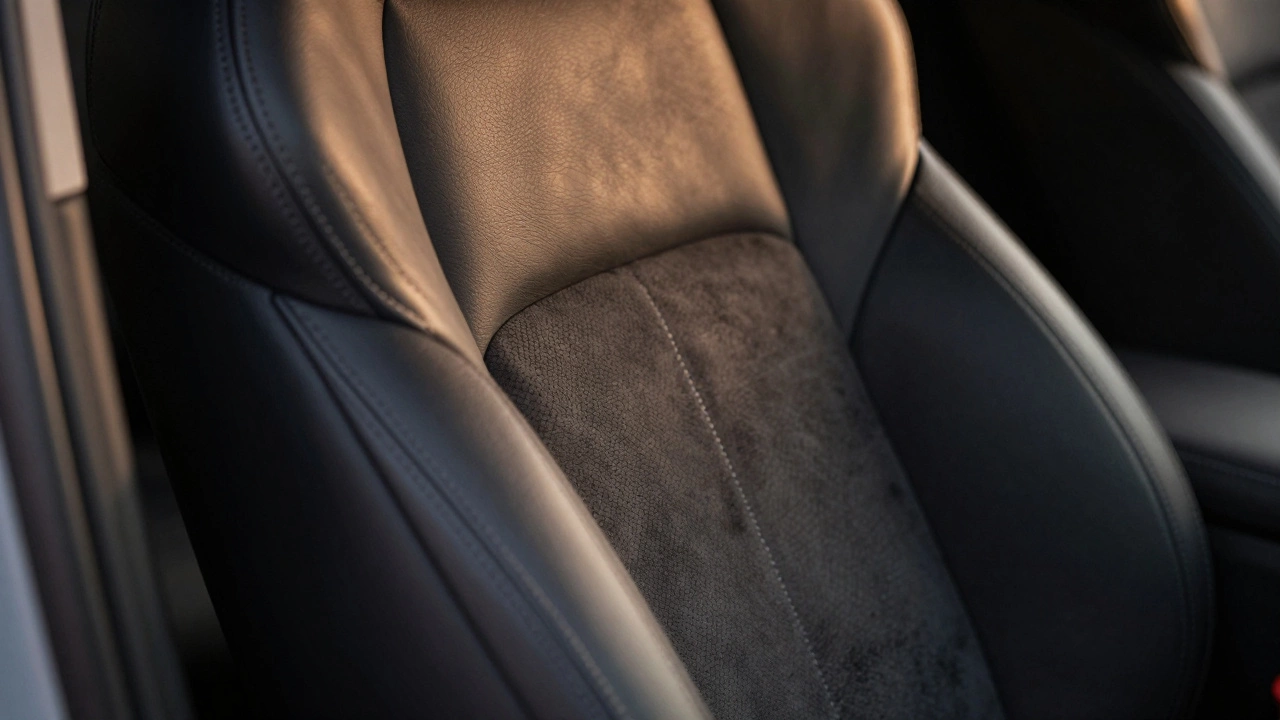
If your seats are torn or stained, professional upholstery repair is a cost-effective option. Skilled technicians can patch tears, restore faded leather, or re-dye vinyl seats to match your original color. For those who want a complete change, aftermarket seat covers made from premium materials like Alcantara or genuine leather can transform the look instantly. Just ensure they fit properly; loose or bulky covers can interfere with side airbags and look sloppy.
Alcantara is a synthetic suede material known for its soft texture, durability, and premium appearance. It is commonly used in high-performance cars for steering wheels, shift knobs, and seat accents.Enhance Lighting and Ambiance
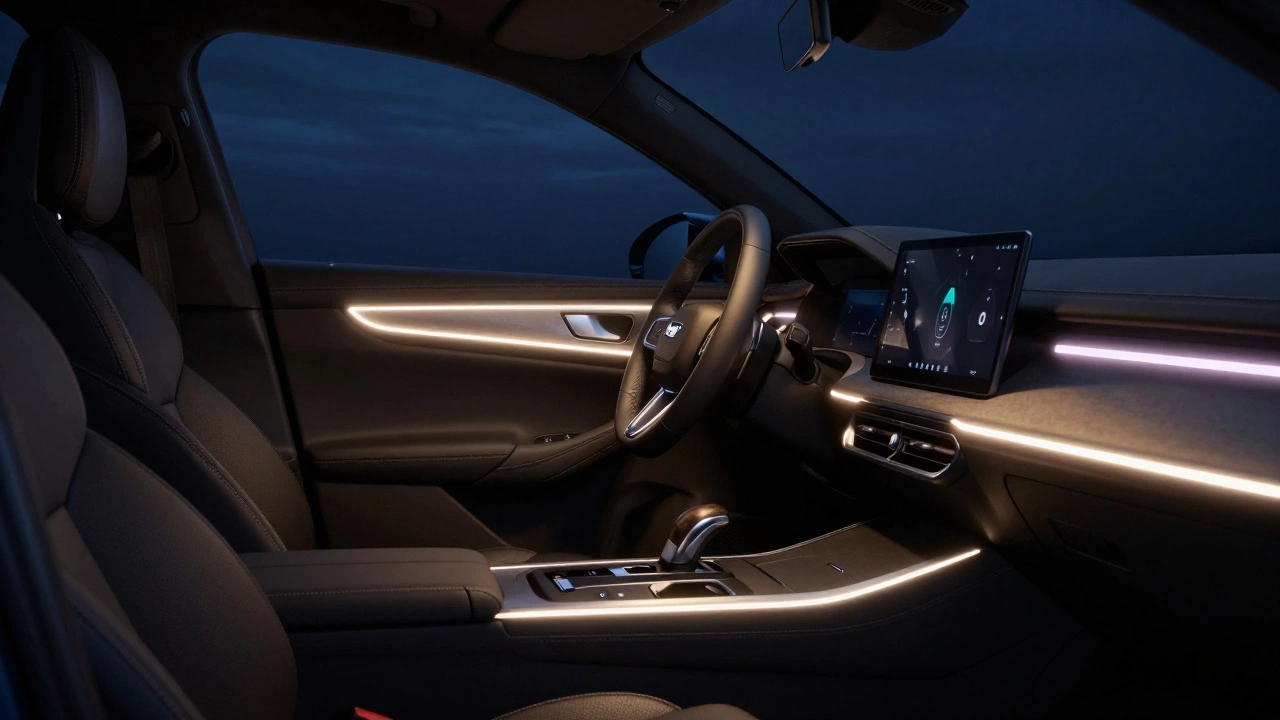
Lighting sets the mood. Harsh white LED lights from the factory dome can feel clinical and unwelcoming. Swapping these for warm-white or soft-amber LEDs can create a more inviting atmosphere. Many modern cars allow you to customize ambient lighting through the infotainment system, but older models require manual bulb replacements.
Consider installing under-seat or footwell lighting strips. These subtle additions can highlight the contours of your interior and reduce eye strain at night. Avoid overly bright or colorful lights unless you are going for a specific theme. The goal is elegance, not a nightclub vibe. Warm tones (2700K-3000K) generally complement most interior colors, while cooler tones (4000K+) can make a dark interior feel sharper and more modern.
Improve Sound Quality and Insulation
A quiet cabin feels more luxurious. Road noise, wind turbulence, and engine rumble can make a drive feel exhausting. One of the best ways to elevate your interior is by adding sound deadening material. Products like Dynamat or Noico can be applied to doors, floors, and the trunk to dampen vibrations and block external noise.
This process requires some effort-you’ll need to remove panels and carefully apply the sheets-but the payoff is significant. Not only does it reduce noise, but it also improves your audio system’s performance. With less background noise, your speakers can deliver clearer highs and deeper bass without distortion. If you’re not comfortable doing this yourself, many professional audio shops offer installation services.
| Material Type | Primary Benefit | Best For |
|---|---|---|
| Butyl Rubber Sheets | Vibration damping | Floor pans, door skins |
| Closed-Cell Foam | Waterproofing & insulation | Roof liners, trunks |
| Mass Loaded Vinyl | Noise blocking | Floor carpets, firewalls |
Refine Touchpoints and Details
Premium interiors are defined by their details. Look at the surfaces you touch every day: the steering wheel, gear shifter, door handles, and center console. Replacing a plastic gear knob with one made from wood, metal, or leather can add a tactile element of luxury. Similarly, a high-quality steering wheel cover or wrap can improve grip and comfort.
Don’t overlook the floor. Factory rubber mats are functional but ugly. Upgrade to custom-fit carpeted floor mats in a color that complements your interior. They provide better protection against dirt and moisture while looking far more refined. Ensure they are low-profile so they don’t interfere with pedal operation.
Integrate Smart Technology
In 2026, technology is integral to the driving experience. If your car’s infotainment system is outdated, consider an upgrade. Modern head units offer seamless smartphone integration, higher resolution screens, and faster processing speeds. Wireless Apple CarPlay and Android Auto are now standard expectations, allowing you to keep your phone out of sight while accessing navigation, music, and messages.
Additionally, wireless charging pads have become essential. Instead of fumbling with cables, a built-in charger keeps your device powered and tidy. Look for pads that are integrated into the center console or cup holder area for easy access. Some newer models even offer dual-device charging, which is perfect if you share the car with a partner.
Maintain Your Investment
Elevating your interior is not a one-time project; it’s an ongoing process. Regular maintenance ensures your upgrades last. Use UV protectants on dashboards and leather seats to prevent cracking and fading from sun exposure. In Adelaide, where the sun can be intense, this is crucial. Apply a ceramic coating to glass surfaces to repel water and dirt, keeping visibility clear.
Address small issues immediately. A loose trim piece or a squeaky hinge can detract from the overall polish. Keep a small toolkit in your glove box for minor adjustments. By treating your car’s interior with care, you preserve its value and enjoyment for years to come.
Is it worth investing in a custom interior for an older car?
Yes, if you plan to keep the car for several years. While resale value may not increase proportionally, the daily improvement in comfort and satisfaction is invaluable. Focus on high-impact, low-cost changes like cleaning, lighting, and seat covers first.
Can I install ambient lighting myself?
Basic LED bulb swaps are easy DIY projects. However, installing complex ambient lighting systems often involves tapping into your car’s electrical system. If you are not experienced with wiring, consult a professional to avoid damaging your vehicle’s electronics.
What is the best material for seat covers?
It depends on your climate and preference. Leather offers a luxurious look and is easy to clean but can get hot. Fabric is breathable and comfortable but stains easily. Alcantara provides a sporty, premium feel and good grip but requires careful maintenance.
How much does sound deadening cost?
Materials typically range from $100 to $300 depending on the coverage area. Professional installation can add another $200-$500. For most drivers, partial treatment of doors and floors provides the best balance of cost and benefit.
Will custom modifications void my warranty?
Generally, no, as long as the modification doesn’t cause damage. For example, adding sound deadening won’t void your powertrain warranty. However, altering electrical systems could impact related warranties. Always check with your manufacturer or dealer before making significant changes.