Widebody Spotter: Car Modification Analyzer
Not sure if that aggressive look is a true widebody kit or just big wheels? Answer these checks to find out.
Verdict
You are walking through a car meet in Adelaide. You see a Nissan Skyline R34 that looks... wrong? No, not wrong-aggressive. The wheels stick out further than the factory specs allow, and the fenders look like they were stretched by a giant. Is it just dirty? Did someone hit a curb hard? Or is this a genuine widebody modification where the vehicle's track width or overall width has been increased beyond factory specifications? If you have ever stood next to a modified car and wondered if the owner spent thousands on a proper kit or just slapped on some plastic cladding, you are not alone. Telling the difference between a stock car with wide tires and a true widebody build requires knowing exactly what to look for.
The Quick Check: Key Signs of a Widebody
Before we get into the nitty-gritty, here is what you need to know immediately. A widebody isn't just about looking cool; it is a structural or cosmetic change that extends the vehicle's width. Here are the fastest ways to spot one:
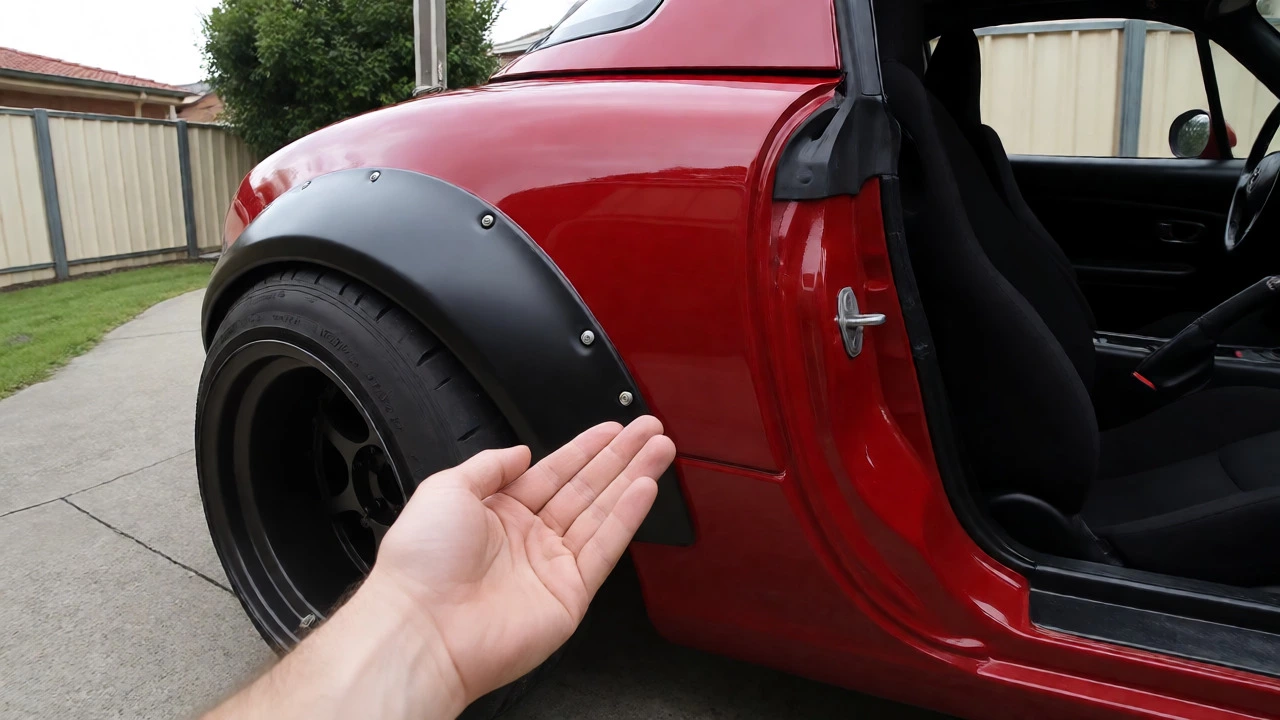
- Fender Flares: Look for distinct seams or bolt lines along the edge of the fender arches.
- Wheel Protrusion: The tire sidewall should extend visibly past the outer edge of the fender lip.
- Door Gaps: In extreme cases, the doors may not close flush with the extended fenders without modification.
- Bumper Width: The front bumper often wraps around the new fender shape, appearing wider than the hood.
Visual Inspection: The Fender Flare Test
The most obvious giveaway of a widebody is the fender flare an extension added to the wheel arches to cover wider tires or deeper rims. Factory cars have smooth, continuous metal panels from the roof down to the rocker panel. On a widebody, that continuity breaks.
Walk up to the side of the car. Look closely at the top curve of the wheel well. Do you see a line running parallel to the arch? That is likely a seam where an aftermarket flare was bonded or riveted onto the original fender. Some high-end kits, like those from Liberty Walk a Japanese tuning company known for their aggressive over-fender designs, feature visible rivets. This is a stylistic choice, but it also serves a functional purpose: holding the heavy fiberglass or carbon fiber flare in place while the adhesive cures. If you run your finger along that line, you might feel a slight ridge or step where two pieces of material meet. Stock fenders are smooth curves; widebody fenders have edges.
Another visual cue is the "over-fender" design. In traditional body kits, the flare blends smoothly into the fender. In modern widebody styles, the flare sits *on top* of the existing fender lip. This creates a shadow gap between the old fender edge and the new flare. If you can see daylight or a dark shadow between the original paint line and the outermost part of the wheel arch, you are looking at a widebody conversion.
Physical Measurement: Track Width and Offset
Visuals can be deceiving, especially with cheap vinyl decals designed to mimic flares. To be sure, you need to measure. The core metric here is wheel offset the distance from the centerline of the wheel to the mounting surface that attaches to the hub. A negative offset pushes the wheel outward, making the car look wider.
Grab a tape measure. Measure the distance from the center of the wheel hub cap to the outermost point of the tire tread. Then, compare this to the manufacturer's standard specification for that model. If the tire sticks out more than 10-15mm beyond the fender lip, it is almost certainly running a deep-dish wheel setup typical of widebody builds. However, sticking out doesn't always mean widebody. Some people just buy low-offset wheels. The real test is whether the fender itself has been widened.
To check the actual body width, measure the total width of the car at the widest point of the rear fenders (excluding mirrors). Compare this number to the official spec sheet for the stock model. For example, a stock Toyota GR86 is 1,775mm wide. If the car you are measuring is 1,900mm wide across the rear arches, you have found a widebody. That extra 125mm didn't come from thin air; it came from body panels.
Structural Clues: Doors and Bumpers
If a car is significantly widened, the geometry of the rest of the body has to change. Pay attention to the doors. On many widebody conversions, particularly those involving bolt-on flares, the door shut line remains unchanged because the doors themselves weren't replaced. This creates a problem: when you open the door, the inner edge of the door panel might rub against the newly extended fender flare. Owners often have to trim the inner fender liner or adjust the door hinges to make it close properly. If you see signs of trimming inside the door jamb, or if the door closes with a strange alignment, that is a strong indicator of a modified body structure.
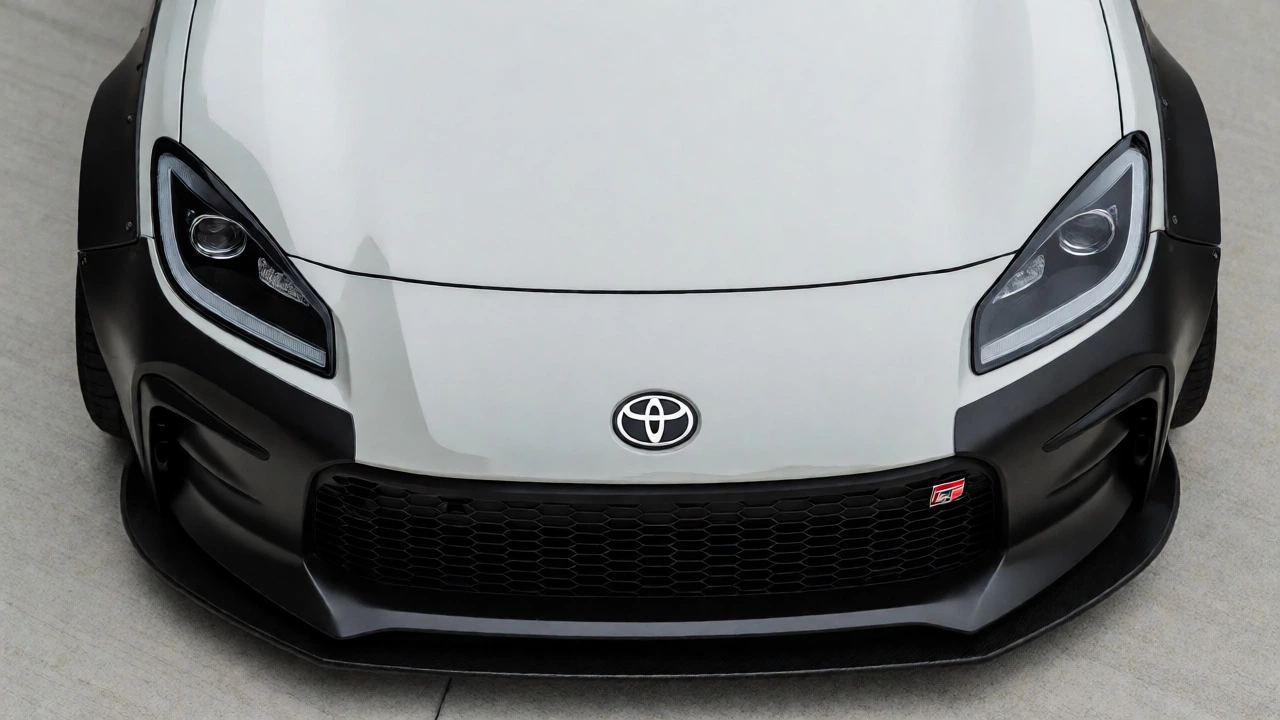
Now look at the bumpers. A widebody kit usually includes a new front bumper. Why? Because the factory bumper is too narrow to cover the new, wider fenders. The result is a front end that looks "stubby" or unusually broad compared to the hood. The hood typically stays stock width because replacing it is expensive and complex. So, if the bumper corners extend further out than the hood edges, creating a trapezoidal shape when viewed from above, you are looking at a widebody front clip. Rear diffusers often follow suit, extending downward and outward to match the rear fender width.
Common Misconceptions: What Isn't a Widebody?
Not every car with big wheels is a widebody. It is easy to confuse a stance the angle and position of the wheels relative to the suspension and body adjustment with a body kit. Cambered wheels (tires tilted inward) can make a car look wider visually, even if the physical width hasn't changed. Similarly, lip kits small extensions attached to the bottom edge of bumpers add length or height but do not increase the track width or fender coverage.
Also, beware of "fake" widebodies. Some owners use black vinyl wrap to paint the area behind the wheel, creating an illusion of depth. Others install plastic splash guards that look like flares but don't actually extend the metal body. The key differentiator is material and attachment. Real widebody flares are made of fiberglass, polyurethane, or carbon fiber and are structurally integrated. Fake ones are often flexible rubber or thin plastic that bends easily when pressed.
Why Go Wide? Performance vs. Aesthetics
You might wonder why anyone would go through the hassle. It is rarely just about looks, though let's be honest, that is the primary driver for most street builds. But there is engineering logic. A wider track improves lateral stability. By increasing the distance between the left and right wheels, you lower the center of gravity effectively and reduce body roll during cornering. This is why race cars have always been wide.
For performance enthusiasts, a widebody allows for larger tires. More tire contact patch means more grip. If you want to put 305mm slicks on a Mazda MX-5, you cannot fit them under stock fenders. You need to cut the arches or bolt on flares. This transforms the car from a nimble roadster into a track weapon. However, this comes with trade-offs. Wider cars are harder to park in tight Australian suburban driveways. They catch more wind resistance, potentially hurting fuel economy. And legally, in South Australia, you must ensure that any modification does not exceed specific width limits without engineering certification.
Comparison: Stock vs. Widebody Characteristics
| Feature | Stock Vehicle | Widebody Modification |
|---|---|---|
| Fender Edge | Smooth, continuous metal/plastic | Visible seam, rivets, or layered appearance |
| Wheel Position | Tire tucks neatly under fender | Tire protrudes past fender lip |
| Bumper Width | Aligns with hood width | Extends beyond hood width |
| Door Closure | Flush with body panel | May require trimming or hinge adjustment |
| Material | Stamped steel or aluminum | Fiberglass, Carbon Fiber, Polyurethane |
Legal and Practical Considerations in Australia
If you are thinking about buying a used widebody car or modifying your own, check the paperwork. In Australia, significant body modifications often require an Engineering Certificate a document certifying that a vehicle modification meets safety standards. A simple lip kit might pass inspection, but cutting fenders or adding bolt-on flares changes the vehicle's dimensions. Inspectors will check if the wheels rotate freely without rubbing the bodywork. If the previous owner did a shoddy job, you might find rust forming in the seams where water gets trapped between the flare and the fender. Always lift the car or look underneath to check for corrosion. A pretty exterior can hide a rusty skeleton.
Can I tell if a car is widebody just by looking at the wheels?
No, not reliably. Large wheels with negative offset can make a stock car look wide. You must check if the fender panels themselves have been extended or if flares have been added. Look for seams or bolt lines on the fenders, which indicate a body modification rather than just a wheel swap.
Does a widebody affect insurance premiums?
Yes, typically. Insurance companies view modified vehicles as higher risk due to potential performance upgrades and increased repair costs for specialized body parts. You must declare the widebody kit to your insurer. Failure to do so could void your policy if you make a claim related to the modification.
Are bolt-on fender flares legal in South Australia?
Generally, yes, provided they do not exceed the maximum width allowed for the vehicle class and do not present sharp edges that could injure pedestrians. However, if the modification alters the vehicle's mass or structure significantly, you may need a VASS (Vehicle Assessment Standard Scheme) certificate or similar engineering approval depending on the extent of the work.
What is the difference between a body kit and a widebody?
A body kit is a general term for aesthetic additions like bumpers, skirts, and spoilers. A widebody is a specific type of body kit that increases the vehicle's width, usually via extended fenders or flares. All widebodies are body kits, but not all body kits are widebodies. A lip kit, for instance, adds no width.
Can a widebody cause wheel rubbing?
Ironically, yes. While widebodies provide more clearance for wider tires, poor installation or incorrect offset calculations can still lead to rubbing. This often happens if the suspension bottoms out or if the tires are too tall for the available space within the new flare. Check for scuff marks on the inner liner or the tire sidewall.