Car Detailing Business Profit Estimator
Estimate your earnings by selecting your primary service package and inputting your expected weekly workload. This tool uses average Australian market rates mentioned in the article.
Configure Your Business Model
Projected Monthly Performance
You don’t need a shiny storefront or a massive loan to turn your driveway into a cash machine. In fact, some of the most profitable car detailing businesses started with nothing but a bucket, a hose, and a neighbor who needed their sedan cleaned before a job interview. If you’ve ever spent an afternoon scrubbing wheels or waxing a dashboard and felt that satisfying sense of order, you might already have the instinct for this trade. The barrier to entry is low, but the difference between a hobbyist and a professional owner lies in how you structure your operations, manage your gear, and treat every customer like a VIP.
Starting from home changes the economics entirely. You skip the rent, the utilities, and the commute. But it also means your home becomes your office, warehouse, and showroom. This guide walks you through exactly how to build a lean, profitable operation right where you live, using practical steps that work for beginners and seasoned enthusiasts alike.
The Essential Gear: Building Your First Kit
Don’t fall into the trap of buying everything at once. A common mistake new detailers make is spending thousands on top-tier polishers and ceramic coatings before they’ve even washed ten cars. Start with a solid foundation. You need tools that last, perform consistently, and don’t break the bank.
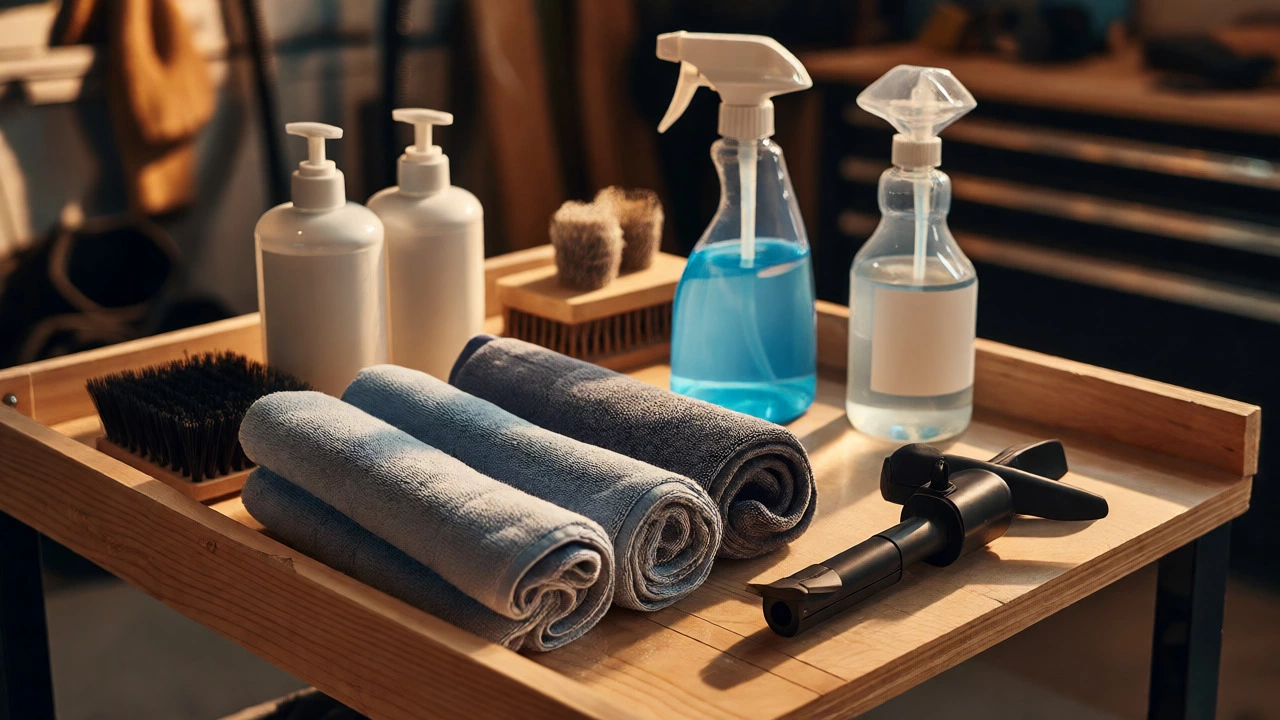
Your core kit should cover four areas: washing, drying, interior cleaning, and protection. Here’s what actually matters:
- Washing: Two buckets (one for soap, one for rinse), grit guards, high-quality microfiber wash mitts, and a pH-neutral shampoo. Avoid dish soap-it strips wax and dries out trim.
- Drying: A large twisted-loop microfiber towel. Regular bath towels scratch paint. Get a dedicated blower if you want to avoid water spots in tight crevices.
- Interior: An all-purpose cleaner (APC) diluted correctly, glass cleaner, upholstery brushes, and a vacuum with good suction. For leather, get a specific conditioner, not just any moisturizer.
- Protection: Spray sealant is easier and faster than paste wax for beginners. It lasts months, not weeks, and doesn’t require buffing skills you haven’t mastered yet.
As you grow, you’ll add a dual-action polisher, clay bars, and maybe a steam cleaner. But for your first five clients, keep it simple. Complexity kills momentum.
| Item Category | Starter Kit Cost (AUD) | Pro Upgrade Example | Why Upgrade? |
|---|---|---|---|
| Polisher | $0 (Hand wash/wax) | Dual Action Polisher ($350+) | Faster correction, less fatigue |
| Cleaning Agent | Basic APC ($20) | Specialized Interior Cleaner ($45) | Better scent, safer on materials |
| Drying | Towel ($15) | Air Blower ($180) | Zero touch, no swirl marks |
| Protection | Spray Sealant ($30) | Ceramic Coating ($80+ per bottle) | Longer durability, hydrophobic effect |
Defining Your Services and Pricing Strategy
What are you actually selling? Not just clean cars. You’re selling time, convenience, and pride of ownership. Most people hate detailing their own vehicles because it takes hours and requires skill. They pay you to take that burden off their shoulders.
Start with three clear packages. Don’t offer fifty options; it confuses customers and slows down your decision-making.
- The Refresh (Exterior Wash + Wheel Clean): Quick turnaround, lower price point. Good for busy professionals who just want to look presentable.
- The Deep Clean (Full Exterior + Interior Vacuum/Wipe-down): Your bread and butter. Takes 2-3 hours. Covers seats, carpets, dashboards, and windows.
- The Showroom Shine (Deep Clean + Paint Correction + Protection): Premium service. Takes 4-6 hours. Targets enthusiasts or people preparing to sell their car.
Pricing depends on vehicle size and condition. A small hatchback isn’t priced the same as a lifted pickup truck. Create a base rate for sedans and add surcharges for SUVs, trucks, or heavily soiled interiors. Check local competitors in Adelaide or your specific suburb. Undercutting them too aggressively devalues your work. Aim to be mid-range but superior in quality and communication.
Legalities and Insurance: Protecting Your Home Business
Just because you’re working from home doesn’t mean you’re exempt from rules. You need to operate legally to avoid headaches later.
First, register your business name. In Australia, this usually involves getting an Australian Business Number (ABN). It’s free and straightforward via the Australian Business Register. Next, check your local council regulations. Some councils restrict commercial activities in residential zones, especially regarding noise, parking, and runoff. Water runoff containing chemicals can’t just flow into storm drains; it often needs to go into the sewer system. Know your local environmental rules before you spray your first car.
Insurance is non-negotiable. Public liability insurance protects you if you accidentally damage a client’s paintwork or if someone slips on a wet driveway. Professional indemnity covers advice or service errors. Expect to pay between $300 and $600 annually for basic coverage. It’s cheaper than paying out of pocket for a scratched bumper.
Marketing Without Spending a Fortune
You don’t need Facebook ads yet. Your best marketing tool is visual proof. Car detailing is highly visual. Before-and-after photos sell better than any description.
Create a simple Instagram page. Post high-quality shots of dirty interiors next to sparkling clean ones. Use hashtags relevant to your location, like #AdelaideDetailing or #SydneyCars. Join local community groups on Facebook. People constantly ask for recommendations there. Offer a “first-time discount” to neighbors within a 5km radius. Word-of-mouth is powerful when you’re starting out.
Print simple flyers or business cards. Hand them out at local cafes, gyms, or mechanic shops. Mechanics see cars that need detailing all day. Partner with them. Refer each other. They fix the engine; you make it look good. It’s a natural synergy.
Setting Up Your Workspace at Home
Your driveway or garage is now a production line. Efficiency matters. Set up a workflow that minimizes walking back and forth.
Designate zones. One area for washing, another for drying, and a third for interior work. Keep your tools organized in a rolling cart or toolbox. Nothing wastes time like hunting for a brush while a client waits. Ensure you have access to power outlets. Many vacuums and polishers require electricity. If you’re outdoors, use extension cords rated for outdoor use.
Lighting is critical. You can’t see swirl marks under dim light. Invest in portable LED work lights if your garage is dark. Good lighting reveals imperfections you’d otherwise miss, leading to higher quality results and fewer complaints.
Customer Experience: The Secret Weapon
Technical skill gets you hired. Customer service keeps you employed. Treat every interaction professionally, even if it’s just texting to confirm a booking.
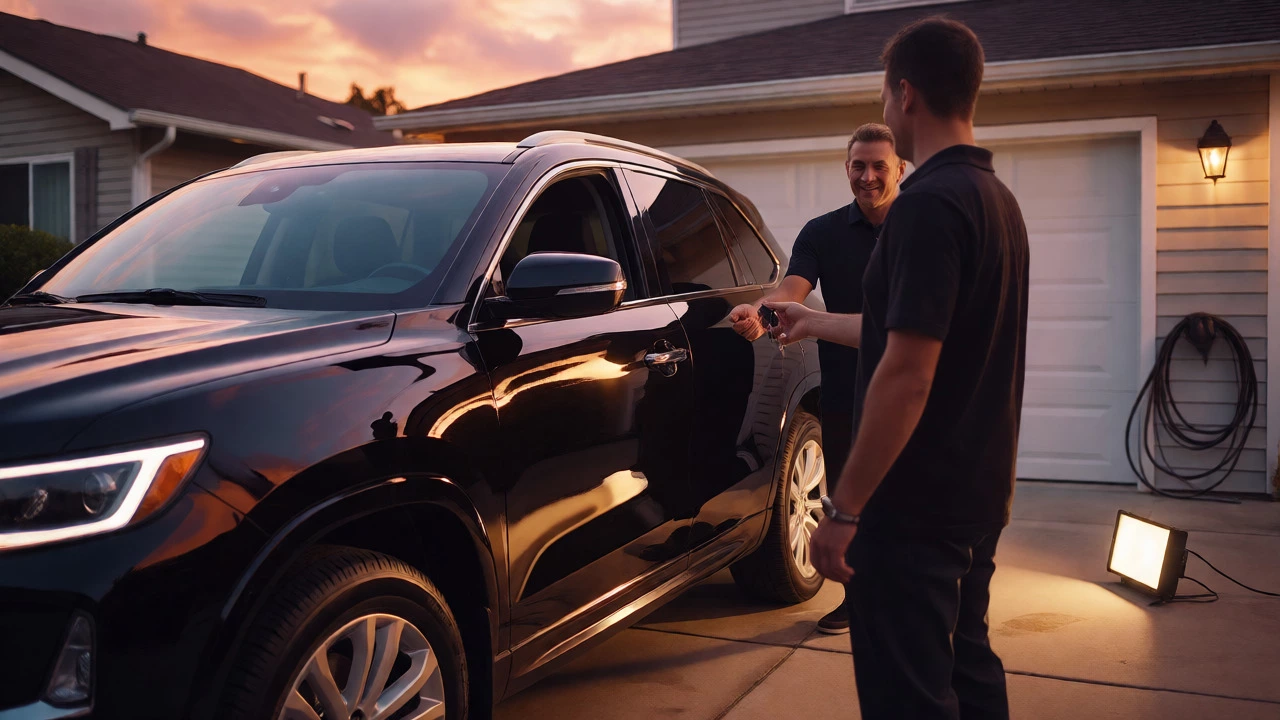
Be punctual. If you say 9 AM, arrive at 8:55 AM. Send updates during the process. A quick photo of the progress reassures the client that work is happening. After the job, hand over the keys with a smile and explain what you did. Did you clean the vents? Did you condition the leather? Tell them. They’ll appreciate the extra effort.
Ask for reviews immediately after payment. Positive reviews build trust for future clients. Handle complaints gracefully. If something went wrong, apologize and fix it fast. Reputation is fragile in a local market.
Scaling Beyond the Driveway
Once you’re booked out, consider expanding. You could hire an assistant to handle basic washes while you focus on high-margin corrections. Or invest in a van to become fully mobile, bringing the service to the client’s workplace or home. Mobile detailing commands higher prices because of the convenience factor.
Track your numbers. What’s your average ticket size? How long does each job take? Are you making profit after supplies and fuel? Adjust your pricing based on data, not guesswork. If you’re busy but broke, raise prices. If you’re idle, improve marketing.
Starting a car detailing business from home is achievable, rewarding, and scalable. It demands physical effort and attention to detail, but the rewards-financial independence and satisfied customers-are well worth the sweat.
Do I need a special license to start a car detailing business?
Generally, no special automotive license is required for detailing. However, you must register your business (e.g., obtain an ABN in Australia) and comply with local council regulations regarding home-based businesses. Always check local zoning laws to ensure commercial activity is permitted in your residential area.
How much money do I need to start?
You can start with $500-$1,000 AUD for essential supplies, including cleaning agents, microfiber towels, a vacuum, and basic safety gear. This excludes major equipment like a polisher, which can be added later as revenue grows. Insurance costs should also be budgeted separately.
Is mobile detailing better than home-based?
Home-based has lower overheads but limits your reach. Mobile detailing allows you to serve more clients and charge premium rates for convenience, but it requires a reliable vehicle, fuel costs, and portable equipment. Many start home-based to save capital, then transition to mobile once they have a steady client base.
What services should I offer first?
Start with exterior washes, wheel cleaning, and interior vacuuming/wiping. These are high-demand, low-complexity services. Once you gain confidence and positive reviews, introduce paint correction, headlight restoration, and ceramic coating applications.
How do I handle water runoff issues?
Check your local council guidelines. Often, runoff must enter the sewer system, not storm drains. You may need to use biodegradable soaps or install a simple catchment system. Ignoring this can lead to fines, so clarify requirements before your first wash.