Car Detailing ROI Calculator
Determine if investing in a DIY kit or hiring a professional offers better long-term savings for your specific situation.
$0
Includes kit + consumables over period
$0
Cumulative service fees
Financial Verdict
Note: This calculation assumes consistent quality results from both methods. It does not account for time spent doing DIY work (estimated 4-8 hours per session).
You’re standing in your driveway, staring at a $150 bottle of ceramic coating or looking at a quote for a $300 professional detail. The question isn’t just about whether you like clean cars; it’s about whether your wallet can justify the expense. Is car detailing actually worth the money, or is it just expensive vanity?
The answer depends entirely on what you want out of your vehicle. If you treat your car as a disposable appliance, skip the wax and drive until the rust eats the frame. But if you view your car as an asset that needs maintenance to hold its value, detailing pays dividends. Let’s break down the real costs, the hidden benefits, and when you should absolutely avoid spending a dime.
The True Cost of Neglect vs. Maintenance
Most people confuse washing with detailing. Washing removes loose dirt. Detailing restores the surface. When you ignore the latter, you aren’t just letting dust settle; you’re letting contaminants bond to your clear coat. Bird droppings, tree sap, and industrial fallout are acidic. They etch into the paint within hours, not days.
Once that damage sets in, a simple wash won’t fix it. You’ll need paint correction, which involves machine polishing to remove a thin layer of clear coat. That service costs significantly more than regular detailing. Think of it like dental health: brushing daily (washing) prevents cavities, but skipping flossing (detailing) leads to deep cleaning bills later. By investing in consistent care, you avoid the heavy financial hit of restoration work.
DIY Kits vs. Professional Services: Where Does Your Money Go?
If you decide detailing is worth it, you have two paths: do it yourself or hire a pro. Each has distinct financial implications.
| Factor | DIY Detailing Kit | Professional Detailer |
|---|---|---|
| Initial Investment | $100 - $250 (one-time) | $150 - $500+ (per visit) |
| Time Commitment | 4-8 hours per session | 1-2 hours (drop-off/pick-up) |
| Skill Level Required | Moderate to High | N/A (Expert handled) |
| Results Consistency | Variable (depends on user skill) | High (standardized process) |
| Long-Term Value | Kit lasts 10-20 uses | Cumulative cost increases over time |
A good car detailing kit typically includes clay bars, microfiber towels, wheel cleaner, interior degreaser, and synthetic sealant ranges from $100 to $250. This might seem steep upfront, but it covers 10 to 20 full details. If you detail your car four times a year, that kit lasts three to five years. The cost per use drops to under $15.
Hiring a professional costs between $150 and $500 depending on vehicle size and condition. While convenient, this expense repeats indefinitely. For many enthusiasts, the DIY route offers better long-term economics, provided you have the space, water access, and patience to learn the technique.
Does Detailing Actually Increase Resale Value?
This is the biggest myth in the industry. A detailed car does not automatically sell for thousands more than a dirty one. However, it sells faster and attracts serious buyers.
Consider the psychology of the buyer. When they walk up to a car with swirl marks, faded trim, and stained seats, they assume mechanical neglect. They wonder if the owner skipped oil changes or ignored check engine lights. A pristine exterior and interior signal that the previous owner cared about maintenance. This trust reduces negotiation friction.
Data from major auction houses suggests that well-maintained vehicles retain 10-15% more of their original value compared to those with visible cosmetic neglect. While you might not recoup the exact cost of every detail, you prevent the "neglect discount" that private sellers often face. If you plan to trade in your car at a dealership, note that dealers often perform their own cheap, quick details before listing. They may not pay extra for your premium interior shampoo, but they definitely won’t penalize you for having a clean cabin.
When Is Detailing Absolutely Worth It?
Not every car needs high-end care. Here are the specific scenarios where the investment yields the highest return:
- Leased Vehicles: Lease returns require strict condition standards. Excessive wear and tear fees can run hundreds of dollars. A thorough detail before return ensures you get your security deposit back intact.
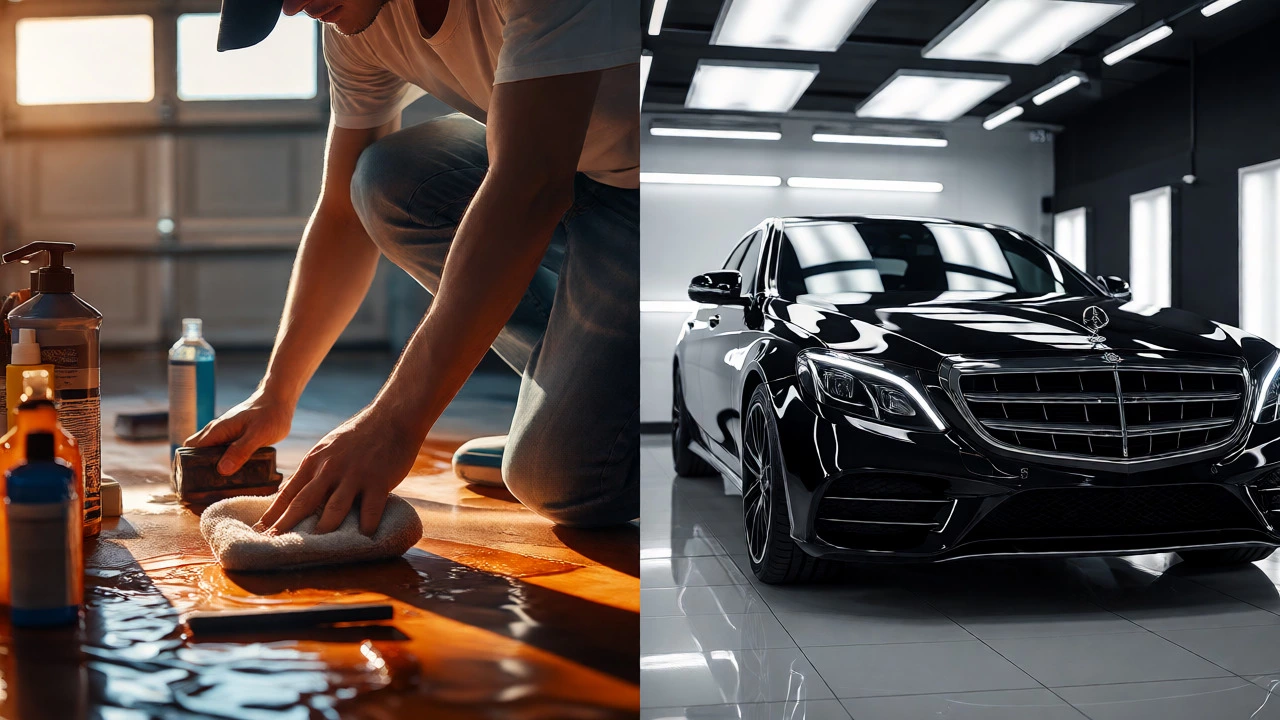
- Luxury or Exotic Cars: Paint on high-end vehicles is often softer or multi-layered. Regular maintenance protects complex finishes like matte paints or metallic flakes that are expensive to repair.
- Selling Privately: First impressions matter. Photos taken of a detailed car get more clicks online. More clicks mean more test drives, which means a higher chance of selling at your asking price.
- Daily Drivers in Harsh Climates: Road salt, UV rays, and sand accelerate degradation. Frequent detailing acts as insurance against corrosion and sun damage.
When Should You Skip the Expense?
Conversely, there are times when throwing money at detailing makes zero sense.
- Old, Beaten-Up Trucks: If your truck has dented panels and cracked plastic bumpers, no amount of polish will make it look new. Save the cash for repairs that actually function.
- Short-Term Ownership: If you bought a car to drive for six months and flip it, a basic wash is sufficient. The market value won’t shift enough to justify a $300 detail.
- Commercial Fleets: Unless brand image is critical, functional cleanliness (no trash, safe visibility) trumps aesthetic perfection.
The Hidden Health Benefits of Interior Detailing
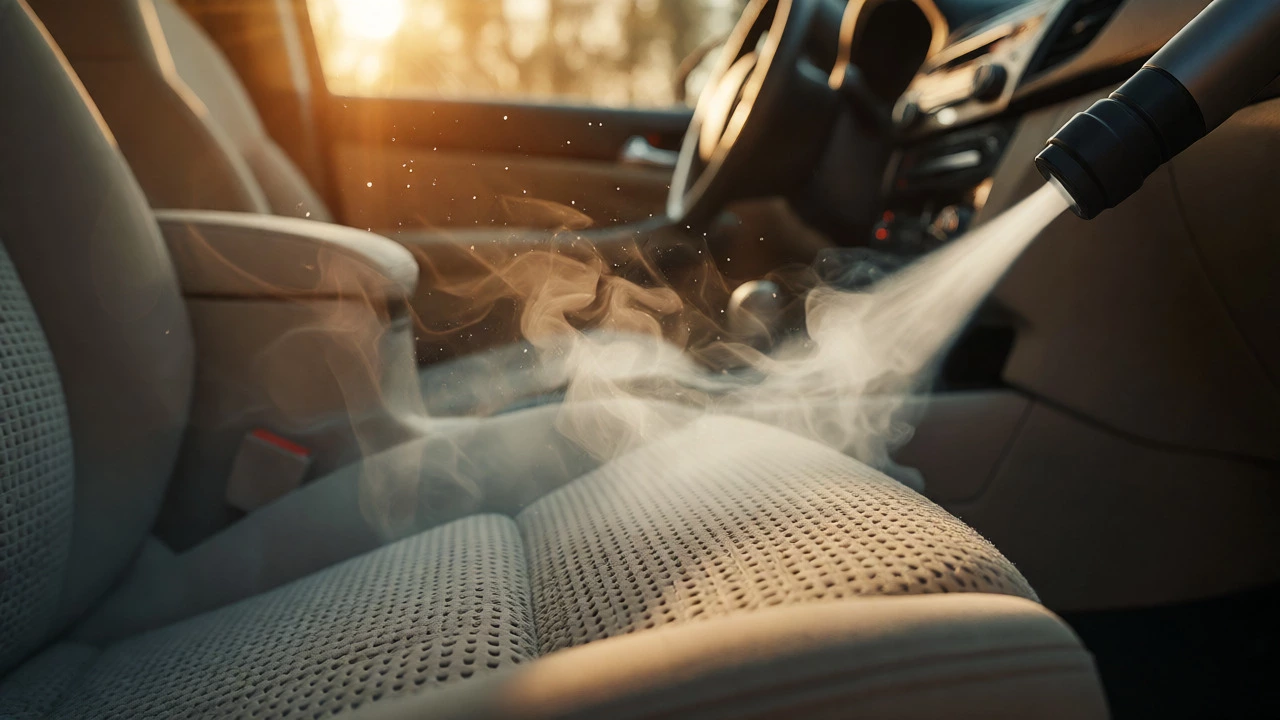
We often focus on the shine outside, but the inside holds the most immediate value for your health. Your car’s interior is a trap for allergens, pollen, mold spores, and bacteria. Standard vacuuming misses dust embedded in fabric pores and leather crevices.
Deep steam cleaning extracts these particles. For families with children or individuals with allergies, this isn’t just about looks-it’s about air quality. Studies on indoor air quality suggest that vehicle cabins can harbor higher concentrations of particulate matter than homes due to limited ventilation during driving. Regular interior detailing reduces respiratory irritants, making your commute healthier. This tangible benefit often outweighs the abstract concept of "shine" for many owners.
How to Maximize ROI Without Breaking the Bank
You don’t need to spend big to get results. Follow these rules to ensure every dollar spent works hard:
- Wash Weekly, Detail Quarterly: Frequent washing removes abrasive grit before it scratches your paint. This reduces the need for aggressive correction later.
- Invest in Quality Tools, Not Just Products: A cheap towel causes swirls. A $20 plush microfiber towel saves your paint. Buy tools once, buy consumables cheaply.
- Learn Proper Technique: Use the two-bucket method to wash. Never dry a wet car with a single rag. Learn to use a clay bar properly. Bad technique wastes product and damages surfaces.
- Protect After Cleaning: Always apply a sealant or wax after detailing. Bare paint oxidizes quickly. A $15 bottle of synthetic sealant lasts 6 months and protects your labor.
Frequently Asked Questions
Is it cheaper to detail my car myself or hire a professional?
For the first few years, hiring a professional is usually cheaper because you avoid buying expensive equipment like buffers and vacuums. However, if you keep your car for 5+ years, a DIY setup becomes more cost-effective. A $200 kit lasts for dozens of uses, whereas professional services add up quickly.
Does waxing protect my car’s paint?
Yes. Wax creates a sacrificial barrier between your clear coat and environmental contaminants like bird droppings, tree sap, and UV rays. Without this layer, the clear coat oxidizes, turning white or chalky. Synthetic sealants last longer than natural carnauba wax and offer similar protection.
How often should I get a full detail?
For most daily drivers, a full detail twice a year is sufficient. One in spring to remove winter salt and grime, and one in fall to prepare for winter weather. If you park outside in direct sunlight, consider quarterly applications of spray sealant to maintain protection.
Can bad detailing damage my car?
Absolutely. Using dirty rags, automatic brush car washes, or incorrect polishes can introduce swirl marks and micro-scratches into the clear coat. Once these defects exist, they require machine polishing to remove, which costs more than the initial mistake.
Is ceramic coating worth the extra cost over wax?
Ceramic coatings offer superior durability (2-5 years) and hydrophobic properties compared to wax (3-6 months). However, they require perfect paint preparation, which is labor-intensive. For newer cars kept indoors, it’s worth it. For older cars with existing defects, standard sealant is often a better financial choice.