K&N vs. OEM Air Filter Cost Calculator
Enter your details and click Calculate to see if a K&N filter makes financial sense for your driving habits.
There is a persistent myth in the car community that swapping your stock air filter for a high-flow option will instantly transform a daily driver into a track monster. The reality is much more nuanced. When you look at K&N air filters, which are reusable, washable performance air filters known for their oiled cotton gauze media, you are looking at one of the most debated upgrades in automotive history. Do they actually increase horsepower? Is the maintenance hassle worth it? Or are they just expensive paperweights?
The answer depends entirely on what you expect from the modification. If you want a significant power boost without touching the engine management system, you might be disappointed. However, if you value long-term cost savings, better filtration than standard paper filters, and a marginal improvement in throttle response, K&N offers a compelling case. Let’s break down the real-world pros and cons to help you decide if this upgrade makes sense for your vehicle.
How K&N Filters Actually Work
To understand the benefits, you first need to understand the technology. Unlike traditional disposable air filters that use dry paper or synthetic media, K&N filters utilize a multi-layered cotton gauze that is pleated and impregnated with a special oil. This design serves two purposes. First, the open structure of the gauze allows significantly more air to pass through compared to dense paper filters. Second, the oil traps microscopic particles that would otherwise slip through the gaps between fibers.
This mechanism creates a balance between flow rate and filtration efficiency. A clogged OEM (Original Equipment Manufacturer) filter restricts airflow, forcing the engine to work harder to draw in the oxygen needed for combustion. By reducing this restriction, a clean K&N filter ensures the engine breathes as efficiently as the factory intake system allows. It is important to note that this does not magically create power; it simply removes a bottleneck that exists when the original filter gets dirty over time.
The Pros: Why People Choose K&N
Despite the skepticism, there are genuine advantages to using these reusable filters. Here is what you gain by making the switch:
- Long-Term Cost Savings: While the upfront cost is higher-often ranging from $50 to $150 depending on the vehicle-the filter is designed to last up to 100,000 miles or more. You save money by never having to buy replacement paper filters again, provided you maintain them correctly.
- Improved Filtration Efficiency: Many independent tests show that properly maintained K&N filters capture smaller particulate matter than standard paper filters. The oil acts as a sticky trap for dust, pollen, and road grime, protecting your engine internals from abrasive wear.
- Reusable Design: Instead of tossing an old filter into the trash every year or two, you can clean and re-oil your K&N filter. This reduces waste and appeals to environmentally conscious drivers who want to minimize their ecological footprint.
- Marginal Power Gains: In some applications, particularly those with restrictive stock intakes, you may see a small increase in horsepower. Most dyno tests indicate gains of 3 to 5 horsepower at best. While not earth-shattering, this can improve throttle responsiveness and make the engine feel slightly more eager to rev.
- Aesthetic Appeal: For many enthusiasts, the bright red pleats visible through the airbox or cold air intake add a touch of visual flair to the engine bay. It signals that the car has been cared for and modified.
The Cons: What You Need to Watch Out For
No product is perfect, and K&N filters come with specific drawbacks that potential buyers should consider carefully before purchasing:
- Maintenance Hassle: You cannot just replace a K&N filter; you have to service it. This involves blowing out debris with compressed air, washing it with a specialized cleaner, letting it dry completely, and reapplying the oil. If you skip any step, performance suffers.
- Risk of MAF Sensor Contamination: This is the biggest technical risk. If you over-oil the filter, excess oil can be sucked into the Mass Air Flow (MAF) sensor. Oil on the MAF sensor causes inaccurate readings, leading to rough idling, poor fuel economy, and potentially triggering the Check Engine Light. Cleaning a contaminated MAF sensor requires alcohol and careful handling.
- Upfront Cost: Compared to a $15 paper filter, a K&N unit is a significant investment. If you sell your car frequently or change vehicles every few years, the return on investment may never materialize.
- False Sense of Security: Some owners assume that because they bought a "performance" filter, they don’t need to check it. A dirty K&N filter performs worse than a new paper filter. Neglecting maintenance turns a pro into a con.
- Limited Power Increase: If you are expecting a dramatic transformation, you will be let down. Without supporting modifications like a cold air intake, exhaust upgrade, or ECU tune, the power gains are often negligible and difficult to feel during normal driving.
K&N vs. OEM Paper Filters: A Direct Comparison
To make an informed decision, it helps to compare the key attributes side-by-side. This table highlights the critical differences between the two primary types of air filtration systems available for passenger vehicles.
| Feature | K&N Reusable Filter | OEM Paper Filter |
|---|---|---|
| Initial Cost | $50 - $150 | $10 - $25 |
| Lifespan | Up to 100,000+ miles (with maintenance) | 15,000 - 30,000 miles |
| Maintenance Required | Yes (Clean and Re-oil every 40k-60k miles) | No (Replace only) |
| Filtration Efficiency | High (99%+ particle capture when oiled correctly) | High (Standard industry grade) |
| Airflow Restriction | Low (Higher flow rate) | Medium (Increases as filter clogs) |
| Environmental Impact | Lower (Reusable) | Higher (Disposable waste) |
| Power Gain Potential | Minimal (3-5 HP max in ideal conditions) | None (Restores factory specs) |
Common Misconceptions About K&N Filters
Marketing materials often blur the line between potential and guaranteed results. Let’s clear up some common myths that lead to buyer’s remorse.
Myth 1: K&N Filters Add Significant Horsepower. While K&N claims power increases, these figures are usually derived from highly controlled dyno tests on engines with other modifications. On a stock vehicle, the engine control unit (ECU) is already tuned for optimal performance with the stock filter. Removing a minor restriction rarely yields noticeable power unless the rest of the intake and exhaust systems are also upgraded.
Myth 2: They Are Maintenance-Free. The term "lifetime warranty" often confuses buyers into thinking the filter lasts forever without attention. In reality, the warranty covers defects, not neglect. You must clean and re-oil the filter regularly. Failure to do so leads to reduced airflow and potential engine damage from unfiltered debris.
Myth 3: More Oil Means Better Filtration. This is dangerous advice. Applying too much oil saturates the gauze, restricting airflow and risking MAF sensor contamination. The goal is a thin, even coat of oil, not a soaking wet filter. Following the manufacturer’s instructions precisely is crucial.
Who Should Buy a K&N Filter?
Not every driver needs a performance air filter. Here is how to determine if this product fits your profile:
- Long-Term Owners: If you plan to keep your car for five years or more, the cost savings from not buying replacement filters become apparent. The initial investment pays off after three or four filter changes.
- Dusty Environment Drivers: If you live in areas with high levels of dust, pollen, or road grit, the superior filtration of a properly maintained K&N filter can offer better protection than a paper filter that clogs quickly.
- Enthusiasts Who Enjoy Maintenance: If you like working on your car and don’t mind the process of cleaning and re-oiling, this is a satisfying DIY task that keeps your engine running smoothly.
- Those Seeking Marginal Gains: If you are building a stage-one performance setup and want to maximize every bit of airflow within the stock intake limits, a K&N filter is a logical component.
Who Should Stick with OEM?
Conversely, there are scenarios where sticking with the factory paper filter is the smarter choice:
- Short-Term Owners: If you lease your car or sell it every two years, you will never recoup the cost of a K&N filter. Just buy cheap paper filters and replace them as recommended.
- Hands-Off Drivers: If you prefer low-maintenance ownership, the hassle of cleaning and re-oiling may outweigh the benefits. Paper filters are simple: remove the old one, insert the new one, done.
- Warranty-Conscious Buyers: While K&N filters are generally safe for modern engines, some manufacturers argue that non-OEM parts can void warranties if engine damage occurs. Check your specific warranty terms before installing aftermarket parts.
- Budget-Conscious Buyers: If upfront costs are a concern, the lower price point of OEM filters provides peace of mind without a significant financial commitment.
Pro Tips for Maintaining Your K&N Filter
If you decide to go ahead with a K&N filter, proper maintenance is non-negotiable. Follow these steps to ensure longevity and performance:
- Inspect Regularly: Check the filter every 10,000 to 15,000 miles. Look for dirt buildup or discoloration. If it looks dark gray or black, it’s time for a cleaning.
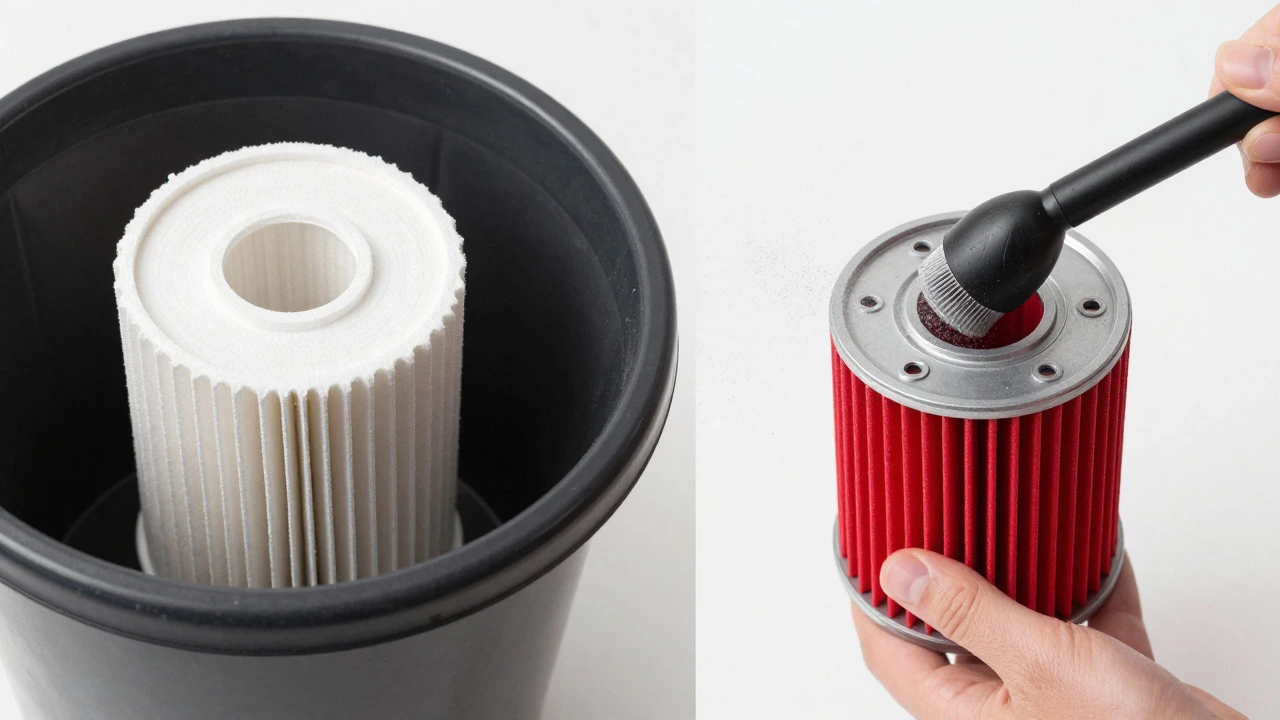
- Use Compressed Air Carefully: Start by blowing out loose debris from the inside out using low-pressure compressed air. Hold the nozzle at least six inches away to avoid damaging the pleats.
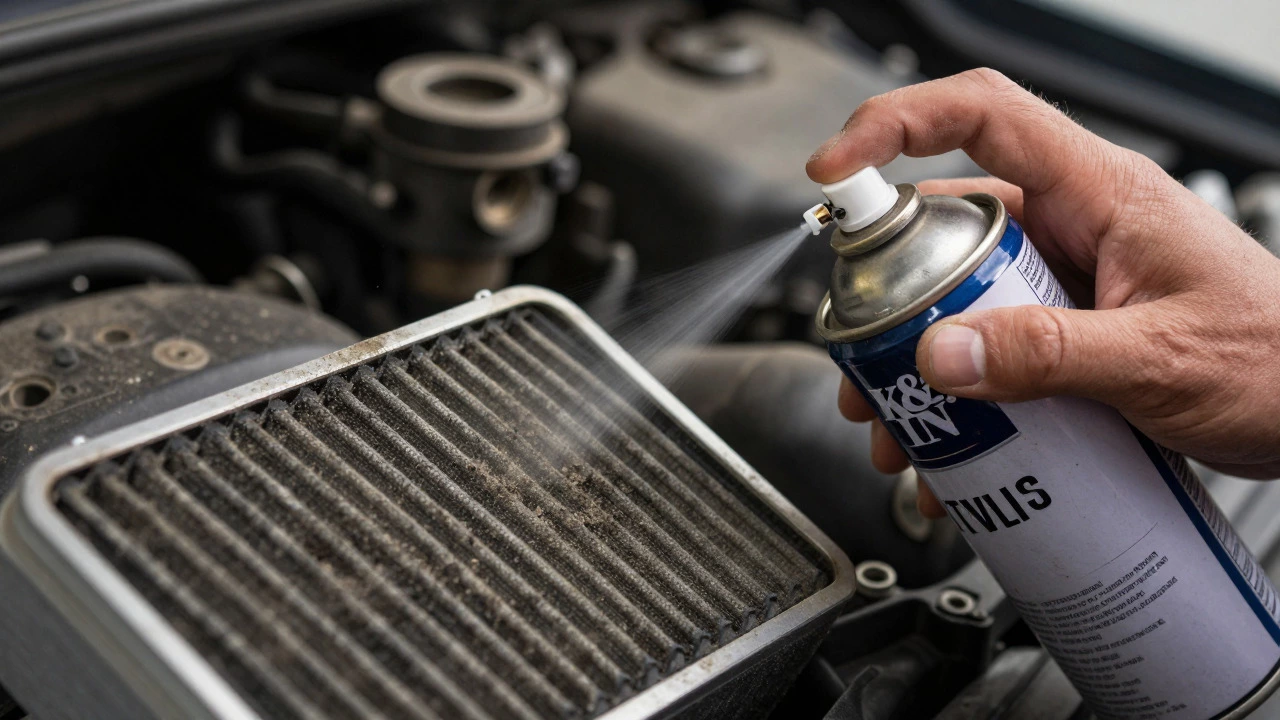
- Clean with Specific Products: Use K&N’s own cleaner and re-oiler kit, or a compatible alternative. Avoid harsh solvents or detergents that can strip the cotton fibers or leave residues.
- Let It Dry Completely: After washing, allow the filter to air dry for several hours. Never install a damp filter, as moisture can cause rust in the intake manifold or promote mold growth.
- Apply Oil Sparingly: Apply the re-oiling spray evenly across the surface until the gauze appears translucent but not dripping. Wipe away any excess oil around the edges to prevent contact with the MAF sensor.
- Check the Seal: When reinstalling, ensure the filter seats properly in the housing. A poor seal allows unfiltered air to bypass the filter entirely, defeating its purpose.
Final Thoughts on K&N Air Filters
The debate around K&N filters often boils down to expectations versus reality. They are not a magic bullet for horsepower, nor are they a set-and-forget solution. However, for drivers who prioritize long-term value, environmental responsibility, and slight improvements in engine breathing, they represent a solid upgrade over disposable paper filters.
The key is responsible ownership. Treat the filter with care, maintain it according to schedule, and apply oil judiciously. If you approach it as a maintenance item rather than a performance hack, you’ll likely find that a K&N filter enhances your driving experience without causing headaches. Ultimately, whether you choose K&N or stick with OEM depends on your driving habits, budget, and willingness to perform basic upkeep. Both options keep your engine protected; the difference lies in how you manage that protection over time.
Does a K&N air filter really increase horsepower?
On a stock vehicle, the increase is minimal, typically ranging from 3 to 5 horsepower. These gains are often negligible in daily driving. Significant power increases usually require additional modifications like a cold air intake, exhaust system upgrade, or ECU tuning to fully utilize the increased airflow.
How often should I clean my K&N air filter?
It is recommended to inspect your K&N filter every 10,000 to 15,000 miles and clean it every 40,000 to 60,000 miles under normal driving conditions. If you drive in dusty or dirty environments, you may need to clean it more frequently to maintain optimal airflow and filtration.
Can a K&N air filter damage my engine?
If maintained correctly, a K&N filter will not damage your engine. However, improper maintenance-such as over-oiling-can contaminate the Mass Air Flow (MAF) sensor, leading to poor performance and check engine lights. Additionally, failing to clean the filter can allow large particles to enter the engine, causing wear.
Is it worth buying a K&N filter if I sell my car soon?
Probably not. Since K&N filters have a higher upfront cost, you need to keep the vehicle for several years to recoup the investment through avoided replacement costs. If you plan to sell or trade in your car within two to three years, sticking with inexpensive OEM paper filters is more economical.
What happens if I put too much oil on a K&N filter?
Over-oiling can saturate the filter media, restricting airflow and reducing performance. Worse, excess oil can be drawn into the intake tract and coat the MAF sensor. This causes inaccurate air-fuel mixture calculations, resulting in rough idling, hesitation, and potentially triggering the check engine light. Always apply oil sparingly and evenly.
Do K&N filters fit all cars?
K&N manufactures filters for thousands of vehicle makes and models, including cars, trucks, motorcycles, and SUVs. However, they are vehicle-specific. You must select the exact part number corresponding to your year, make, model, and engine size to ensure a proper fit and seal.