NC Window Tint Compliance Checker
Enter your vehicle details and click "Check Legality" to see if your tint meets North Carolina standards.
You just bought a new set of ceramic films for your sedan, ready to slash that brutal Southern heat. But before you roll the windows down and feel like a VIP, you need to know one thing: North Carolina has some of the strictest window tint rules in the country. If you guess wrong, you’re not just looking at a warning; you’re looking at a fine, a mandatory removal order, and potentially higher insurance premiums if it affects visibility claims.
Most drivers assume "legal" means "barely visible." In NC, legal often means "almost no tint at all," especially on the front seats. This guide breaks down exactly what you can and cannot do with your glass, so you don’t get pulled over by a trooper who knows the law better than you do.
The Quick Summary: What You Need to Know Now
- Front Side Windows: Must allow more than 35% of light in (VLT). That’s barely darker than stock glass.
- Rear Side & Back Glass: Any darkness is allowed here, provided you have dual side mirrors.
- Windshield: Non-reflective tint is allowed only on the top 5 inches (the AS-1 line).
- Mirrors: If your rear windows are dark, you must have both left and right side mirrors.
- Reflectivity: Tint cannot be metallic or mirrored; it must be non-reflective.
Understanding Visible Light Transmission (VLT)
Before we talk numbers, let’s clear up the jargon. When tint shops talk about "percentages," they aren’t talking about how much sun gets blocked out. They’re talking about VLT, which stands for Visible Light Transmission. It measures how much light passes through the glass and into your eyes.
A 50% VLT tint lets half the light in. A 5% VLT tint (often called "limo tint") lets almost nothing in-it’s pitch black inside during the day. The lower the number, the darker the tint. North Carolina uses this metric to decide what’s illegal. Stock factory glass usually has a VLT of around 70-80%. So, when NC says "35% VLT," they mean you can go slightly darker than stock, but not much.
Front Side Windows: The 35% Rule
This is where most people mess up. You might see cars in Charlotte or Raleigh with very dark front windows and think, "If they can do it, I can too." Often, those cars are either illegally modified, or the owner got lucky. The law in North Carolina is specific: your front side windows must allow more than 35% of visible light to pass through.
Why so strict? Safety. Police officers need to see your hands and your face during a traffic stop. If you’ve got 5% tint on your driver’s side window, an officer can’t easily see if you’re reaching for your license or something else. This lack of visibility creates a safety risk, which is why the state caps the darkness right there.
Keep in mind that this measurement includes the glass itself. If your car already has UV-filtering factory glass, adding even a small amount of aftermarket tint might push you under the 35% limit. Always ask your installer to measure the final result with a meter after installation, not just before.
Rear Windows: The Freedom Zone
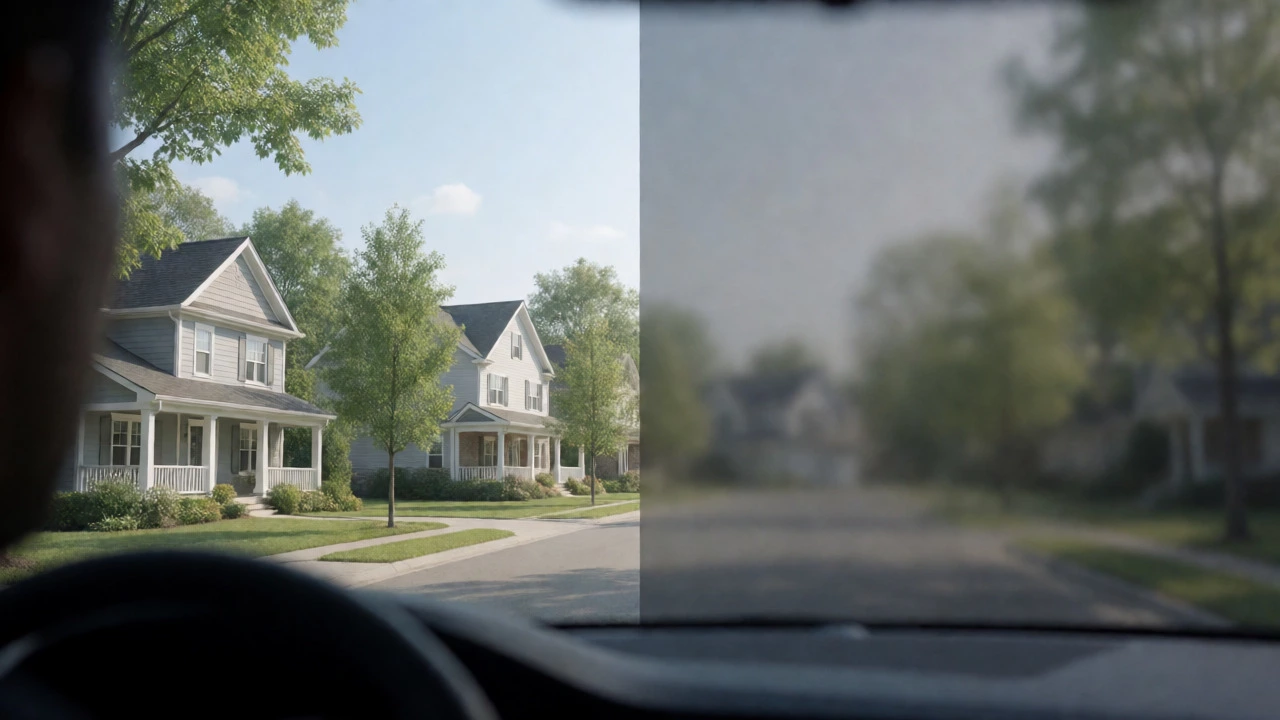
Here is the good news. North Carolina doesn’t care how dark your back seat looks. Whether you choose 5%, 20%, or 50% VLT for your rear side windows and back windshield, it’s perfectly legal. Privacy is yours to keep in the back.
However, there is a catch. Because you can make the back nearly opaque, the law requires you to compensate for the loss of rearward visibility. You cannot rely solely on your rearview mirror if it’s obscured by heavy tint. To stay compliant, you must have both left and right side mirrors installed and functional. If you remove your passenger-side mirror because you hate the look, and you have dark rear tint, you are technically breaking the law.
The Windshield: Just the Top Strip
Can you tint your whole windshield in NC? No. You absolutely cannot. The state allows non-reflective tint only on the top five inches of the windshield. This is commonly referred to as the "AS-1 line." Most modern cars actually come with a shaded strip at the top from the factory. If you want to add tint there, ensure it stays within that five-inch boundary. Going below that line is a ticket waiting to happen.
Also, note the word "non-reflective." Some high-end tints have a shiny, mirrored finish that reflects sunlight away. While these are great for keeping heat out, they are illegal in North Carolina. Your tint must be matte or standard appearance, not chrome or silver-mirror style.
Medical Exemptions: Can You Break the Rules?
If you suffer from photosensitivity, migraines triggered by sunlight, or certain skin conditions, you might qualify for a medical exemption. North Carolina does allow darker tint for medical reasons, but it’s not automatic. You can’t just buy darker film and hope for the best.
To legally drive with darker-than-standard front tint, you need two things:
- A written statement from a licensed physician stating that you have a medical condition requiring protection from sunlight.
- Documentation kept in the vehicle at all times.
Without this paperwork in the glove box, an officer can still cite you. And yes, they will ask for it. Make sure the doctor’s note is current and clearly states the necessity for reduced light transmission.
Comparison: NC vs. Neighboring States
If you plan to road-trip, remember that laws change across state lines. Here is how North Carolina stacks up against its neighbors regarding front side window limits (higher VLT % = lighter tint):
| State | Front Side VLT Limit | Windshield Tint Allowed | Mirror Requirement |
|---|---|---|---|
| North Carolina | > 35% | Top 5 inches only | Required if rear is tinted |
| South Carolina | > 27% | Top 6 inches | Not explicitly required for tint |
| Georgia | > 32% | Non-glare band | Required if rear is tinted |
| Tennessee | > 35% | Top 4 inches | Required if rear is tinted |
| Virginia | > 50% | Top 6 inches | Required if rear is tinted |
Notice how Virginia is stricter than NC? If you drive north, be careful. South Carolina is slightly more lenient on the percentage, but enforcement varies.
What Happens If You Get Caught?
Getting caught with illegal tint in NC isn’t just annoying; it’s expensive. Typically, you’ll face a fine ranging from $50 to $100 for a first offense. However, the real headache is the "fix-it" ticket. The officer may require you to remove the illegal tint within a certain timeframe and prove it was done by showing a receipt from a professional shop.
If you ignore the citation, points could be added to your driving record, which raises your insurance rates. For commercial vehicles, the stakes are higher. Truckers and fleet managers need to be extra vigilant because inspections are frequent and strict.
Pro Tips for Staying Legal
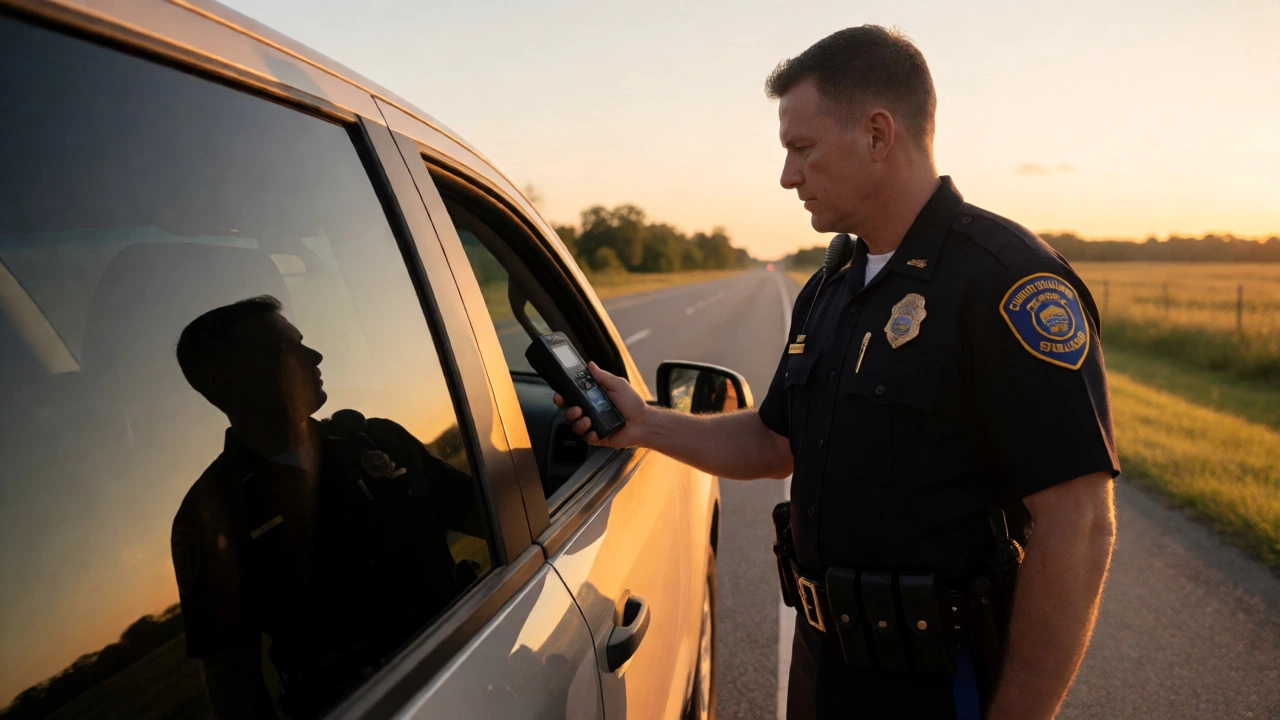
Don’t trust the shade card in the shop. Lighting conditions can trick your eye. Always insist on using a tint meter. These handheld devices shine a light through the glass and give you a precise VLT reading. If the meter reads 34% and the law says "more than 35%," you are illegal. Aim for 36-38% to account for slight variations in measurement tools.
Another tip: consider the color of your interior. Darker interiors absorb less glare, making lighter tints feel more comfortable. Conversely, if you have a beige leather interior, you might feel the need for darker tint to reduce glare, pushing you closer to the legal limit. Balance aesthetics with compliance.
Can I put 5% tint on my front windows in NC?
No, 5% tint is generally considered illegal on front side windows in North Carolina unless you have a valid medical exemption document in the car. The legal limit requires more than 35% of light to pass through.
Do I need dual side mirrors if I have tinted rear windows?
Yes. If your rear side windows or back windshield have any aftermarket tint applied, North Carolina law requires you to have both left and right side mirrors installed and in use.
Is reflective tint legal in North Carolina?
No. All window tint in North Carolina must be non-reflective. Metallic or mirrored finishes are prohibited, regardless of the VLT percentage.
How many inches of windshield tint are allowed?
You are allowed to apply non-reflective tint to the top 5 inches of the windshield. This area is typically above the manufacturer's AS-1 line.
What is the penalty for illegal window tint in NC?
Penalties typically include a fine between $50 and $100 and a requirement to remove the illegal tint. Failure to correct the issue can lead to further fines and potential points on your driving record.