Australian Panel Beater Cost Estimator
Get a realistic estimate for your car body repair. Prices vary significantly based on labor rates, parts availability, and hidden fees. This tool helps you prepare before visiting a shop.
You just scraped your bumper against a shopping trolley or caught a door ding from the neighbour's kid. Now you're staring at the damage, wondering if it's worth fixing and, more importantly, how much it's going to hurt your bank account. The answer isn't simple because "how much" depends on where you live, what kind of car you drive, and whether you go to a franchise or a local workshop. In Adelaide, for example, labour rates hover around $85-$110 per hour, but that number can swing wildly depending on the complexity of the job.
Let's cut through the noise. This guide breaks down exactly what panel beaters charge, why the quotes vary so much, and how you can avoid getting ripped off. Whether you need a quick scratch buff-out or a full rear-quarter replacement, knowing the baseline numbers puts you in control before you even walk into the shop.
The Quick Breakdown: Average Panel Beating Costs
Panel beating is the process of repairing vehicle body panels by hammering out dents, replacing damaged sections, and preparing surfaces for painting. It’s distinct from mechanical repairs; this is all about aesthetics and structural integrity of the shell. For most minor jobs, you’re looking at a range rather than a fixed price tag. Here’s what typical Australian rates look like as of late 2026:
- Minor Scratch/Buff: $50-$150. If the paint hasn’t been breached deeply, many shops will just polish it out.
- Small Dent (Coin-sized): $150-$300. This usually involves Paintless Dent Repair (PDR) if the metal isn’t stretched.
- Bumper Repair: $300-$600. Plastic bumpers are easier to fix than steel, but painting adds cost.
- Single Panel Replacement: $800-$1,500. Includes part cost, labour, and blending paint into adjacent panels.
- Major Accident Repair: $2,000+. When multiple panels, lights, and sensors are involved.
What Drives the Price Up?
Why does one quote say $400 and another says $900 for the same dent? It comes down to three main factors: labour rates, parts availability, and technology.
Labour is the biggest variable. A solo operator working out of a garage might charge $70/hour, while a certified franchise centre in a metro area charges $110+/hour. But here’s the catch: cheaper doesn’t always mean better. Franchises often have access to specific OEM (Original Equipment Manufacturer) data and specialized tools that guarantee a factory-finish match. If you’re driving a Tesla or a modern Mazda with complex curves, generic filler work won’t cut it. You need someone who understands how heat affects aluminium versus steel.
Then there’s the parts issue. Post-pandemic supply chains have stabilized, but not completely. If your car needs a new headlight housing or a specific bracket that isn’t stocked locally, you’ll pay for shipping and wait time. Some shops charge a markup on parts-anywhere from 10% to 30%. Always ask if the quote includes parts or if those are billed separately.
| Repair Type | Average Cost (AUD) | Timeframe | Best For |
|---|---|---|---|
| Paintless Dent Repair (PDR) | $150 - $350 | 1-3 hours | Hail damage, door dings, no paint cracks |
| Scratch Removal & Touch-up | $50 - $150 | Under 1 hour | Surface scratches, clear coat damage |
| Bumper Respray | $250 - $500 | 2-3 days | Faded plastic, minor scuffs |
| Full Panel Replacement | $800 - $1,500 | 3-5 days | Rusted doors, crumpled fenders |
| Alloy Wheel Straightening | $100 - $250 | Same day | Bent rims from potholes |
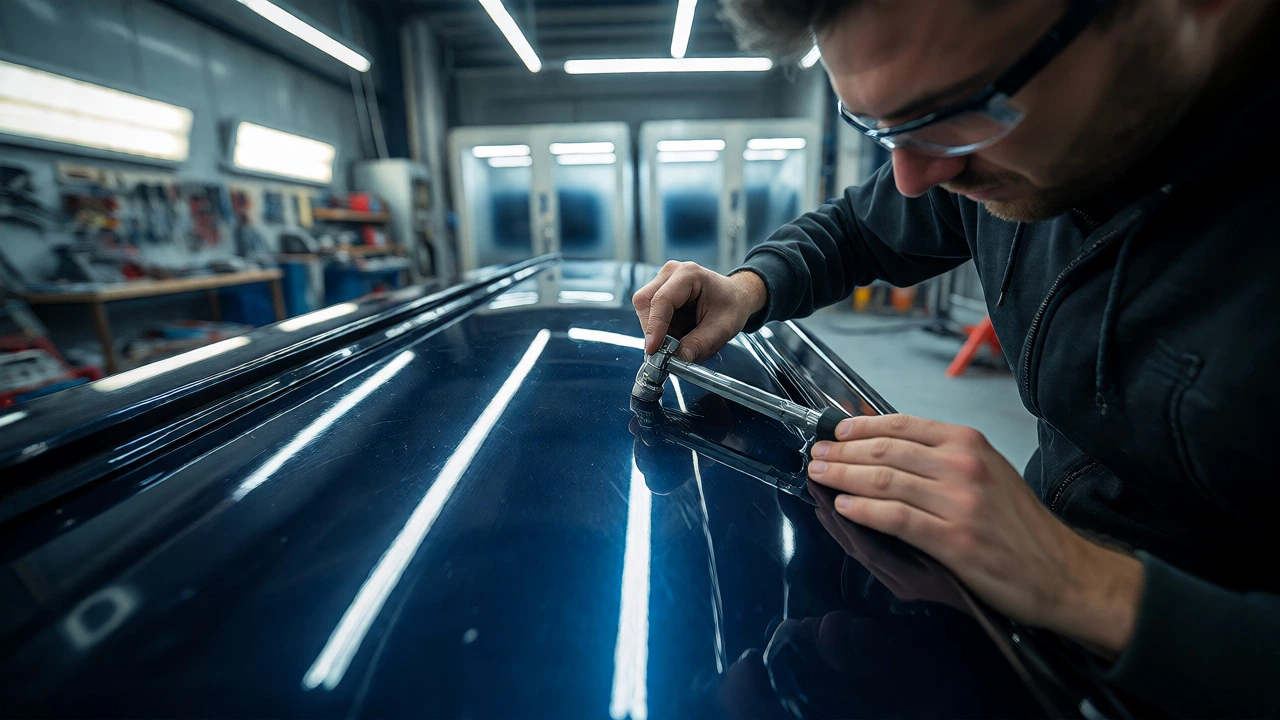
Paintless Dent Repair vs. Traditional Panel Beating
If you’ve ever seen those YouTube videos where a guy pops a dent out with a glue puller, that’s Paintless Dent Repair (PDR). It’s a technique used to remove minor dents without sanding, filling, or repainting. PDR is significantly cheaper and faster because it skips the paint booth entirely.
However, PDR has limits. If the paint is cracked, the dent is on a sharp crease line, or the metal is stretched too thin, traditional panel beating is required. Traditional methods involve hammering, pulling, applying body filler, sanding, priming, and spraying. Each step requires drying time, which extends the turnaround. If you’re in a rush, PDR is your friend. If you want perfection on a deep gouge, bite the bullet and pay for the full respray.
Hidden Costs Nobody Tells You About
Quotes often look low until the invoice arrives. Watch out for these common add-ons:
- Blend Charges: To make sure the new paint matches perfectly, shops blend the colour into adjacent panels. This can add $100-$200 per blended panel.
- Calibration Fees: Modern cars have cameras and radar sensors in bumpers and windshields. After a repair, these need recalibrating. That’s extra labour and sometimes special software licenses.
- Environmental Levies: Some regions charge fees for hazardous waste disposal (paint solvents, old filters).
- Admin Fees: Yes, really. Some larger workshops charge $20-$50 just to open a file for your claim or job.
Always ask for an itemized quote. If they won’t provide one, walk away. Transparency is a sign of a reputable business.
DIY vs. Professional: Is It Worth Saving Money?
You might be tempted to buy a $50 dent kit from Bunnings and try it yourself. For a small, shallow dent on an older car, this can work. But for anything visible or valuable, DIY risks making things worse. Improper sanding leads to orange peel texture. Cheap filler cracks within months. And if you mess up the paint match, you’ll end up paying double later to fix it properly.
Consider the value of your time. If you spend eight hours struggling with a sander and still aren’t happy with the result, was it worth it? Professional panel beaters have spray booths with controlled humidity and temperature, ensuring a flawless finish that lasts years.
How to Get the Best Quote
Don’t just take the first number you see. Follow this checklist to ensure you’re getting fair value:
- Get Three Quotes: Prices vary significantly between independent tradespeople and corporate chains.
- Ask About Warranty: Reputable shops offer a lifetime warranty on workmanship. If they hesitate, that’s a red flag.
- Check Reviews: Look for recent feedback on Google Maps or local Facebook groups. Photos of past work speak louder than words.
- Clarify Parts: Are they using new OEM, aftermarket, or recycled parts? Recycled parts save money but may have hidden rust or previous repairs.
- Timeline Matters: Ask for a realistic completion date. If they promise "tomorrow," they might be cutting corners.
Remember, the cheapest option isn’t always the best. A poorly executed repair can lead to rust forming under the paint within two years, costing you more in the long run.
Do I need insurance to get panel beating done?
Not necessarily. If the damage is minor and below your excess amount, it’s often cheaper to pay cash. Insurance claims also risk increasing your premiums next year. However, for major accidents involving third parties, insurance is essential.
How long does a typical bumper repair take?
A standard bumper repair, including removal, straightening, filling, and painting, usually takes 2-3 days. This accounts for drying times between coats of primer and paint. Rush jobs are possible but may compromise quality.
Can panel beaters fix rust?
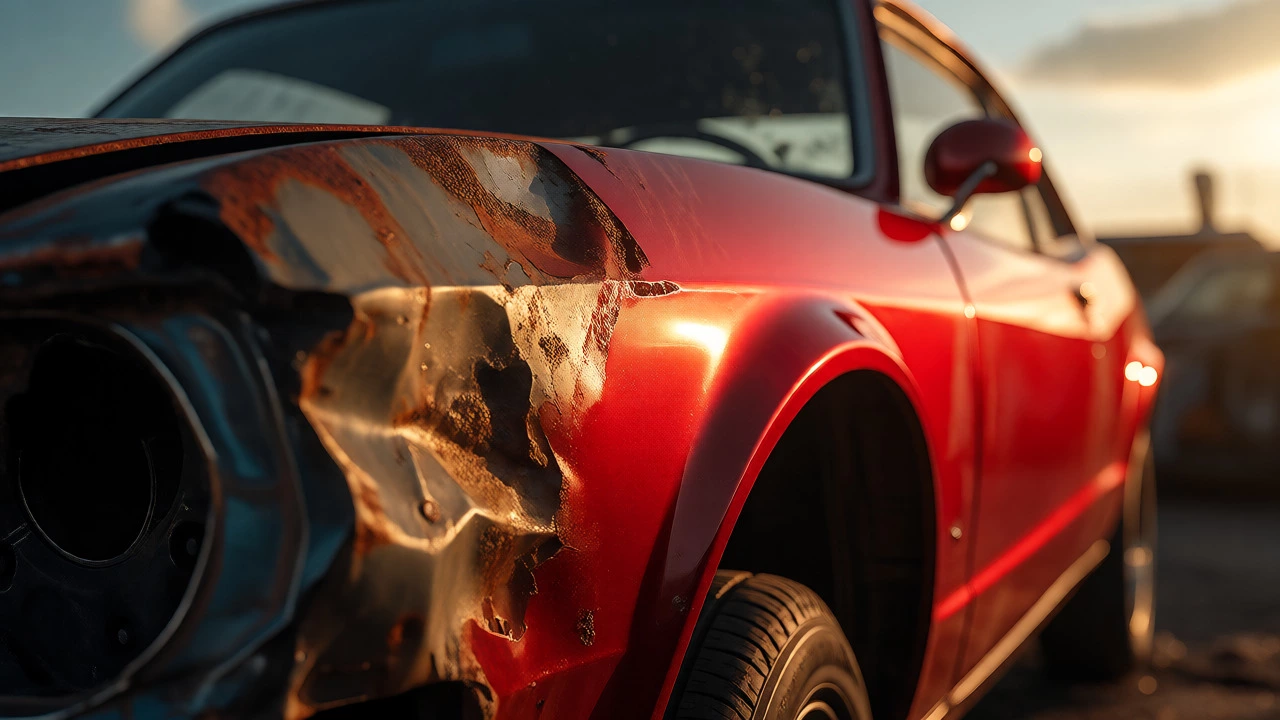
Yes, but it depends on severity. Surface rust can be ground down and treated. Structural rust, where the metal has holes or significant weakness, often requires cutting out the section and welding in new metal, which increases labour costs significantly.
Is it worth repairing an old car’s body damage?
It depends on the car’s overall condition and resale value. If the engine and transmission are healthy, fixing cosmetic damage can boost resale value by more than the repair cost. For high-mileage vehicles nearing end-of-life, cosmetic repairs might not yield a financial return.
What is the difference between a panel beater and a painter?
A panel beater focuses on reshaping and replacing metal/plastic panels. A painter specializes in surface preparation and applying paint. Many shops employ both roles, but some smaller operators subcontract the painting, which can affect communication and timeline coordination.