There is nothing quite like the aggressive look of raw carbon fiber on a car. That woven pattern signals performance and exclusivity immediately. But here is the hard truth most sellers won’t tell you: bare carbon fiber hates sunlight. If you drive in places with strong sun, like South Australia, your pristine weave will start fading within months. This leads to the big question every owner faces: **clear coat carbon fiber**? The short answer is yes, almost always. Without a protective layer, oxidation turns expensive parts chalky and dull.
This guide breaks down why protecting your panels matters, what happens when you skip the step, and how alternatives stack up against professional finishing. We will look specifically at spoilers and body kits where exposure is highest. By the end, you will know exactly which path saves money and preserves value over the next decade.
Understanding the Vulnerability of Raw Weave
To understand why protection is necessary, you need to know what makes up the material. Carbon Fiber is a composite material made of thin fibers bound together with resin. Also known as CFRP, it offers incredible strength-to-weight ratios. The fibers themselves provide structural integrity, while the resin gives shape. In a factory setting, these parts arrive pre-finished. When bought as aftermarket upgrades, they often come unfinished or semi-gloss.
The resin system used during manufacturing absorbs ultraviolet radiation poorly. Direct sunlight breaks down chemical bonds in the resin over time. This process is called photodegradation. You see it as discoloration. A deep black matrix might turn grey or brownish. On a front splitter or rear wing, this creates uneven blotching that looks unprofessional. Even washing can become difficult as oxidized surfaces hold onto dirt more tightly than sealed ones.
The Protective Role of Automotive Clear Coat
When we talk about finishing these parts, we are referring to a specific type of paint application. Clear Coat is a transparent layer of paint applied over colored pigments or raw materials. In modern automotive contexts, it serves as UV Shield, blocking harmful rays from reaching the substrate.
Polyurethane clear coats are the industry standard. They offer flexibility, which is crucial for parts like carbon fiber spoilers. These components flex slightly under load and vibration. If the topcoat is too brittle, it will craze or spider-web crack. A good urethane layer stretches with the underlying carbon cloth. This maintains the mirror-like finish even after years of track days or highway driving.
Beyond UV protection, the coating fills microscopic imperfections in the resin surface. It creates a smooth glass-like skin. This means water beads off faster. Road grime doesn’t embed itself into the weave texture. Cleaning becomes a simple rinse and wipe, rather than a scrubbing session that could risk scratching the exposed fibers underneath.
Comparing Protection Methods for Carbon Parts
You have options beyond traditional spray painting. While spraying at a body shop works well, it involves sanding down edges and masking surrounding areas. Here is how different methods compare for keeping your parts looking fresh:
| Method | Durability | UV Resistance | Gloss Level |
|---|---|---|---|
| Clear Coat Paint | 5-10+ Years | Excellent | High/Wet |
| Ceramic Coating | 1-3 Years | Good | Medium-High |
| Nano Sealant Wax | 3-6 Months | Moderate | Low-Medium |
| Raw Unfinished | N/A | Poor | Fading |
Spraying a full clear coat provides the deepest gloss and longest-lasting shield. However, it commits you permanently. Once you clear coat, you cannot go back to a matte finish easily without stripping it completely. Ceramic coatings sit on top of the surface chemically. They require reapplication every year or two depending on wash frequency.
Aesthetic Choices: Gloss Versus Matte
Some enthusiasts prefer the stealthy look of matte carbon fiber. Achieving this requires a specific matte clear coat, not just leaving the part raw. A true matte finish looks flat and deliberate. An aged unprotected part looks dirty and neglected. There is a significant difference between design intent and neglect.
If you want that satin sheen, ask for a low-VOC matte clear solution. Standard gloss clear coat enhances the depth of the weave pattern significantly. Light reflects off the peaks of the fabric threads, creating shadows that highlight the complex basketweave or twill patterns. For many builds, especially show cars, this wet look adds several thousand dollars in perceived value.
Maintenance Differences in Coastal Climates
Living in a coastal city brings salt air challenges. Salt crystals settle on exposed surfaces and attract moisture. This accelerates corrosion in nearby metal mounting points and degrades the polymer resin faster. In cities like Adelaide or Perth, winter storms bring abrasive grit that scratches soft resins.
A cured clear coat acts as a barrier against these elements. Washing a coated panel takes minutes. You simply use pH-neutral soap and a microfiber mitt. Uncoated parts require specialized cleaners to remove built-up oils and tar without damaging the fibers. Neglecting protection increases the effort required just to keep the car looking clean.
Long-Term Investment Value
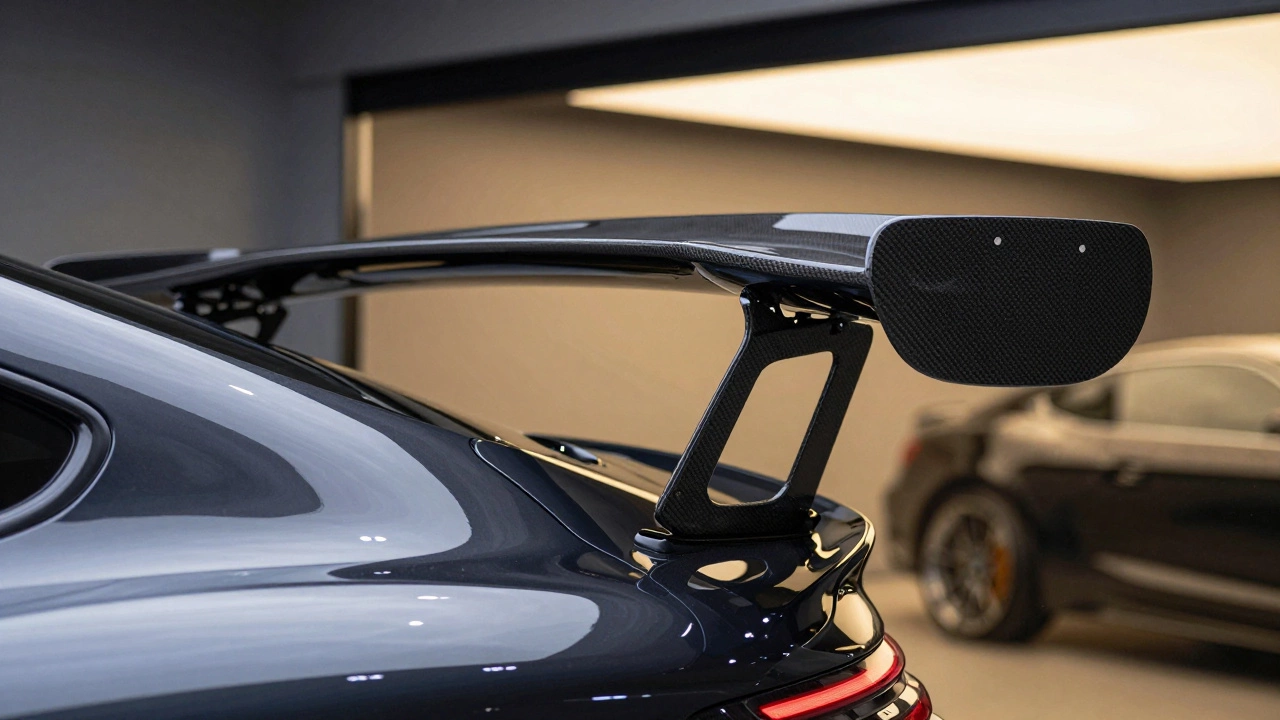
Buying a rear wing or hood costs hundreds of dollars. Protecting it ensures resale value remains intact. Buyers notice condition instantly. A spoiler with clear coat flaking due to heat cycles is a red flag. It suggests the previous owner neglected maintenance. Conversely, a flawless finish proves the part was cared for in a garage environment or protected from daily abuse.
If you plan to sell the vehicle later, the cost of clear coating recoups quickly during negotiation. It removes the buyer’s doubt about the part’s age or health. Furthermore, fixing oxidation is costly. You cannot simply polish away deep resin breakdown. You would need to sand and repaint, costing three times the initial prevention cost.
Application Best Practices for DIY Enthusiasts
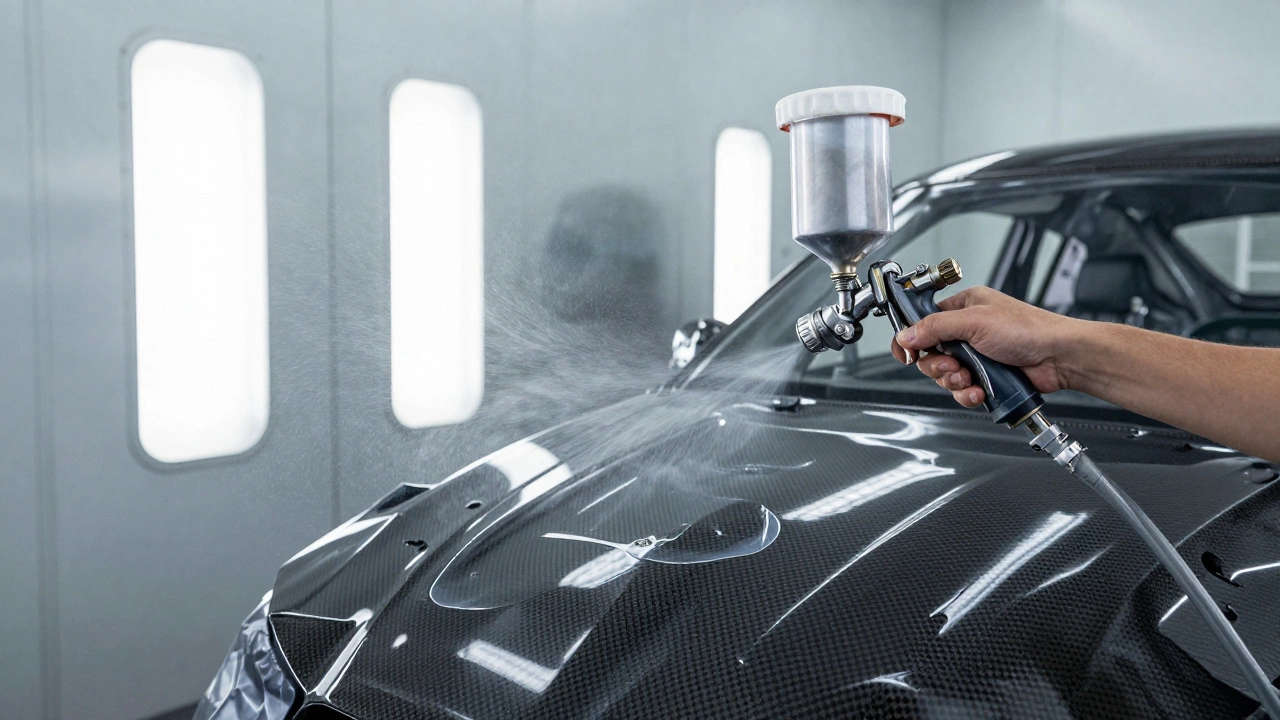
While professional shops are recommended, some try home applications using aerosol cans. Be warned: rattle-can coverage is often inconsistent. It may drip in corners of the weave, obscuring the pattern. Professional booth environments control dust and humidity.
If you proceed with a DIY approach, prep work is non-negotiable. Degrease the entire surface thoroughly. Any oil residue traps contaminants under the new paint. Use a fine primer if needed to ensure adhesion. Apply multiple thin mist coats rather than one heavy wet coat. This prevents runs and orange peel texture.
Sanding between coats is vital. Use 1000-grit or finer paper for wet sanding to level the surface. This prepares it for polishing to a showroom shine. Rushing this stage leads to visible defects under bright lights.
Will clear coat affect the aerodynamics of my carbon fiber spoiler?
No, clear coat adds negligible thickness, typically less than 0.1 millimeters. This layer does not disrupt airflow over the spoiler wings. The primary goal is protection, not aerodynamic adjustment. Ensure the clear coat is applied evenly to maintain the original shape profile.
Can I use regular car wax on raw carbon fiber?
Regular wax provides temporary shine but zero UV protection. It wears off in a few weeks. For long-term shielding, you need a permanent barrier like clear coat or a dedicated ceramic sealant designed for composites. Wax is better as a top layer over existing clear coat.
How long does a clear coat last on carbon parts?
A professional single-stage urethane clear coat can last 5 to 10 years outdoors. Factors like direct sun exposure and harsh chemicals reduce this timeframe. Regular washing and garage storage extend the life significantly compared to daily street driving.
Is it possible to reverse clear coating if I change my mind?
Reversing is extremely difficult. You cannot simply wipe it off. You would need to chemically strip the paint or aggressively sand the surface. This process risks damaging the fragile resin beneath. Always consult a specialist before attempting removal.
Does the color of the resin matter when applying clear coat?
Yes, resin color affects the final look. Black resin with clear coat yields a classic dark contrast. Silver or white resin pops differently under UV light. Regardless of resin color, clear coat seals the color so it stays vibrant instead of fading to grey over time.