Lower Car Height: How to Drop Your Ride’s Stance Safely
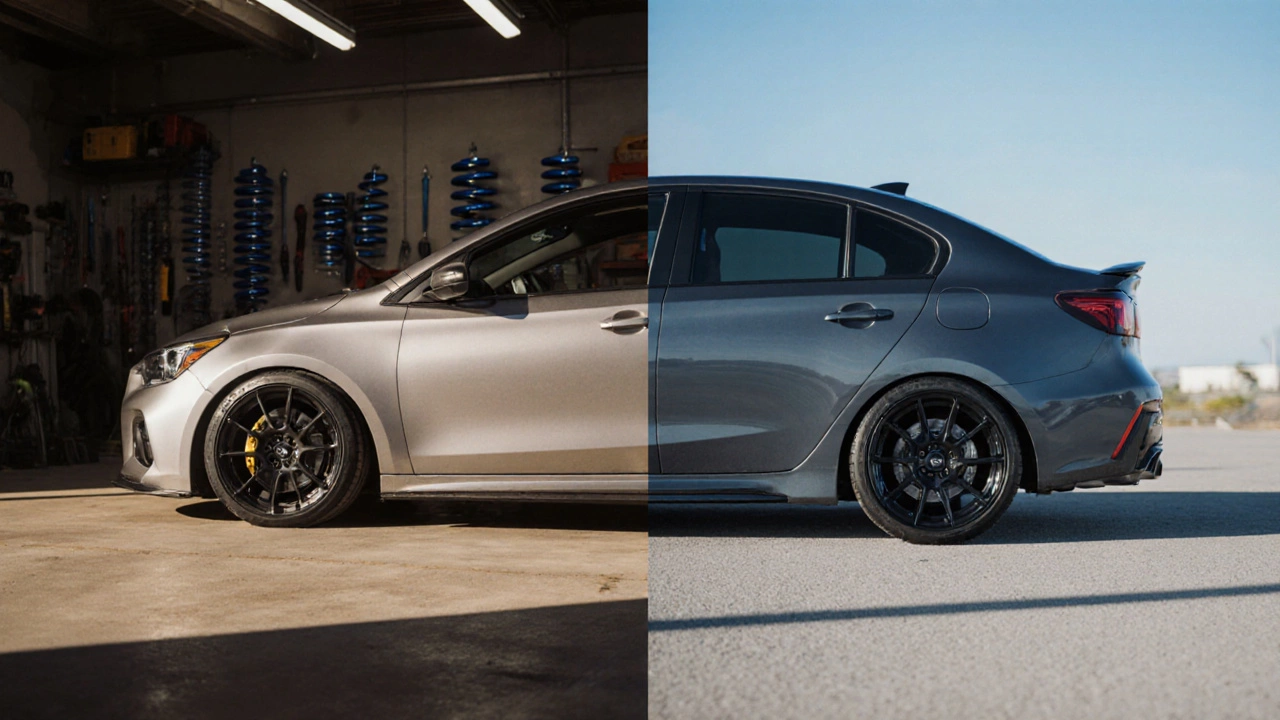
When working with lower car height, the process of reducing a vehicle’s ride height for better handling and a sportier look. Also known as car lowering, it blends styling ambitions with engineering tweaks. Below you’ll find the basics you need before you start hunting for parts.
Key Parts That Make the Difference
Most owners start with lowering springs, stiffer spring coils that shave a few centimeters off the factory ride height. They’re cheap, easy to bolt on, and give an instant visual boost. If you crave more adjustability, coilover suspension, a shock‑spring unit that lets you fine‑tune height and damping is the go‑to solution. Both options demand a look at suspension geometry, the angles and lengths that dictate tire contact, handling balance, and wear patterns. Ignoring geometry can turn a sleek stance into uneven tire wear or a clipped bumper.
While springs do the heavy lifting, wheel spacers play a supporting role. They push the wheels outward, filling the visual gap left by a lower chassis and improving track width. However, spacers also alter scrub radius, so pairing them with a proper alignment check is vital. This ties back to the geometry point – every millimeter you move matters for handling and safety.
Beyond the mechanical side, styling accessories like body kits and lowered fender flares complete the look. A well‑designed body kit not only hides the new low stance but can also improve aerodynamics. Remember, many of the posts on our site discuss how body modifications affect legal limits, insurance, and everyday drivability – all factors you’ll want to weigh before committing.
Installation isn’t just a weekend DIY for every driver. If you’re new to suspension work, start with the simplest route: replace the factory springs with lowering springs and get a professional alignment. For enthusiasts who love tweaking, coilovers give the room to experiment, but they also require more knowledge about preload, damping settings, and spring rates. Our guide on performance air filters shows that even small airflow changes can affect engine response, a reminder that any modification can ripple through the car’s systems.
Finally, keep an eye on maintenance. Lowered cars often see more stress on bushings, mounts, and wheel bearings. Regular inspections, as highlighted in our wheel spacer safety articles, will catch wear before it becomes a costly repair. By understanding how each component interacts – springs set the height, coilovers add adjustability, geometry keeps the car Balanced, and spacers finish the stance – you’ll be able to lower your car confidently and keep it road‑legit.
Now that you’ve got the core concepts, the articles below will walk you through specific parts, installation tips, legal considerations, and real‑world performance results. Dive in to find the exact guidance you need for your lowering project.
Lowering Springs Only: Can You Drop Your Car’s Ride Height?
Learn if just swapping to lowering springs can drop your car, how much height you’ll lose, pros and cons, installation steps, and when extra adjustments are needed.