Night Driving Headlights: How to Stay Bright, Safe, and Legal
When you think about night driving headlights, the lighting system that lets you see the road after dark. Also known as nighttime headlights, they encompass brightness regulations that vary by region. LED headlight bulbs, high‑efficiency light sources that produce a bright, white beam are a popular upgrade because they influence night driving visibility. Meanwhile, legal brightness limits, the maximum lumen output allowed on public roads keep you from dazzling other drivers. Finally, proper headlight alignment, the precise aim of each headlight relative to the road surface ensures the beam covers the right distance without blinding on‑coming traffic. If you want to get the most out of your night driving headlights, keep reading.
Key Factors for Safe Night Driving
The first decision most owners face is choosing a bulb type. Halogen bulbs are cheap and easy to replace, but they fade quickly and produce a warmer hue that can wash out at higher speeds. HID (High‑Intensity Discharge) units deliver a powerful bluish light but often require ballasts and may be illegal in some areas if they exceed the approved output. LED bulbs strike a balance: they stay bright for years, consume less power, and fit most standard housings. When picking LEDs, check the wattage and beam pattern to match or stay below your local regulatory limits.
Legal brightness isn’t just a number on the box; it’s enforced through standards like the ADR in Australia or DOT in the US. Exceeding these limits can lead to fines, failed inspections, or even a revoked registration. Most manufacturers list their compliance on the product page, so look for terms like “ADR‑approved” or “DOT‑legal.” If you’re unsure, a quick call to your local transport authority can confirm the maximum candela or lumen rating allowed for your vehicle’s make and model.
Even the best bulbs won’t help if they’re misaligned. A headlight that points too high blinds on‑coming drivers, while one that’s too low reduces your reaction time to obstacles. The alignment process usually involves parking on a level surface, measuring the distance from the ground to the center of the headlight, and adjusting the mounting screws until the beam hits the prescribed horizontal line on a wall or garage door. Many auto shops offer a free alignment check when you buy new bulbs, but it’s simple enough to do at home with a tape measure and a flat wall.
Beyond bulbs and alignment, consider how other accessories affect night visibility. Anti‑glare coatings on windshields, clean lenses, and properly weighted mirrors can all improve the overall light output. Some drivers add auxiliary fog lights or daytime running lights, but make sure they’re wired correctly and don’t interfere with the main beam pattern. Finally, remember that driving habits matter: reduce speed on winding roads, keep a safe following distance, and use high beams only when no on‑coming traffic is present.
All these points—bulb choice, legal limits, and alignment—create a roadmap for anyone looking to upgrade their night driving headlights safely. Below you’ll find a curated collection of articles that dive deeper into each of these areas, offering test data, step‑by‑step guides, and expert tips to help you keep the road ahead clear and compliant.
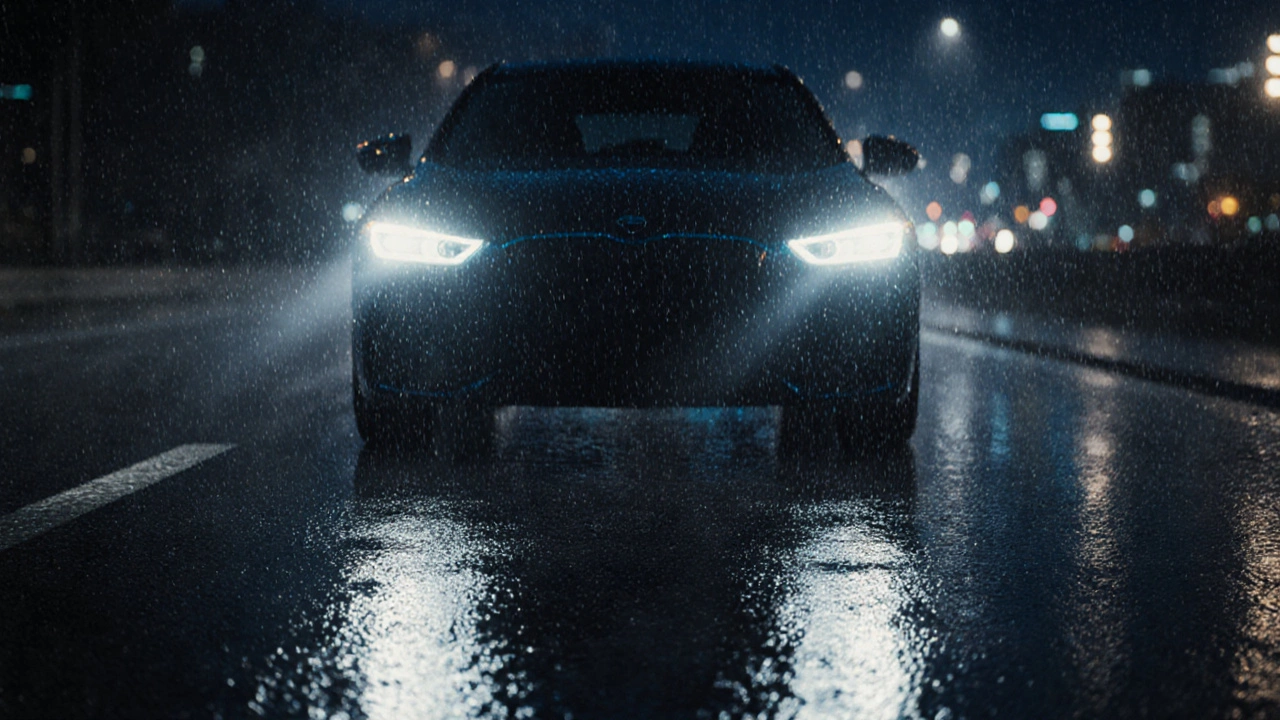
Best Headlights for Night Driving in Rain - Guide & Top Picks
Discover which headlights shine brightest in rainy night driving. Compare LED, HID, halogen and laser options, learn key performance metrics, and get top picks for every budget.