Wheel Crack Repair: Fixing Rim Cracks and Staying Safe
When working with wheel crack repair, the process of restoring a cracked rim to its original strength and look. Also known as rim crack restoration, it requires proper assessment, material choice, and finishing techniques. The practice is closely linked to alloy wheels, which are popular for their light weight but can be vulnerable to cracks if stressed.
Another key player is wheel spacers. Installing spacers changes the load path on the rim, often increasing stress and making cracks more likely. Good wheel maintenance—regular cleaning, inspection, and correct torque—helps catch small hairline cracks before they spread. When you combine proper maintenance with awareness of tire wear, you reduce the chance that uneven forces will bite into the rim and cause damage.
Why Cracks Appear and How to Prevent Them
Most cracks start on the wheel’s edge where impacts from potholes, curbs, or hard braking concentrate. The material’s fatigue life is shortened if the rim is repeatedly overloaded, especially on alloy wheels that lack the forgiving flexibility of steel. Installing wheel spacers without adjusting the wheel alignment can push the tire further out, creating a larger lever arm that puts extra pressure on the rim’s bead seat. This extra pressure often shows up as stress fractures that grow over time.
In addition, poor wheel maintenance amplifies the problem. Low‑pressure tires increase sidewall flex, which forces the rim to bend more with each turn. That flex, combined with a small existing crack, can cause the crack to widen rapidly. Regularly checking tire pressure, rotating tires, and ensuring the wheel nuts are tightened to the manufacturer’s spec are simple steps that dramatically cut the risk of a crack forming.
When a crack does appear, the repair process typically follows three steps: assessment, repair, and finish. Assessment means cleaning the area, probing the crack depth with a drill bit, and deciding whether welding, epoxy filling, or a full rim replacement is needed. Repair often involves sanding the crack, applying a high‑temperature epoxy or welding the metal, then grinding the area smooth. Finally, finishing includes priming, painting, and clear‑coating to protect the metal from moisture and road salts. Each step must match the wheel’s material—steel, forged aluminum, or cast alloy—to ensure the repair holds under real‑world loads.
Below you’ll find a curated set of articles that dive deeper into each of these aspects. Whether you’re looking for the science behind alloy wheel strength, the legal limits of wheel spacers, or step‑by‑step guides for crack sealing, the collection covers the full spectrum. Use this overview to spot the topics that matter most to your ride, then explore the detailed posts for hands‑on advice and expert tips.
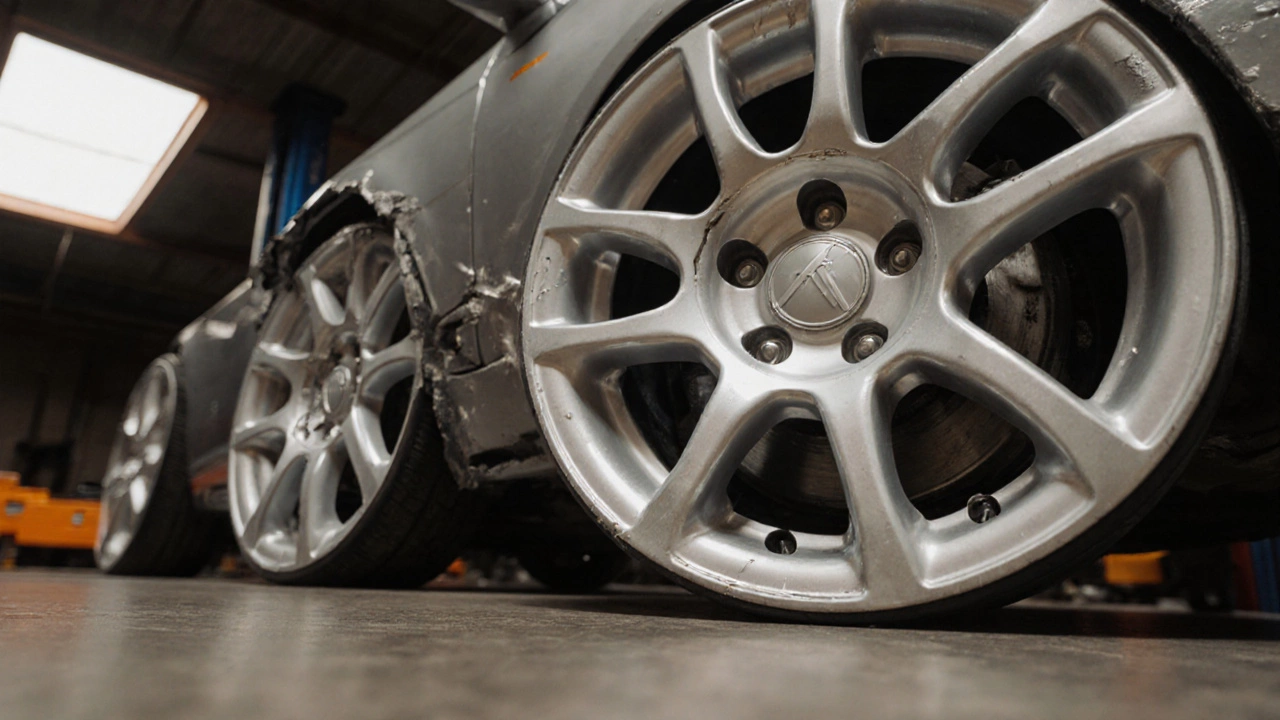
DIY Alloy Wheel Repair: Step‑by‑Step Guide
Learn how to fix bent rims, curb rash, and small cracks on alloy wheels yourself with step‑by‑step instructions, tools, safety tips, and a DIY vs professional comparison.