Window Tinting: What You Need to Know Today
Thinking about adding tint to your car windows? You’re not alone. People love tint for privacy, UV protection, and a cooler interior. But before you roll up a film, there are a few things you should understand: how tint ages, what the law says, and how to keep it looking sharp.
Why Tint Fades and How to Stop It
One common worry is whether the tint will fade in the sun. The short answer: good quality tint can last years, but cheap films often turn hazy after a short time. Sunlight contains UV rays that break down the dyes in low‑grade films. To avoid fading, pick a tinted film with built‑in UV blockers and a high shade rating that matches your climate.
Once you’ve installed the right film, protect it with a regular cleaning routine. Use a mild soap and a soft cloth—no abrasive pads or ammonia‑based cleaners. A quick rinse with water after a rainy day helps wash away grit that can scratch the surface.
Legal Limits You Can’t Ignore
Every state has its own rules about how dark you can go. In Virginia, for example, the front side windows can only be tinted up to 35% VLT (visible light transmission). The rear windows and back glass can be darker, but the windshield must stay mostly clear. Getting a ticket for illegal tint isn’t worth the hassle, so check your local regulations before you buy.
If you’re not sure where you stand, look for a tint certification label on the film package. Reputable sellers will provide a compliance sticker that lists the VLT percentage. Keep that sticker visible; police officers often ask to see it during a roadside stop.
Now that you know the law, let’s talk about picking the right shade. A 20% tint looks sleek but may be illegal on front windows in many places. A 50% tint offers a good balance of privacy and legality for most states. Use a tint calculator online to match the VLT to your state’s requirements.
Finally, remember that tint isn’t just about looks. It blocks up to 99% of harmful UV rays, protecting your skin and preventing the car’s interior from cracking or fading. That means your dashboard, seats, and even your paint stay newer longer.
In short, choose a high‑quality film with UV protection, follow a gentle cleaning routine, and double‑check the legal limits in your area. With those steps, you’ll enjoy cooler rides, added privacy, and a lasting look for years to come.
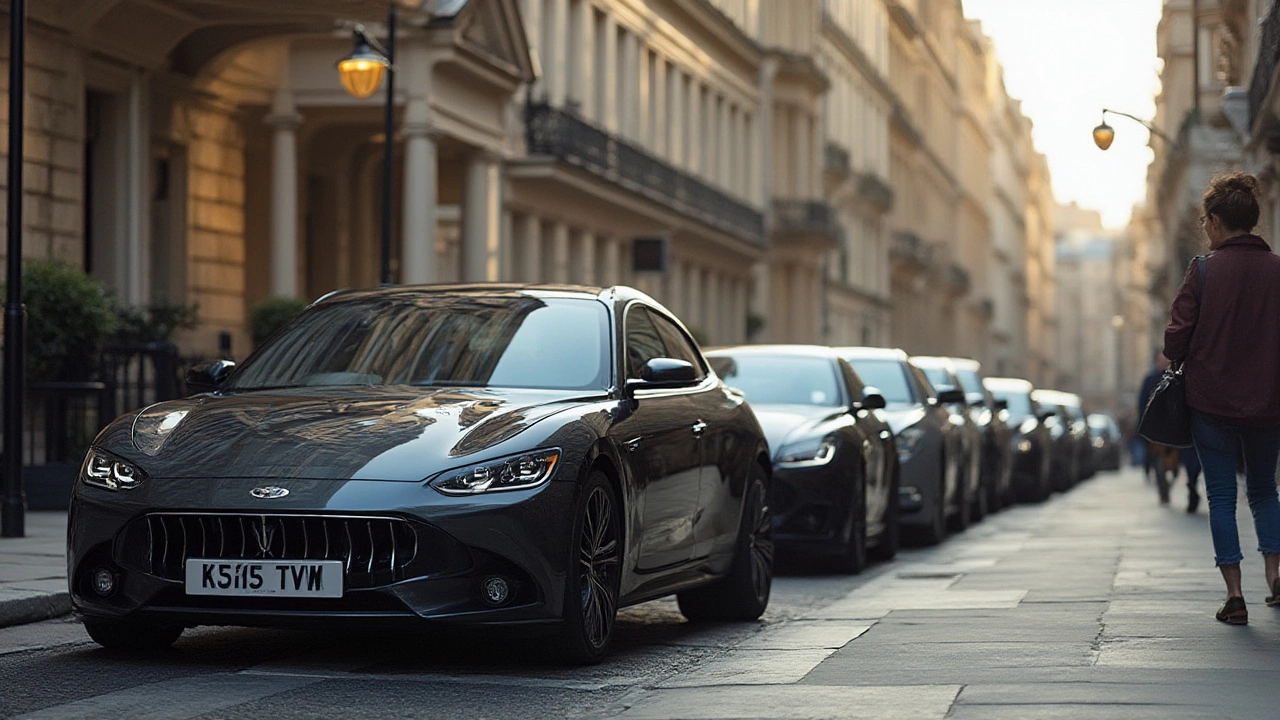
Best Car Tint: Choosing the Right Window Tint for Privacy, UV Protection, and Heat Control
Not all car tints are created equal. Find out which window tint is best for your ride for privacy, UV protection, heat reduction, and a sharp look.
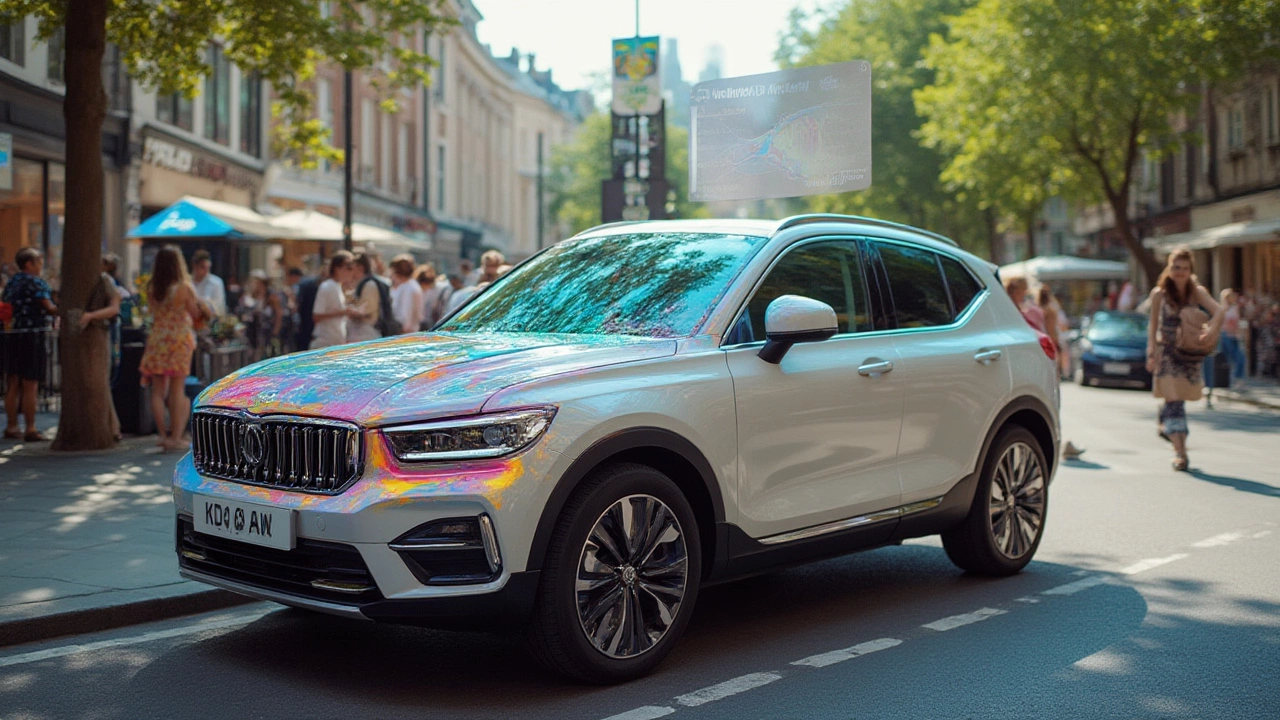
Ceramic Tint: How It Transforms Car Comfort, Style & Heat Protection
Does ceramic tint actually keep your car cooler and improve comfort? We dig deep with real facts, simple tips, and what makes ceramic tint different from regular tints.
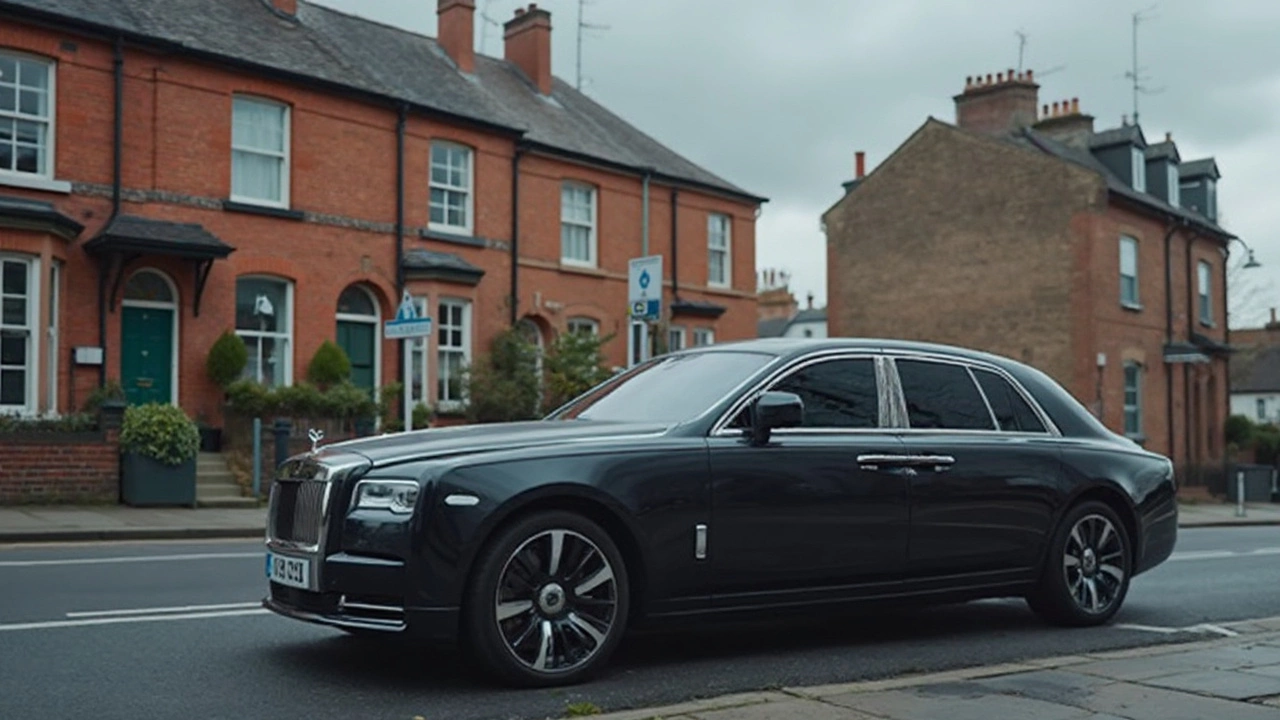
Window Tint Percentage: What's the Most Popular Choice?
Curious about the best window tint percentage for your ride? This article breaks down the most popular options, reveals why 35% is king, and shows what you need to know before tinting. We'll cover how to balance looks, privacy, and legal rules, along with handy tips for getting it done right. If you're thinking about tinting your windows, here's what will really work for most drivers.
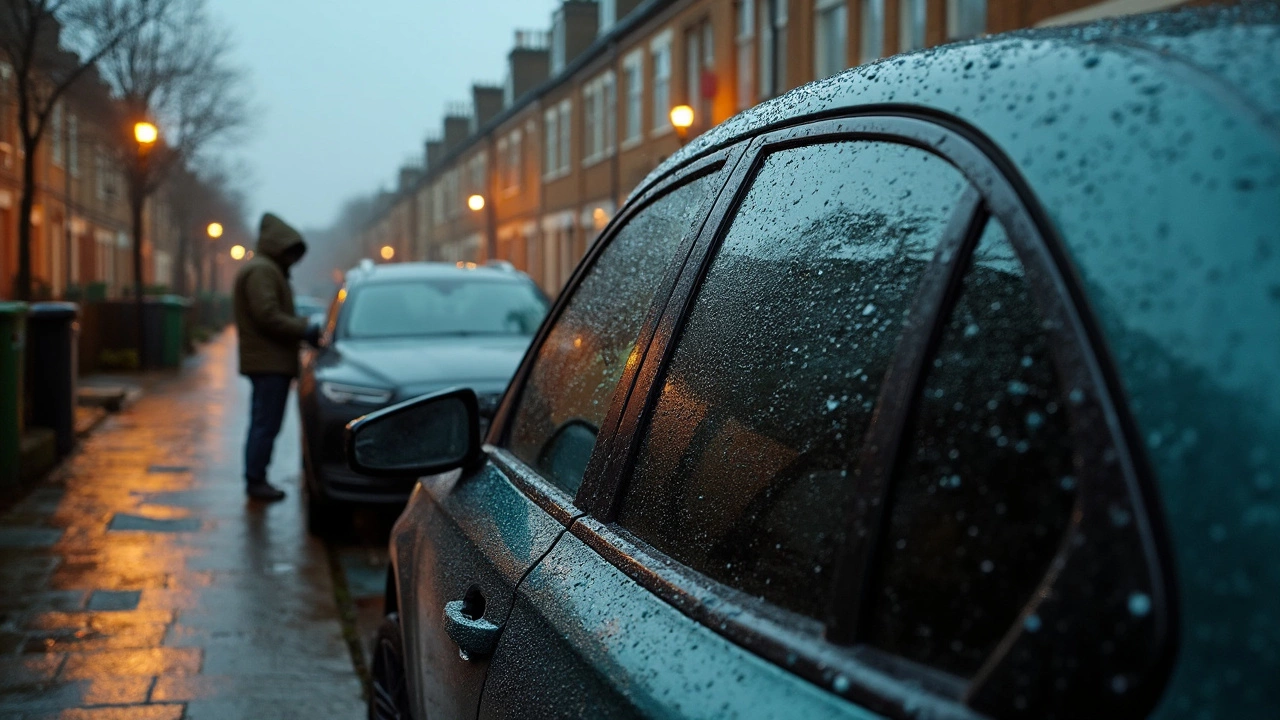
Is Tinting Over Tint Bad? Get the Real Answers
Ever wondered if you can slap a new tint over your old one? This article digs into what really happens when you double up on tint, from common issues to legal pitfalls. You’ll get practical tips, real-world advice, and what to consider before layering tint. We’ll dive into installation challenges and long-term effects. If you care about your car’s looks and staying legal, this one’s for you.
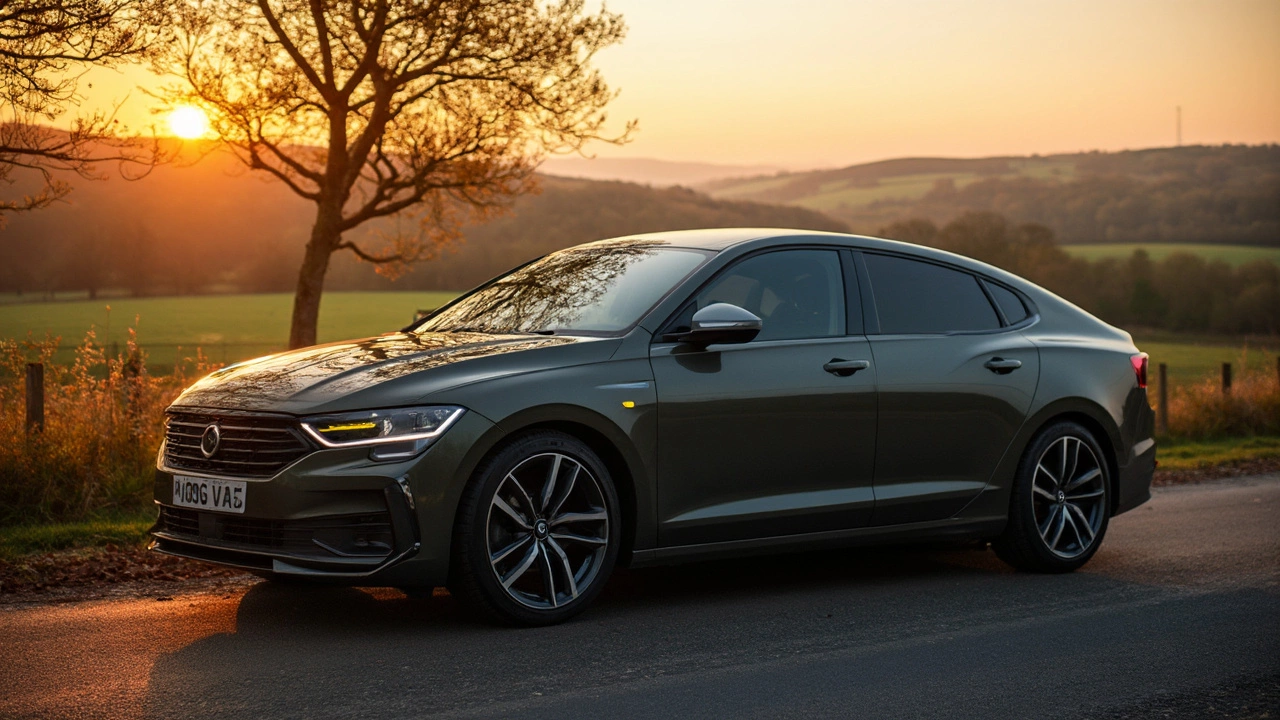
What Does 70 Tint Look Like on Windows?
Ever wondered how 70 tint actually looks on your car windows? This article explores the ins and outs of 70% window tint, explaining its appearance, benefits, and legalities. We’ll delve into why more people are choosing it, what it offers in terms of privacy, and how it hits that sweet spot between functionality and aesthetics. Whether you're looking into tinting for the first time or considering a change, this guide will help you understand if 70 tint is right for you.
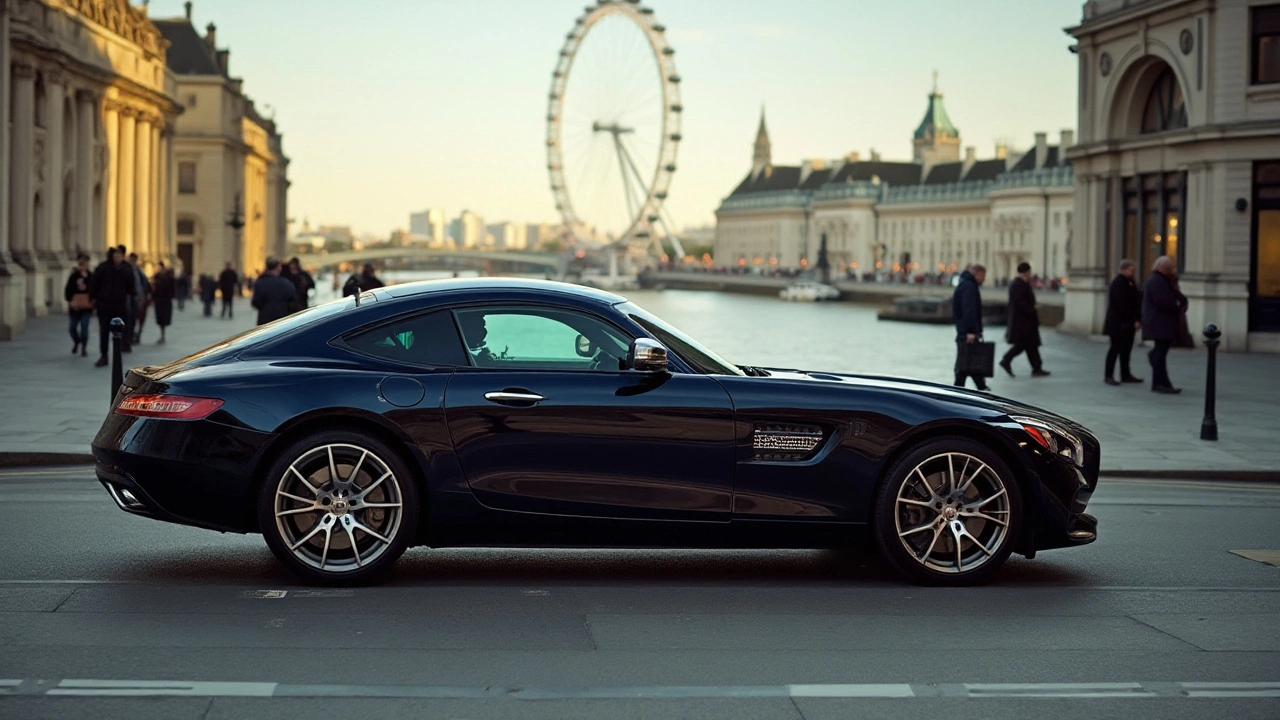
Choosing Between 20% and 35% Window Tint: Which Is Best for You?
Choosing the ideal window tint for your car involves understanding the benefits and drawbacks of different tint levels. While 20% tint offers enhanced privacy, it might limit visibility during night driving. On the other hand, 35% tint provides a balanced approach, allowing considerable light while maintaining essential privacy. The decision depends on personal preferences and the specific needs of the driver. Explore the various aspects to make an informed choice.

Understanding 20 Tint: How Dark Is It and What You Need to Know
20% window tint is a popular choice for those seeking privacy and sun protection in their vehicles or homes. This level of tint allows 20% of visible light to pass through, offering a balance between visibility and darkness. It's important to consider both legal regulations and practical considerations, like nighttime driving visibility, when choosing tint levels. Exploring the benefits and potential drawbacks of 20% tint can help in making an informed decision.