North Carolina Window Tint Legality Checker
Input Settings
Check Status
Adjust settings to see resultsPlease select your window location and adjust the slider to determine legality.
Potential Consequences:
- ❌ Fine: $50 - $100 Class 3 Misdemeanor
- ❌ Inspection: May fail annual vehicle inspection
- ❌ Removal: Cost to remove/reinstall ($100-$300)
Getting pulled over for your window tint is one of the most annoying experiences you can have on the road. You’re cruising along, feeling cool and private, only to see blue lights flash in your rearview mirror because your windows are too dark. In North Carolina, the rules around window film are specific, strictly enforced, and often misunderstood. If you live here or plan to drive through the state, knowing exactly what is legal tint in NC isn’t just about avoiding a ticket-it’s about staying safe and keeping your wallet intact.
The good news? North Carolina actually has some of the more relaxed tint laws in the country, especially compared to states with zero-tolerance policies. But "relaxed" doesn't mean "anything goes." There are strict limits on how much light your front side windows can block, and there are specific rules for windshields and medical exemptions. Let’s break down the current regulations so you know exactly where the line is drawn.
Understanding Visible Light Transmission (VLT)
Before we look at the specific numbers, you need to understand the metric that determines legality: Visible Light Transmission, commonly referred to as VLT. This percentage measures how much visible light passes through your glass. A higher number means lighter tint; a lower number means darker tint. For example, 70% VLT lets in 70% of the light, while 5% VLT (often called "limo tint") blocks almost everything.
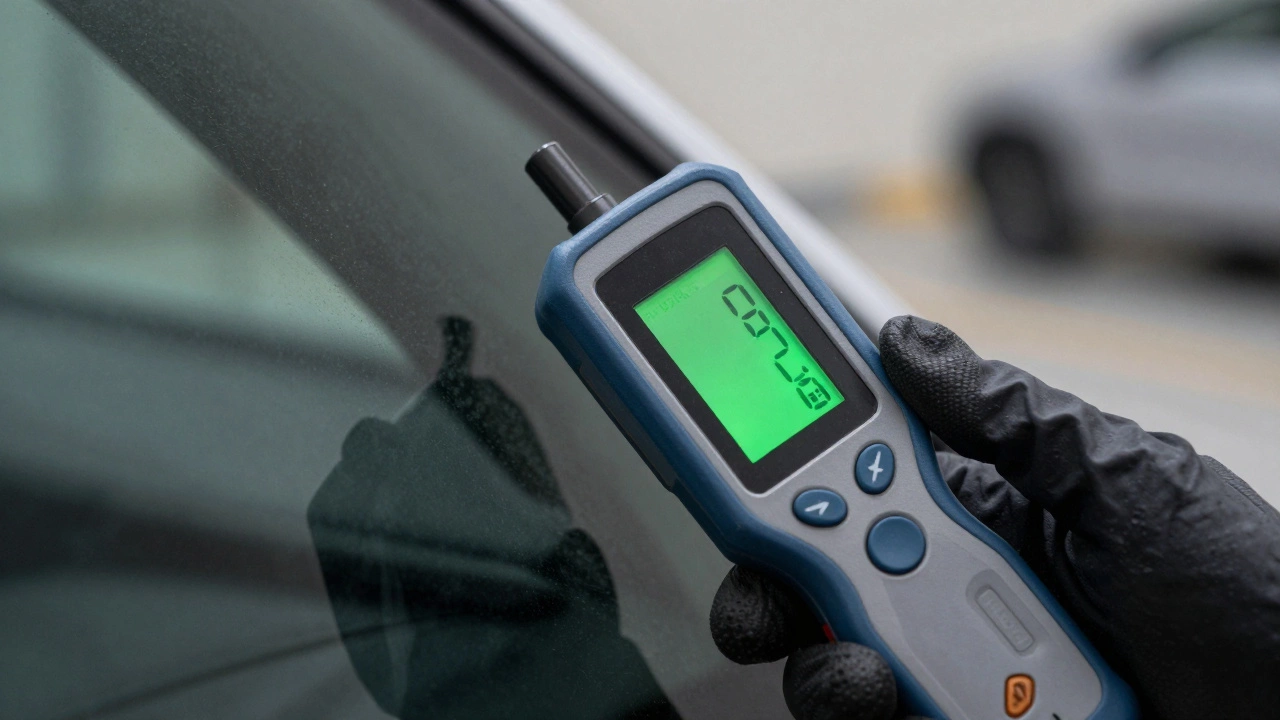
In North Carolina, the law focuses heavily on driver visibility. The Department of Motor Vehicles (DMV) and local law enforcement use handheld devices to measure this transmission rate during traffic stops. If your tint falls below the legal threshold, you will receive a citation. It is crucial to remember that these measurements are taken from the outside of the vehicle, looking in.
- 100% VLT: No tint at all (clear glass).
- 50% VLT: Moderate tint, noticeable but not dark.
- 35% VLT: Darker tint, common for privacy on rear windows.
- 5% VLT: Very dark, typically illegal on any driving surface.
Front Side Windows: The Strict Limit
This is where most people get into trouble. In North Carolina, the front side windows-meaning the driver’s window and the front passenger’s window-must allow more than 35% of light in. This means you cannot apply tint that blocks more than 65% of the light. To put it simply, your front side windows must be relatively clear.
Why is this rule so strict? Safety. Police officers need to be able to make eye contact with drivers during traffic stops. Additionally, emergency responders need to see inside the cabin quickly if an accident occurs. While many drivers prefer darker tint for heat rejection and UV protection, the state prioritizes visibility. If you install 20% or 15% tint on your front doors, you are illegally modifying your vehicle under NC General Statute § 20-19.4.
| Window Location | Legal VLT Limit | Notes |
|---|---|---|
| Windshield | Non-reflective tint on top 5 inches | No tint allowed on the rest of the windshield |
| Front Side Windows | More than 35% VLT | Driver & Front Passenger doors |
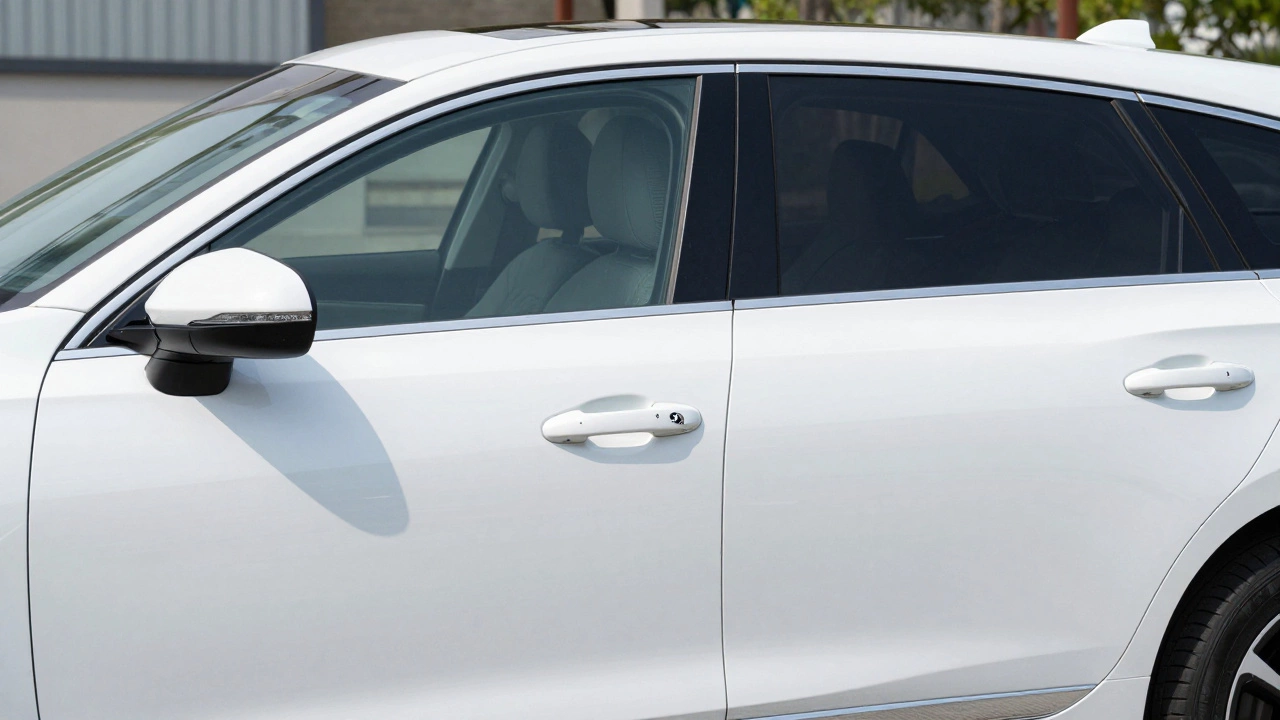
| Rear Side Windows | Any darkness | Back doors and quarter panels |
| Rear Window | Any darkness | Must have dual side mirrors if tinted |
Rear Windows and Windshields: More Freedom
If you want true privacy and maximum heat rejection, your best bet is the back of the car. North Carolina allows any level of darkness on the rear side windows and the rear windshield. Whether you choose 5% limo tint or 20% ceramic film, it is completely legal as long as it is on the back half of the vehicle.
However, there is one catch for the rear windshield: if you tint it, your vehicle must be equipped with both a left-side and a right-side exterior mirror. Most modern cars come with this standard, so this rarely affects new vehicles, but it is something to check if you are restoring an older classic car.
For the front windshield, the rules are tighter. You are only allowed non-reflective tint on the top five inches of the glass. This area is often called the "AS-1 line" or the "eyebrow." Anything below this five-inch band must remain clear. This prevents glare from affecting other drivers while allowing you to reduce sun glare hitting your eyes directly.
Medical Exemptions in North Carolina
Life circumstances change, and sometimes health conditions require extra protection from sunlight. North Carolina offers a medical exemption for individuals who are photosensitive due to their condition or medication. If you qualify, you can legally install darker tint on your front side windows, bypassing the 35% VLT rule.
To get this exemption, you need a letter from a licensed physician stating that your medical condition requires the tint. You then submit this documentation to the NC DMV. Once approved, you will receive a special decal or documentation to keep in your vehicle. Without this official paperwork, police officers have no way of verifying your claim, and they will issue a ticket regardless of your personal situation.
Penalties and Enforcement
So, what happens if you cross the line? In North Carolina, illegal window tint is classified as a Class 3 misdemeanor. The fine typically ranges from $50 to $100, depending on the county and whether you have prior offenses. However, the cost isn't just monetary. You may also be required to remove the tint entirely to pass your annual vehicle inspection.
Enforcement varies by officer and region. Some rural areas might let you slide with a warning, while urban centers like Charlotte or Raleigh tend to be stricter. During statewide safety initiatives or DUI checkpoints, officers are more likely to scrutinize window tint levels. It is never worth risking a citation, especially when professional installation ensures compliance from day one.
Choosing the Right Film Type
Not all tint is created equal. When selecting film for your vehicle, consider the material composition. Dyed film is the cheapest option but fades over time and offers less heat rejection. Carbon film provides better durability and a matte finish without interfering with electronic signals. Ceramic film is the premium choice, offering superior heat rejection and UV protection without needing to be very dark to be effective.
Since you are limited to 35% VLT on the front sides, investing in high-quality ceramic or carbon film makes sense. These materials block infrared heat even at lighter shades, giving you comfort without breaking the law. Avoid metallic films if you rely heavily on GPS, radio, or cell phone signals, as metal particles can interfere with connectivity.
Installation Tips for Compliance
If you are installing tint yourself, accuracy is key. Use a reliable tint meter to test your film before applying it. Remember that factory glass already absorbs some light. If your stock glass is 85% VLT and you apply 50% film, the combined result might be closer to 40-42%, which could still be borderline or illegal depending on measurement variance. Professional installers account for this absorption rate, ensuring the final product meets the >35% requirement.
Also, ensure the edges are sealed properly. Peeling edges can scatter light and affect VLT readings. Keep your tint clean and avoid using ammonia-based cleaners, which can damage the adhesive and cause bubbling.
Can I put 20% tint on my front windows in NC?
No, 20% tint is illegal on the front side windows in North Carolina. The law requires that front side windows allow more than 35% of light to enter. 20% tint blocks too much light and will result in a citation.
Is 35% tint legal on front doors in NC?
Technically, the law states "more than 35%" VLT. This means 35% itself is often considered illegal or borderline. To be safe, aim for 38% or 40% VLT on your front side windows to ensure you are clearly above the legal threshold.
Do I need a medical exemption for darker tint?
Yes, if you want to go darker than 35% VLT on your front side windows, you must obtain a medical exemption from the NC DMV supported by a doctor's note. Without it, any tint below 35% is illegal.
How much does it cost to fix illegal tint in NC?
The fine for illegal tint is usually between $50 and $100. However, if you fail your vehicle inspection, you may need to pay for removal and reinstallation, which can cost $100-$300 depending on the shop and vehicle size.
Can I tint my rear windows any color I want?
You can choose any darkness level for rear side windows and the rear windshield. However, reflective or mirrored tints are generally prohibited across all windows in North Carolina to prevent glare hazards for other drivers.