Window Tint Curing & Care Tracker
Current Stage Instructions
Safety Checklist
You just rolled out of the shop with fresh window tint on your car. It looks sharp, cuts the glare, and finally gives you that privacy you wanted. But here is the hard truth: the job isn't actually done when you leave the counter. The film is still wet, sticky, and incredibly fragile. One wrong move in the next few days can turn a perfect install into a bubbled, peeling mess that costs hundreds to fix.
I’ve seen too many people ruin their brand-new tint because they didn’t know the rules. Maybe you rolled down the window by accident. Maybe you used the wrong cleaner. Or maybe you just ignored the little slip of paper the installer handed you. This guide covers exactly what not to do with new tint so you can protect your investment and keep those windows looking flawless for years.
The Golden Rule: Don’t Touch the Windows Too Soon
The biggest mistake people make is thinking the tint is ready to go immediately after installation. It’s not. Most standard dyed or carbon tints need at least three to five days to fully adhere to the glass. Ceramic tints, which are thicker and denser, can take up to two weeks. During this curing period, water trapped between the film and the glass needs to evaporate. If you interfere with this process, you trap moisture permanently, leading to bubbles that never go away.
Do not roll down your windows during the curing time. This is rule number one. Even rolling them down an inch can break the seal along the edges. Once that edge lifts, dust gets in, and the film starts to peel from the corner. It’s a domino effect that usually requires removing the entire sheet and starting over. If you have automatic windows, disable the auto-down feature if possible, or just be hyper-aware every time you press the button.
If you live in Adelaide, where summer heat can bake the interior of your car, the temptation to crack a window open is real. Resist it. Park in the shade instead. The heat helps the curing process, but direct, intense sunlight without airflow can sometimes cause uneven drying if the car is sealed tight for days on end. A garage or shaded spot is ideal for the first 48 hours.
Cleaning Mistakes That Ruin Film
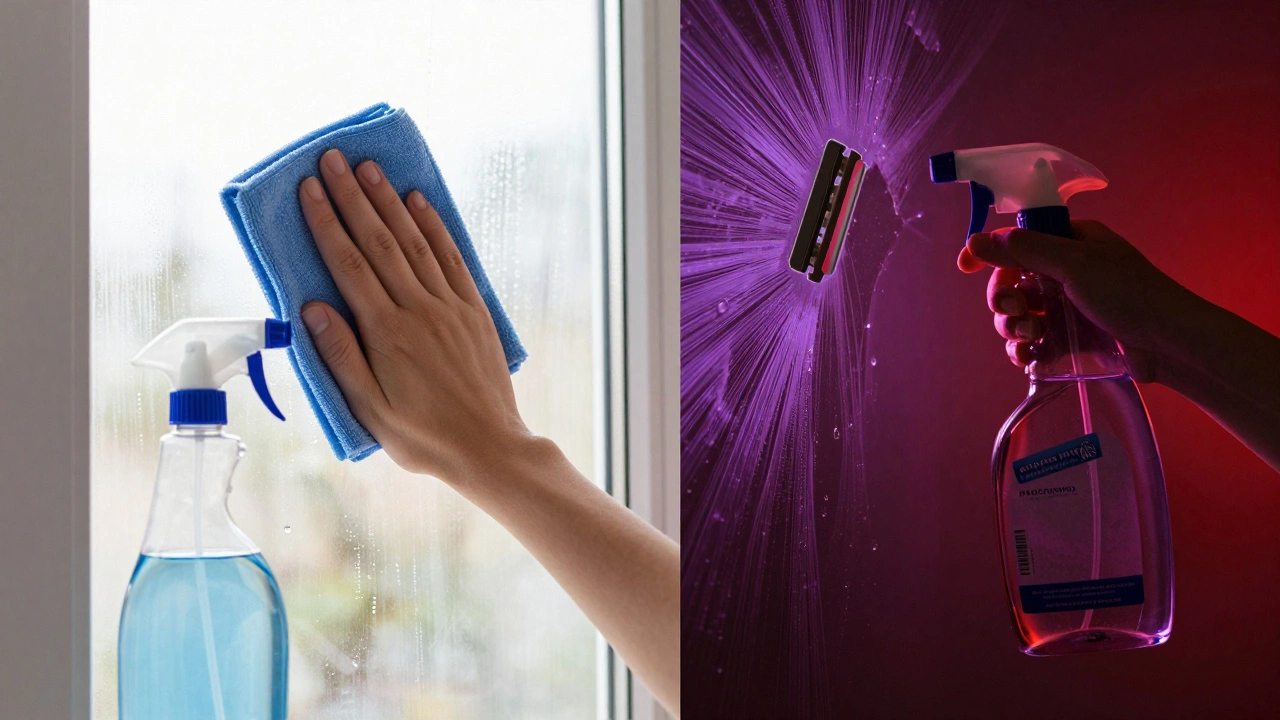
Once the curing period is over, how you clean your windows matters just as much. Many people grab their usual all-purpose glass cleaner and start spraying. Stop right there. Most commercial glass cleaners contain ammonia. Ammonia is the enemy of window tint. It breaks down the adhesive layer and causes the film to discolor, turning it purple or blue over time. It also dries out the film, making it brittle.
Do not use ammonia-based cleaners, razor blades, or abrasive sponges. Instead, mix a solution of mild dish soap and warm water. Use a soft microfiber cloth or a non-abrasive sponge. Spray the cleaner onto the cloth, not directly onto the window. Spraying directly can force liquid under the edges of the film, especially if the seal isn't 100% perfect yet. Gently wipe the surface in a circular motion. For stubborn spots, let the soapy water sit for a minute to loosen the grime before wiping.
Here is a quick checklist for safe cleaning:
- Use only ammonia-free cleaners.
- Avoid wiper blades for the first week; they can drag dirt across the delicate film.
- Don’t use stiff bristle brushes.
- Pat dry with a clean microfiber towel to avoid streaks.
Hardware and Accessories: Proceed With Caution
If your car has rear-window defrosters (those horizontal lines etched into the glass), you need to be extra careful. These lines are conductive heating elements embedded in the glass. When the tint was applied, the installer likely had to cut slits in the film to ensure the defroster works. These cuts are weak points.
Do not scrub aggressively over defroster lines. Use a gentle hand and avoid pressing hard on those specific areas. Over time, the film around these cuts may shrink slightly, which is normal, but aggressive cleaning can widen the gaps or lift the edges.
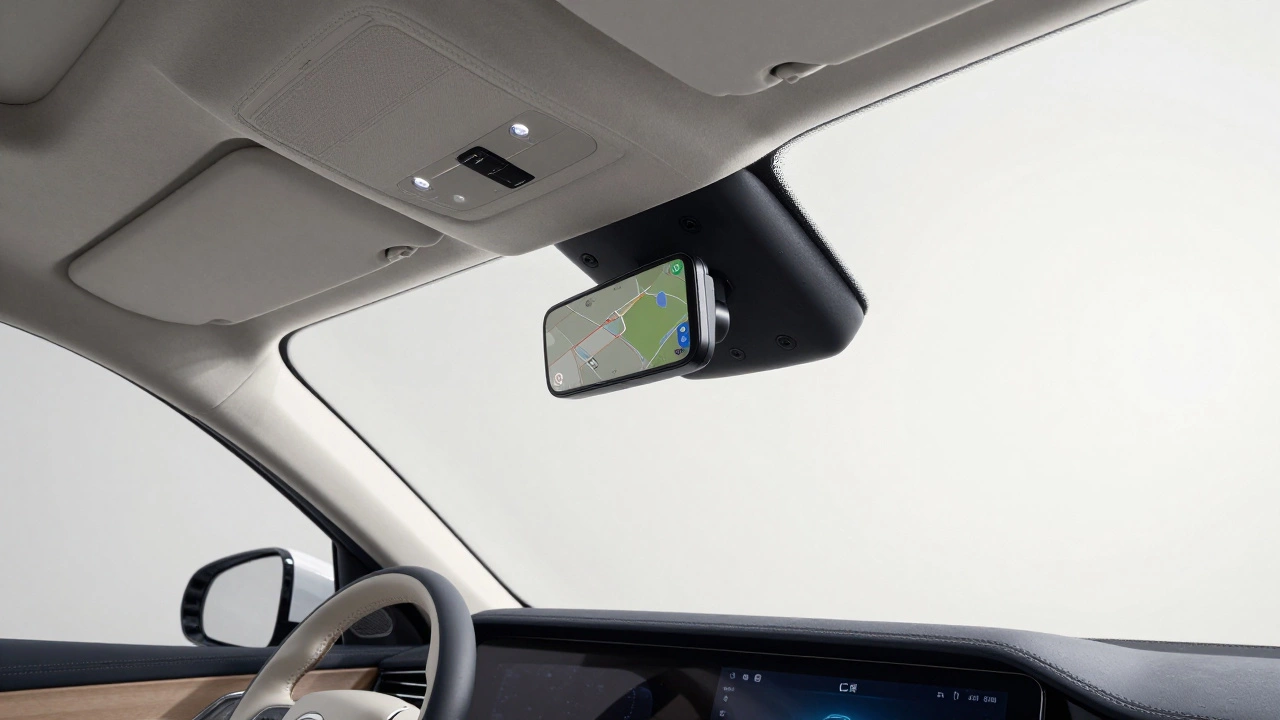
Another common issue involves suction cup accessories. We all love mounting our GPS units, dashcams, or air fresheners using strong suction cups. However, placing these on newly tinted windows can pull the film away from the glass. The vacuum pressure creates a stress point. If you must use a suction cup, wait at least two weeks after installation. Better yet, mount your devices on the windshield header or dashboard rather than the side or rear windows.
Environmental Hazards to Avoid
Your car lives outside, and the environment is harsh. While you can’t control the weather, you can control how you react to it. Bird droppings and tree sap are acidic. If they land on your tinted windows, they can eat through the protective coating of the film if left too long. This results in permanent white spots or cloudy patches.
Do not ignore bird droppings. Remove them as soon as you see them. Soak the area with water first to soften the mess, then gently wipe it away. Never scrape dried droppings off with a fingernail or a key; you will scratch the film instantly.
Parking habits also play a role. Parking directly under trees might seem like a good idea to keep the car cool, but falling branches or heavy sap drops can damage the exterior. Similarly, parking too close to other cars increases the risk of door dings, which can crack the glass beneath the tint. Cracked glass means the tint is compromised and needs replacement.
Understanding the Curing Process and Bubbles
It’s normal to see small water spots or faint cloudiness in the first few days. This is called "water spotting" or "curing haze." It’s just the moisture evaporating. Do not panic and try to pop these bubbles yourself. Poking them with a pin or needle introduces bacteria and dust, and often makes the hole larger. Let nature take its course. In most cases, these spots disappear within a week.
However, if you see large, distinct bubbles that look like air pockets rather than water, or if the edges of the film are lifting significantly, contact your installer immediately. Most reputable shops offer a warranty against workmanship defects. If you wait too long, they might deny the claim because they assume you damaged it through improper care.
| Mistake | Consequence | Solution / Prevention |
|---|---|---|
| Rolling down windows early | Peeling edges, dust intrusion | Wait 3-5 days (dyed) or 2 weeks (ceramic) |
| Using ammonia cleaners | Discoloration, adhesive failure | Use ammonia-free soap and water |
| Ignoring bird droppings | Permanent etching/cloudiness | Remove immediately with soaked cloth |
| Using suction cups too soon | Lifting film, air bubbles | Wait 2 weeks or mount elsewhere |
| Scratching with razors | Visible scratches, ruined appearance | Use soft microfiber cloths only |
Long-Term Maintenance Tips
After the initial curing phase, your tint is relatively durable, but it’s not indestructible. To keep it looking new for years, establish a routine. Wash your car regularly, but always hand-wash the windows. Automatic car washes with stiff brushes can wear down the outer layer of the film over time, reducing its clarity and UV protection capabilities.
Consider applying a ceramic coating specifically designed for window film. These products add a hydrophobic layer that repels water, dirt, and bugs, making future cleaning easier and reducing the chance of scratches. Just ensure the product is compatible with window tint; some coatings are too harsh for certain types of film.
Finally, inspect your windows periodically. Look for signs of bubbling, peeling, or fading. Early detection allows for minor repairs before the whole panel needs replacement. Remember, quality tint should last 5-10 years depending on the type and climate. Proper care ensures you get the full lifespan out of it.
How long should I wait before rolling down my windows?
You should wait at least 3 to 5 days for standard dyed or carbon tints. For ceramic or metallized tints, which are thicker, wait up to 2 weeks. Rolling them down too soon breaks the adhesive seal, causing the film to peel and allowing dust to get underneath.
Can I use Windex on my tinted windows?
No, you should not use Windex or any cleaner containing ammonia. Ammonia degrades the adhesive and causes the tint to fade or turn purple. Stick to ammonia-free glass cleaners or a mixture of mild dish soap and water.
Why are there bubbles in my new window tint?
Small, cloudy spots are usually water trapped during installation and will disappear as the tint cures (evaporates). Large, distinct air bubbles may indicate poor installation. Do not pop them yourself; contact your installer if they persist after the curing period.
How do I remove bird droppings from tint without damaging it?
Soak the droppings with water or a damp cloth to soften them. Then, gently wipe them away with a microfiber cloth. Never scrape dried droppings, as this will scratch the film. Acidic waste can etch the film if left for extended periods.
Is it okay to use a suction cup mount for my GPS?
It is best to avoid suction cups on newly tinted windows for at least two weeks. The vacuum pressure can lift the film edges. Ideally, mount devices on the dashboard or windshield header to prevent any stress on the side or rear window film.