Widebody Kit Cost & Value Estimator
Configuration
Estimated Total Investment
$2,500 - $3,800
You see them everywhere. That aggressive, flared look that makes a sedan or coupe look like it’s about to take on a rally stage or dominate a drift event. But if you’ve ever looked at the price tag for a proper widebody kit is a set of aftermarket body panels designed to widen a vehicle's track by extending the wheel arches outward., you might have asked yourself: "Is this just for show, or does it actually do anything?" The short answer is yes, but not in the way most people think.
The point of a widebody kit isn't just to make your car look angry. It’s a functional modification that addresses specific mechanical limitations while serving a distinct aesthetic purpose. However, before you drop two grand on fiberglass fenders, you need to understand what you’re actually buying into. It’s not as simple as bolting on some plastic and calling it a day.
The Functional Argument: Why Width Matters
Let’s strip away the style for a second and talk physics. Cars are engineered with specific tolerances. When you upgrade other components-like swapping to wider tires or lowering the suspension-you often hit a wall. Literally. If you put a 265mm tire on a stock Subaru WRX, it will rub against the inner fender liner during hard cornering or when you hit a bump. This rubbing destroys tires, damages suspension components, and creates a loud, annoying slapping noise.
A widebody kit solves this clearance issue. By extending the wheel arches outward, typically by 1.5 to 3 inches per side, you create the physical space needed for:
- Wider Tires: Wider contact patches mean more grip. For track cars or drift machines, this is non-negotiable. You can’t generate lateral G-forces if your tires are scrubbing against metal.
- Larger Brakes: High-performance brake kits often feature larger rotors that don’t fit inside stock wheel wells. A widebody allows these brakes to breathe and function without interference.
- Suspension Geometry: Some extreme coilover setups require more room for the spring perches and shock bodies to move through their full range of motion without binding.
In this context, the widebody kit is an enabler. It allows you to push the rest of your build further than the factory design intended. Without it, your performance upgrades would be physically constrained by the original sheet metal.
The Aesthetic Impact: Stance and Presence
While function plays a role, let’s be honest: aesthetics are usually the primary driver. Car culture has long celebrated the idea of a car looking like it belongs on the track, even if it never leaves the driveway. A widebody kit transforms the silhouette of a vehicle, giving it a planted, aggressive stance.
This visual change is significant. It changes how light hits the car, how shadows fall under the arches, and how the wheels relate to the body lines. For enthusiasts, this is about identity. It signals that the car is modified, cared for, and part of a specific subculture-whether that’s JDM (Japanese Domestic Market) tuning, European motorsport heritage, or American muscle.
However, there’s a fine line between "aggressive" and "tacky." A well-fitted widebody kit integrates seamlessly with the car’s existing lines. Poorly executed kits, often made from cheap materials with bad panel gaps, can ruin the car’s proportions. The goal is harmony, not chaos. If the fenders stick out too far without matching wheel width, the car looks like it’s wearing clown shoes.
Material Science: Fiberglass vs. Polyurethane vs. Carbon Fiber
Not all widebody kits are created equal. The material you choose dictates durability, weight, cost, and installation difficulty. Here’s a breakdown of the common options:
| Material | Durability | Weight | Cost | Best For |
|---|---|---|---|---|
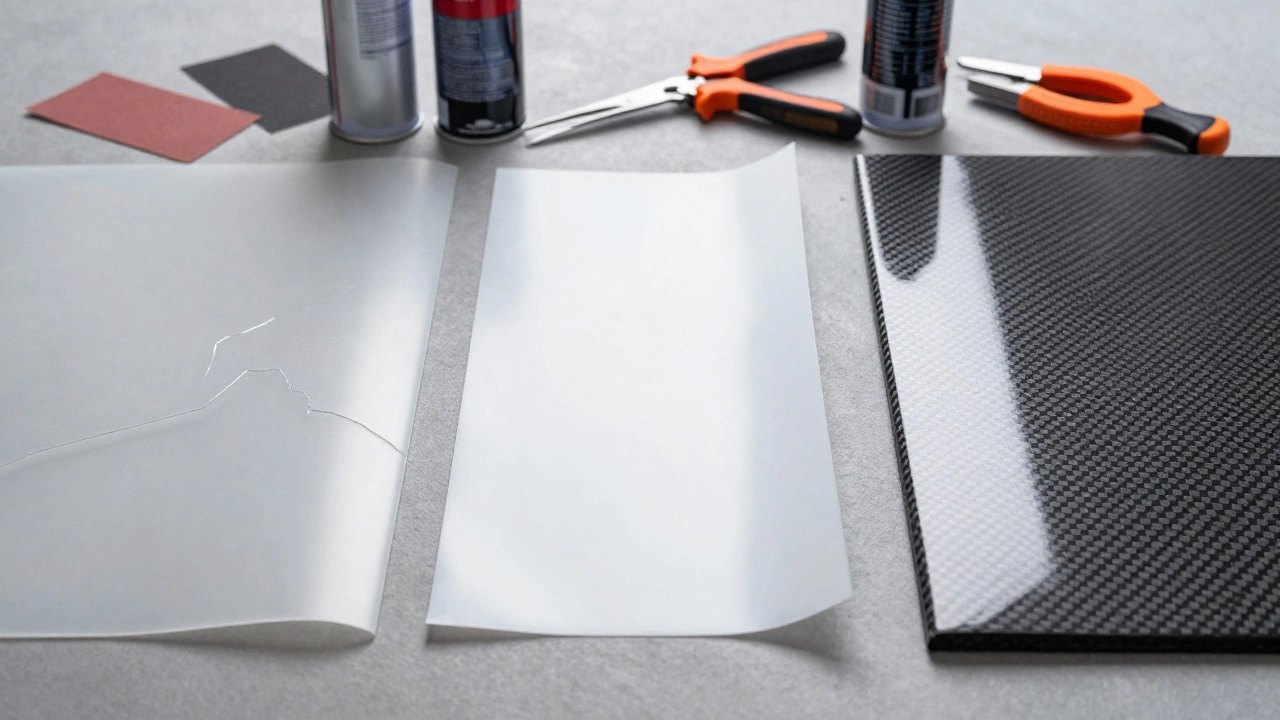
| Fiberglass | Brittle; cracks on impact | Light | $$$ | Show cars, static displays |
| Polyurethane (PU) | Flexible; absorbs minor impacts | Heavier | $$$ | Daily drivers, street use |
| Carbon Fiber | Strong but brittle | Very Light | $$$$$ | Track cars, weight reduction |
| ABS Plastic | Highly durable, flexible | Medium | $$ | Budget builds, OEM+ looks |
If you plan to drive your car daily, avoid fiberglass unless you’re extremely careful. It shatters upon impact. Polyurethane is the sweet spot for most street builds because it flexes slightly when hitting curbs or debris. Carbon fiber is the premium choice for weight savings and exclusivity, but it requires expert finishing and is prone to cracking if struck hard. ABS plastic is gaining popularity for its balance of cost and durability, especially in "OEM+" styles that mimic factory designs.
The Hidden Costs: Installation and Fitment
The sticker price of the kit is only half the battle. Installing a widebody kit is not a plug-and-play job for most people. It requires significant fabrication skills. You’ll likely need to:
- Cut Original Fenders: Most kits require cutting away the original wheel arches to blend the new panels smoothly. This is irreversible.
- Modify Inner Structure: You may need to cut holes in the quarter panels for drainage or access to tie rods.
- Align Panels: Getting perfect gaps and flush surfaces takes hours of sanding, clamping, and test-fitting.
- Paint Matching: Unless you buy pre-painted kits (which are rare and expensive), you’ll need to paint the new panels to match your car’s color code perfectly.
Professional installation can easily double the cost of the kit itself. Labor rates vary, but expect to pay $1,000-$3,000+ depending on complexity. DIY installation saves money but risks poor fitment, which can lead to rattles, wind noise, and water leaks into the cabin or engine bay.
Legal and Insurance Implications
Before you start cutting metal, check your local laws. In many regions, modifying the exterior dimensions of a vehicle affects its legal status. Some jurisdictions require inspections after body modifications. Others have strict rules about overhangs and visibility.
Insurance is another critical factor. Most standard policies cover cosmetic modifications up to a certain limit (often $1,000-$2,500). A full widebody kit with professional install can exceed $5,000. If you get into an accident, your insurer might only reimburse the depreciated value of the parts, not the replacement cost. Consider adding agreed-value coverage or a specialized hobbyist policy if the investment is significant.
Also, remember that a widebody kit doesn’t automatically make your car faster or safer. It’s a modification that changes appearance and enables other upgrades. Don’t assume it improves handling without corresponding suspension, tire, and brake work.

When Does a Widebody Kit Make Sense?
So, who should get one? It depends on your goals:
- Track Enthusiasts: If you’re running slicks or semi-slicks that are wider than stock, a widebody is necessary for clearance and safety.
- Drift Drivers: Drifting requires extreme angles and wide tires. A widebody protects the fenders from tire rub and enhances the visual drama of the slide.
- Stance Purists: If you want that slammed, wide look with deep-dish wheels, a widebody provides the canvas for that aesthetic.
- Restomod Builders: Combining classic cars with modern performance often involves widening the stance to accommodate modern suspension geometry.
If you just want a sportier look without changing tires or suspension, consider a lip kit or subtle side skirts instead. They’re cheaper, easier to install, and less invasive.
Troubleshooting Common Issues
Even with professional installation, problems can arise. Here’s how to handle them:
- Rattles: Usually caused by loose mounting points or insufficient adhesive. Use high-quality automotive tape and ensure all bolts are torqued to spec.
- Water Leaks: Seal all seams with urethane-based sealant. Pay special attention to areas where the new panel meets the door jamb or rocker panel.
- Wind Noise: Poorly aligned panels create turbulence. Sand and fill any rough edges until they’re smooth and flush with the surrounding bodywork.
- Cracking: If using fiberglass or carbon fiber, inspect regularly for stress cracks, especially around bolt holes. Reinforce with internal brackets if needed.
Maintenance is key. Wash your car regularly, paying extra attention to the seams and edges where dirt and salt can accumulate. Touch up paint chips immediately to prevent rust underneath the new panels.
Does a widebody kit improve handling?
Indirectly, yes. By allowing you to fit wider tires, a widebody kit increases the contact patch with the road, which improves grip and stability during cornering. However, the kit itself adds no downforce or mechanical advantage. The improvement comes from the tires and suspension upgrades it enables, not the body panels alone.
Can I install a widebody kit myself?
It’s possible but challenging. Basic bolt-on kits with minimal cutting are manageable for experienced DIYers. Full fabrication kits requiring fender removal, welding, and custom blending are best left to professionals. Poor installation leads to fitment issues, rattles, and potential damage to your car’s structure.
Will a widebody kit void my warranty?
In many countries, including the US under the Magnuson-Moss Warranty Act, dealers cannot void your entire warranty simply because you installed aftermarket parts. However, if a problem arises directly related to the modification (e.g., rust due to improper sealing), they can deny coverage for that specific issue. Always document your installation and consult your dealer first.
How much does a widebody kit cost?
Prices vary widely. Budget ABS or polyurethane kits start around $500-$1,000. Mid-range fiberglass or PU kits range from $1,500-$3,000. Premium carbon fiber or brand-name kits (like Rocket Bunny or Varis) can cost $4,000-$8,000+. Add $1,000-$3,000 for professional installation and painting.
Do widebody kits affect fuel economy?
Yes, slightly. Wider body panels increase aerodynamic drag, which can reduce MPG by 1-3%. Additionally, wider tires often have higher rolling resistance. The impact is minimal compared to driving habits or tire pressure, but it’s a factor to consider if efficiency is a priority.
Are widebody kits legal for daily driving?
Legality depends on your location. Most places allow cosmetic modifications as long as they don’t obstruct lights, mirrors, or license plates, and don’t exceed maximum vehicle width limits (usually 80-85 inches in the US). Always check local DMV regulations and insurance requirements before proceeding.
What’s the difference between a lip kit and a widebody kit?
A lip kit adds small spoilers or extensions to the bottom of bumpers and skirts, enhancing the look without changing the car’s width. A widebody kit replaces or extends the wheel arches, significantly widening the stance. Lip kits are easier to install and cheaper; widebody kits are more invasive and transformative.
Can I remove a widebody kit later?
If it’s a bolt-on kit with minimal cutting, yes. You can remove the panels and repair the original fenders with filler and paint. If the kit required cutting, welding, or major fabrication, removing it will leave permanent marks and require extensive bodywork to restore the car to stock condition.