Wheel Spacer Risk Calculator
Configuration
Safety Analysis
Analysis Result
Adjust settings to see results.
You’ve seen them on Instagram. That aggressive stance where the wheels poke out just past the fender line. It looks sharp. It looks fast. But before you bolt a set of wheel spacers is a metal plate installed between the wheel hub and the wheel to push the tire outward onto your car, you need to ask yourself if the aesthetic payoff is worth the mechanical risk. The short answer? Yes, there are significant negatives.
Wheel spacers aren’t just cosmetic toys; they fundamentally alter how your vehicle handles weight distribution and stress. If done correctly, they’re safe. If done lazily or with cheap parts, they can lead to catastrophic failures. Here is what actually happens under the hood when you widen your track.
The Physics Problem: Increased Lever Arm and Bearing Stress
The most immediate negative effect of adding spacers is physics. Specifically, torque. When you move the wheel further away from the hub, you increase the "lever arm." Think of it like using a longer wrench to loosen a bolt. The same force applied at a greater distance creates more leverage. In this case, the road forces hitting your tire now have a longer path to transfer that energy back into your wheel bearings.
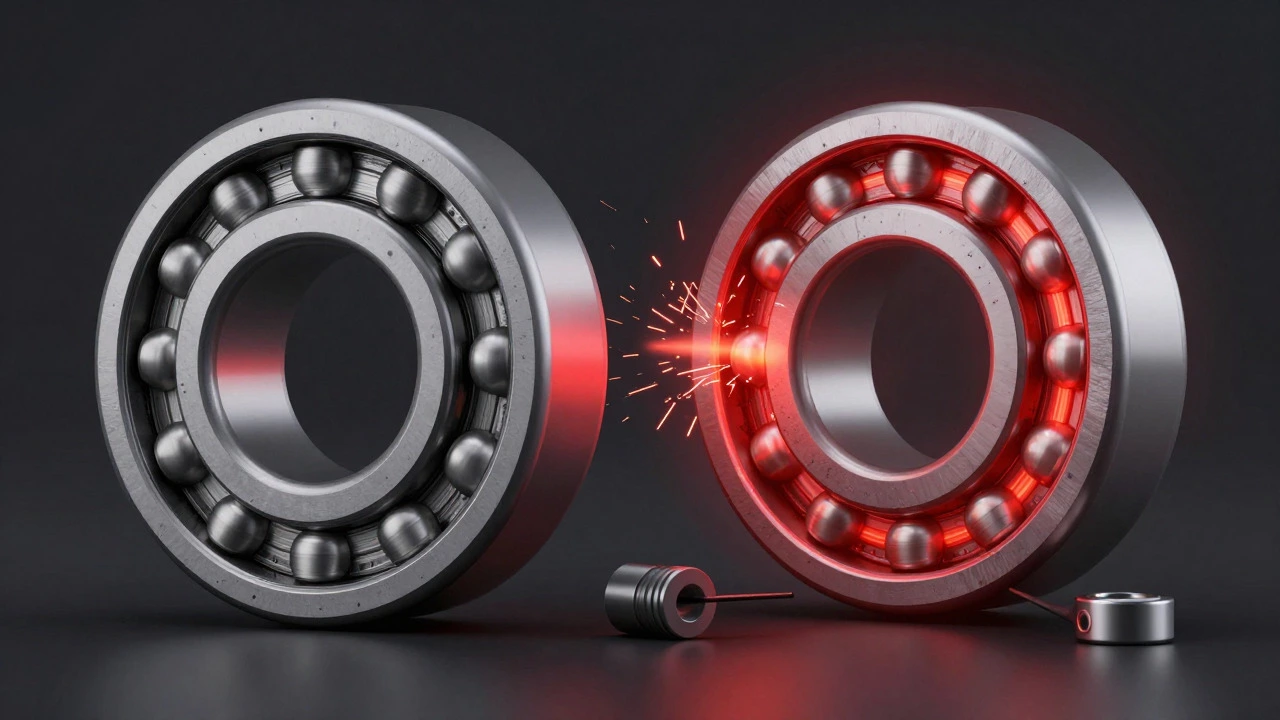
This extra load doesn't go away. It accumulates in your wheel bearings is components that allow the wheel to rotate smoothly while supporting the vehicle's weight. Most modern cars use sealed bearing assemblies designed for specific loads. By adding even 15mm or 20mm of spacing, you are asking those bearings to work harder than the manufacturer intended. Over time, this leads to premature wear, overheating, and eventually, failure. A failed bearing while driving at highway speeds is not a minor inconvenience; it’s a dangerous situation that can cause the wheel to seize or detach.
| Spacer Thickness | Lever Arm Increase | Bearing Stress Impact | Risk Level |
|---|---|---|---|
| None (Stock) | 0mm | Baseline | Low |
| 5mm - 10mm | Minimal | Slight increase | Low/Moderate |
| 15mm - 25mm | Moderate | Noticeable wear acceleration | Moderate/High |
| 30mm+ | Significant | High risk of premature failure | High |
Hub-Centric vs. Lug-Centric: The Fitment Trap
Not all spacers are created equal, and choosing the wrong type introduces new negatives. There are two main types: hub-centric and lug-centric. Hub-centric spacers have a large bore that matches your car’s hub perfectly. This means the wheel sits centered by the hub itself, which is the safest and most stable method. Lug-centric spacers rely entirely on the wheel bolts or studs to keep the wheel centered. This puts immense shear stress on those studs. If one stud stretches slightly or isn't torqued perfectly, the wheel can wobble, leading to vibration and potential detachment.
If you buy cheap, generic spacers, they are often lug-centric or poorly machined hub-centric units. The machining tolerance might be off by fractions of a millimeter. To the naked eye, it looks fine. But when you spin that wheel at 100 km/h, that tiny imperfection becomes a rhythmic thump in your steering wheel. Worse, it can cause the wheel nuts to loosen over time due to vibration. Always look for forged aluminum spacers with precise CNC machining, but even then, the risk remains higher than stock fitment.
Suspension Geometry and Steering Components
Pushing the wheels out changes the angle at which your tie rods and control arms operate. Your suspension geometry is the arrangement of suspension components that determines wheel alignment and handling characteristics was tuned by engineers for a specific track width. Widening that track can cause binding in the inner tie rod ends. You might notice your steering feels stiffer or, conversely, looser. In extreme cases, turning the wheel fully to lock can put enough strain on the tie rod joints to tear them apart. This is especially common in vehicles with limited suspension travel or aggressive camber angles.
Additionally, wider tracks mean wider tires rubbing against inner fender liners, brake lines, or suspension components. While many people cut their liners to fix this, doing so exposes sensitive parts to water, salt, and debris, accelerating corrosion. You also lose some ground clearance because the effective ride height drops slightly as the suspension settles into its new geometry.
Brake Clearance and Heat Management
Many enthusiasts use spacers to fit larger wheels that cover big brake kits. However, spacers themselves can interfere with brakes. If the spacer is too thick or poorly designed, it can rub against the brake caliper or dust shield. This constant friction generates heat. Brake systems rely on dissipating heat efficiently. Adding a metal plate between the hub and wheel can trap heat near the bearing assembly. Overheated bearings lose their lubrication properties faster, leading to the seizure we mentioned earlier. Always check that your spacers have adequate clearance for your specific brake setup, especially if you have upgraded rotors or calipers.

Legal and Insurance Implications
In Australia, where I live, and in many other jurisdictions, modifying your vehicle’s dimensions has legal consequences. If your wheels protrude beyond the outer edge of the bodywork without proper guards, you may fail your roadworthy inspection. More importantly, if you get into an accident, your insurance company will scrutinize your modifications. If they determine that the wheel spacers contributed to the crash-say, by causing a bearing failure or altering handling unpredictably-they could deny your claim. Always check local regulations regarding vehicle width and modification standards before installing anything non-standard.
How to Mitigate the Risks
If you still want that wider stance, you can minimize the negatives. First, keep the thickness minimal. Use 5mm or 10mm spacers instead of 25mm if possible. Second, invest in high-quality, hub-centric, forged aluminum spacers. Avoid cast aluminum or steel unless necessary for extreme applications. Third, extend your wheel studs if needed, but ensure they are grade 8 or higher. Finally, maintain a strict maintenance schedule. Check your bearing temperatures after long drives. Listen for unusual noises. Inspect wheel nuts regularly. Treat your modified setup with more care than a stock vehicle demands.
Do wheel spacers void my warranty?
Yes, potentially. If a wheel bearing fails prematurely and the manufacturer finds evidence of aftermarket spacers, they can deny the warranty claim for the suspension and drivetrain components affected. Always consult your dealer before modifying.
What is the maximum safe thickness for wheel spacers?
Generally, anything over 20mm increases risk significantly. For daily drivers, 5mm to 15mm is considered safer. Beyond 25mm, you should consider extended studs and reinforced bearings, and accept higher maintenance needs.
Can wheel spacers cause vibrations?
Yes. Poorly machined spacers, incorrect torque specs, or lug-centric designs can cause wheel runout, leading to noticeable vibrations at highway speeds. Ensure all surfaces are clean and flat before installation.
Are forged spacers better than cast?
Absolutely. Forged aluminum is denser and stronger, resisting deformation under load. Cast spacers can crack or warp over time, posing a serious safety hazard. Never use cast spacers for performance vehicles.
Do I need to realign my car after installing spacers?
While spacers don't directly change alignment angles, they can affect how the suspension reacts to bumps. It’s wise to get a professional alignment check to ensure toe and camber are within spec, preventing uneven tire wear.