Wheel Spacer Safety & Fitment Calculator
Enter your vehicle's current measurements to determine the maximum safe spacer size and identify potential installation risks.
Awaiting Input
Enter your measurements above to see safety warnings, torque recommendations, and fastener needs.
You see a set of aftermarket wheels that look incredible. The design is sharp, the finish is perfect, and they are exactly what your car needs. But there is one tiny problem: they rub against the suspension components or sit too far inside the wheel well. You need them to stick out just a bit more for that aggressive stance and better handling stability. That is where wheel spacers come in. They are simple metal discs that bolt between your hub and the wheel, pushing the tire outward. But before you run to the auto parts store, pause. Installing spacers isn't just about bolting on extra millimeters of width. It changes the physics of how your car handles, wears its bearings, and interacts with the road. If you get it wrong, you might end up with vibrations at highway speeds or, worse, a safety hazard. Let's break down exactly what you need to know so you don't waste money or risk your safety.
The Real Reason You Need Spacers (And When You Don't)
Most people buy spacers for aesthetics, but there are functional reasons too. If you are driving an older model truck or a classic muscle car, modern tires might be wider than the factory wheels allow. A spacer corrects this by increasing the track width, which lowers the center of gravity slightly and reduces body roll during cornering. However, if your current wheels fit perfectly without rubbing, adding spacers just for looks can introduce unnecessary stress on your wheel bearings. Think of it like wearing shoes two sizes too big; it might look cool, but your feet will hurt after a while. The same logic applies to your suspension. Only add spacers if you have a specific clearance issue or a clear performance goal. If you are just chasing a "flush" look, ensure the spacer thickness matches the gap precisely. Guesswork here leads to rattles and uneven tire wear.
Hub-Centric vs. Lug-Centric: The Safety Difference
This is the most critical technical detail you cannot ignore. Wheel spacers fall into two main categories: hub-centric and lug-centric. Hub-centric spacers use a raised lip that fits snugly over the vehicle's hub bore, ensuring the wheel centers itself perfectly on the axle. This is crucial because it transfers the weight of the car through the hub, not just the lug nuts. Most modern cars are designed to be hub-centric. If you use a spacer that doesn't match your hub size, the wheel relies entirely on the cone seats of the lug nuts to stay centered. Over time, vibration can loosen these nuts, leading to wobbles.
Lug-centric spacers rely solely on the lug nuts to center the wheel. These are common in older vehicles or heavy-duty trucks where the hub bore varies significantly. If your car is hub-centric (which 90% of passenger cars are), using a non-hub-centric spacer is a recipe for disaster. Always check if your spacer comes with hub-centric rings. These are thin plastic or aluminum rings that adapt the spacer to your specific hub diameter. Without them, even a high-quality spacer can cause steering wheel shake at 60 mph.
| Feature | Hub-Centric Spacer | Lug-Centric Spacer |
|---|---|---|
| Centering Method | Precision lip fits over hub | Lug nuts align the wheel |
| Best For | Modern passenger cars, SUVs | Older trucks, off-road rigs |
| Vibration Risk | Low (if rings used) | High (if not torqued correctly) |
| Cost | Higher (requires machining) | Lower (simpler design) |
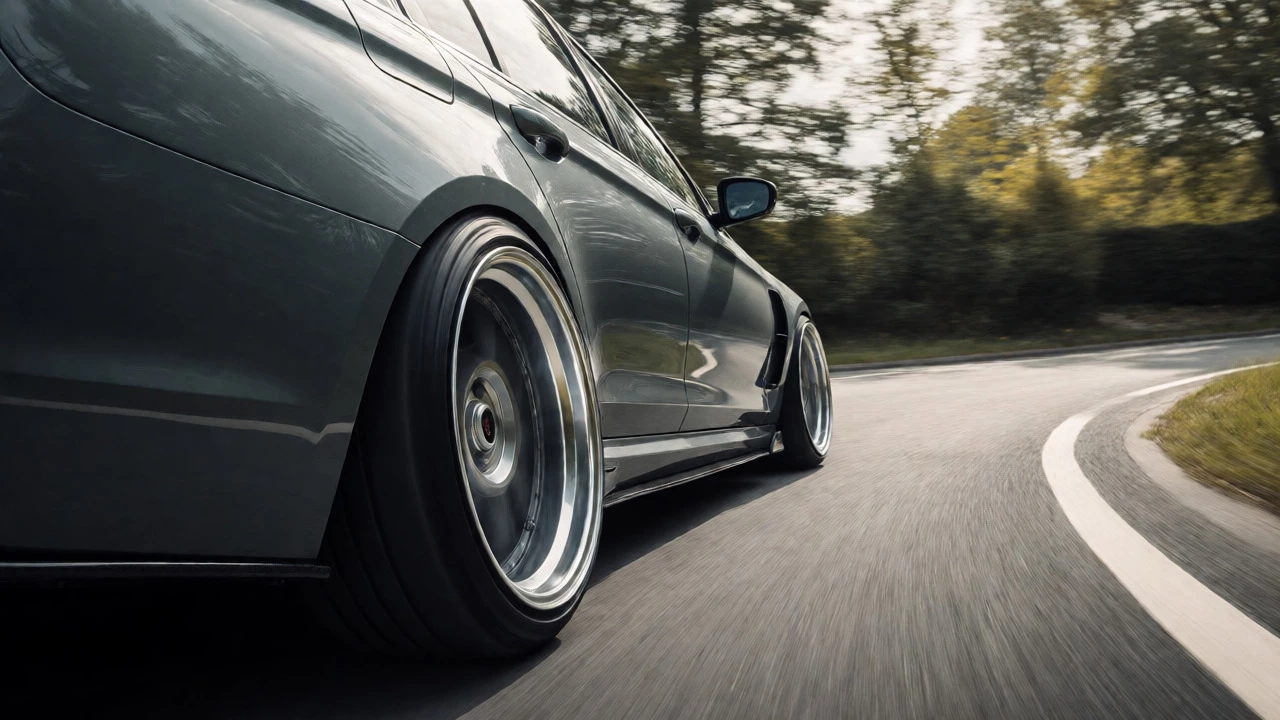
Measuring Offset and Clearance Correctly
Before you buy anything, grab a tape measure and a straight edge. You need to calculate the exact space available. Measure from the outermost point of your current tire sidewall to the inner fender liner. Then, measure the distance from the wheel mounting surface to the suspension control arm or brake caliper behind the wheel. This tells you how much room you have before things start rubbing. Remember, when you turn the steering wheel fully left or right, the tire swings in an arc. If you install a 15mm spacer and the tire was previously 5mm away from the fender, you now have negative clearance. The tire will hit the plastic liner every time you make a sharp turn.
Also, consider the wheel offset. This is the distance from the centerline of the wheel to the mounting face. A lower positive offset pushes the wheel further out. Adding a spacer effectively lowers the offset even more. If you push the wheel too far out, you increase the leverage on the wheel bearing. A general rule of thumb: do not exceed 20-25mm of total added width per side unless you have upgraded suspension components. Beyond that, you are altering the scrub radius, which affects steering feel and return-to-center behavior.
The Importance of Proper Fasteners and Torque
Here is where many DIYers mess up. Standard lug nuts often do not have enough thread engagement when a thick spacer is added. If you stack a 20mm spacer on top of the hub, the original lug stud length might be insufficient for safe clamping force. You usually need extended studs or longer lug nuts specifically designed for spacers. Using short nuts on long threads means the nut bottoms out before it tightens properly, leaving the wheel loose.
Torque specifications matter immensely. Always follow the manufacturer's recommended torque value for your vehicle, typically between 80-100 ft-lbs for most passenger cars. Do not guess. Use a calibrated torque wrench. After installation, re-torque the nuts after 50-100 miles of driving. Spacers settle into place, and the initial seating can cause slight loosening. Skipping this step is a common cause of wheel loss. Also, ensure you use locking lug nuts if you want to prevent theft, as spacers are easy targets for thieves looking for quick cash.
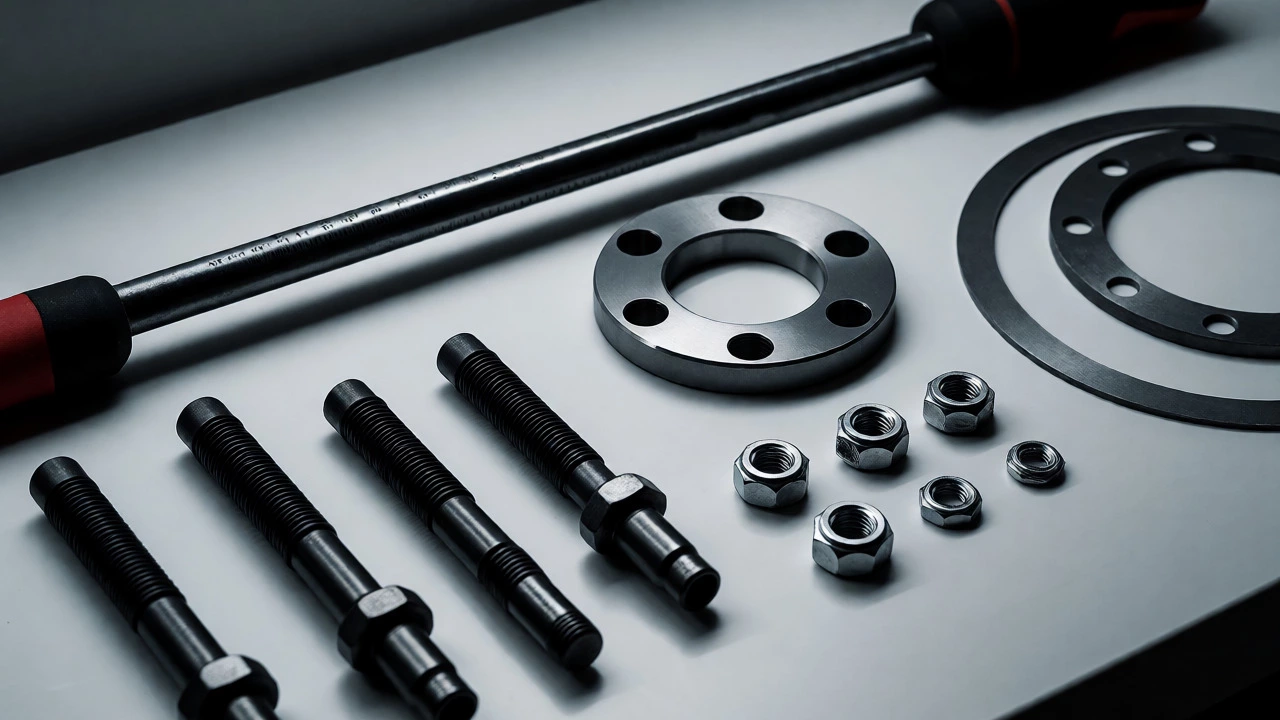
Impact on Handling and Suspension Wear
Adding width changes how your car drives. Wider track widths generally improve stability in corners and reduce body roll. This is why rally cars and race cars use wide setups. However, this benefit comes with a cost. The increased lever arm puts extra strain on the ball joints, tie rods, and wheel bearings. In Adelaide, where we deal with corrugated country roads and occasional potholes, this stress accelerates wear. You might notice your alignment goes out faster than usual. Plan for more frequent alignment checks-every 6 months instead of annually.
Steering feedback also changes. With wheels pushed out, the steering becomes heavier at low speeds due to increased friction and geometry changes. Some drivers love this "planted" feel; others find it tiring on long drives. If you drive mostly in city traffic, consider if the aesthetic gain is worth the daily driving penalty. Test drive a friend's car with spacers if possible before committing to the purchase.
Legal Compliance and Inspection Standards
In Australia, modifying your vehicle has legal implications. While small spacers (under 20mm) often pass inspection without fuss, larger modifications may require engineering certification depending on your state. In South Australia, Transport for SA requires that any modification affecting the wheel track must ensure the tires remain within the wheel arches and do not protrude dangerously. Ensure your tires do not extend beyond the mudflaps or the widest part of the bodywork. If they do, you might need to cut the fenders or install flares. Always check local regulations before installing spacers thicker than 15mm. An illegal mod can lead to fines or failed registration inspections.
Frequently Asked Questions
Do wheel spacers cause vibrations?
Yes, if installed incorrectly. Vibrations usually occur if the spacer is not hub-centric, meaning it doesn't center perfectly on the hub. Using hub-centric rings solves this. Also, unbalanced wheels or improper torque can cause shaking at higher speeds.
How thick should my wheel spacers be?
It depends on your clearance needs. Common sizes are 5mm, 10mm, 15mm, and 20mm. Measure the gap between your tire and the fender/suspension first. Never exceed 25mm per side without upgrading suspension components, as it strains wheel bearings.
Can I stack multiple wheel spacers?
You can, but it is risky. Stacking increases the chance of misalignment and vibration. It also requires very long studs. Ideally, buy a single spacer of the required thickness. If you must stack, ensure both are high-quality machined aluminum and use thread-locker.
Do wheel spacers affect fuel economy?
Slightly. Wider track width increases rolling resistance and aerodynamic drag marginally. You might see a drop of 1-2% in fuel efficiency, but this is often negligible compared to the cost of the spacers themselves.
Are hub-centric rings necessary?
If your vehicle is hub-centric (most modern cars), yes. They ensure the wheel centers on the hub rather than relying on lug nuts. This prevents vibration and ensures even load distribution on the wheel bearings.