Car Depreciation & Modification Impact Calculator
Vehicle Details
Modifications
Select any modifications you've made to your vehicle:
Original Value
Total Value Lost
Estimated Resale Value
Breakdown Analysis
Depreciation Chart
Buying a car is rarely just about getting from point A to point B. For most of us, it’s the second-biggest financial decision we make after buying a home. But here is the harsh reality that dealerships don’t want you to focus on: the moment you drive off the lot, your new car starts losing money. Some cars bleed value like a sieve, while others hold their worth surprisingly well. If you are wondering which car loses value quickest, the answer isn't just one specific model-it's a category of vehicles defined by how they are perceived, maintained, and modified.
In 2026, the automotive landscape has shifted again. Electric vehicles (EVs) are facing a steeper depreciation curve than many predicted, luxury brands are struggling with high maintenance costs that scare off used buyers, and niche performance cars are seeing volatile resale markets. But there is another factor that drastically accelerates this loss of value, especially for those who love customizing their rides: aftermarket modifications, particularly body kits. Understanding the intersection of brand reputation, vehicle type, and modification culture is key to protecting your wallet.
The Top Cars That Lose Value Fastest in 2026
When analyzing data from major valuation guides like Kelley Blue Book and Edmunds, a clear pattern emerges. The cars that lose value quickest tend to fall into three buckets: ultra-luxury sedans, certain electric vehicles, and heavily modified enthusiast cars. Let’s break down why these categories struggle.
Luxury Sedans, specifically models from brands like Acura, Infiniti, and even some entry-level BMW and Mercedes-Benz models, often see depreciation rates exceeding 50% in the first three years. Why? Because the initial purchase price includes a massive premium for the badge, technology, and warranty. Once that warranty expires, the cost of repairs skyrockets. Used car buyers are wary of spending $30,000 on a five-year-old sedan when a reliable Toyota Camry costs half as much and runs forever.
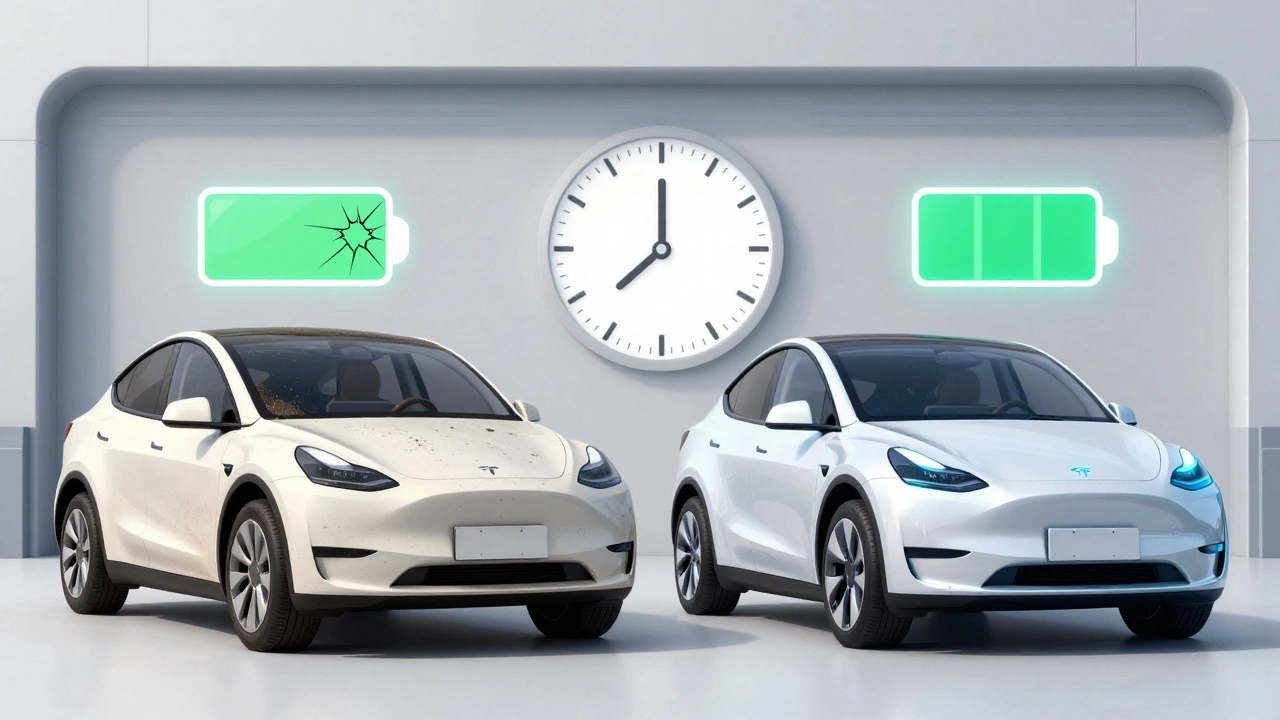
Then there are the electric vehicles. While early adopters loved them, the rapid pace of battery technology improvement means older EVs feel obsolete quickly. An EV bought in 2024 might have a range of 250 miles; a 2026 model offers 350 miles with faster charging. This technological obsolescence hits resale value hard. Brands like Nissan Leaf and older Chevrolet Bolt models have seen significant drops in residual value because buyers fear battery degradation and lack of fast-charging infrastructure compatibility.
However, the fastest depreciation often comes from within the enthusiast community itself. Cars that are popular platforms for modification-like the Honda Civic, Mazda MX-5, or Ford Mustang-can lose value rapidly if not kept stock. When a car becomes a canvas for customization, its market appeal narrows significantly. What looks cool to you might look terrible to a potential buyer.
How Body Kits Impact Resale Value
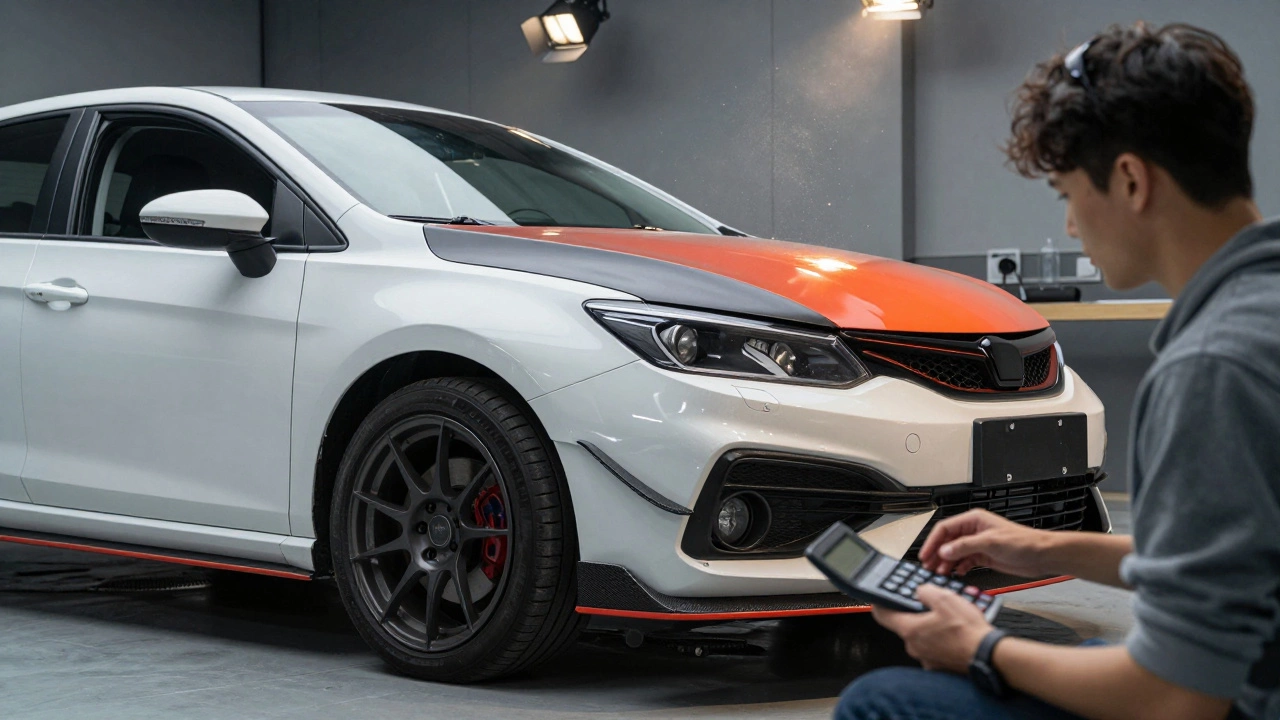
This brings us to the core of your question, especially given the context of car modifications. You asked about cars that lose value quickest, but you also hinted at a deeper interest in car body kits. A body kit is a set of aftermarket exterior components designed to alter the appearance of a vehicle. These can include front bumpers, rear bumpers, side skirts, fender flares, hoods, and trunks. While they can transform the aesthetic of a car, they are generally considered a negative factor in resale value calculations.
Here is the brutal truth: most body kits do not pay for themselves. In fact, they often cost more to remove than they add in value. There are several reasons for this:
- Narrowed Appeal: Taste is subjective. A wide-body kit that makes your Subaru WRX look aggressive might turn off a family buyer looking for a practical wagon. By modifying the exterior, you limit your pool of potential buyers to only those who share your specific taste.
- Quality Concerns: Cheap polyurethane or ABS plastic kits can fade, crack, or fit poorly over time. Buyers see these imperfections as signs of neglect or poor craftsmanship. Even high-quality fiberglass kits require professional installation and painting to blend seamlessly, which adds to the initial cost but doesn't guarantee a return on investment.
- Insurance and Safety Issues: Some insurance companies may view non-standard body parts as higher risk, potentially affecting premiums. Additionally, if a bumper isn't engineered to meet crash safety standards, it could be a liability in an accident, making the car harder to insure and sell.
That said, not all modifications are created equal. Factory-approved accessories or OEM+ parts that enhance functionality without drastically altering the car's silhouette tend to hold value better. For example, adding a roof rack to an SUV is practical and widely accepted. Slapping on a spoiler that doesn't generate downforce is purely cosmetic and often viewed as a red flag.
The Psychology of Used Car Buyers
To understand why modified cars lose value, you need to step into the shoes of the average used car buyer. Most people are not car enthusiasts. They want reliability, low maintenance costs, and a clean history report. When they see a car with a body kit, their immediate questions are:
- "Was this car driven hard?" People who modify cars often drive them aggressively. A lowered suspension or widened stance suggests track days or spirited driving, which implies wear and tear on the engine, transmission, and brakes.
- "Will I have to undo this work?" Removing a body kit isn't always easy. It may involve drilling holes, removing factory sensors, or dealing with rust under removed panels. The hassle factor drives down the offer price.
- "Is the rest of the car maintained?" Sometimes, owners pour money into aesthetics but ignore mechanical health. A shiny new hood doesn't matter if the timing belt is about to snap. Buyers assume that if the owner cared enough to install a kit, they might have neglected the basics.
This psychological barrier is real. Data from used car auctions shows that heavily modified vehicles often sell for 10-20% less than their stock counterparts, unless they are rare collector items with documented provenance. For everyday cars, stock is king.
| Vehicle Category | Average Depreciation | Key Factors |
|---|---|---|
| Luxury Sedans | 50-60% | High repair costs, brand premium erosion |
| Electric Vehicles | 45-55% | Battery tech obsolescence, charging anxiety |
| Modified Enthusiast Cars | 40-70% | Niche appeal, removal costs, perception of abuse |
| Compact Trucks | 30-40% | High utility demand, durability reputation |
| Hybrid SUVs | 35-45% | Fuel efficiency savings, family-friendly size |
Strategies to Protect Your Investment
If you love the idea of a body kit but hate the thought of losing thousands of dollars, there are ways to mitigate the damage. First, consider reversible modifications. Magnetic vinyl wraps can mimic the look of a wide-body kit or aggressive color scheme without permanent alteration. When it's time to sell, you simply peel it off, revealing the pristine factory paint underneath.
Second, invest in quality. If you must install a physical body kit, choose reputable manufacturers known for fitment and durability. Document every part, receipt, and hour of labor. Provide this documentation to potential buyers to prove that the work was done professionally and that the underlying vehicle remains in excellent condition.
Third, keep the car stock as long as possible. Wait until the steepest part of the depreciation curve has passed-usually around year four or five-before making major aesthetic changes. By then, the car has already lost most of its value, so further losses will have a smaller impact on your total equity.
Finally, research your specific model. Some cars, like the Porsche 911 or Jeep Wrangler, have communities that appreciate certain modifications. A well-fitted lift kit on a Jeep might actually increase its value among off-road enthusiasts. Know your audience before you buy the parts.
The Future of Car Values and Modifications
As we move through 2026, the trend toward personalization continues, but so does the emphasis on sustainability and digital connectivity. Cars are becoming computers on wheels. Software updates can change features, but they can't fix a poorly fitted bumper. The gap between tech-heavy new cars and aging used ones is widening, making depreciation a constant challenge.
For those interested in car body kits and other modifications, the key takeaway is balance. Enjoy your car while you own it. Make it reflect your personality. But remember that the moment you decide to sell, you are no longer selling to yourself-you are selling to someone else. And for most people, "someone else" prefers simplicity, reliability, and a clean bill of health over flashy aesthetics.
Ultimately, the car that loses value quickest is the one that fails to meet the needs of the broadest possible market. Whether it's a luxury sedan with expensive repairs, an EV with outdated tech, or a modified hatchback with questionable taste, the lesson is the same: think twice before you spend, and plan ahead for the day you let go.
Do body kits ever increase a car's value?
Rarely. Only in very specific cases where the modification is factory-approved, highly sought-after by a niche community, and installed professionally with full documentation. For 95% of cars, body kits decrease resale value due to narrowed appeal and potential quality concerns.
What is the fastest depreciating car brand in 2026?
While it varies by model, brands like Acura, Infiniti, and some European luxury marques tend to depreciate faster than mainstream brands like Toyota or Honda. Electric vehicle brands are also seeing accelerated depreciation due to rapid technology changes.
How much value do I lose by installing a body kit?
On average, you can expect to lose 10-20% of your car's resale value compared to a stock equivalent. However, you also incur the cost of the kit, installation, and potential removal fees, meaning the net financial loss is often higher than the depreciation percentage alone suggests.
Are there any modifications that hold value?
Yes. Functional upgrades like all-weather floor mats, roof racks, towing packages, and high-quality sound systems can sometimes retain value. Performance parts from reputable brands may also appeal to enthusiasts, but they still carry risk. Cosmetic changes are almost always a financial loss.
Should I wait to modify my car until it's older?
Yes. Waiting until the steepest part of the depreciation curve has passed (usually years 4-5) minimizes the financial impact of modifications. By then, the car has already lost most of its value, so further aesthetic changes won't hurt your bottom line as much.