Magnesium Wheel Safety Checker
Check Your Wheel Safety
Most people assume that lighter, stronger, and more stylish wheels are always better for cars. So when you see magnesium wheels on a race car or a high-end concept vehicle, it’s natural to wonder why you can’t buy them for your street-legal sedan. The answer isn’t about performance-it’s about safety, durability, and real-world conditions that most drivers never think about.
What Are Magnesium Wheels?
Magnesium wheels are made from a metal alloy that’s mostly magnesium, sometimes mixed with small amounts of aluminum or zinc. They’re incredibly light-up to 30% lighter than standard aluminum wheels-and they’re stiff, which gives them great handling characteristics. That’s why you see them on Formula 1 cars, NASCAR, and track-only machines. They reduce unsprung weight, improve acceleration, and make steering feel sharper.
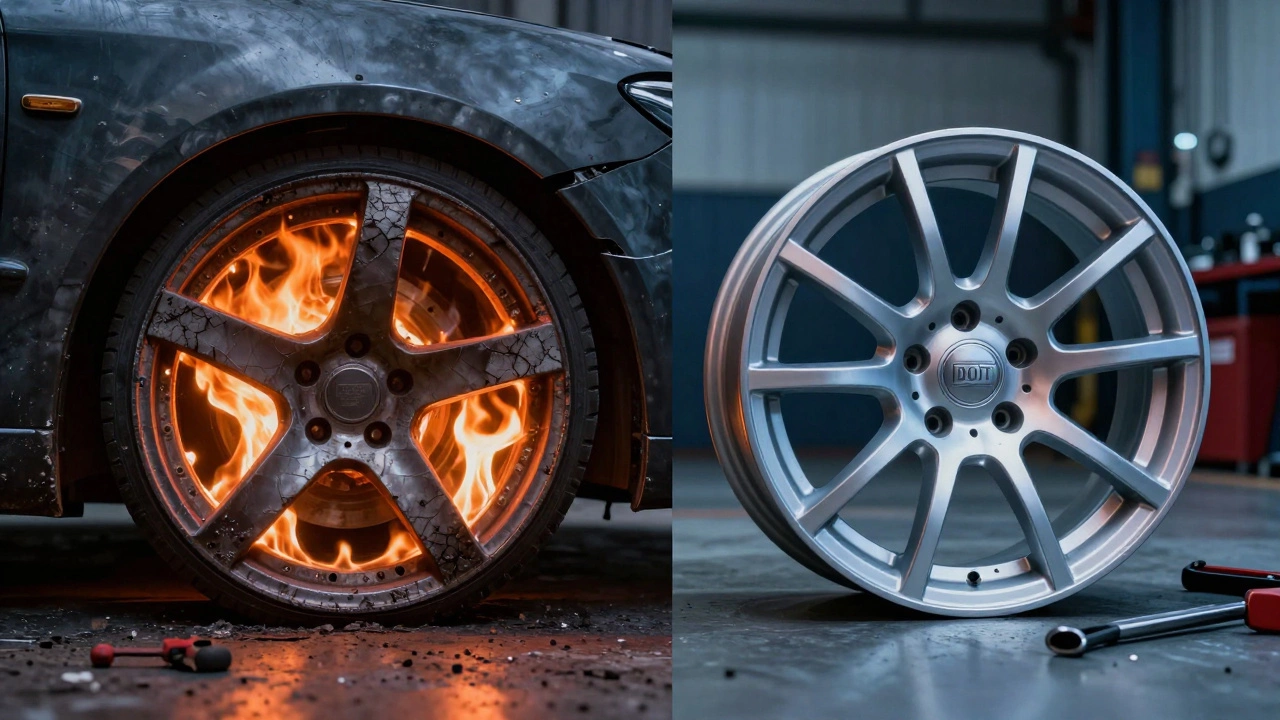
But here’s the catch: magnesium burns. Not just melts. Not just deforms. Magnesium ignites at around 650°C (1,200°F), and once it catches fire, it’s nearly impossible to put out with water. A car crash that causes a wheel to scrape against pavement or a brake disc can generate enough heat to trigger a fire. That’s not a hypothetical risk-it’s happened.
Why They’re Banned on Public Roads
In the U.S., the Department of Transportation (DOT) and the National Highway Traffic Safety Administration (NHTSA) don’t explicitly ban magnesium wheels. But they enforce standards under FMVSS No. 120, which requires wheels to withstand extreme stress, heat, and corrosion without failing. Magnesium wheels, especially older or non-certified ones, fail these tests in real-world conditions.
Here’s what goes wrong:
- Heat buildup: Street driving means stop-and-go traffic, heavy braking, and long highway stretches. Brake discs can hit 500-700°C. Magnesium wheels near those temperatures can warp, crack, or ignite.
- Corrosion: Road salt, moisture, and grime eat away at magnesium alloys. A tiny crack from corrosion can grow under stress and cause sudden wheel failure.
- No standardized testing: Most magnesium wheels sold to the public aren’t certified by the DOT or JWL (Japan Light Alloy Wheel standard). Without certification, manufacturers can’t prove they’re safe under everyday use.
In Europe, the ECE R124 regulation sets strict impact and fatigue testing for wheels. Magnesium wheels rarely pass because they’re too brittle under repeated stress cycles. In Australia, where road conditions vary from desert heat to coastal salt, the Australian Design Rules (ADR) mirror these standards. Any wheel that doesn’t meet ADR 27/03 is illegal for road use.
What Happens When You Use Them on the Street?
Some enthusiasts install magnesium wheels anyway. They look amazing. They’re light. They turn heads. But the risks are real.
In 2019, a Tesla Model 3 in California lost a rear wheel after a hard braking maneuver. The magnesium wheel cracked at the spoke base, causing the driver to lose control. The wheel didn’t explode, but it did ignite from friction heat. Firefighters took 20 minutes to put out the blaze because water made it worse. The car was totaled.
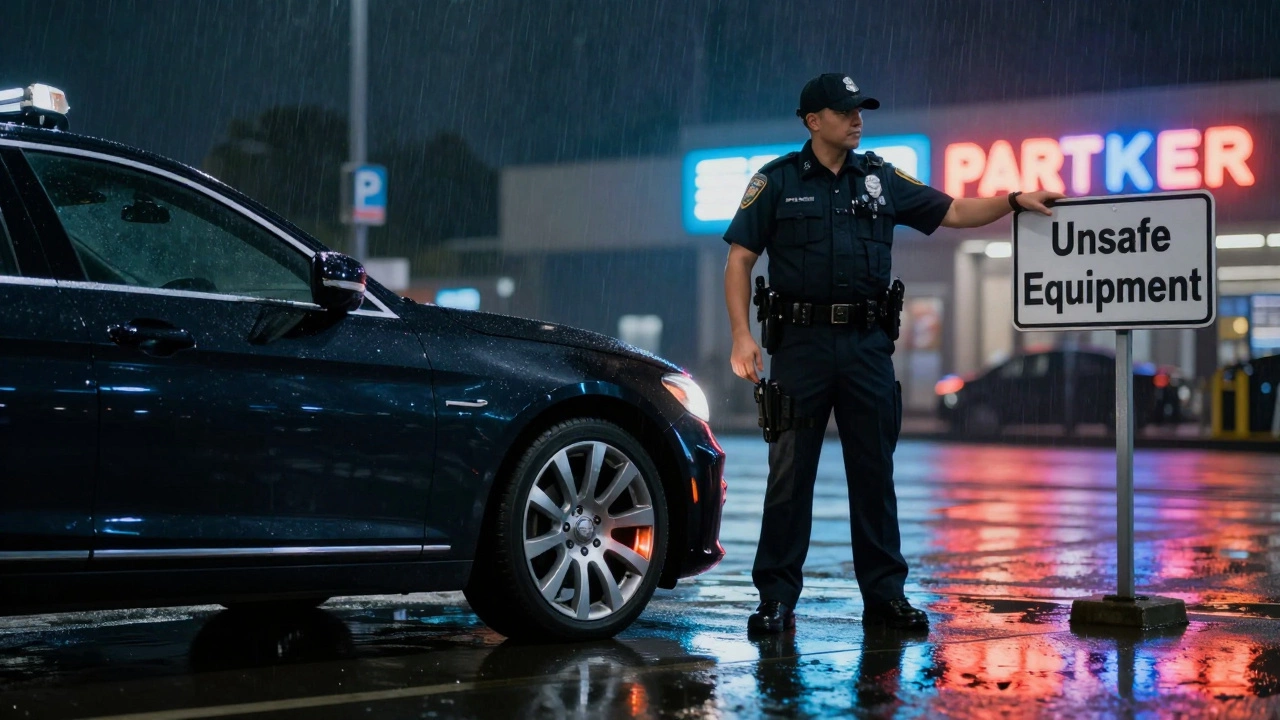
Insurance companies don’t cover damage from illegal modifications. If you’re in an accident with magnesium wheels, your claim could be denied-even if the crash wasn’t your fault. Police can also issue citations for unsafe equipment. In some states, you’ll be pulled over just for having unmarked wheels.
What About Forged Aluminum Wheels?
If magnesium is too dangerous, why do so many performance cars use lightweight wheels? The answer is forged aluminum.
Forged aluminum wheels are made by pressing solid blocks of aluminum under extreme pressure. This creates a grain structure that’s stronger and more fatigue-resistant than cast aluminum or magnesium. They’re nearly as light as magnesium, but they don’t burn. They handle heat, corrosion, and impacts like they were built for the road.
Brands like BBS, HRE, and Enkei make forged aluminum wheels that meet DOT and ADR standards. They’re expensive-$1,500 to $3,000 per wheel-but they’re legal, safe, and durable. You get the performance without the risk.
Where Are Magnesium Wheels Actually Allowed?
Magnesium wheels aren’t banned everywhere-they’re banned from public roads. They’re perfectly legal in:
- Track days and closed-circuit racing
- Drag strips
- Off-road events
- Car shows (as long as they’re not driven on public roads)
Many racing teams use magnesium wheels because they’re disposable. If a wheel cracks or catches fire during a race, it’s a cost of doing business. The car doesn’t need to survive the crash-it just needs to finish the lap.
On the street? No such luck. You’re not racing. You’re sharing roads with families, cyclists, and emergency vehicles. The rules exist because someone once lost their life because a wheel caught fire in a parking lot.
What Should You Do Instead?
If you want lightweight, high-performance wheels for your daily driver:
- Look for wheels labeled “DOT certified” or “ADR compliant.”
- Choose forged aluminum over cast aluminum or magnesium.
- Check the manufacturer’s testing reports-reputable brands publish them.
- Ask your wheel shop if the wheels are approved for street use in your state or country.
- Avoid any wheel that says “racing use only” or has no certification markings.
There’s no magic trick to getting the look of magnesium without the danger. But there’s a safe, legal, and proven alternative: forged aluminum. It’s not flashy. It doesn’t have the same mythic reputation. But it won’t turn your car into a fireball.
Final Thought
Magnesium wheels aren’t illegal because they’re too fast. They’re illegal because they’re too fragile for real life. The rules aren’t there to stop you from having fun-they’re there to stop you from becoming a statistic.
Performance isn’t just about speed. It’s about control. Reliability. Safety. And if you can’t drive your car without risking your life-or someone else’s-then you’re not driving fast. You’re just driving recklessly.
Are magnesium wheels completely banned everywhere?
No, magnesium wheels aren’t banned in all places. They’re legal for use on race tracks, drag strips, and off-road courses where public roads aren’t involved. But they’re illegal for street use in the U.S., Australia, the EU, and most countries with strict vehicle safety standards. The ban applies only to vehicles registered for public road use.
Can I make magnesium wheels legal by adding a coating or sealant?
No. Coatings or sealants can slow down corrosion, but they don’t change the fundamental properties of magnesium. If the wheel isn’t certified to meet DOT, ADR, or ECE standards, adding paint or powder coating won’t make it safe or legal. Certification requires structural testing under heat, impact, and fatigue-not surface treatments.
Why do some race cars use magnesium if it’s so dangerous?
Race cars operate under controlled conditions. They’re driven on closed tracks with safety crews, fire suppression systems, and emergency protocols ready. If a magnesium wheel fails or catches fire, the team can replace it quickly. On public roads, there’s no safety net. A wheel failure at 60 mph in traffic can kill someone. That’s why the rules are stricter for street vehicles.
Do all aftermarket wheels have to be certified?
Yes, if you plan to drive them on public roads. In Australia, all wheels must meet ADR 27/03. In the U.S., they must comply with FMVSS No. 120. Most manufacturers don’t bother certifying magnesium wheels because the cost and testing are too high for a niche market. That’s why almost all aftermarket magnesium wheels you see online are labeled “for racing use only.”
What happens if I get pulled over with magnesium wheels?
You’ll likely be issued a defect notice or citation for unsafe equipment. In many places, police can require you to remove the wheels before driving again. If you’re in an accident, your insurance may deny coverage. Some states also impound the vehicle until the illegal parts are replaced. It’s not just a fine-it’s a legal and financial risk.