Alloy Wheel Value & Cost Estimator
Select options and click calculate to see your estimated price breakdown.
$0
Total Estimated Cost for 4 Wheels
You’re standing in the garage, holding a quote for four new alloy wheels that costs more than your monthly grocery bill. It feels steep, right? Especially when you remember buying steel rims for a fraction of that price years ago. But here’s the thing: you aren’t just paying for a circle of metal. You’re paying for engineering, safety margins, and a manufacturing process that can take weeks per set.
Let’s break down why those shiny hoops carry such a heavy price tag. We’ll look at the raw materials, the factory floor realities, and the hidden costs that don’t show up on the sticker. By the end, you’ll know exactly what you’re getting for your money-and when it’s worth splashing out versus saving.
The Raw Materials Aren’t Cheap (And They’re Volatile)
Aluminum is the star of the show, but it’s not free. Unlike steel, which is abundant and cheap to refine, aluminum requires massive amounts of electricity to extract from bauxite ore. When energy prices spike-as they did globally in recent years-the cost of raw aluminum jumps. Manufacturers pass this directly to you.
Then there’s the alloy mix itself. Pure aluminum is too soft for road use. Engineers blend it with silicon, magnesium, and copper to create specific grades like A356 or 6061-T6. These additives improve strength and heat resistance but add complexity to the smelting process. If you want lightweight performance, you might even see titanium bolts or nickel coatings, which drive costs up further. You’re essentially buying a high-tech recipe, not just a lump of metal.
Casting vs. Forging: The Manufacturing Divide
This is where the price gap widens dramatically. Most affordable alloy wheels are cast. In this process, molten aluminum is poured into a mold. It’s fast and scalable, allowing factories to pump out thousands of units quickly. However, casting can trap air bubbles inside the metal, creating weak points. To compensate, manufacturers often make cast wheels heavier to ensure they don’t crack under stress.
On the flip side, forged wheels start as a solid billet of aluminum. Machines press this block under immense pressure-up to 10,000 tons-to align the metal grains. This eliminates voids and creates a denser, stronger structure. Because the material is so strong, designers can shave off weight without sacrificing integrity. But forging is slow. Each wheel takes longer to produce, uses more machinery time, and generates significant waste scrap. That efficiency loss translates straight into higher retail prices.
| Feature | Cast Alloy | Forged Alloy |
|---|---|---|
| Manufacturing Time | Minutes per unit | Hours per batch |
| Material Waste | Low | High (machined away) |
| Weight Efficiency | Lower (heavier) | Higher (lighter) |
| Structural Integrity | Adequate for daily driving | Superior for track/high impact |
| Average Price Index | $ | $$$ |
Design Complexity and Tooling Costs
Ever wonder why some designs cost double others, even if they’re the same size? It’s about the molds. Creating a complex, multi-spoke design requires intricate tooling. Simple five-spoke wheels have straightforward molds that last longer and are cheaper to machine. Intricate mesh patterns or deep-dish profiles require precise CNC machining and expensive steel dies.
Moreover, every new design needs certification. Before a wheel hits the market, it must pass rigorous crash tests, fatigue cycles, and impact standards set by bodies like the SAE (Society of Automotive Engineers) or JWL (Japan Light Alloy Wheel). Testing isn’t cheap. Destroying prototypes to prove they won’t shatter on a pothole adds thousands of dollars to the development budget. Those costs are amortized across every wheel sold, inflating the base price.
Finishing Touches: Where the Shine Comes From
Raw aluminum looks dull and gray. Turning it into the glossy black, machined face, or chrome finish you see in ads involves labor-intensive steps. Powder coating, anodizing, and polishing require controlled environments to prevent dust contamination. One speck of dirt during the clear coat stage ruins the wheel, sending it back for rework.
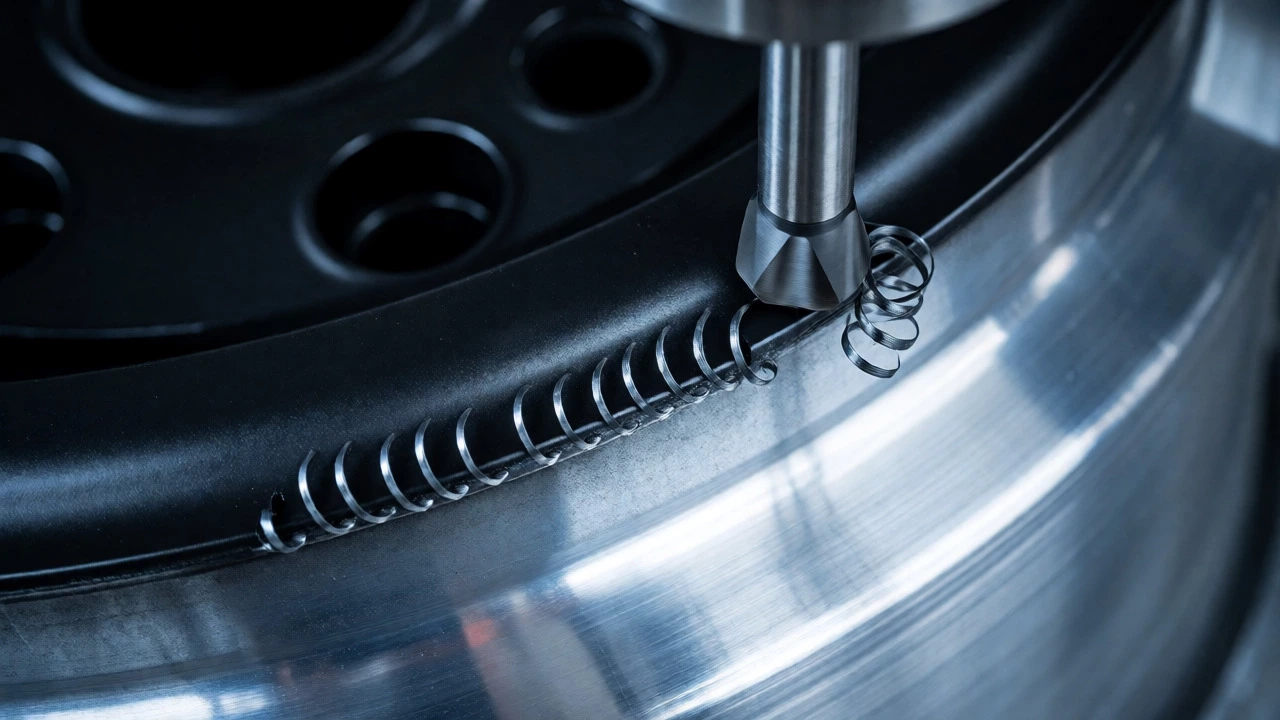
Machined finishes are particularly costly. After painting, a computer-controlled lathe cuts away a thin layer of paint to expose bare aluminum. This reveals the natural metal shine but leaves it vulnerable to corrosion unless sealed perfectly. High-end brands spend heavily on protective sealants and quality control inspections to ensure these finishes last through winter salt and summer UV rays. You’re paying for durability, not just aesthetics.
Brand Premium and R&D Investment
Not all alloys are created equal. Established brands like BBS, OZ Racing, or Enkei invest millions in research and development. They employ engineers who simulate stress loads using software like ANSYS before cutting any metal. This digital prototyping reduces physical failures but increases upfront costs. Smaller, no-name brands skip much of this R&D, relying on generic designs. While they might save you money, you lack the assurance that the wheel has been optimized for specific vehicle dynamics.
Additionally, brand reputation carries weight. If a manufacturer has a history of recalls or structural failures, their wheels might be priced lower to move inventory. Conversely, premium brands charge more because drivers trust them to hold up at 200 km/h. That trust is built over decades of marketing, sponsorship, and consistent quality-a tangible asset reflected in the price tag.

Logistics and Import Duties
If you live in Australia, you feel this pain acutely. Most high-quality alloy wheels are manufactured overseas-in Japan, Italy, Germany, or China. Shipping heavy metal containers across oceans isn’t cheap. Fuel surcharges, port fees, and customs duties stack up. Australian import tariffs add another percentage point to the landed cost. Local distributors then add their margin to cover warehousing and local delivery.
Supply chain disruptions exacerbate this. During recent global shortages, container shipping rates skyrocketed. Even after stabilizing, the baseline cost remains higher than pre-2020 levels. If you’re buying niche sizes or rare offsets, stock availability drops, and sellers charge a premium for scarcity.
Is It Worth the Hype?
So, do you need to pay top dollar? Not always. For city commuting and occasional highway runs, mid-range cast alloys offer excellent value. They handle standard road conditions well and look great. Save the forged options for track days, heavy towing, or vehicles with sensitive suspension systems where unsprung weight matters significantly.
Before buying, check the load rating. Ensure the wheel supports your vehicle’s gross weight. Also, verify compatibility with your brake calipers and suspension components. A cheaper wheel that doesn’t fit properly will cost you more in modifications later. Prioritize certified products over unbranded imports to avoid safety risks.
Are forged wheels really better than cast ones?
Forged wheels are stronger and lighter, making them ideal for performance applications. However, for daily driving, high-quality cast wheels are perfectly safe and durable. The difference is most noticeable in handling responsiveness and fuel efficiency due to reduced unsprung weight.
Why are some alloy wheels so heavy?
Heavier wheels are often cast rather than forged. Manufacturers add extra material to compensate for potential internal voids found in casting processes. This ensures structural integrity but increases unsprung mass, which can affect ride comfort and acceleration.
Do expensive wheels improve my car's performance?
Lightweight alloy wheels reduce rotational mass, improving acceleration, braking, and steering response. However, the gains are subtle on street-driven cars. Significant improvements are mostly felt in track-focused setups or modified engines.
Can I repair scratched alloy wheels?
Yes, minor curb rash can be repaired via refinishing services. Deep cracks or bends may require welding or replacement. Repairs cost less than new wheels but vary based on damage severity and finish type (e.g., machined faces are harder to fix).
How long do alloy wheels last?
With proper care, alloy wheels can last the lifetime of the vehicle. Corrosion, improper cleaning, and impact damage are primary causes of failure. Regular washing and applying protective wax extend their lifespan significantly.