Car Cabin Heat Estimator
Calculate the predicted peak temperature inside your parked car to understand the impact of the greenhouse effect and plan your cooling strategy.
Step into your parked car on a summer afternoon and the air feels like you're opening an oven. The dashboard is hot enough to singe skin, and the seats radiate heat that lingers for minutes after you start the engine. It’s not just a feeling; it’s physics working against you. Understanding why this happens is the first step to managing it, whether you’re driving in Adelaide or anywhere with strong sunlight.
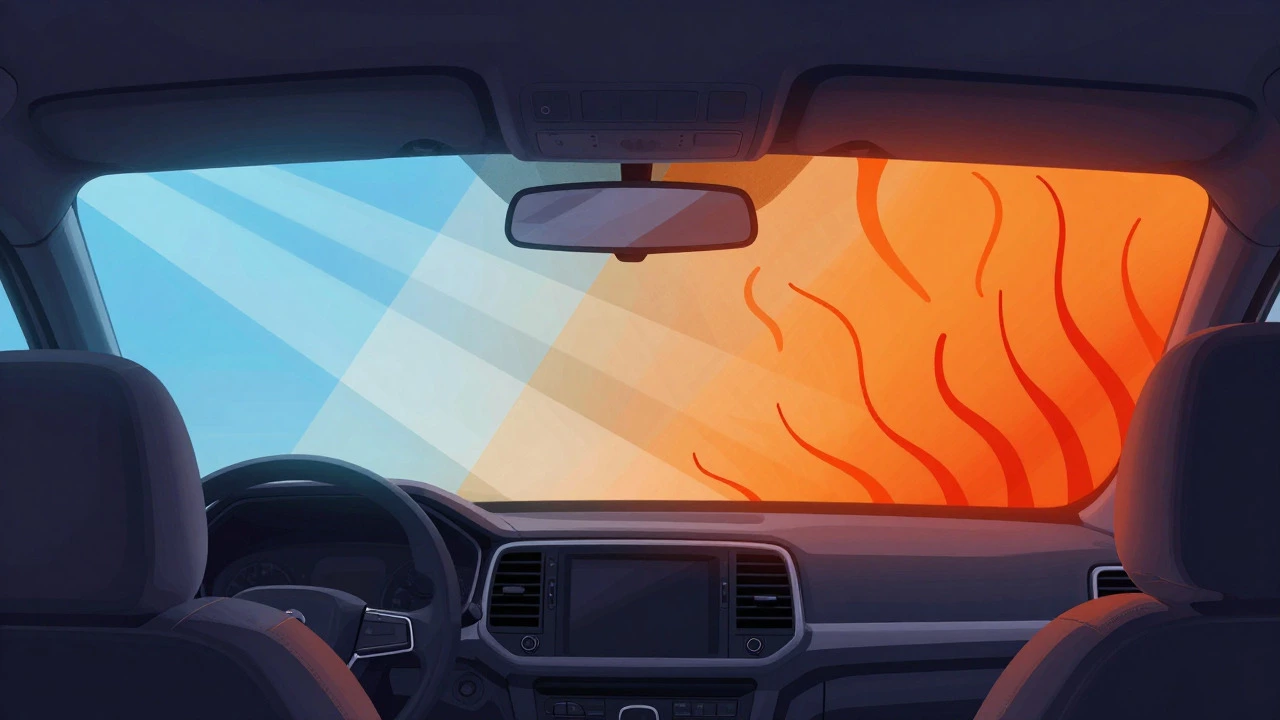
The core reason cars get so hot inside is a combination of solar radiation absorption and the greenhouse effect. Your car acts as a small, sealed greenhouse. Sunlight passes through the windows, hits the dark surfaces inside (seats, dash, carpet), and turns into infrared heat. That heat gets trapped because the glass reflects long-wavelength infrared radiation back inward. This creates a temperature spike that can exceed 60°C (140°F) within 30 minutes, even if the outside air is only 35°C (95°F).
The Role of Automotive Glass
Automotive glass is a specialized material designed to balance visibility, safety, and thermal properties. Unlike residential windows, car glass is often laminated (windshield) or tempered (side/rear windows). While modern glass includes tinted coatings to block some UV rays, it still allows a significant portion of visible light and near-infrared radiation to pass through. Once inside, that energy doesn't easily escape because the interior surfaces re-emit it as longer-wave infrared, which the glass reflects back. This is the classic greenhouse mechanism at work.
Dark-colored interiors amplify this effect. Black leather seats absorb up to 90% of incident light, converting it directly to heat. Lighter fabrics reflect more light but still absorb a substantial amount. The material composition matters: plastic dashboards have low thermal mass, so they heat up quickly but also cool down faster than metal components. However, once the air inside reaches equilibrium with these surfaces, the entire cabin becomes a heat reservoir.
Material Science: What Heats Up Fastest?
Not all parts of your car heat equally. Here’s how common interior materials behave under direct sun:
| Material | Absorption Rate | Peak Temp Potential | Cooling Time |
|---|---|---|---|
| Black Leather Seats | High (~90%) | 70°C+ | 15-20 mins |
| Plastic Dashboard | Medium-High | 60-65°C | 5-10 mins |
| Carpet Floor Mats | Medium | 50-55°C | 10-15 mins |
| Metal Steering Wheel | Low (reflective) | 55-60°C | 2-5 mins |
Note that "cooling time" refers to how long it takes for the surface to drop below safe touch temperature after shade is applied. Leather holds heat longer due to its density and poor airflow conduction, making it the primary culprit for uncomfortable entry.
Why AC Doesn’t Instantly Fix It
You might think turning on the air conditioning will solve everything immediately. In reality, the A/C system has to remove two types of heat: sensible heat (raising air temperature) and latent heat (moisture). When you enter a hot car, the interior surfaces are already saturated with heat. The A/C evaporator cools the air passing over it, but the surrounding hot seats and dash continue to radiate heat into the cabin. This means the A/C works harder to maintain a set temperature, leading to higher fuel consumption and slower perceived cooling. On average, it takes 5-8 minutes of full-blast A/C to bring the cabin from 60°C to a comfortable 22°C, depending on vehicle size and insulation quality.
Practical Solutions for Staying Cool
If you want to mitigate the heat before you even turn the key, consider these evidence-based strategies:
- Park in Shade: Even partial shade reduces peak interior temperature by 10-15°C compared to direct sun.
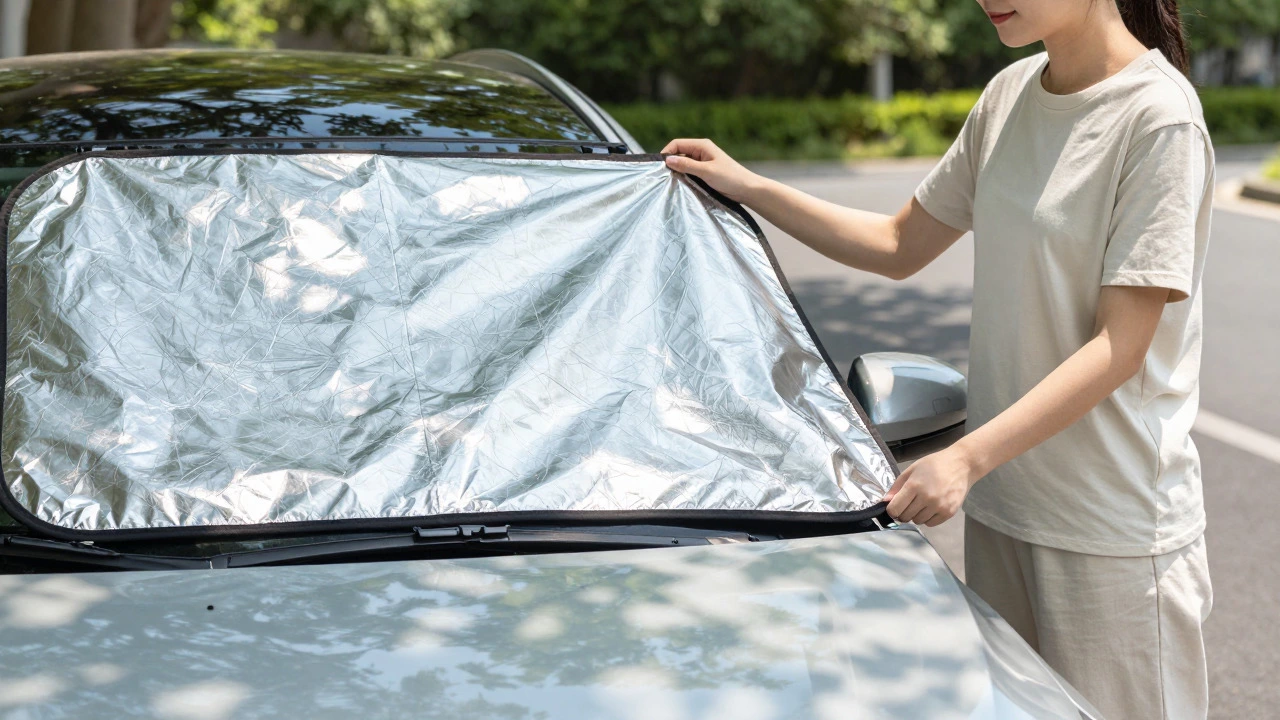
- Use Reflective Windshield Shields: These bounce solar radiation away before it enters the cabin. High-quality aluminum-backed shields can reduce initial heat gain by up to 40%.
- Crack Windows Slightly: Leaving windows open 1-2 cm when parking allows hot air to escape via convection, preventing the buildup of stagnant hot air. Close them before leaving to keep dust out.
- Choose Lighter Interiors: If buying a new car, opt for beige or gray fabric seats instead of black leather. They absorb less radiant energy and feel cooler to the touch.
- Apply Window Tint: Ceramic window tints block up to 99% of UV rays and 60-80% of infrared heat without significantly reducing visibility. Check local regulations, as some regions limit VLT (Visible Light Transmission) percentages.
Long-Term Modifications for Heat Reduction
For those who spend significant time in their vehicles, permanent modifications can make a difference. Thermal barrier sprays applied to the underside of the hood and roof reflect radiant heat before it penetrates the metal panels. While not a cure-all, studies show a 5-10°C reduction in peak cabin temperatures. Additionally, upgrading to high-density foam seat covers with reflective backing can slow heat transfer to your body. These aren't cosmetic changes; they alter the thermal dynamics of the interior environment.
Understanding the interplay between solar radiation, material absorption, and trapped air helps you take control. The next time you approach a scorching car, you’ll know exactly what’s happening inside-and how to beat it.
Why is my car hotter than the outside air?
Cars act as greenhouses. Solar radiation enters through glass, heats interior surfaces, and the resulting infrared radiation is trapped inside. This causes the internal temperature to rise well above ambient air temperature, especially in direct sunlight.
Do window tints actually reduce heat?
Yes, particularly ceramic or metalized tints. They block a significant portion of infrared radiation, which carries most of the heat. Dark dyed tints mainly block visible light and offer less thermal protection. Look for tints with high Total Solar Energy Rejection (TSER) ratings.
How fast does a car interior heat up?
In direct sun, a car's interior can reach 50°C (122°F) in about 10 minutes and 60°C (140°F) within 30 minutes. The rate depends on starting temperature, color of interior, and wind speed.
Is it better to leave windows open or closed when parking?
Leaving windows slightly cracked (1-2 cm) allows hot air to escape via convection, reducing peak temperature. However, close them before walking away to prevent theft and dust intrusion. Fully open windows can let in more hot air if there's no breeze.
Do dark cars heat up more than light cars?
Exterior paint color has a minor effect compared to interior color. Black exteriors absorb more heat, but the main driver of cabin temperature is the interior material color. Black seats absorb far more radiant heat than light seats, regardless of the car's exterior color.