Wheel Spacer Risk & Safety Assessor
Enter your specific setup details below to calculate a composite risk score. This tool helps you decide if spacers are a viable option or if you should consider alternatives like changing wheel offset.
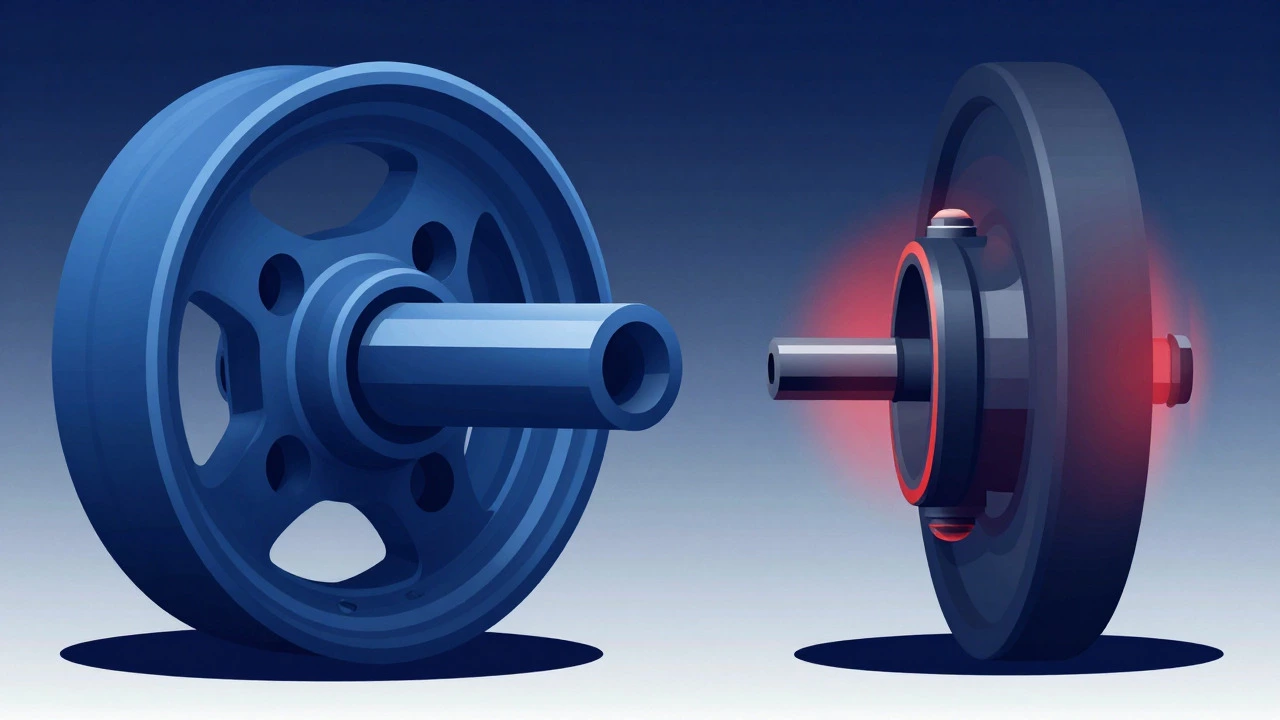
Hub-Centric
Machined ring matches hub. Safer.
Center-Loc
Lug bolts only. Higher vibration risk.
Adjust inputs to see recommendations.
You want that wider stance. You see the aggressive look on Instagram and you think a simple bolt-on wheel spacer is the easiest way to get it. It’s cheap, it’s easy to install, and it seems harmless. But before you drill into your hubs or buy a flimsy set of aluminum rings, consider this: for many drivers, wheel spacers are more trouble than they’re worth. Wheel spacers are aftermarket discs installed between the wheel and the vehicle's hub to increase track width and clear fenders. While popular in the tuning community, they introduce mechanical stresses that factory engineers specifically designed out. This article breaks down why you might want to skip them, the specific risks involved, and when (if ever) they are actually safe to use.
The Mechanical Stress Problem
Factory wheels are engineered with a specific offset-the distance from the mounting surface to the centerline of the wheel. This offset determines how far the wheel sits relative to the suspension components. When you add a spacer, you push the wheel outward. This increases the "lever arm" on the wheel studs. The longer the lever arm, the more torque is applied to the studs every time you turn the steering wheel or hit a bump.
Think of it like a wrench. A short wrench makes it hard to loosen a tight bolt. A long wrench makes it easy because of leverage. Wheel spacers act as a longer wrench handle. Over time, this increased leverage can cause:
- Stud fatigue: The constant torsional force can crack the steel studs, especially if they are not high-grade alloy.
- Bearing wear: The wheel bearings are subjected to greater radial loads, leading to premature failure and expensive replacement costs.
- Lug nut loosening: If the lug nuts aren’t torqued perfectly evenly, the extra leverage causes them to back off faster than normal.
Hub-Centric vs. Center-Loc Fitment
This is the most critical technical distinction. Most modern cars use a "hub-centric" design. The wheel has a large hole in the center that slides over a protruding hub ring. This ensures the wheel is perfectly centered on the axle, reducing vibration at high speeds.
Cheap wheel spacers often lack this matching hub ring. They rely solely on the five or six lug bolts to hold the wheel in place. This is called "center-loc" fitment. Without the hub ring, the wheel can be slightly off-center. At 100 km/h, even a millimeter of misalignment creates noticeable vibration in the steering wheel. More dangerously, if one lug nut loosens, the wheel isn't supported by the hub bore, increasing the risk of wobble and detachment.
| Feature | Hub-Centric Spacers | Center-Loc Spacers |
|---|---|---|
| Centering Method | Machined hub ring matches car's hub | Lug bolts only |
| Vibration Risk | Low (if properly machined) | High (prone to wobble) |
| Cost | Higher ($80-$150+ per set) | Lower ($30-$60 per set) |
| Safety Reliability | Depends on machining quality | Depends entirely on torque discipline |
Clearance Issues You Can’t See Until It’s Too Late
Adding a spacer pushes the wheel out, but it also changes the geometry of the suspension. The tie rods, brake calipers, and control arms now have less room to move. In full lock turns, the inner edge of the tire can rub against the strut tower or the inner fender liner. This rubbing doesn’t just damage the tire sidewall; it can generate heat that weakens the tire structure over time.
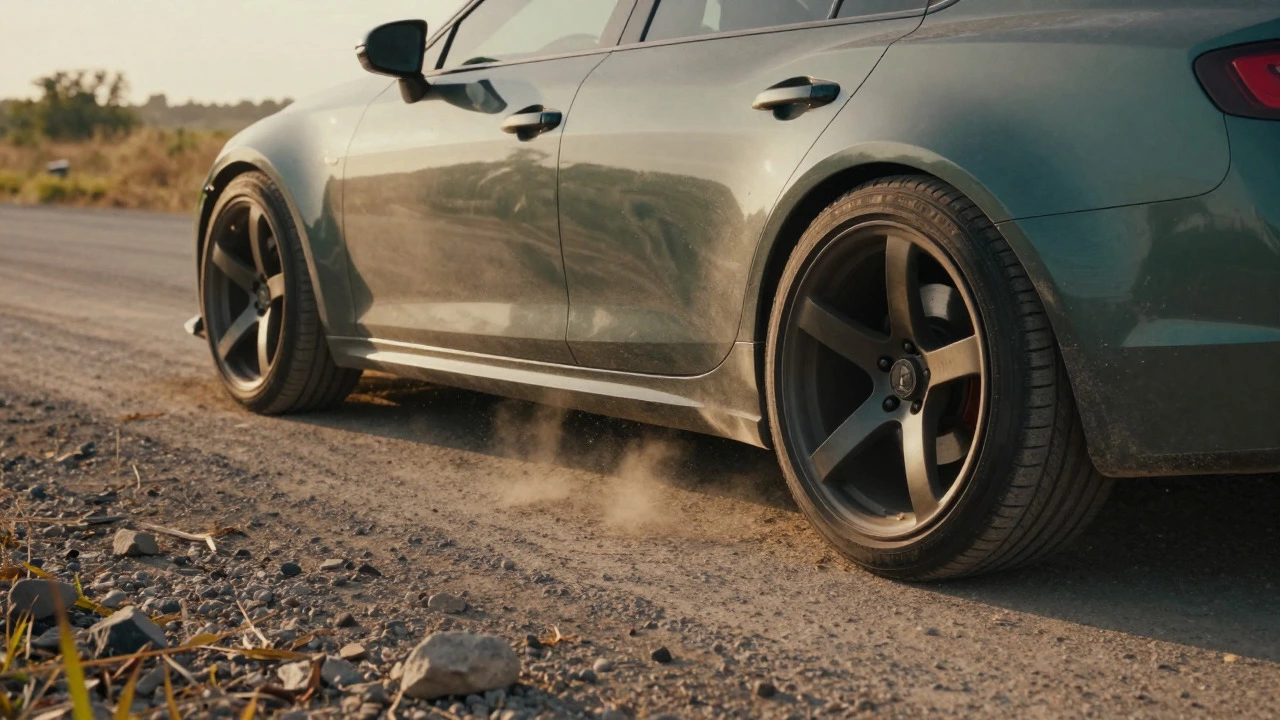
Furthermore, spacers reduce the clearance between the tire and the wheel well. If you live in an area with rough roads or potholes (like Adelaide’s unsealed rural roads), the reduced gap means rocks and debris can easily strike the tire shoulder. This is a common cause of slow leaks and punctures that are difficult to repair.
Legal and Insurance Implications
In Australia, vehicle modifications must comply with the Australian Design Rules (ADR). While small spacers (under 15mm) are often overlooked, larger setups can be flagged during roadworthiness inspections. If you are involved in an accident and an investigator finds non-compliant spacers or improperly torqued lugs, your insurance claim could be disputed. Insurers may argue that the modification contributed to the failure, potentially reducing your payout.
Always check with your local state transport authority (e.g., SA Transport Services) if your specific setup requires certification. Don’t assume that because it looks good, it’s legal.
When Are Spacers Actually Okay?
Let’s be fair-spacers aren’t always bad. They are acceptable in specific scenarios where the alternative is worse:
- Temporary Fixes: If you need 10mm of clearance for a new tire size and plan to sell the car soon, a high-quality hub-centric spacer is a low-risk temporary solution.
- Off-Road Recovery: Some off-roaders use spacers to gain articulation or prevent rock strikes. However, these should be rated for heavy loads and used with caution.
- Correcting Poor Factory Offset: Rarely, a factory wheel might have a slight manufacturing variance. A 5mm spacer can correct this, but measure first.
If you are buying spacers, ensure they are made from 7075-T6 aircraft-grade aluminum, have a precise hub-centric bore, and come with extended lug nuts (not washers). Extended nuts provide better thread engagement and clamping force.
Better Alternatives to Consider
Before reaching for the spacer box, ask yourself if there’s a better way to achieve your goal.
- Change Wheel Offset: Buying wheels with a lower offset (e.g., ET35 instead of ET45) achieves the same stance without adding extra hardware. This is the cleanest solution.
- Fender Flares or Arch Extensions: If you need clearance for wider tires, widening the bodywork is often safer than moving the wheel out. It maintains the factory suspension geometry.
- Tire Sizing: Sometimes, a slightly different tire profile (taller and narrower) gives you the width you want without changing the wheel position at all.
These options cost more upfront but save you money on repairs, vibrations, and potential legal headaches down the line.
Frequently Asked Questions
Are wheel spacers dangerous?
They can be, primarily due to increased stress on wheel studs and bearings. Cheap, non-hub-centric spacers are the most dangerous type because they rely solely on lug nuts for centering, which can lead to vibration and wheel detachment if not torqued perfectly.
What is the maximum safe thickness for wheel spacers?
There is no universal limit, but most mechanics recommend staying under 15mm for daily drivers. Beyond 20mm, the lever arm effect becomes significant enough to noticeably shorten stud life. Always consult your vehicle’s service manual for specific clearance limits.
Do I need extended lug nuts with spacers?
Yes. Standard lug nuts will not reach the end of the wheel studs once a spacer is added. Using washers is a bad practice because they don’t provide proper clamping force. Extended lug nuts are required to ensure the wheel is secured tightly and safely.
Will wheel spacers void my warranty?
Not automatically, but if a failure occurs (like a broken stud or bearing) and the mechanic determines the spacer contributed to the issue, the warranty claim may be denied. Keep receipts for high-quality parts to prove they were OEM-equivalent.
How do I know if my spacers are causing vibration?
If you feel a shudder in the steering wheel at highway speeds (80-120 km/h) that goes away when you remove the spacers, the spacers are likely not hub-centric or are poorly balanced. Re-torque the lugs after 50km of driving to check if they have backed off.