Wheel Spacer Compatibility Checker
Check Your Vehicle Compatibility
Results
People install 2 inch wheel spacers for one reason: to make their wheels stick out farther. It gives the car a wider, more aggressive look. But before you bolt those spacers on, you need to know what’s really going on under the hood - or rather, under the wheel. Are they bad? The answer isn’t simple. It depends on your car, how you drive, and whether you install them right.
What Do 2 Inch Spacers Actually Do?
Wheel spacers are metal or aluminum rings that fit between your hub and your wheel. A 2 inch spacer pushes the wheel out by exactly that much. That changes the wheel’s offset - the distance between the wheel’s centerline and the hub mounting surface. Most factory wheels sit mostly tucked under the fender. Spacers move them out, sometimes right to the edge of the fender.
This isn’t just cosmetic. It changes how your suspension works. Your wheels now have more leverage on the hub, bearings, and control arms. That extra distance creates more stress. Think of it like holding a heavy dumbbell with your arm straight out - the farther out you hold it, the harder it is to control. That’s what’s happening at your wheel hubs.
What Happens to Your Suspension?
Every car’s suspension is designed with precise geometry. The camber, caster, and toe angles are tuned for stability, tire wear, and handling. Adding 2 inches of spacer throws all of that off. Your wheels will tilt inward at the top (negative camber increases), which causes the inside edges of your tires to wear out faster. You’ll also notice the steering feels heavier and less responsive.
Real-world test: A 2021 Subaru WRX owner in Perth added 2 inch spacers and noticed his front tires wore out in just 8,000 miles - half the normal lifespan. He didn’t realign the suspension. After a proper alignment, tire life improved, but the steering still felt vague at highway speeds.
Control arms and ball joints take extra stress too. The forces from bumps and corners now act at a longer lever arm. Over time, that can lead to premature wear. You won’t notice it right away. But after 20,000 miles, you might hear a clunk when going over speed bumps - that’s your ball joint starting to fail.
Hub-Centric vs. Bolt-On Spacers: The Big Difference
Not all spacers are made the same. There are two types: hub-centric and bolt-on.
Hub-centric spacers have a center bore that matches your car’s hub exactly. The wheel bolts onto the spacer, but the spacer sits flush on the hub. That means the hub carries the weight, not the bolts. This is the only safe way to run 2 inch spacers.
Bolt-on spacers - the cheap kind - just slide over the hub and rely entirely on the wheel bolts to hold everything in place. That’s dangerous. At 2 inches, you’re asking 4 or 5 bolts to handle forces they were never designed for. The bolts stretch. They loosen. In extreme cases, the spacer can wobble or even shear off. There are documented cases of wheels coming loose on highways because of bolt-on spacers.
Look for spacers labeled hub-centric. Check the bore size. It must match your hub diameter exactly. For example, a Toyota Camry has a 60.1mm hub. Your spacer must have a 60.1mm center bore. Anything else is a risk.
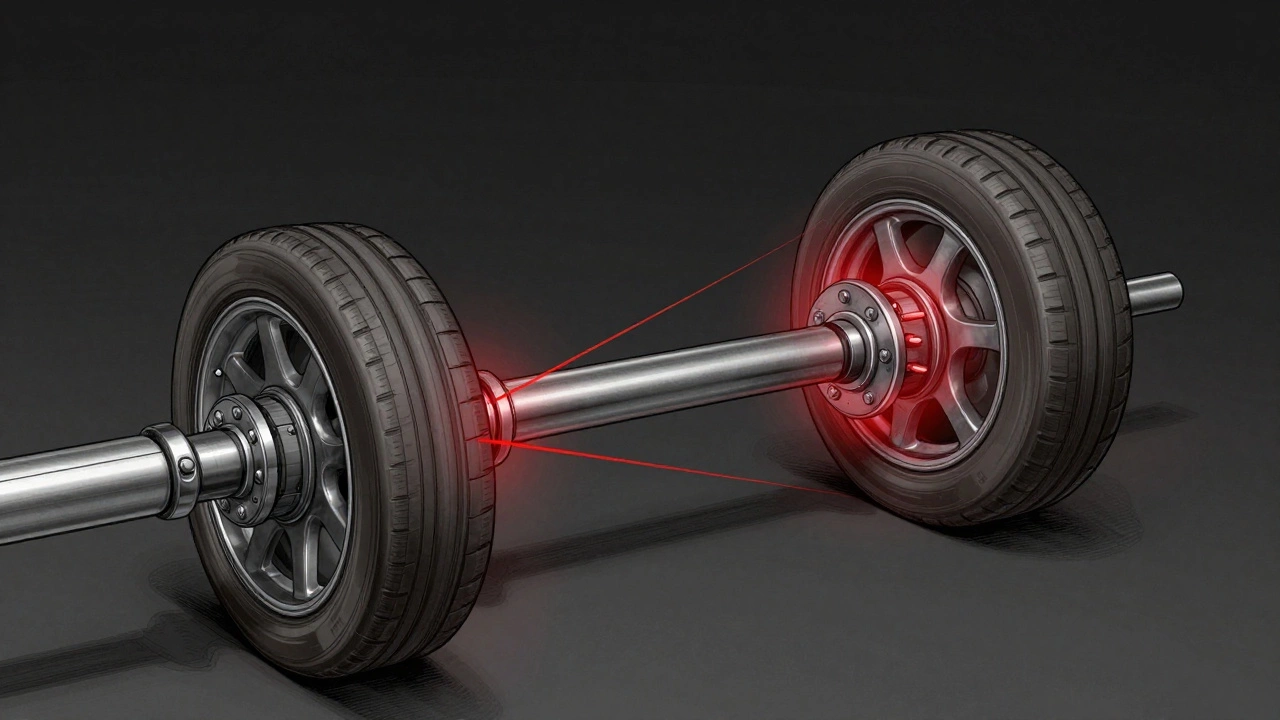
Do Spacers Affect Wheel Bearings?
Yes. And it’s not just a little. Wheel bearings are designed to handle radial and lateral loads based on the factory wheel position. When you push the wheel out 2 inches, you increase the load on the bearing by 30-40%. That’s because the distance from the center of the bearing to the tire contact patch gets longer.
That extra load turns your wheel bearing into a stress test. Bearings don’t fail suddenly - they wear out gradually. You might hear a low hum that gets louder as you speed up. Or a rhythmic grinding when turning. Most people ignore it until the bearing locks up. That’s when you’re stranded on the side of the road.
Brands like SKF and NTN say their bearings are rated for OEM specs only. Adding spacers voids that rating. There’s no official test data for 2 inch spacers - because manufacturers don’t test them. What you’re doing is uncharted territory.
Are 2 Inch Spacers Legal?
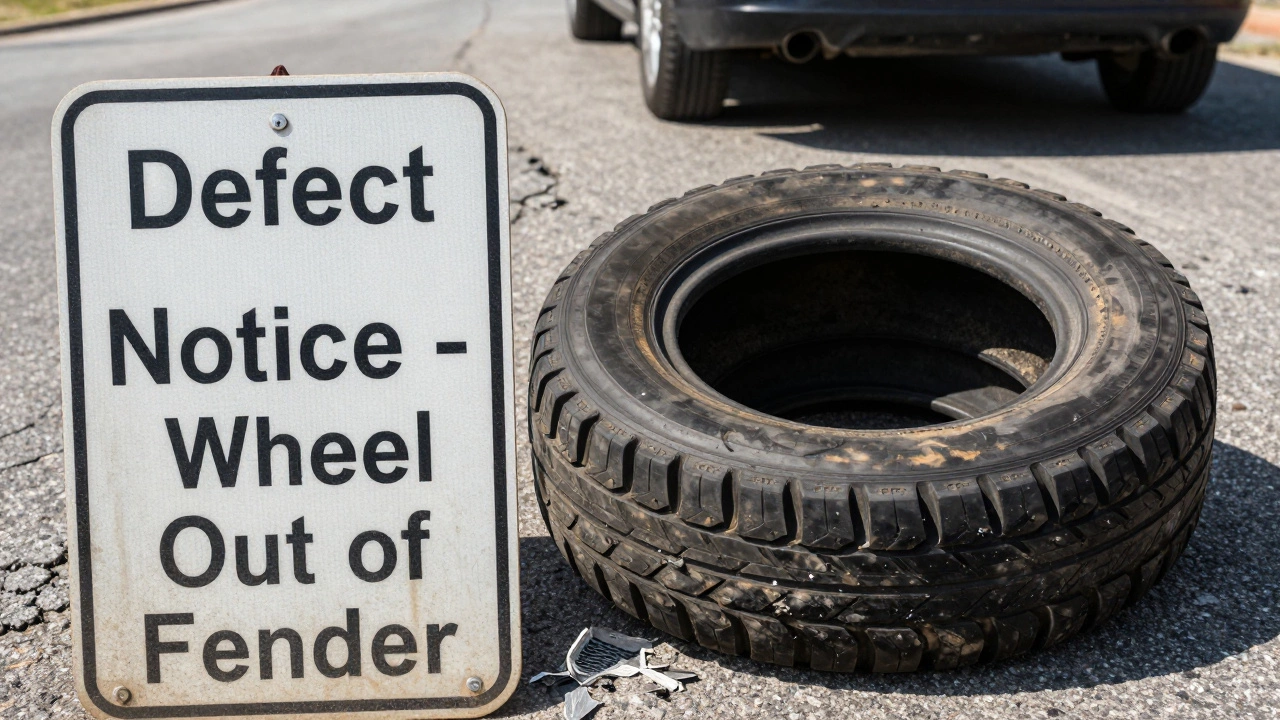
It depends on where you are. In Australia, road safety standards (ADR) don’t specifically ban spacers, but they do require wheels to remain within the fender line. If your tire sticks out past the fender, you’re breaking the law. Police can issue a defect notice. You’ll have to remove the spacers or modify the fenders to pass inspection.
In the U.S., laws vary by state. California and New York strictly enforce fender coverage. Texas and Florida are looser. But even in permissive states, your insurance might not cover damage if an accident is linked to modified wheels. A 2023 case in Melbourne saw a driver’s claim denied after a rollover - the insurer said the 2 inch spacers contributed to loss of control.
When Are 2 Inch Spacers Acceptable?
They’re not inherently evil. But they’re high-risk. You can make them work - if you’re willing to do it right.
- Only use hub-centric, one-piece spacers made from 6061-T6 aluminum or steel. Avoid cheap cast aluminum.
- Use extended wheel bolts that are at least 10mm longer than stock. The bolt must engage at least 6 full threads into the hub.
- Get a professional alignment after installation. Expect to pay $150-$200.
- Check lug nut torque every 500 miles for the first 2,000 miles.
- Never use spacers on the front if your car has factory wheels with low offset (like most FWD cars).
- Don’t use them on cars with short wheelbases or stiff suspensions - like Mini Coopers or Mazdaspeed3s. The leverage is too extreme.
Some cars handle spacers better than others. Rear-wheel-drive vehicles with wide track widths - like a BMW E92 or Ford Mustang - can handle 2 inch spacers with fewer issues. Even then, you’re trading comfort and longevity for looks.
What Are the Alternatives?
If you want that wide stance without the risk, consider these:
- Wider wheels with lower offset: Buy wheels with an offset 15-20mm lower than stock. This moves the wheel out naturally, without adding stress to the hub.
- Rolling or pulling fenders: A body shop can gently roll the fender lip to give you an extra 10-15mm of clearance. It’s subtle but legal.
- Aftermarket fender flares: If you’re going big, flares are the only safe way to cover wide wheels without breaking the law.
These options cost more upfront - $800-$1,500 for wheels - but they’re designed for your car. No extra stress. No alignment nightmares. No bearing failures.
Final Verdict: Are 2 Inch Spacers Bad?
They’re not a death sentence. But they’re a gamble. If you install cheap bolt-on spacers on a daily driver with no alignment and no maintenance, you’re asking for trouble. The bearings will wear. The suspension will loosen. The tires will eat themselves. And one day, you’ll pay for it.
If you’re serious about it - and you’re willing to spend the money on quality parts, professional installation, and ongoing checks - then 2 inch spacers can be done safely. But most people don’t do it right. They see a picture online, buy $80 spacers off eBay, and bolt them on in their driveway. That’s how you end up with a broken hub or a wheel rolling down the highway.
The truth? If you want your car to look wide, go for wider wheels. It’s safer, legal, and lasts longer. Spacers are a shortcut. And shortcuts on cars often lead to expensive detours.
Can 2 inch spacers cause my wheels to fall off?
Yes, if you use cheap bolt-on spacers that rely only on wheel bolts to hold everything together. At 2 inches, the leverage is too great. Bolts stretch, loosen, or break under stress. Hub-centric spacers that mount directly to the hub are far safer - the hub carries the load, not the bolts. But even then, improper torque or low-quality materials can lead to failure.
Do I need an alignment after installing 2 inch spacers?
Absolutely. Spacers change your wheel’s position relative to the suspension, which throws off camber, caster, and toe. Without an alignment, your tires will wear unevenly - often on the inside edges - and your steering will feel vague or pull to one side. Skipping this step is the #1 reason people have problems after installing spacers.
Are 2 inch spacers legal in Australia?
There’s no specific law banning spacers, but Australian Design Rules require wheels to stay within the fender line. If your tire sticks out past the fender, you’ll fail a roadworthy inspection. Police can issue a defect notice. You’ll need to remove the spacers or modify your fenders to comply.
Will 2 inch spacers hurt my fuel economy?
Not directly. But if the spacers cause your tires to rub against the fender or suspension, you’ll create drag. That increases rolling resistance and can drop your fuel economy by 1-3%. Also, if your alignment is off, your tires won’t roll straight - which also hurts efficiency.
Can I use 2 inch spacers on both front and rear wheels?
Technically yes, but it’s not recommended. Front spacers increase steering load and can make the car feel unstable at high speeds. Most experts recommend using spacers only on the rear - if at all. Front spacers on a 2 inch setup are a recipe for poor handling and premature wear on steering components.
How do I know if my spacers are hub-centric?
Check the product description - it should say "hub-centric" or list the center bore size. Then measure your hub diameter with a caliper. For example, a Honda Civic hub is 64.1mm. Your spacer’s center hole must match that exactly. If the spacer just slides loosely over the hub, it’s not hub-centric - and it’s unsafe.