Interior Protectant Finder
Answer these questions to find the perfect alternative to traditional silicone-based products like Armor All.
Product Name
Description goes here.
Quick Application Tips:
You’ve probably seen it in every gas station aisle: that bright blue bottle of Armor All. It’s iconic. But if you’re a serious car owner, you likely know the dirty secret behind the shine. That glossy, wet-look finish? It’s often just silicone and petroleum distillates sitting on top of your plastic, not soaking into it. Over time, this can actually dry out your dashboard, attract dust like crazy, and leave your interior looking greasy under the sun. If you are tired of wiping down a sticky dash every Tuesday, you need to look beyond the big-box store staples.
So, what is actually better than Armor All for car interiors? The short answer is anything that prioritizes UV protection and natural conditioning over artificial gloss. We’re talking about products that restore flexibility to vinyl, leather, and rubber without leaving a residue that turns white when it dries. In Adelaide, where the UV index can hit extreme levels during summer, protecting your interior isn’t just about aesthetics-it’s about preserving the value of your vehicle. Let’s break down the real contenders that keep your cabin looking new without the grease.
Why Silicone-Based Products Fail Long-Term
Before we swap bottles, let’s understand why the industry standard needs an upgrade. Traditional protectants rely heavily on dimethicone or other silicones. These ingredients create a hydrophobic barrier that repels water, which sounds great until you realize they don’t penetrate porous materials. Instead, they sit on the surface. When exposed to heat, these oils migrate to the surface, creating that slippery, oily feel. Worse, as they degrade, they can turn white-a phenomenon known as "blooming"-especially on textured plastics.
This degradation process accelerates in hot climates. If you park your car outside in Sydney or Perth during January, a silicone-heavy product will essentially cook onto your dashboard. You end up scrubbing off layers of old wax and oil before applying new ones. Modern detailing chemistry has moved toward water-based emulsions and natural oils that feed the material rather than just coating it. This shift means less maintenance for you and a healthier life for your trim pieces.
The Water-Based Revolution: Chemical Guys VRP and Others
If you want a direct replacement that feels familiar but performs better, Chemical Guys VRP (Vinyl, Rubber, Plastic) is a solid starting point. Unlike its petroleum-based cousins, VRP is water-based. It uses synthetic polymers to provide a satin finish rather than a high-gloss shine. The key benefit here is safety. Because it lacks harsh solvents, it won’t stain light-colored fabrics or damage sensitive electronics nearby.
Users often report that VRP lasts longer between applications because it bonds better with the polymer chains in modern automotive plastics. It also includes UV inhibitors that block both UVA and UVB rays, preventing the fading that ruins many older cars. While it doesn’t give you that "showroom mirror" look immediately, most enthusiasts prefer the factory-fresh appearance. You apply it with a microfiber applicator, let it haze slightly, and buff it off. No streaks, no stickiness.
Natural Oils and Conditioners for Deep Restoration
For older vehicles or interiors that have already started cracking, you need more than just a protectant; you need a conditioner. This is where natural ingredients shine. Brands like 303 Aerospace Protectant have built a reputation among boaters and aircraft owners who face even harsher UV exposure than daily drivers. 303 is technically a sunscreen for your car. It absorbs UV radiation and dissipates it as heat, stopping the breakdown of molecular bonds in vinyl and rubber.
Another strong contender is Lexol Vinyl, Rubber, and Plastic Conditioner. Lexol leans into traditional conditioning with lanolin and glycerin. These ingredients mimic the natural oils found in leather and vinyl, restoring flexibility. If your door panels feel brittle or your seat belts are stiff, Lexol can bring them back to life. It leaves a semi-matte finish that looks authentic. Just be careful not to overapply on steering wheels, as it can get slightly slick until fully cured.
Comparison: Top Interior Protectants at a Glance
Choosing the right product depends on your specific needs. Do you want maximum shine? Or do you prioritize long-term preservation? Here is how the top alternatives stack up against the traditional Armor All formula.
| Product Name | Base Type | Finish | UV Protection | Best For |
|---|---|---|---|---|
| Armor All Original | Petroleum/Silicone | High Gloss | Moderate | Budget quick fixes |
| 303 Aerospace Protectant | Water-Based | Satin/Matte | Excellent | Long-term preservation |
| Chemical Guys VRP | Water-Based | Satin | Good | Daily drivers |
| Lexol Conditioner | Natural Oils | Matte | Fair | Dry/cracking vinyl |
| Meguiar's Ultimate | Hybrid Polymer | Low Sheen | Very Good | All-around performance |
How to Apply Interior Protectants Correctly
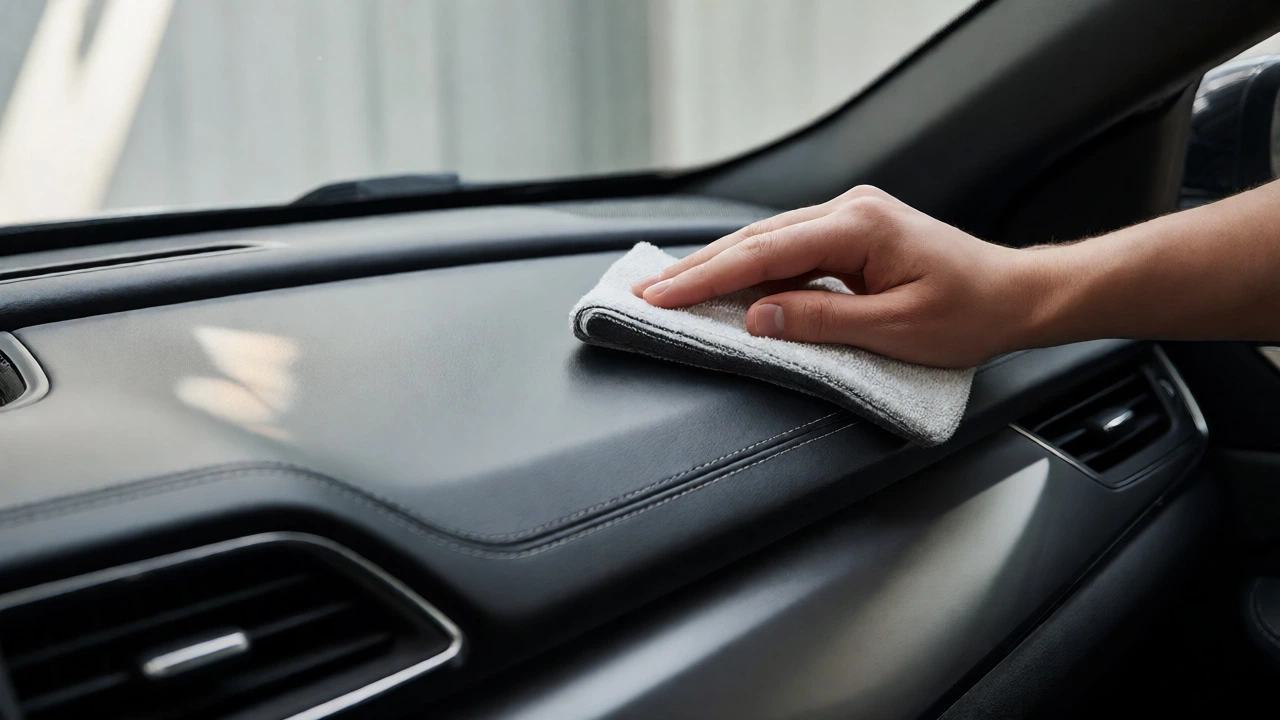
Even the best product in the world will fail if you apply it wrong. Most people spray directly onto the dashboard, which leads to overspray on windshields and glass. Glass gets streaky when protectants land on it, and cleaning it off later is a pain. Instead, always spray your product onto a clean microfiber towel first.
- Clean First: Never apply protectant over dirt. Dust acts as sandpaper. Use a dedicated interior cleaner or diluted all-purpose cleaner to wipe down surfaces first.
- Less is More: You don’t need a gallon of product. A few sprays on the towel are enough for a whole dashboard. Overapplication leads to white residue.
- Buff Immediately: Don’t let thick layers dry on their own. Wipe in circular motions, then flip to a dry side of the towel and buff vigorously to remove excess oils.
- Ventilate: Even water-based products have mild scents. Crack a window while working to help the solvents evaporate properly.
This method ensures an even coat. If you see shiny patches after buffing, you applied too much. Go back with a dry microfiber and buff again until the sheen is uniform. Consistency beats intensity every time.
Special Considerations for Leather and Fabric
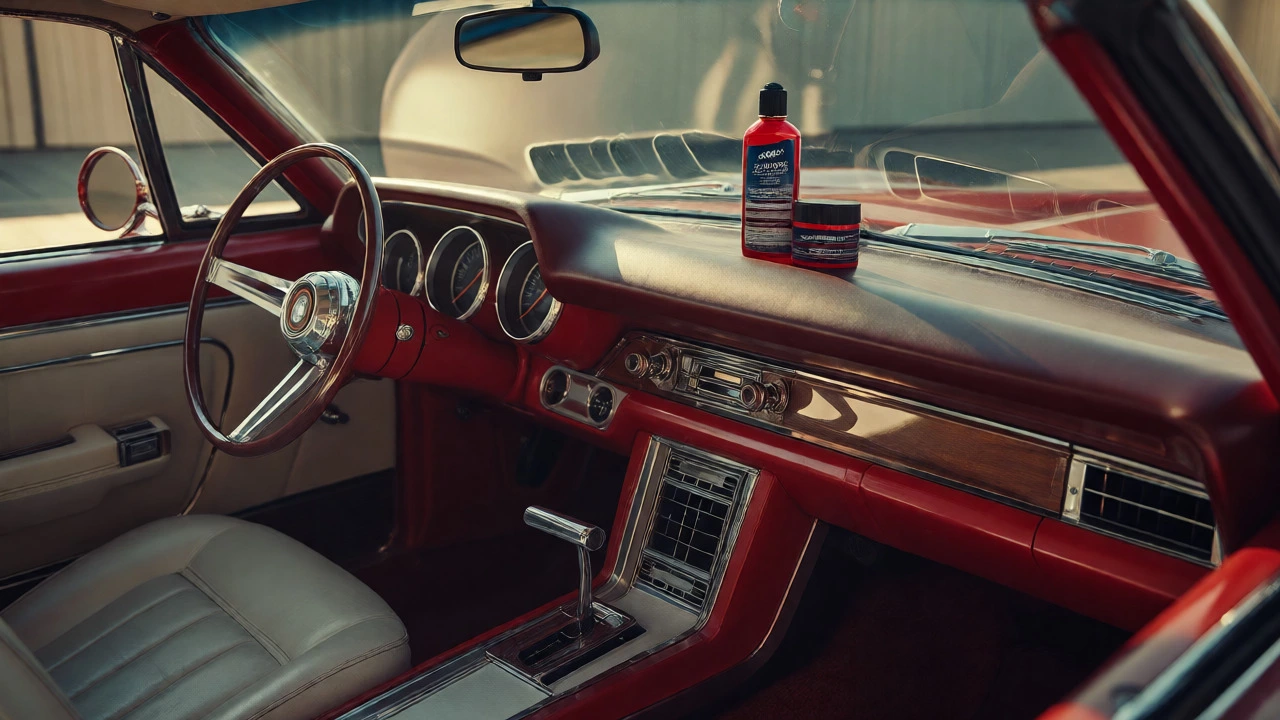
Not all protectants are safe for all materials. While the products mentioned above work wonders on vinyl, rubber, and hard plastics, they can be problematic for genuine leather. Many conditioners contain pigments or oils that darken leather unevenly. If you have a leather interior, look for pH-balanced leather-specific cleaners and conditioners. Brands like Leather Honey or Colourlock are formulated specifically to maintain breathability and softness without clogging pores.
For fabric seats, avoid liquid protectants entirely unless they are specifically labeled as fabric guards. Liquid conditioners can leave water spots or stiffen cloth upholstery. Instead, use a fabric protector spray that creates an invisible barrier against spills. This keeps your seats clean without altering the texture.
Final Verdict: What Should You Buy?
If you are still using Armor All, you aren’t doing your car any harm, but you aren’t helping it much either. For the average driver who wants a clean, protected interior without fuss, Meguiar's Ultimate Interior Detailer offers the best balance of price, performance, and ease of use. It cleans and protects in one step, saving you time on weekends.
However, if you live in a high-UV area or drive a classic car, invest in 303 Aerospace Protectant. The upfront cost is higher, but the longevity and protective qualities justify the expense. Your dashboard will thank you five years from now when it hasn’t cracked or faded. Ditch the blue bottle. Your interior deserves better.
Does Armor All ruin car interiors?
It doesn't necessarily "ruin" them instantly, but long-term use can lead to issues. The petroleum distillates can dry out vinyl over time, causing brittleness and cracking. Additionally, the silicone content attracts dust and dirt, making the interior harder to keep clean compared to water-based alternatives.
Can I use household products instead of car protectants?
Some people use diluted dish soap for cleaning, but avoid it for protection. Household oils like baby oil can make plastic slippery and attract excessive dust. They lack UV inhibitors, so your interior will still fade under sunlight despite looking shiny initially.
How often should I apply interior protectant?
For most drivers, once a month is sufficient. If you park outdoors in direct sunlight frequently, consider applying it every two weeks. Indoor-parked cars may only need quarterly applications. Always check for dust buildup before reapplying to avoid trapping grime.
Is 303 Aerospace Protectant safe for touchscreens?
Generally, yes, but caution is advised. 303 is non-abrasive and safe for most plastics. However, some touchscreens have oleophobic coatings that can be degraded by certain chemicals. It is best to test a small, inconspicuous area first or use a dedicated screen cleaner for optimal results.
What is the difference between matte and glossy finishes?
Glossy finishes reflect light, highlighting textures and making colors pop, but they show fingerprints and dust easily. Matte finishes absorb light, providing a more modern, understated look that hides imperfections and feels closer to the original factory specification. Most detailers prefer matte for daily drivers.