Car Wrap Feasibility Checker
Select the condition that best describes your car's paint to see if wrapping is a viable option.
Verdict: -
Risk Level: -Select a condition above to see analysis.
The Quick Verdict: What Happens When You Wrap Over Bad Paint
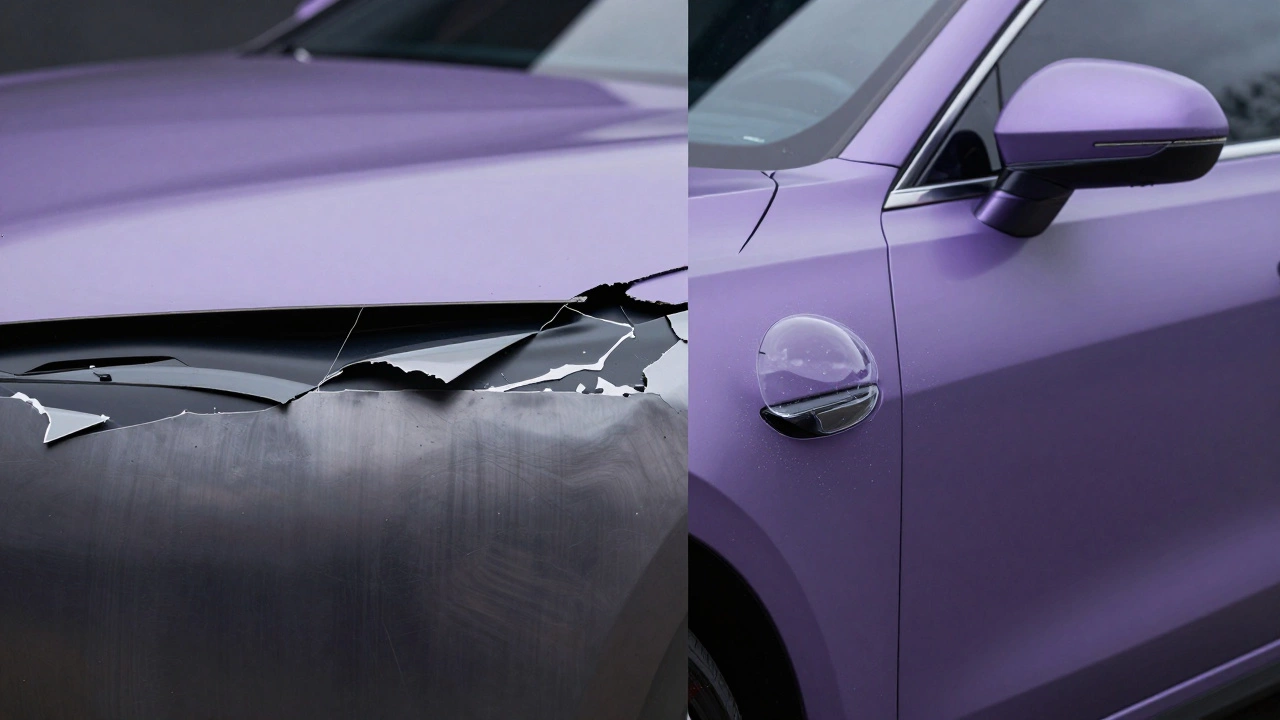
Let's be real-the primary goal of a car wrap is to make the vehicle look flawless. However, vinyl is an incredibly thin material. It doesn't fill in gaps or smooth over rough patches. Instead, it conforms to the surface it's sticking to. If your paint is flaking or bubbling, those textures will telegraph straight through the wrap. You'll end up with a car that is the right color but looks like it has a skin disease.
The biggest risk isn't just the look, but the adhesion. Vinyl Wrap is a pressure-sensitive adhesive film used to change the color or protect the surface of a vehicle. For this adhesive to work, it needs a stable, clean surface. If the paint underneath is peeling, the wrap will bond to the loose flake of paint rather than the car body. When that flake eventually lets go, your expensive wrap will bubble or peel away with it, leaving you with unsightly gaps and wasted money.
| Paint Condition | Result After Wrapping | Risk Level |
|---|---|---|
| Faded/Oxidized | Smooth finish, looks great | Low |
| Light Surface Scratches | Mostly hidden, some visible lines | Low |
| Peeling Clear Coat | Texture shows through; bubbles likely | High |
| Deep Rust/Flaking | Severe bubbling; wrap will peel off | Critical |
Identifying the Type of "Bad Paint" You Have
Not all bad paint is created equal. To decide if you can move forward, you need to determine exactly what's going wrong with your surface. If your paint is simply faded from the sun-common in high-UV areas like Adelaide-you're in luck. Fading is an aesthetic issue, not a structural one. The paint is still bonded to the metal; it's just lost its pigment. In this case, a wrap is a perfect solution.
Then you have "clear coat failure." This is when the transparent top layer of paint starts to flake off in white, crusty patches. This is a nightmare for wrappers. Since the clear coat is lifting, it creates an edge. When you lay vinyl over that edge, it creates a visible line. Even worse, as the clear coat continues to degrade under the wrap, it can create air pockets that make the wrap look like it's blistering.
Finally, there is actual rust or deep pitting. Rust is an iron oxide layer that forms when iron is exposed to moisture and oxygen. Wrapping over rust is a recipe for disaster. The vinyl seals the metal, but if moisture is already trapped underneath, the rust will continue to eat the metal from the inside out. You'll effectively be hiding a structural failure that will eventually bubble the wrap and compromise the car's body.
The Danger of the "Trap" Effect
One of the most misunderstood parts of car wrapping is what happens when you decide to take it off. Most people see a wrap as a temporary change. But if you wrap over failing paint, you've created a trap. When you eventually peel that vinyl back after three or four years, the adhesive-which is designed to be strong-will often pull the remaining loose paint right off the car.
You might start with a car that has some peeling clear coat, but you'll end up with a car that has zero paint left on the panels. This makes a future professional paint job significantly more expensive because the shop now has to spend hours sanding down the entire surface rather than just touching up a few spots. You're essentially trading a current cosmetic problem for a future financial headache.
How to Properly Prepare Bad Paint for a Wrap
If you're determined to wrap but don't have the budget for a full respray, you can still get a decent result if you do the legwork. You can't just wash the car with soap and water; you need a mechanical and chemical intervention. First, you must remove every single loose flake of paint. This involves using a scraper or a sanding block to gently knock away anything that isn't firmly attached to the surface. If it moves when you touch it, it has to go.
- Mechanical Sanding: Use a fine-grit sandpaper (around 800 to 1000 grit) to smooth out the edges where the paint is peeling. You want to create a seamless transition between the bare metal or primer and the remaining paint.
- Cleaning: Use Isopropyl Alcohol, which is a colorless, flammable chemical compound used for cleaning and disinfecting surfaces, to remove all oils and sanding dust. Any residue left behind will cause the vinyl to lift.
- Filling: For deep chips or pits, use a high-quality automotive filler. Once dried, sand it flush. The goal is a surface that feels smooth to the touch.
- Tacking: Use a tack cloth to remove the final microscopic particles of dust right before the vinyl hits the panel.
Comparing Wrapping to Other Alternatives
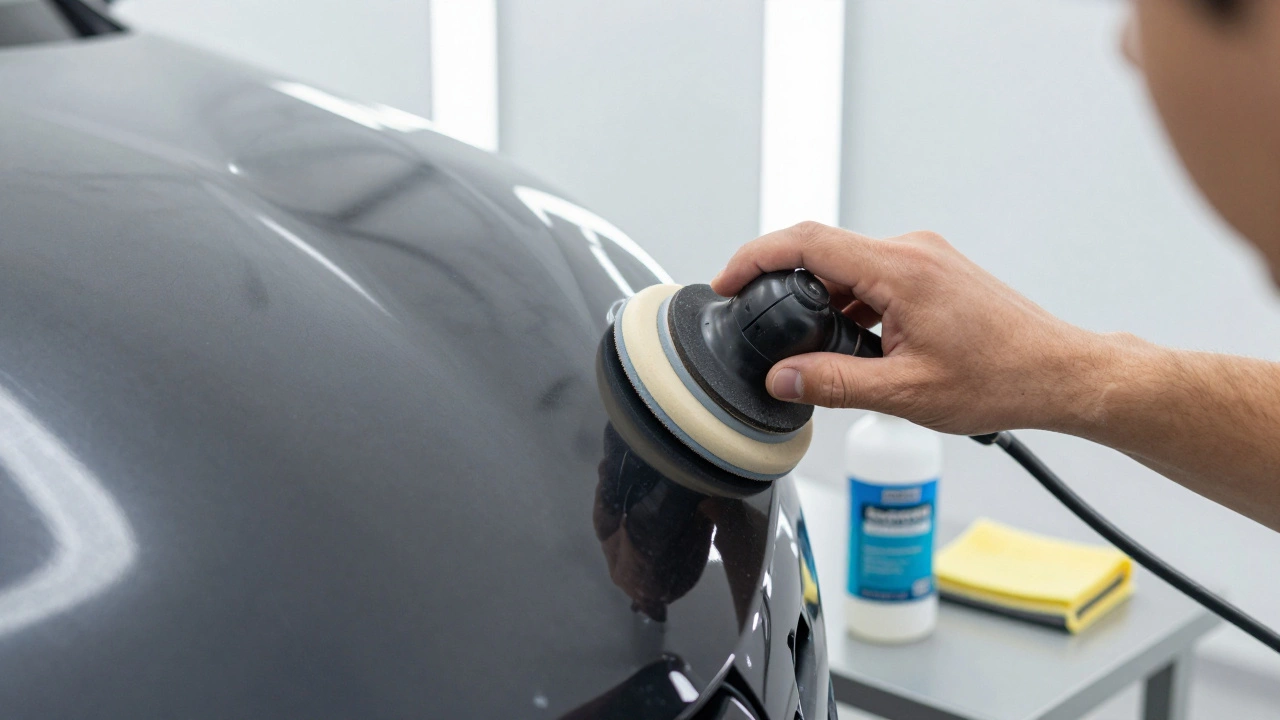
Is wrapping always the best bet for a car with bad paint? Not necessarily. Depending on the severity of the damage, you might want to consider other paths. For instance, a professional Paint Correction process involves using abrasive polishing compounds to remove a thin layer of clear coat to eliminate scratches and oxidation. This is great for faded paint but useless for peeling paint.
If the paint is truly gone, a professional respray is the only permanent fix. However, if you're on a budget and just want the car to look decent for a couple of years, a wrap-done with the preparation steps mentioned above-is a viable middle ground. Just remember that a wrap is a mask, not a cure. It's like putting a fancy wallpaper over a damp wall; it looks great for a while, but the underlying issue remains.
Common Pitfalls to Avoid
Avoid the temptation to use "spray adhesive" to force the wrap to stick to peeling paint. Some amateurs try to spray glue on the bad spots to keep the vinyl from lifting. This is a disaster waiting to happen. Not only does it create lumps under the film, but it makes the wrap nearly impossible to remove without destroying the remaining paint.
Another mistake is ignoring the edges. Most paint failure starts at the edges of panels-around the wheel arches or the bottom of the doors. If you don't properly seal and smooth these areas, the wrap will begin to peel from the edges within weeks, especially if you live in a place with high wind or frequent rain. Always wrap slightly past the edge or ensure the surface is perfectly smooth where the vinyl will be tucked.
Will the wrap hide the bumps from peeling paint?
No, vinyl is very thin. It acts like a second skin and will show every ripple, bump, and flake of peeling paint underneath. If the surface isn't smooth, the wrap will look bumpy.
Can I wrap over rust?
You can, but it's a bad idea. Wrapping seals the rust, trapping moisture underneath and allowing the corrosion to spread faster. This will eventually cause the wrap to bubble and the metal to degrade further.
Does the wrap protect bad paint from getting worse?
To an extent, it keeps UV rays and rain off the paint. However, if the paint is already peeling, the process of applying and removing the wrap can actually accelerate the peeling process.
How long will a wrap last on bad paint?
If the paint is stable, it will last as long as a normal wrap (3-7 years). If the paint is actively peeling, you may see bubbles and lifting within months as the underlying paint continues to flake off.
Should I use a primer before wrapping bad paint?
Applying a professional automotive primer to sanded-down peeling areas is a great idea. It provides a smooth, uniform surface for the vinyl to bond to, preventing the "texture" of the bad paint from showing through.
Next Steps for Different Car Owners
If you have a daily driver with minor clear coat failure on the roof, your best bet is to sand the edges of the peeling areas, use a small amount of filler, and then go for a high-quality cast vinyl wrap. It's a cost-effective way to freshen up the car without a full repaint.
For collectors or enthusiast cars, do not wrap over bad paint. The risk of pulling original paint off during removal is too high. Your only real option here is a professional restoration and respray to maintain the vehicle's value.
If you're dealing with a beater or a project car where aesthetics aren't the top priority, you can get away with a quicker prep. Just knock off the biggest flakes of paint, give it a thorough wash with alcohol, and apply the wrap. Just be aware that it won't look "showroom quality" and it will likely need some touch-ups over time.